MicroVENT ePTFE Membrane Selection Guide

All Categories

Get a Free Quote

Our representative will contact you soon.
Email
Name
Company Name
Message
0/1000
MicroVENT ePTFE Membrane and Vent Selection Guide

MicroVENT ePTFE Membrane and Vent Selection Guide

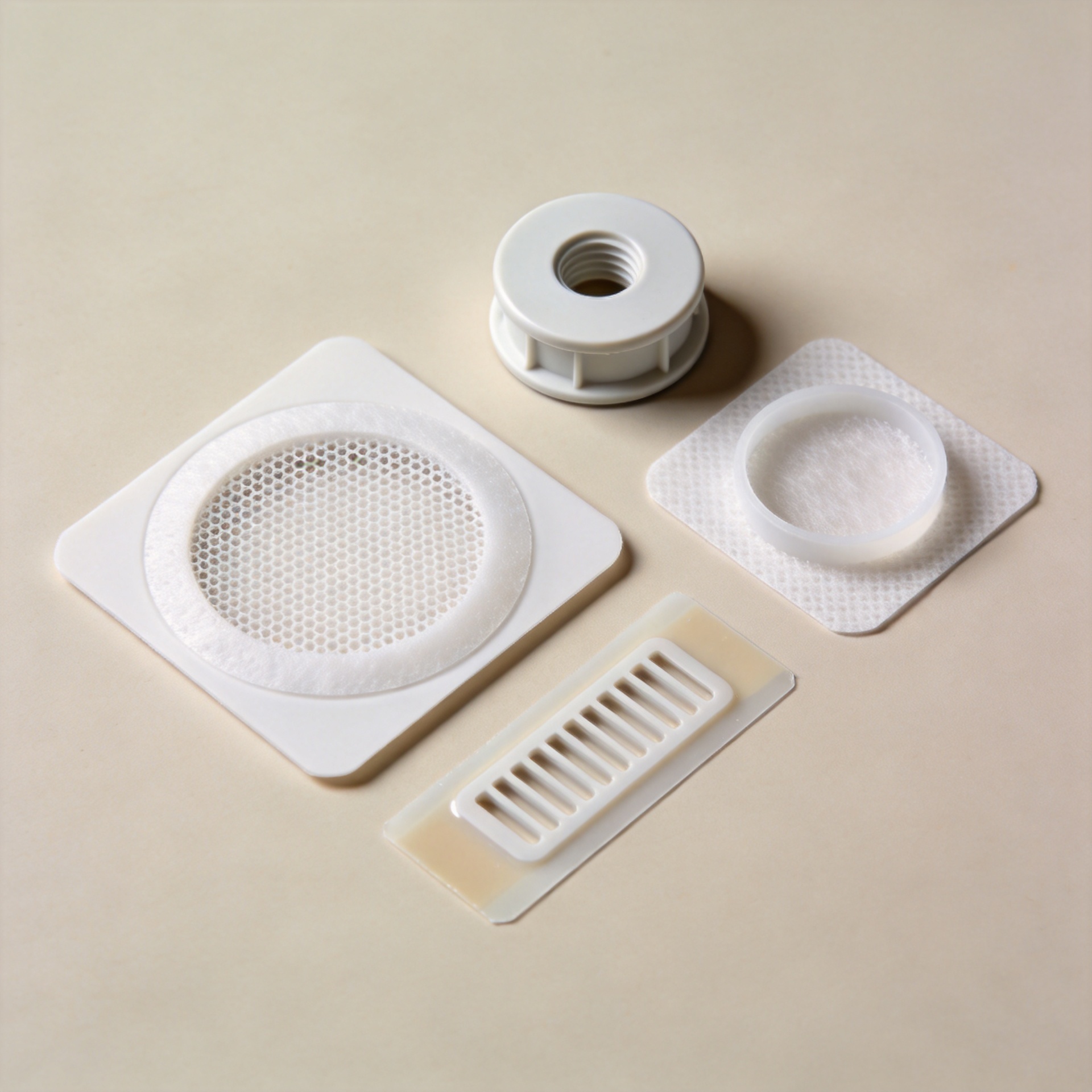
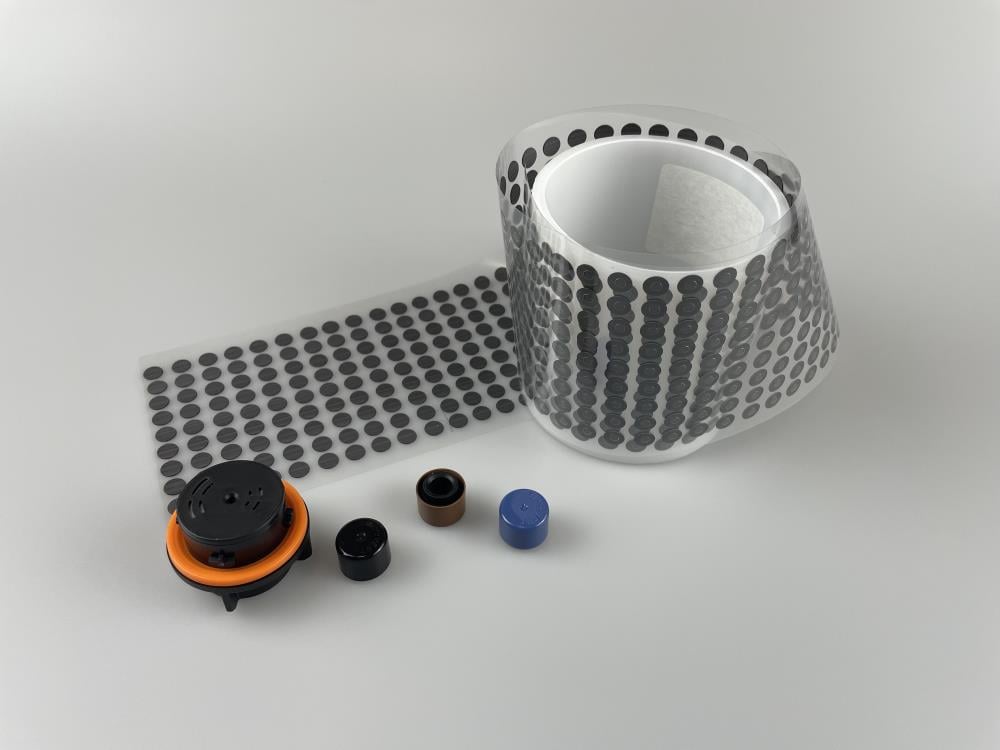
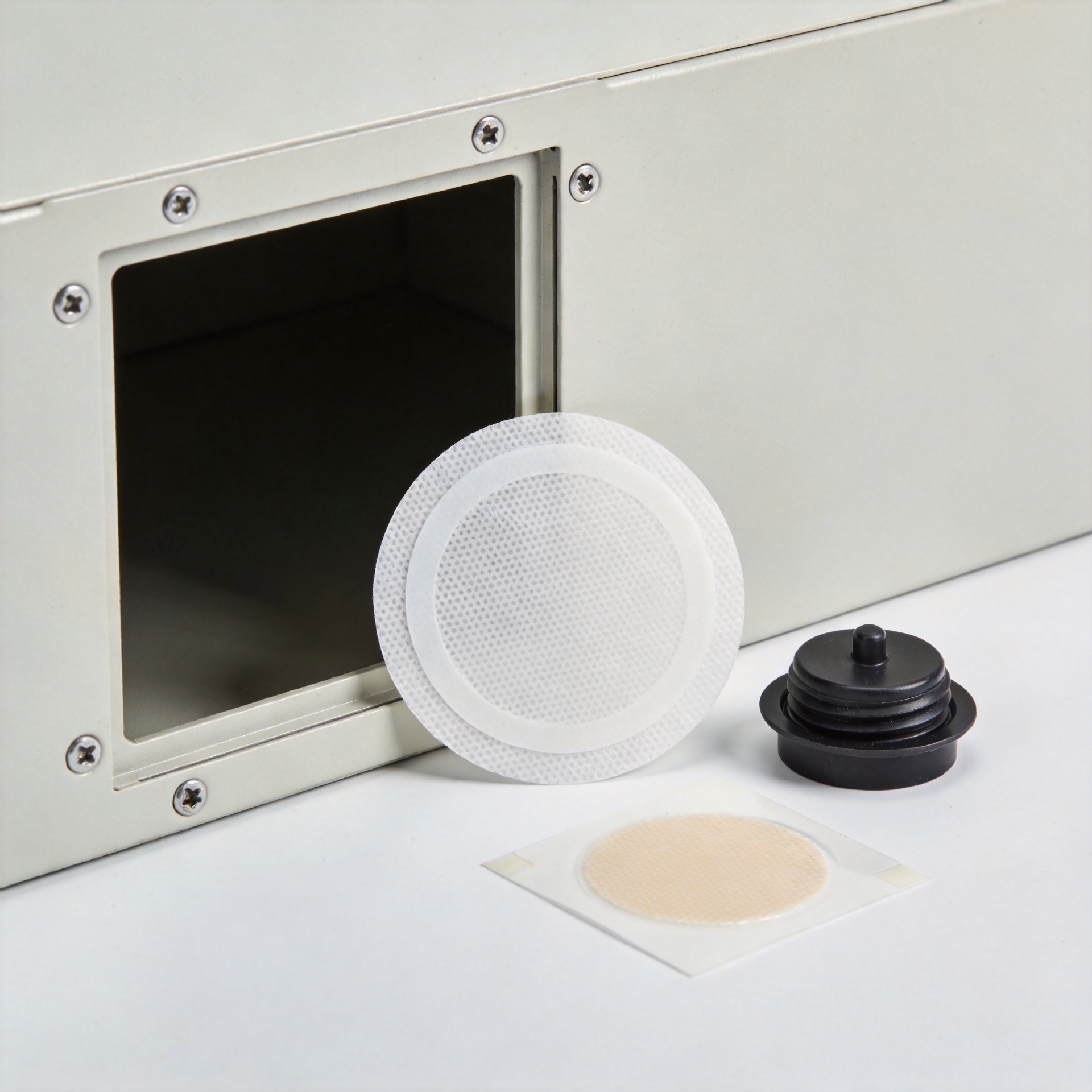
MicroVENT ePTFE is a topic for teams that need a porous membrane or vent part. This page lists three real product types: vent membrane, vent plug, and Adhesive Vent Membrane. Start with the part that needs a vent. Note its size, shape, and use. Then note the air path, outside medium, and heat or pressure changes. MicroVENT ePTFE work starts with those facts, not with a broad claim. MicroVENT has worked with ePTFE technology since 1995. Its site describes porous material, composite work, lamination, and surface change methods. It also names uses in cars, electronics, packaging, sensors, tools, and medical parts. Use the notes below to make a clear project brief. Send the part drawing and use details when you ask about a MicroVENT ePTFE product.
Get A Quote

Documented ePTFE Background

A short view of the stated product and material background.

Long ePTFE Focus

MicroVENT ePTFE work draws on a stated focus on ePTFE design, production, research, and development since 1995. This is useful background for a first talk about a membrane or vent part.

Material Process Context

MicroVENT ePTFE pages describe composite work, lamination, and surface change methods for porous material. A project team can use this context to list the drawings, data, and checks still needed for its own part.

MicroVENT ePTFE Product References

Real catalog items for an initial MicroVENT ePTFE project review.
Check the Full Part First

Check the Full Part First

For a MicroVENT ePTFE project, begin with the full part. Set out the case, the medium near it, the pressure change, and the space for the vent. Then compare vent membrane, vent plug, and adhesive formats. This simple order keeps the choice tied to the real fit and use of the part.

Define the Job Before the Part

MicroVENT ePTFE is best reviewed as one part of a full unit. Start with the case, box, or pack that needs a vent. What is it made of? Where will it be used? What is around it? These plain facts help set the task. A vent need can change when the unit sees dust, water, oil, heat, or a fast change in air pressure.

For a MicroVENT ePTFE brief, list what is inside the unit and what is outside it. State what may touch the outer face. State how air moves now. State if the part is kept still, moved, or used in a hot or cold place. Do not turn a broad material note into proof for a new use. The use still needs a review.

Choose a Product Format

The real catalog items here are vent membrane, vent plug, and Adhesive Vent Membrane. Each is a product format. Each MicroVENT ePTFE format has a different fit question. A membrane may need an area for a bond or a layer. A plug may need a set hole shape and a clear path. An adhesive vent may need a clean, flat surface and a known bond area.

  • For MicroVENT ePTFE, check the open space before you pick a format.
  • For MicroVENT ePTFE, show the hole shape, wall thickness, and nearby parts on the drawing.
  • For MicroVENT ePTFE, say how the part will be put in place during build.
  • For MicroVENT ePTFE, keep the part stack and contact surface notes with the request.

These steps do not prove that a part will work in a given use. They help stop a poor match between the vent idea and the actual shape of the unit. They also give a better base for a product talk.

Use Material Notes With Care

MicroVENT ePTFE site text describes porous ePTFE material. It also names composite work, lamination, and surface change methods. The text refers to hydrophobic and oleophobic traits as part of its material context. Those points are not a test result for each new part. Ask which product facts and checks apply to your stated use.

A MicroVENT ePTFE project may have a goal for air flow, a barrier, or pressure balance. Put that goal in the brief as a need to review. Add the medium, the part shape, and the use state. Then ask what needs to be checked. This keeps the talk clear. It also keeps a general statement from being read as a promise for all uses.

Prepare a Useful Inquiry

A good MicroVENT ePTFE inquiry gives the team enough facts to start. Send the part type, base material, size, use, and fit space. Add a drawing if you have one. Name the medium near the vent. Explain how the vent will be fixed in place. If you have a target need, state it as a point for review.

MicroVENT says it can develop made-to-order products from customer needs. For that reason, a clear brief is more useful than a short feature list. Ask for the product data that is on hand. Ask which items need more checks for your use. A MicroVENT ePTFE review can then move from a broad idea to a clear part and fit discussion.

MicroVENT ePTFE Selection Questions

Simple questions to help define a membrane or vent part.

What facts should I share first?

For a MicroVENT ePTFE inquiry, start with the full part and its use. Share the case or pack material, the size of the vent area, the medium near the part, and the way the part will be fixed. A drawing is very useful. Also state how heat, water, dust, oil, or pressure change may affect the unit. These facts help turn a broad material question into a clear product and fit review.
The catalog shows vent membrane, vent plug, and Adhesive Vent Membrane as different formats. In a MicroVENT ePTFE review, compare each format with the hole, surface, wall, and build method of the real unit. A membrane can raise bond and layer questions. A plug can raise hole and fit questions. The product name alone does not confirm a match. Use the drawing and use facts to guide the next talk.
No. MicroVENT ePTFE material notes give useful context, but they do not prove a result for each part or use. A real review still needs the medium, part shape, use state, and product data. Ask which facts are known for the selected product and which checks are still needed. This makes it clear where the evidence ends and where project work must begin.
Ask which MicroVENT ePTFE format fits the stated shape and use. Share the part drawing, open area, base material, and way the vent will be put in place. State the medium and key use conditions. Then ask for the product data that can support the review and the items that need more study. This is a clear way to start without making a claim before the part is assessed.

Get a Free Quote

Our representative will contact you soon.
Email
Name
Company Name
Message
0/1000

Related ePTFE Membrane Topic

Get a Free Quote

Our representative will contact you soon.
Email
Name
Company Name
Message
0/1000