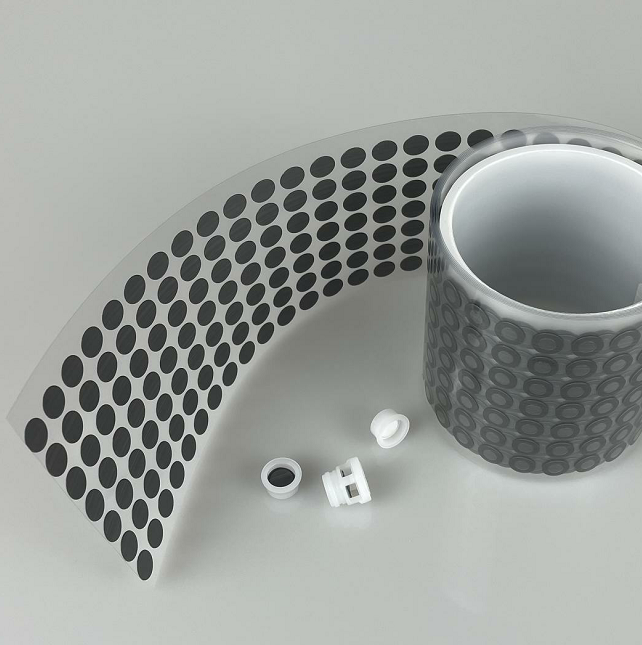
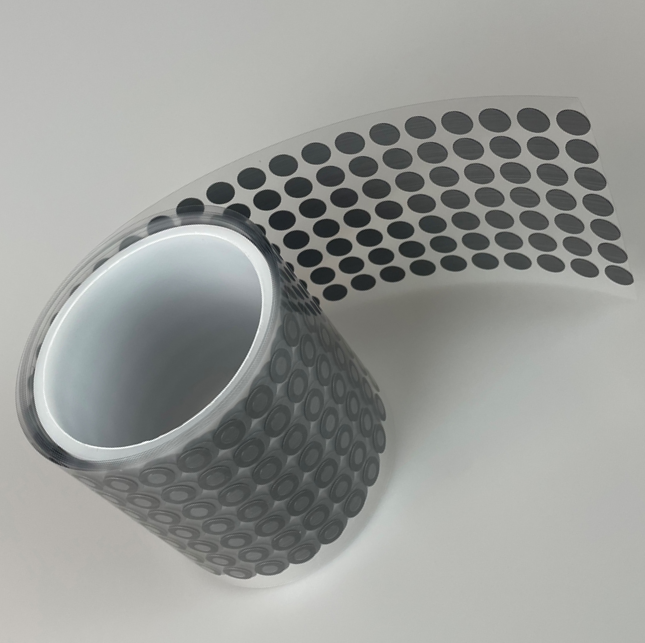
Oleophobic ePTFE: Advanced Oil-Resistant Membrane Technology for Industrial Applications

All Categories

Get a Free Quote

Our representative will contact you soon.
Email
Name
Company Name
Message
0/1000

oleophobic eptfe

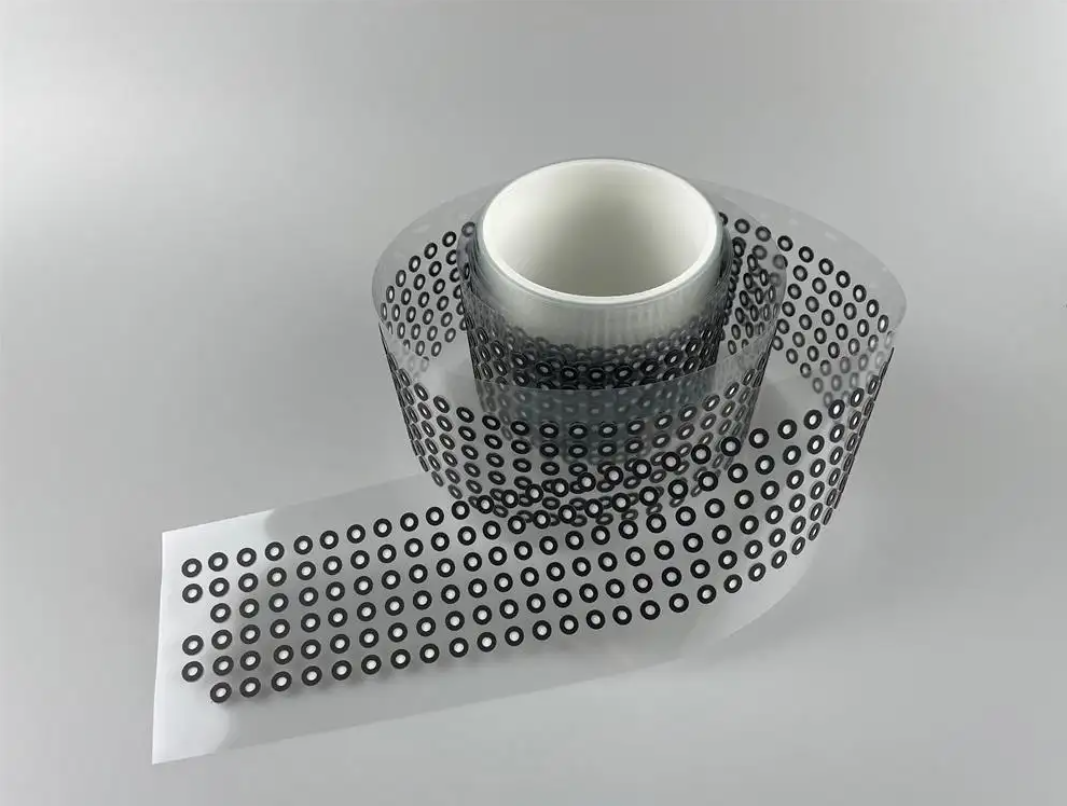
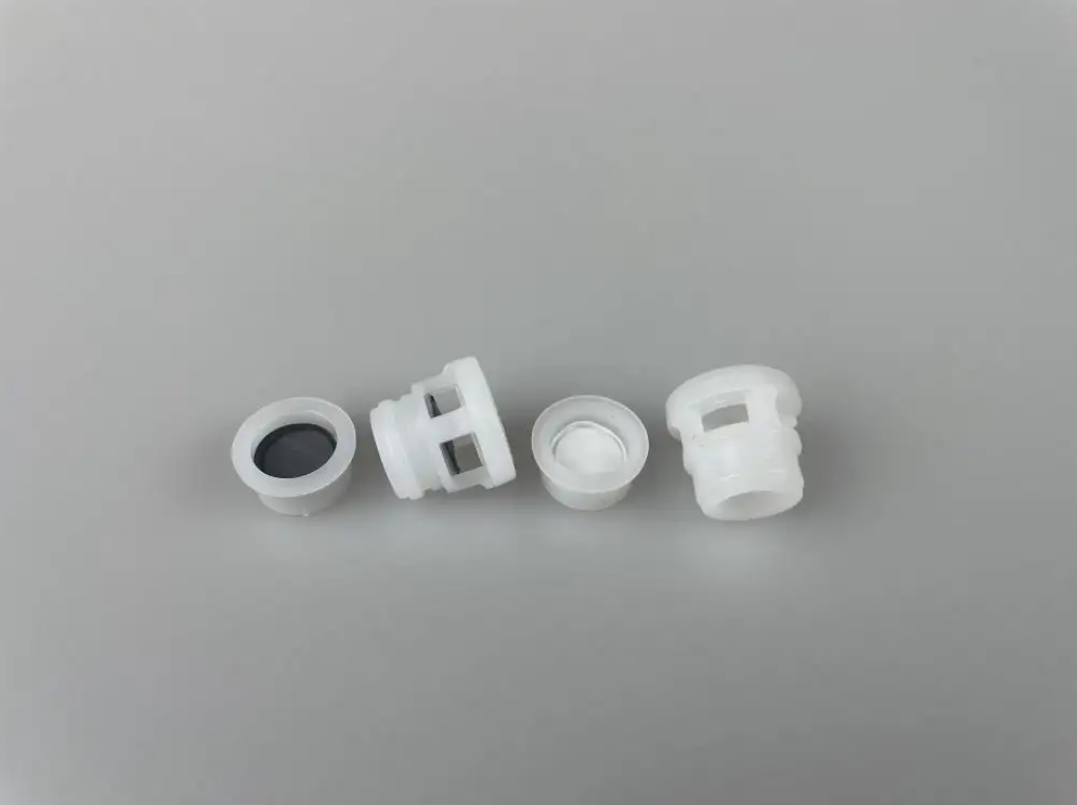
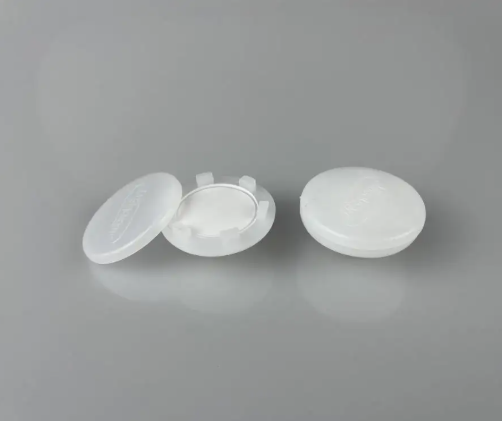
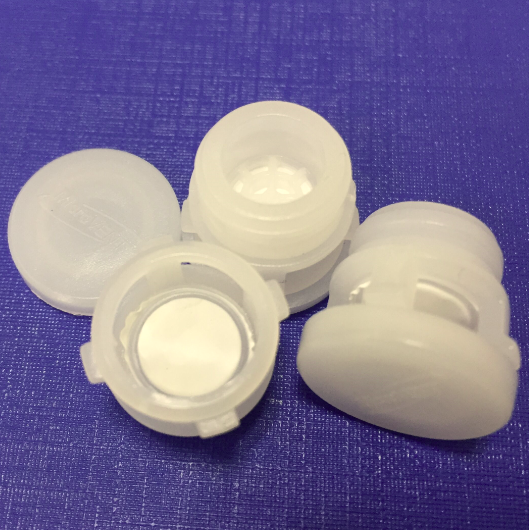
Oleophobic ePTFE represents a revolutionary advancement in membrane technology, combining the exceptional properties of expanded polytetrafluoroethylene with specialized surface treatments that repel oils and other hydrophobic substances. This innovative material demonstrates remarkable resistance to oil penetration while maintaining excellent breathability and chemical stability. The oleophobic ePTFE structure features microscopic pores that allow air and water vapor to pass through freely while blocking liquid oils, greases, and other contaminants from penetrating the membrane surface. The manufacturing process involves expanding PTFE into a porous matrix, followed by specialized coating applications that enhance the oil-repelling characteristics without compromising the material's inherent flexibility and durability. The unique microstructure of oleophobic ePTFE creates a barrier that effectively separates different phases of matter, making it invaluable in applications requiring selective permeability. This material maintains its oleophobic properties across wide temperature ranges, from cryogenic conditions to elevated temperatures exceeding 200 degrees Celsius. The chemical inertness of the PTFE backbone ensures long-term stability when exposed to aggressive chemicals, solvents, and industrial fluids. Industries utilizing oleophobic ePTFE benefit from its exceptional filtration capabilities, particularly in environments where oil contamination poses significant operational challenges. The membrane's hydrophobic nature complements its oleophobic properties, creating a comprehensive barrier against multiple liquid phases while permitting gas exchange. Applications span across automotive, aerospace, industrial filtration, protective clothing, and environmental remediation sectors. The material's biocompatibility makes it suitable for medical applications where oil resistance and breathability are critical requirements. Manufacturing facilities producing oleophobic ePTFE employ stringent quality control measures to ensure consistent pore size distribution and surface treatment uniformity, guaranteeing reliable performance across diverse operating conditions and extending service life significantly beyond conventional alternatives.

New Product Releases

Oleophobic ePTFE delivers superior performance benefits that translate directly into operational cost savings and enhanced system reliability for end users. The material's outstanding oil resistance prevents fouling and contamination in critical applications, reducing maintenance frequency and extending equipment service intervals significantly. This translates to lower operational costs and improved system uptime for industrial facilities. The breathable nature of oleophobic ePTFE allows continuous air and moisture vapor transmission while blocking liquid penetration, preventing pressure buildup and condensation issues that commonly plague sealed systems. Users experience improved comfort and performance in protective garments made with oleophobic ePTFE, as the material maintains breathability without compromising protection against oil-based contaminants. The chemical stability of oleophobic ePTFE ensures consistent performance over extended periods, even when exposed to harsh industrial environments containing aggressive solvents and cleaning agents. This durability eliminates frequent replacement costs and reduces system downtime associated with membrane failures. The material's flexibility allows integration into complex geometries and dynamic applications without cracking or delamination, providing design engineers with unprecedented versatility. Temperature stability enables oleophobic ePTFE to function effectively across extreme temperature ranges, making it suitable for applications from arctic conditions to high-temperature industrial processes. The low surface energy of oleophobic ePTFE facilitates easy cleaning and maintenance, as contaminants do not adhere strongly to the surface, reducing cleaning time and chemical consumption. Filtration systems utilizing oleophobic ePTFE demonstrate higher throughput rates and longer filter life compared to conventional materials, resulting in improved process efficiency and reduced consumable costs. The material's biocompatibility opens opportunities in medical and food processing applications where traditional oil-resistant materials may not meet safety requirements. Environmental benefits include reduced waste generation due to extended service life and the material's recyclability, supporting corporate sustainability initiatives. The consistent pore structure of oleophobic ePTFE ensures predictable filtration performance, enabling precise process control and improved product quality in manufacturing applications.

Practical Tips

What Are the Different Types of MicroVENT®Acoustic Vents Available?

21

May

What Are the Different Types of MicroVENT®Acoustic Vents Available?

Understanding MicroVENT® Acoustic Vent Technology Core Principles of ePTFE Membrane Design The expanded Polytetrafluoroethylene (ePTFE) membrane is recognized for its remarkable porosity, making it an ideal material for acoustic vent application...
View More
How Do MicroVent Packaging Valves Help in prolonging Packaging lifetime?

21

May

How Do MicroVent Packaging Valves Help in prolonging Packaging lifetime?

Pressure Regulation in Packaging with MicroVent Valves Preventing Container Swelling and Bursting MicroVent valves are ingeniously designed to handle internal pressures within packaging, effectively reducing the risks associated with container defor...
View More
Are MicroVent®Packaging Valves Suitable for All Types of Packaging Materials?

21

May

Are MicroVent®Packaging Valves Suitable for All Types of Packaging Materials?

Understanding MicroVent® Packaging Valve Material Compatibility Key Properties of ePTFE Membrane Technology MicroVent® Packaging Valves make use of ePTFE membrane technology and are characterized by certain distinctive features that ren...
View More
What industries benefit most from MicroVENT®️ bolts and valves ?

28

Aug

What industries benefit most from MicroVENT®️ bolts and valves ?

Understanding the Revolutionary Impact of Advanced Pressure Relief Solutions In today's demanding industrial landscape, pressure management and safety control have become paramount concerns across multiple sectors. MicroVENT bolts and valves represen...
View More

Get a Free Quote

Our representative will contact you soon.
Email
Name
Company Name
Message
0/1000

oleophobic eptfe

Advanced Filtration Performance with Exceptional Oil Resistance

Advanced Filtration Performance with Exceptional Oil Resistance

The oleophobic ePTFE membrane delivers unparalleled filtration performance through its unique combination of microscopic pore structure and specialized surface chemistry that actively repels oil-based contaminants. This advanced filtration capability stems from the carefully controlled expansion process that creates a three-dimensional network of interconnected pores, typically ranging from 0.1 to 20 micrometers in diameter. The oleophobic surface treatment modifies the membrane's surface energy, creating a barrier that prevents oil droplets from wetting the surface while maintaining excellent permeability to gases and water vapor. This selective permeability enables oleophobic ePTFE to function as an effective separator in complex fluid systems where traditional filtration materials fail. Industrial applications benefit tremendously from this technology, particularly in metalworking operations where coolant mists and oil aerosols must be separated from air streams without impeding airflow. The membrane's ability to maintain consistent filtration efficiency over extended operating periods reduces the frequency of filter changes and associated maintenance costs. In automotive applications, oleophobic ePTFE membranes protect sensitive electronic components from oil contamination while allowing pressure equalization, preventing seal failures and extending component life. The material's resistance to oil absorption prevents pore clogging, a common problem with conventional filtration media that leads to decreased performance and premature failure. Laboratory testing demonstrates that oleophobic ePTFE maintains its oil-repelling properties even after prolonged exposure to various petroleum products, synthetic oils, and hydraulic fluids. The membrane's structure remains stable under cyclic loading conditions, making it ideal for dynamic applications where repeated flexing occurs. Quality control processes ensure that each batch of oleophobic ePTFE meets stringent specifications for pore size distribution, oil contact angle, and mechanical properties, guaranteeing consistent performance across different production runs and applications.
Superior Chemical Resistance and Temperature Stability

Superior Chemical Resistance and Temperature Stability

Oleophobic ePTFE exhibits exceptional chemical resistance that surpasses most polymer-based filtration materials, maintaining its structural integrity and functional properties when exposed to aggressive chemical environments. The fluoropolymer backbone provides inherent resistance to acids, bases, solvents, and oxidizing agents, while the oleophobic surface treatment remains stable under harsh chemical exposure. This chemical stability makes oleophobic ePTFE invaluable in chemical processing applications where membrane failure could result in costly contamination or safety hazards. The material demonstrates remarkable performance across temperature extremes, functioning effectively from cryogenic temperatures below minus 200 degrees Celsius to elevated temperatures exceeding 250 degrees Celsius without degradation of its oleophobic properties. This temperature stability enables applications in demanding environments such as aerospace systems, where components must perform reliably across wide temperature variations. The thermal expansion characteristics of oleophobic ePTFE are well-controlled, preventing dimensional changes that could compromise seal integrity or filtration performance. Chemical resistance testing confirms that oleophobic ePTFE maintains its mechanical properties and oleophobic characteristics after exposure to common industrial chemicals including methylene chloride, acetone, toluene, and various acids and bases. The material's resistance to UV radiation ensures long-term outdoor performance without degradation, making it suitable for environmental applications and outdoor equipment protection. Sterilization compatibility allows oleophobic ePTFE to withstand gamma radiation, ethylene oxide, and steam sterilization processes without losing functionality, expanding its applicability in medical and pharmaceutical industries. The combination of chemical and temperature resistance enables oleophobic ePTFE to function in multi-stage industrial processes where materials encounter sequential exposure to different chemicals and temperature conditions. This durability translates to reduced replacement costs and improved process reliability, particularly in continuous manufacturing operations where unplanned downtime is extremely costly.
Versatile Applications Across Multiple Industries

Versatile Applications Across Multiple Industries

The versatility of oleophobic ePTFE enables its successful implementation across diverse industries, from automotive and aerospace to medical devices and environmental protection systems. In automotive applications, oleophobic ePTFE membranes serve as protective barriers in electronic control units, preventing oil contamination while allowing pressure equalization to prevent moisture condensation and component failure. The material's flexibility accommodates the vibration and thermal cycling common in automotive environments without compromising performance. Aerospace applications leverage the lightweight nature and temperature stability of oleophobic ePTFE in fuel system components, hydraulic system filters, and environmental control systems where oil separation is critical for safety and performance. The material's ability to maintain functionality in the extreme conditions encountered in aerospace applications, including rapid pressure changes and temperature variations, makes it indispensable for mission-critical systems. Medical device manufacturers utilize oleophobic ePTFE in applications requiring biocompatibility combined with oil resistance, such as surgical equipment protection and pharmaceutical processing equipment. The material's sterilization compatibility and non-toxic nature ensure patient safety while providing reliable barrier properties. Industrial filtration systems across chemical processing, petrochemical, and manufacturing industries benefit from oleophobic ePTFE's ability to separate oil aerosols and mists from gas streams, improving air quality and recovering valuable materials that would otherwise be lost. Environmental applications include oil spill remediation systems where oleophobic ePTFE membranes selectively separate oil from water, contributing to environmental protection efforts. The food processing industry employs oleophobic ePTFE in applications where oil-resistant, food-safe barriers are required, such as in packaging equipment and processing line protection. Protective clothing manufacturers integrate oleophobic ePTFE into garments for workers in oil-rich environments, providing protection while maintaining breathability and comfort. The material's adaptability to various manufacturing processes, including lamination, welding, and mechanical assembly, enables its integration into complex multi-component systems across these diverse applications.

Get a Free Quote

Our representative will contact you soon.
Email
Name
Company Name
Message
0/1000