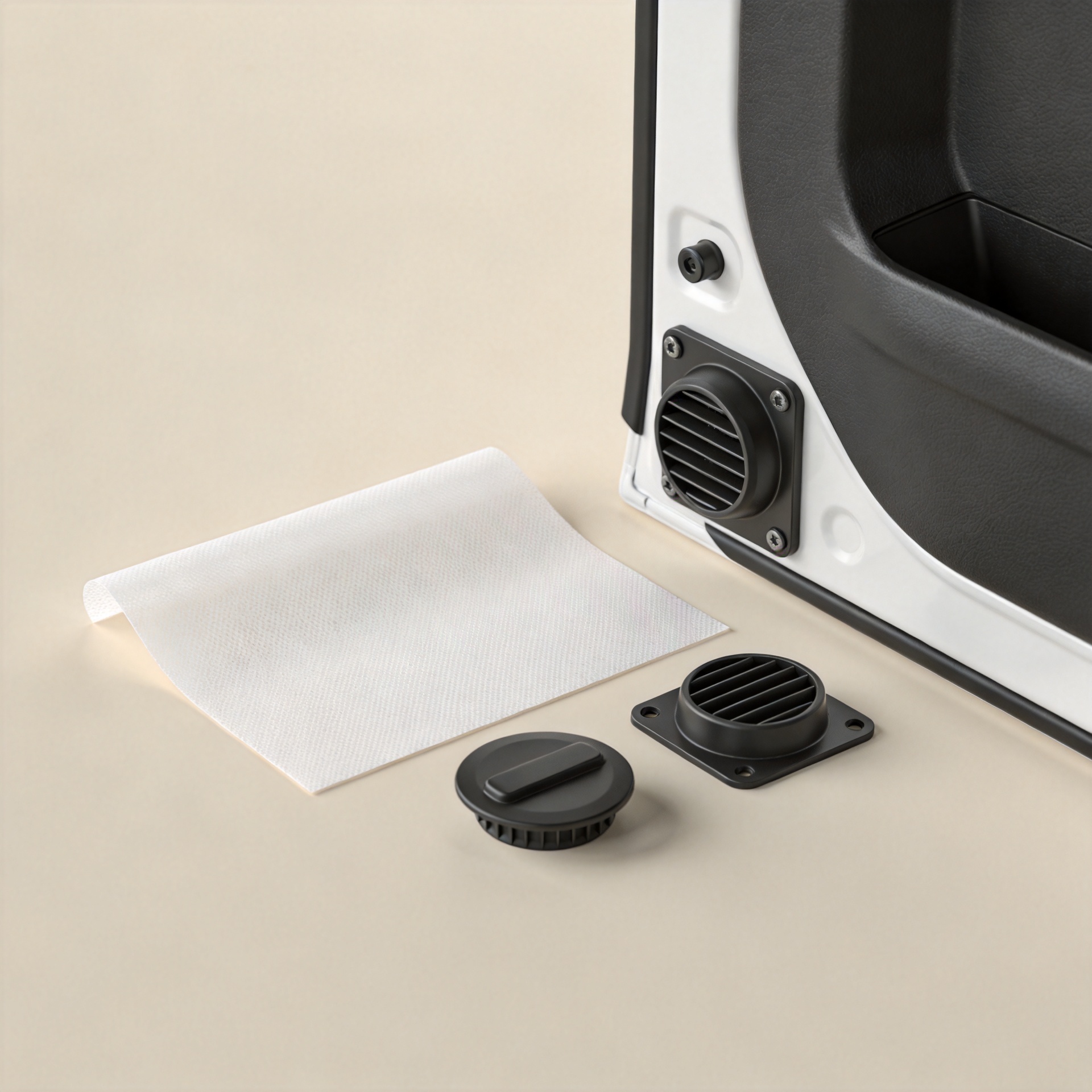
Start With the Part
An automotive ePTFE membrane review starts with the part. Name the part. Show the case. Mark the vent area. State what the part must do. This gives the team a sound start.
Automotive ePTFE membrane work is about the full assembly. It is not just about a sheet of material. The case shape matters. The seal line matters. The air path matters. The mount method matters.
Ask what is inside the case. Ask what is outside it. Ask how the part is made. Ask how it is used. These simple facts guide the automotive ePTFE membrane review. They also guide the automotive ePTFE membrane brief.
Set Out the Use Conditions
An automotive ePTFE membrane may be reviewed where heat and pressure change. Water, dust, dirt, oil, or moisture may also be part of the brief. List each item. Do not turn a concern into a claim.
Automotive ePTFE membrane choices need clear use facts. Note the type of fluid or dirt. Note how long contact may last. Note the heat range if it is known. Note pressure changes if they are known.
- State the part name and its use.
- State the space for the vent.
- State the mount side and mount path.
- State the media near the case.
- State the heat and pressure concerns.
These notes help keep the review clear. They also show what still needs proof. A short list is better than a broad claim. The automotive ePTFE membrane brief should retain open questions.
Look at the Mount Method
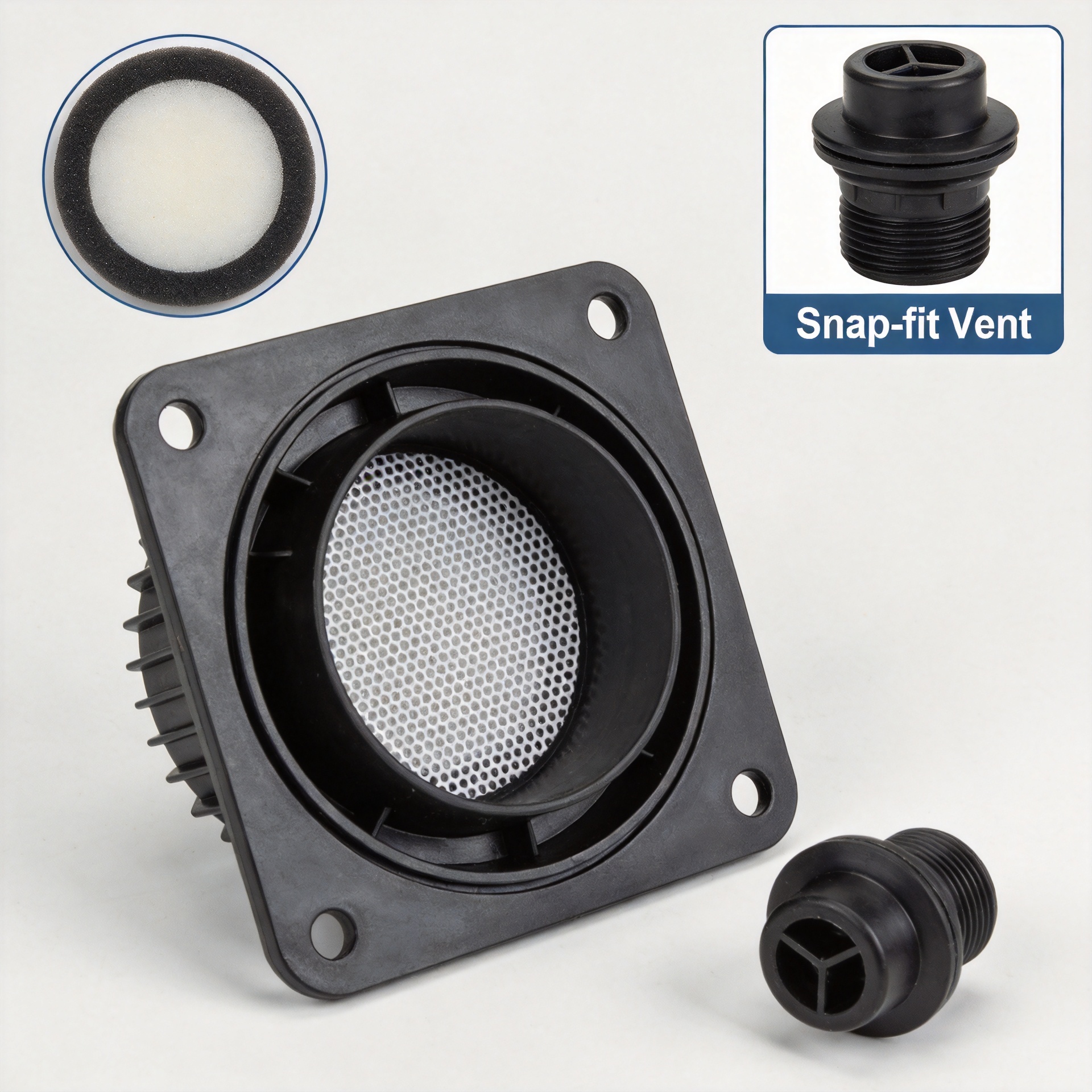
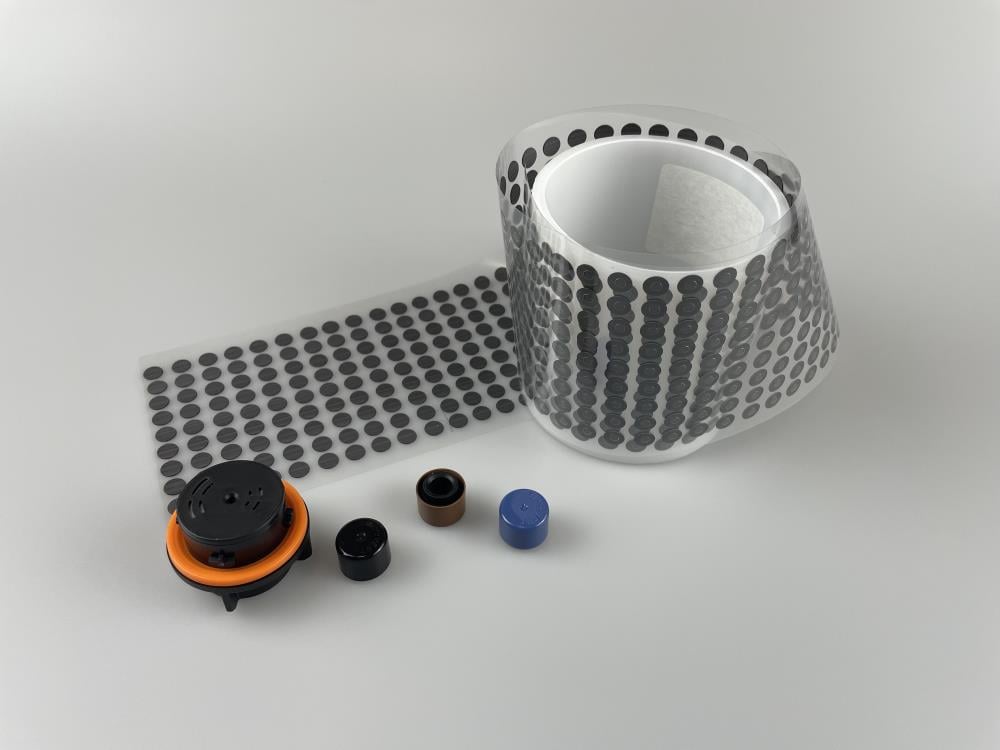
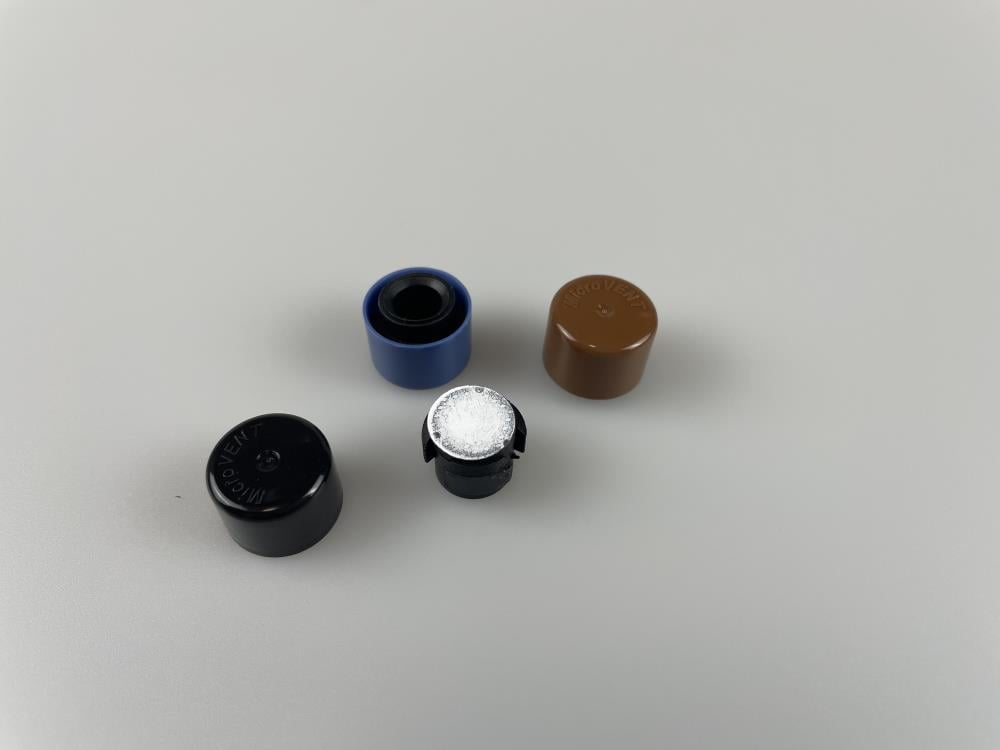
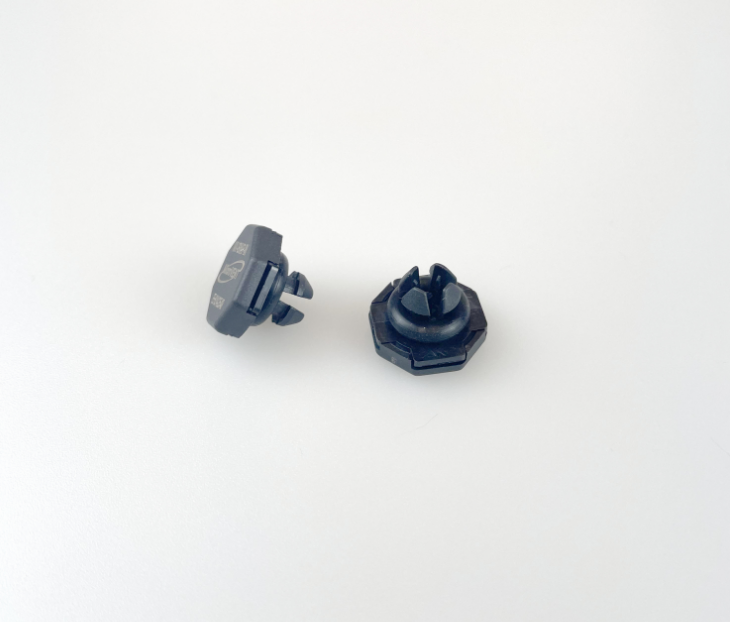
An automotive ePTFE membrane can be used in a design discussion with a vent membrane, vent plug, or Snap-fit Vent. The right path depends on the part design. Check the drawing first.
Automotive ePTFE membrane format is only one choice. A membrane format can lead to questions about its mount area. A vent plug can lead to questions about the opening. A Snap-fit Vent can lead to questions about the fit feature.
Automotive ePTFE membrane review should include the build step. Can the part be reached during build? Is the mount surface clear? Does the case shape leave room for the selected format? These are useful project questions.
Automotive ePTFE membrane planning should also show the air route. Mark where air moves. Mark where the vent sits. Then check the path with the case design. This avoids a gap between the part drawing and the vent choice.
Automotive ePTFE membrane project notes should name the mount method. They should name the fit limit. They should name the air path. This makes later review easier.
Use Product Facts With Care
Automotive ePTFE membrane content should separate known facts from items to check. MicroVENT describes work in ePTFE technology. Its profile also names composite, laminated, and surface-modification approaches. Those facts give context. They do not prove a result for every use.
Automotive ePTFE membrane projects need the right records. Ask for the product data that fits the part. Ask for drawing review where it is needed. Ask what validation facts apply to the stated use. Keep open items open until they are checked.
Automotive ePTFE membrane language should stay plain. Say what the project needs. Say what the drawing shows. Say what the team wants to check. This keeps the review useful and fair.
Automotive ePTFE membrane records can also list unknown facts. The list can name what needs review. It can name who will check it. This is a useful way to prepare the next step.
Compare the Available Directions
An automotive ePTFE membrane can be part of a vent membrane discussion. This may focus on placement and the mount area. The team should check the surface and the space around it.
Automotive ePTFE membrane work can also lead to a vent plug discussion. This may focus on the hole shape, seat, and build access. The part drawing should show these details.
Automotive ePTFE membrane work can also lead to a Snap-fit Vent discussion. This may focus on the fit feature and the way the part is put together. Check the feature with the use case.
Automotive ePTFE membrane selection has no one short rule. The part and its use set the rule. A clear brief makes it easier to compare the three directions on the same terms.
Automotive ePTFE membrane review should compare each direction with the same drawing. It should compare the same use facts. It should also show where more facts are needed.
Send a Clear Project Brief
An automotive ePTFE membrane inquiry can be simple. Give the part name. Give the use case. Give the drawing or key size. Give the mount idea. Give the media and the main concern.
Automotive ePTFE membrane review can then begin with the real part. The team can discuss the membrane, vent plug, or Snap-fit Vent direction. It can also state which facts need more review. This is a useful next step for a new or changed vehicle component.
Automotive ePTFE membrane projects work best when the brief is clear. Start with the case. State the use. Show the mount. Then ask for a project-specific discussion. The automotive ePTFE membrane inquiry should include the facts that matter most.
 EN
 AR
 CS
 FR
 DE
 IT
 JA
 KO
 PT
 RU
 ES
 ID
 VI
 TH
 TR
 MS