Unmatched Chemical and Thermal Resistance
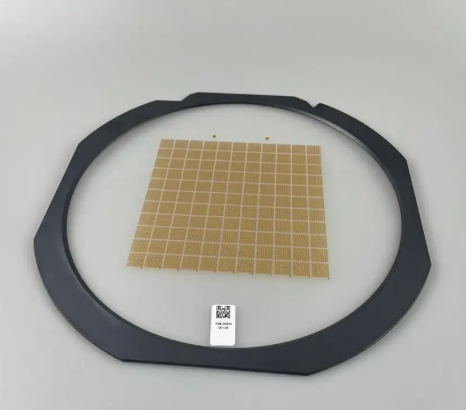
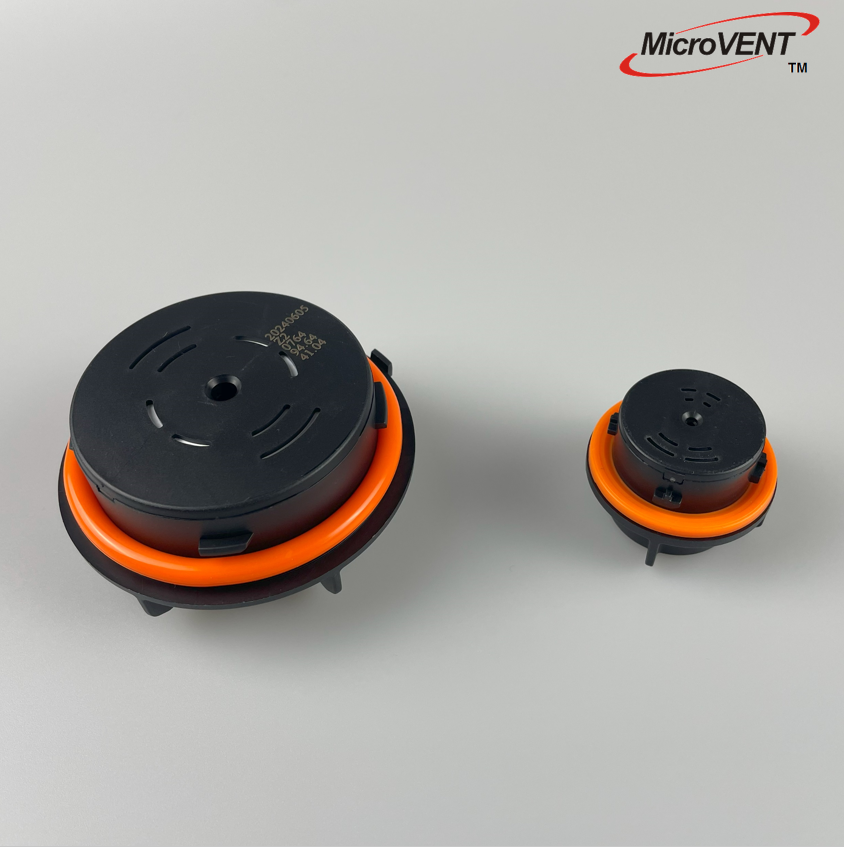
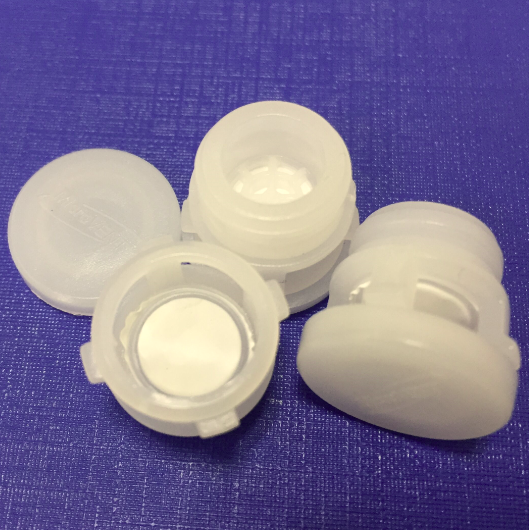
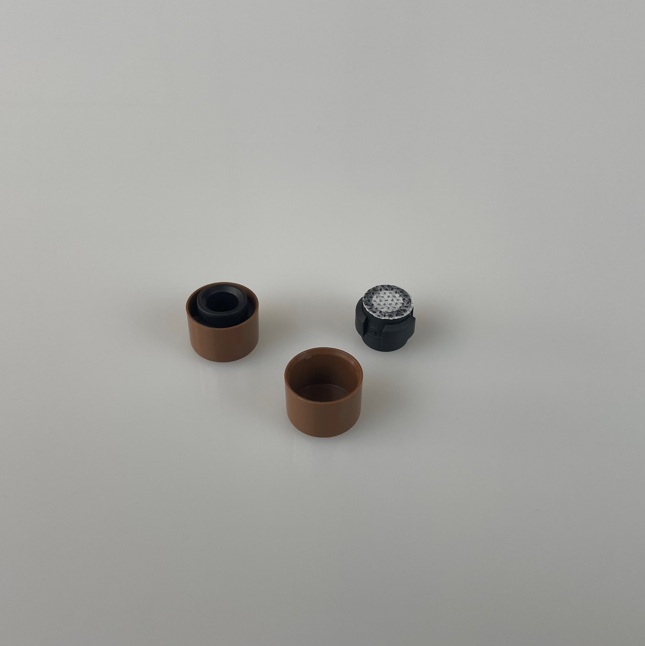
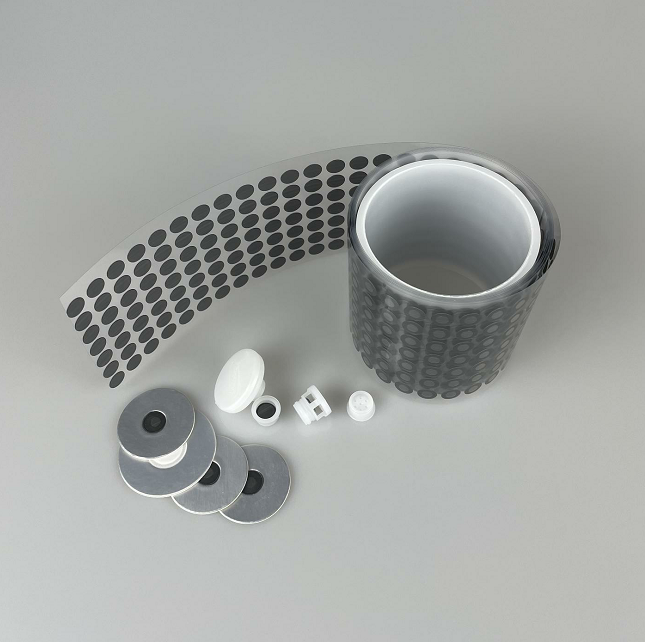
The eptfe porous membrane stands out in the marketplace due to its exceptional chemical and thermal resistance properties, offering unparalleled performance in the most demanding industrial environments. This remarkable characteristic stems from the unique molecular structure of expanded PTFE, which creates an inert surface that resists attack from virtually all chemicals, acids, bases, and organic solvents. The membrane maintains its structural integrity and filtration properties when exposed to concentrated sulfuric acid, hydrochloric acid, sodium hydroxide, and aggressive organic compounds that would quickly degrade conventional filtration materials. This chemical inertness translates directly into extended service life and reduced replacement costs for industrial users. The thermal resistance of the eptfe porous membrane extends from cryogenic temperatures of -200°C to continuous operating temperatures of +260°C, with short-term exposure capability up to +300°C. This temperature range far exceeds the capabilities of most polymeric materials, enabling use in high-temperature applications such as automotive exhaust filtration, industrial process streams, and aerospace applications. The combination of chemical and thermal resistance creates synergistic benefits, as the membrane maintains its chemical inertness even at elevated temperatures where other materials might undergo chemical reactions or degradation. For end users, this translates into reliable performance across seasonal temperature variations, process upsets, and emergency conditions where temperatures might exceed normal operating ranges. The eptfe porous membrane does not emit toxic fumes or undergo decomposition when exposed to high temperatures, ensuring safe operation in occupied spaces and environmentally sensitive locations. Industries such as chemical processing, petrochemical refining, and pharmaceutical manufacturing particularly benefit from these properties, as they can implement single filtration solutions across multiple process streams with varying chemical compositions and temperatures. The economic impact includes reduced inventory requirements, simplified maintenance procedures, and elimination of material compatibility concerns that plague multi-material filtration systems.
 EN
EN
 AR
AR
 CS
CS
 FR
FR
 DE
DE
 IT
IT
 JA
JA
 KO
KO
 PT
PT
 RU
RU
 ES
ES
 ID
ID
 VI
VI
 TH
TH
 TR
TR
 MS
MS