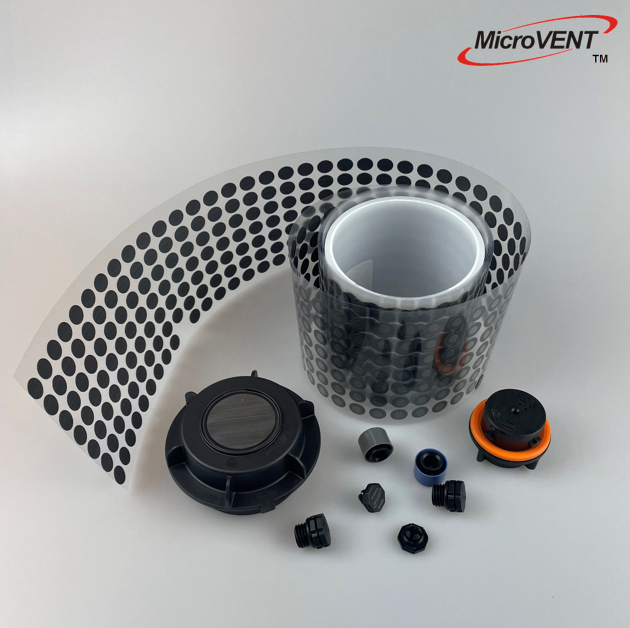
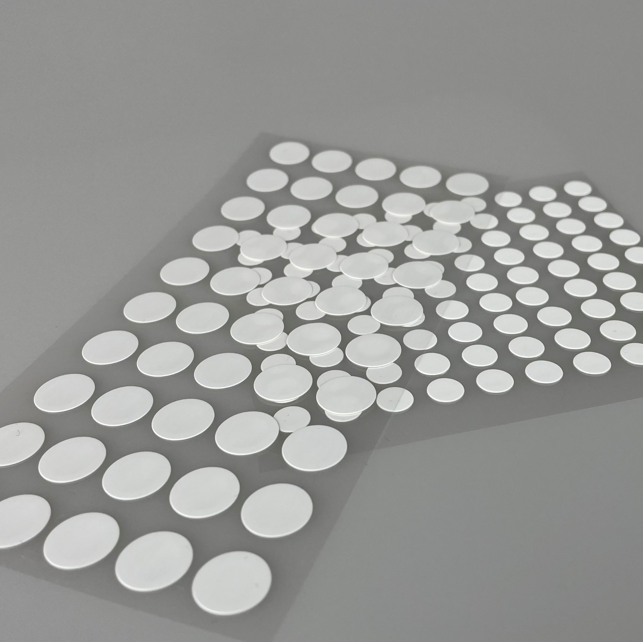
Air Release Membrane Technology: Advanced Degassing Solutions for Industrial Applications

All Categories

Get a Free Quote

Our representative will contact you soon.
Email
Name
Company Name
Message
0/1000

air release membrane

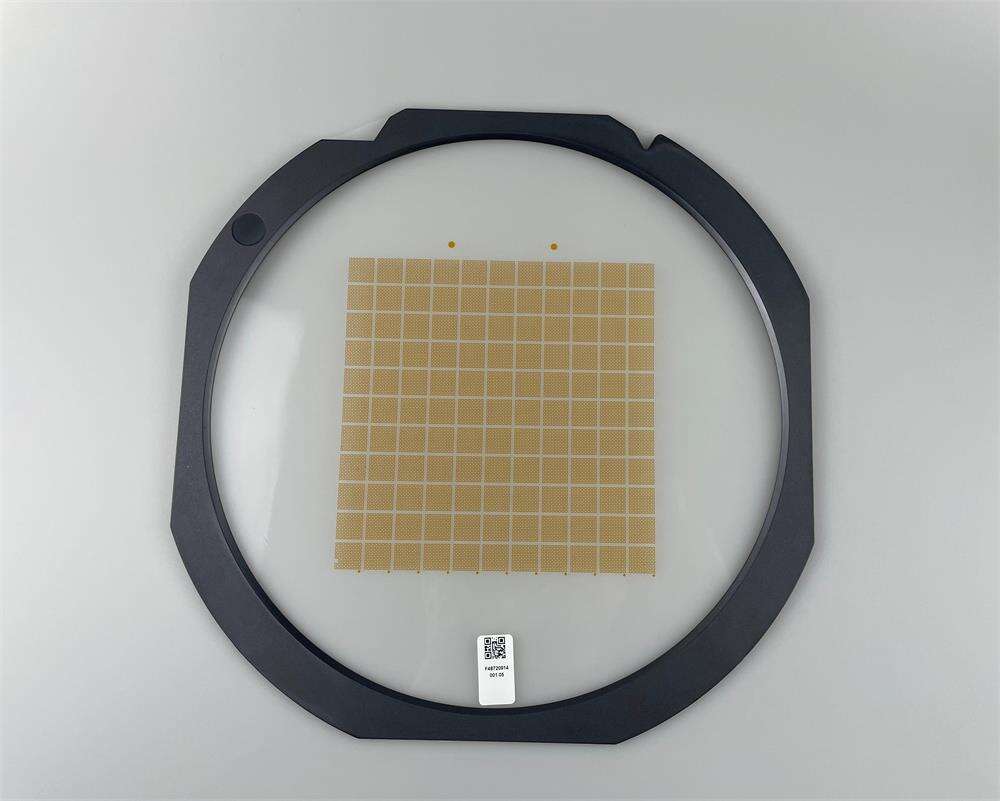
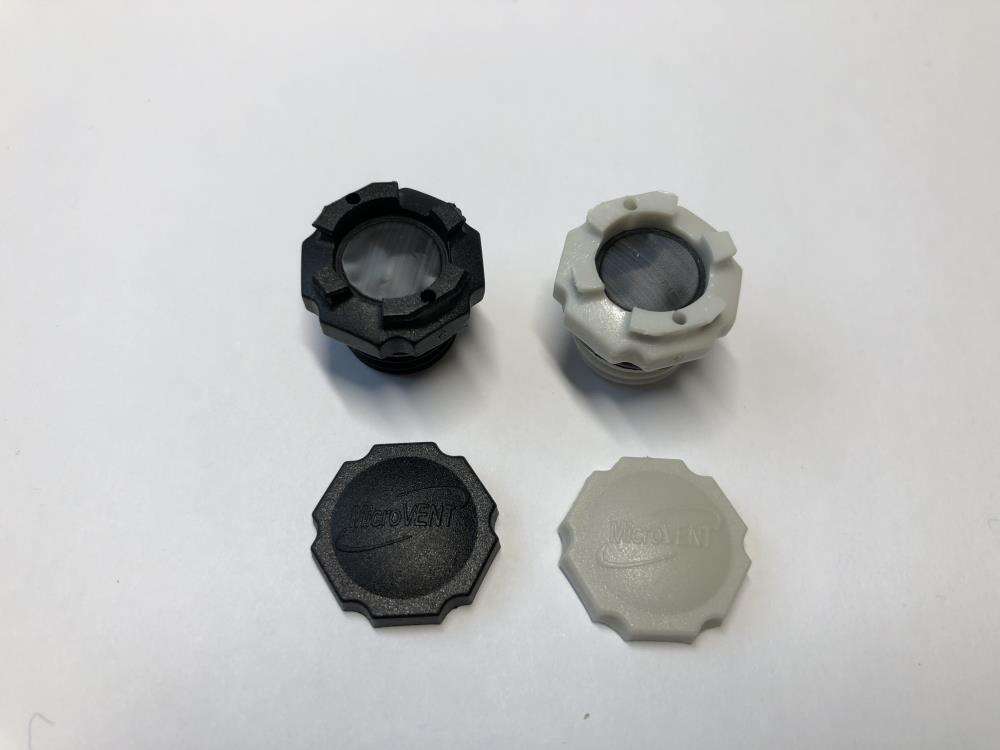
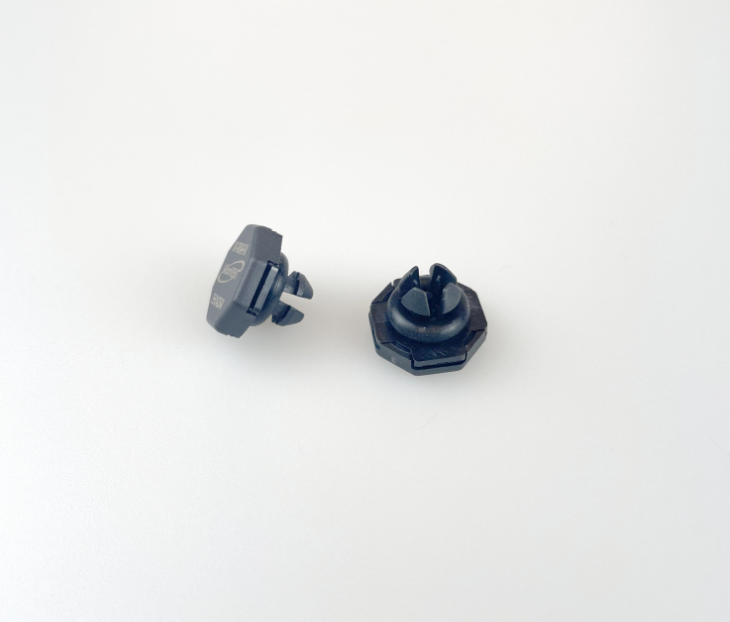
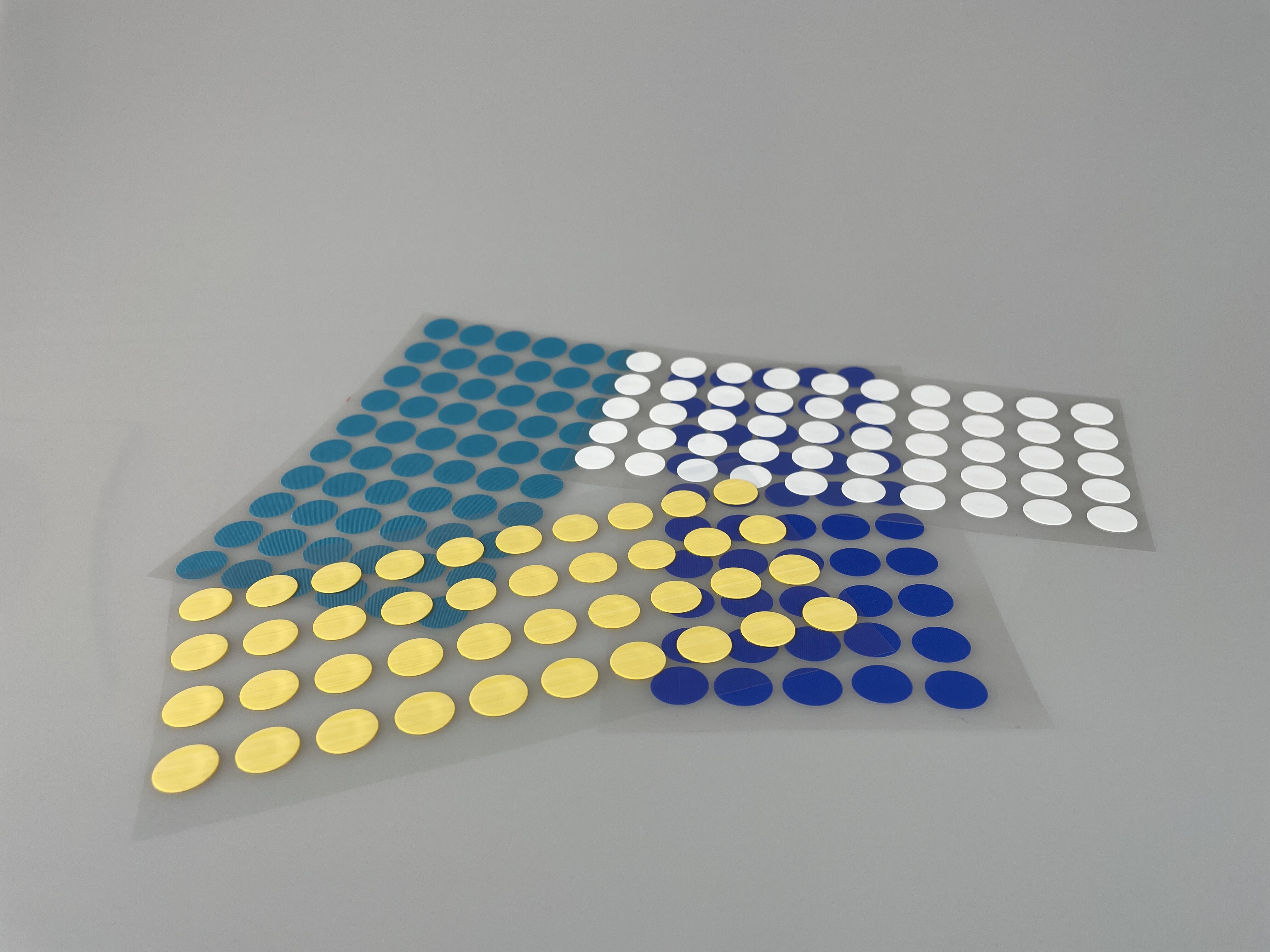
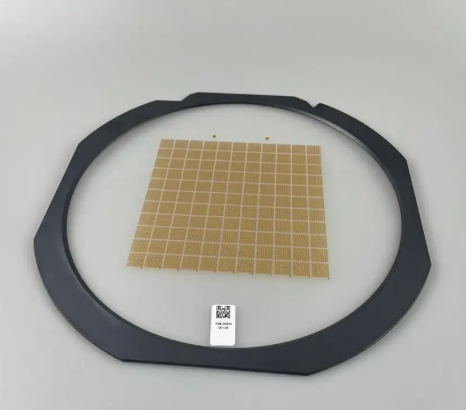
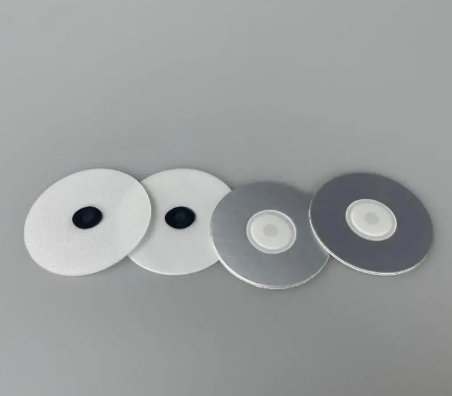
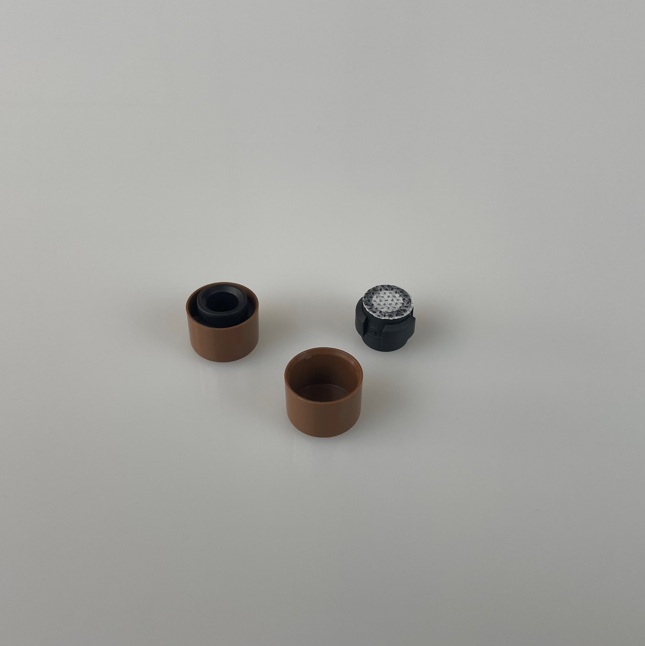
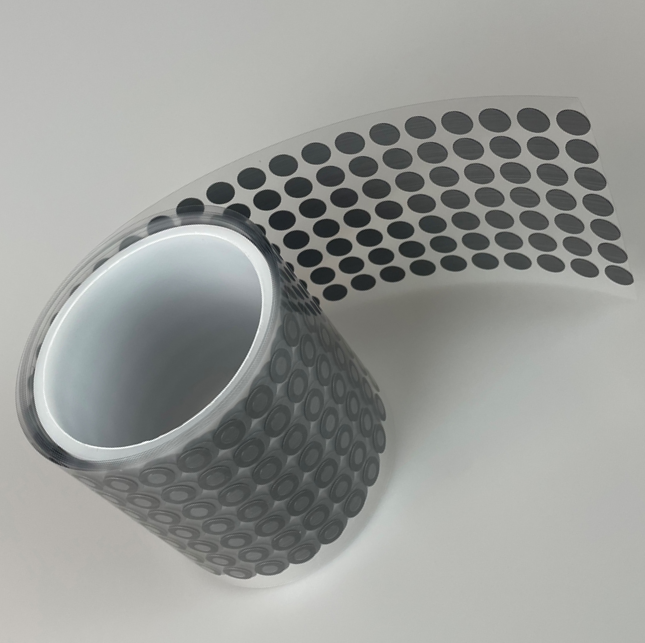
The air release membrane represents a sophisticated filtration technology designed to facilitate controlled gas separation while maintaining optimal system performance across diverse industrial applications. This innovative membrane technology operates through selective permeability principles, allowing targeted gases to pass through while effectively retaining desired substances on the opposing side. The primary function of an air release membrane centers on degassing operations, where dissolved gases must be removed from liquid systems to prevent operational complications and maintain product quality standards. These membranes utilize advanced microporous structures that create pathways for gas molecules while blocking larger particles and liquid components. The technological foundation relies on material science innovations that produce consistent pore sizes and distribution patterns, ensuring reliable performance under varying operational conditions. Air release membranes find extensive use in pharmaceutical manufacturing, where sterile filtration processes require precise gas removal without compromising product integrity. Additionally, these membranes serve critical roles in biotechnology applications, laboratory equipment, analytical instruments, and industrial processing systems where gas contamination poses significant challenges. The membrane construction typically involves specialized polymeric materials engineered to withstand chemical exposure, temperature variations, and mechanical stress while maintaining structural integrity over extended operational periods. Modern air release membrane designs incorporate hydrophobic properties that prevent liquid breakthrough while maximizing gas permeability rates. Installation flexibility allows integration into existing systems with minimal modifications, making these membranes attractive solutions for retrofit applications and new system designs. Performance characteristics include consistent flow rates, predictable pressure differentials, and reliable long-term stability that reduces maintenance requirements and operational costs.

Popular Products

Air release membranes deliver substantial operational benefits that directly impact system efficiency and cost-effectiveness for users across multiple industries. These membranes eliminate the need for complex vacuum systems traditionally required for degassing operations, significantly reducing equipment costs and simplifying system designs. The elimination of mechanical pumps and associated hardware translates to lower initial capital investments and reduced ongoing maintenance expenses. Energy consumption decreases dramatically compared to conventional degassing methods, as air release membranes operate passively without requiring external power sources for basic functionality. This energy efficiency contributes to sustainable operations and lower utility costs over the membrane's operational lifetime. Installation procedures remain straightforward, allowing technical personnel to integrate these membranes into existing systems without extensive modifications or specialized expertise. The compact design footprint enables installation in space-constrained environments where traditional degassing equipment cannot fit effectively. Operational reliability increases substantially due to the absence of moving parts that typically require regular maintenance and eventual replacement in mechanical systems. Air release membranes maintain consistent performance characteristics over extended periods, reducing unexpected downtime and associated productivity losses. The selective permeability properties ensure precise control over gas removal rates while preserving liquid product integrity and composition. Quality control benefits emerge from the membrane's ability to remove dissolved gases that could interfere with analytical measurements or product stability. Contamination risks decrease significantly because the membrane barrier prevents external contaminants from entering the system while allowing controlled gas exchange. Flexibility in application allows users to customize membrane configurations for specific operational requirements and system constraints. The technology adapts easily to varying flow rates, pressure conditions, and temperature ranges commonly encountered in industrial processes. Long-term cost savings accumulate through reduced maintenance schedules, eliminated pump replacements, lower energy consumption, and improved product quality consistency. These economic advantages make air release membranes attractive investments for organizations seeking to optimize operational efficiency while controlling expenses.

Tips And Tricks

Why packaging Industries Benefit the Most from Using MicroVent®Packaging Valves?

21

May

Why packaging Industries Benefit the Most from Using MicroVent®Packaging Valves?

The Critical Role of Packaging Valves in Industrial Efficiency How Valve Technology Impacts Product Integrity Valve technology plays an essential role in maintaining product integrity, ensuring safety and quality during storage and transportation. A...
View More
How Does a Vent PE Liner Improve Packaging Performance?

21

May

How Does a Vent PE Liner Improve Packaging Performance?

Understanding the Role of Vent PE Liners in Packaging What Are Vent PE Liners? Vent PE Liner Incorporates a unique form of packaging to improve performance by allowing reverse gas exchange but keeping out contaminants. They are unlike older lin...
View More
What Are the Benefits of Using MicroVENT® screw-in vent bolt for vehicle lamps and LED ?

18

Jul

What Are the Benefits of Using MicroVENT® screw-in vent bolt for vehicle lamps and LED ?

Enhancing Vehicle Lamp Durability with MicroVENT® Screw-in Vent Bolts Vehicle lamps and LED systems are vital components that ensure safety and visibility on the road so it is necessary to use high quality screw-in vent bolt. The longevity and p...
View More
How to Install a MicroVENT®️ Vent ePTFE Membrane for Acoustic Applications

28

Aug

How to Install a MicroVENT®️ Vent ePTFE Membrane for Acoustic Applications

Essential Guide to Acoustic Membrane Installation The installation of a MicroVENT vent ePTFE membrane represents a crucial step in optimizing acoustic performance while maintaining proper pressure equalization in electronic devices. This comprehensiv...
View More

Get a Free Quote

Our representative will contact you soon.
Email
Name
Company Name
Message
0/1000

air release membrane

Superior Degassing Performance with Zero Energy Consumption

Superior Degassing Performance with Zero Energy Consumption

The air release membrane achieves exceptional degassing performance through its innovative passive operation design that requires absolutely no external energy input to function effectively. This remarkable capability stems from the membrane's specialized microporous structure that creates a natural pressure differential allowing dissolved gases to escape from liquid systems without any mechanical assistance. Unlike traditional degassing methods that rely on energy-intensive vacuum pumps or mechanical devices, the air release membrane operates continuously using only the natural pressure differences present in the system. This passive operation translates to immediate and ongoing energy cost savings that compound over the membrane's operational lifetime. Organizations implementing these membranes typically observe significant reductions in their electrical consumption, contributing to both environmental sustainability goals and operational cost management objectives. The membrane's ability to maintain consistent degassing performance regardless of power fluctuations or electrical supply issues enhances system reliability and reduces vulnerability to external factors. Manufacturing facilities benefit particularly from this energy independence, as production processes continue uninterrupted even during power management situations or electrical maintenance periods. The absence of energy requirements also simplifies system integration, eliminating the need for electrical connections, control systems, or backup power provisions typically associated with active degassing equipment. Installation flexibility increases substantially when energy requirements are removed from the equation, allowing placement in remote locations or areas where electrical infrastructure is limited or unavailable. Maintenance complexity decreases dramatically without electrical components, motors, or control systems that require regular inspection and eventual replacement. The technology's environmental impact remains minimal due to zero operational energy consumption, supporting corporate sustainability initiatives and regulatory compliance requirements. Long-term operational costs remain predictably low because energy price fluctuations cannot affect the membrane's operating expenses, providing financial planning advantages for budget-conscious organizations seeking stable operational costs.
Chemical Resistance and Extended Operational Lifespan

Chemical Resistance and Extended Operational Lifespan

Air release membranes demonstrate exceptional chemical resistance capabilities that enable reliable operation in harsh industrial environments where conventional degassing equipment would quickly deteriorate or fail completely. The advanced polymeric materials used in membrane construction undergo rigorous chemical compatibility testing to ensure resistance against acids, bases, solvents, and other aggressive chemicals commonly encountered in industrial processes. This chemical stability prevents membrane degradation that could compromise performance or lead to unexpected system failures requiring costly emergency repairs or replacements. The extended operational lifespan results from careful material selection and manufacturing processes that create membranes capable of withstanding prolonged exposure to challenging chemical environments without significant performance deterioration. Users benefit from predictable replacement schedules that allow for planned maintenance activities rather than reactive emergency responses that disrupt production schedules and increase costs. The membrane's resistance to chemical attack ensures consistent pore structure integrity over time, maintaining stable gas permeability rates and preventing the gradual performance decline common with less robust filtration technologies. Industrial applications involving pharmaceuticals, biotechnology, chemical processing, and analytical instrumentation particularly benefit from this chemical resistance, as these sectors frequently work with substances that would quickly damage conventional materials. Quality assurance improves because chemical-resistant membranes prevent leaching or contamination that could compromise product purity or analytical accuracy. The stable chemical properties also prevent unwanted reactions between the membrane material and process fluids that could generate harmful byproducts or alter product compositions. Regulatory compliance becomes more straightforward when using chemically stable membranes, as validation processes can rely on consistent material properties without concerns about gradual chemical changes affecting system performance. Cost-effectiveness increases substantially due to extended replacement intervals and reduced maintenance requirements associated with chemically resistant construction. The technology's ability to maintain performance in demanding environments reduces the total cost of ownership while improving operational reliability and system uptime across diverse industrial applications.
Precise Flow Control and System Integration Flexibility

Precise Flow Control and System Integration Flexibility

The air release membrane provides unprecedented precision in flow control capabilities, allowing operators to fine-tune degassing rates according to specific process requirements and system constraints. This level of control stems from the membrane's engineered pore structure that creates predictable gas permeability characteristics under various operating conditions. Unlike mechanical systems that often exhibit variable performance based on wear patterns or mechanical tolerances, air release membranes maintain consistent flow characteristics throughout their operational lifetime. The precision control enables optimization of degassing processes for different applications, whether requiring rapid gas removal for high-throughput operations or gentle degassing for sensitive analytical procedures. System integration flexibility represents another significant advantage, as these membranes adapt easily to existing infrastructure without requiring substantial modifications or specialized installation procedures. The compact design allows installation in tight spaces where traditional degassing equipment cannot fit effectively, expanding application possibilities in space-constrained environments. Multiple membrane configurations accommodate varying system requirements, from single-point degassing solutions to distributed networks handling complex multi-stream operations. The technology integrates seamlessly with automated control systems, allowing remote monitoring and adjustment of degassing parameters without manual intervention. This automation capability enhances operational efficiency while reducing labor requirements associated with manual system monitoring and adjustment. Scalability advantages emerge from the membrane's modular design approach, enabling users to expand degassing capacity by adding additional membrane units rather than replacing entire systems. The flexibility extends to temperature and pressure ranges, as air release membranes operate effectively across broad operational windows commonly encountered in industrial applications. Installation versatility allows vertical, horizontal, or angled mounting orientations to accommodate specific space constraints or flow requirements. The technology's compatibility with various connection standards and fitting types simplifies integration with existing piping systems and reduces installation complexity. Quality control benefits from the precise and repeatable degassing performance that eliminates variability associated with mechanical systems, ensuring consistent product quality and analytical accuracy across all operational conditions.

Get a Free Quote

Our representative will contact you soon.
Email
Name
Company Name
Message
0/1000