Exceptional Chemical and Thermal Resistance
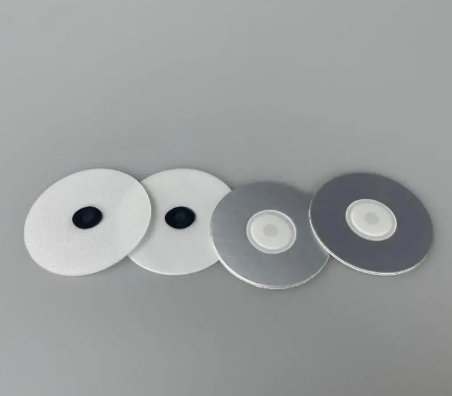
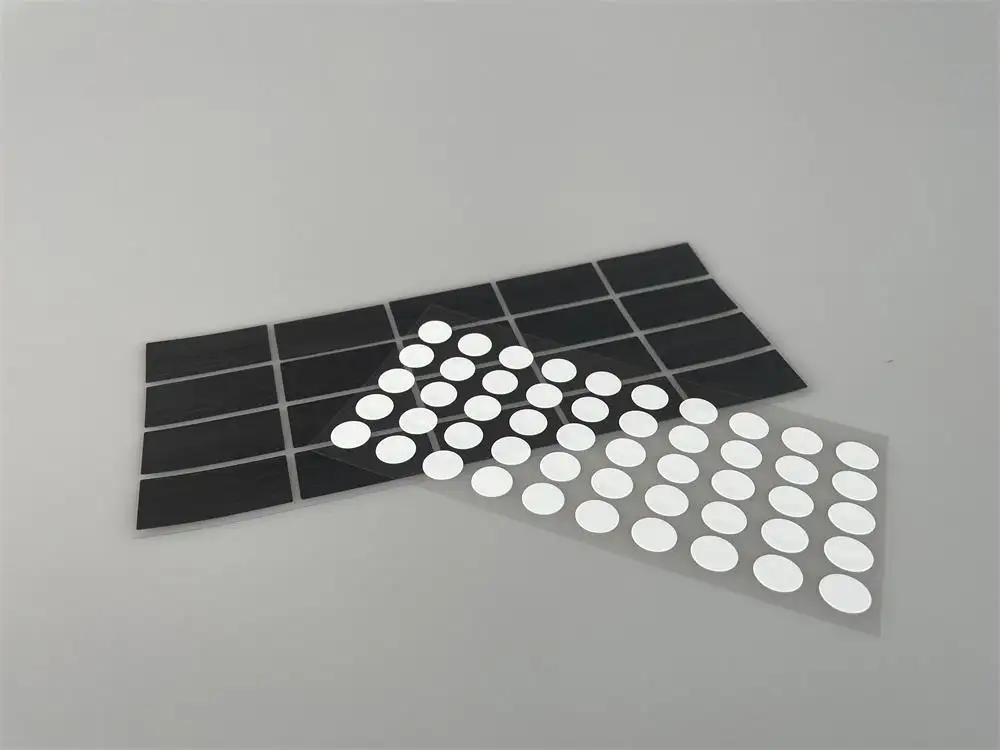
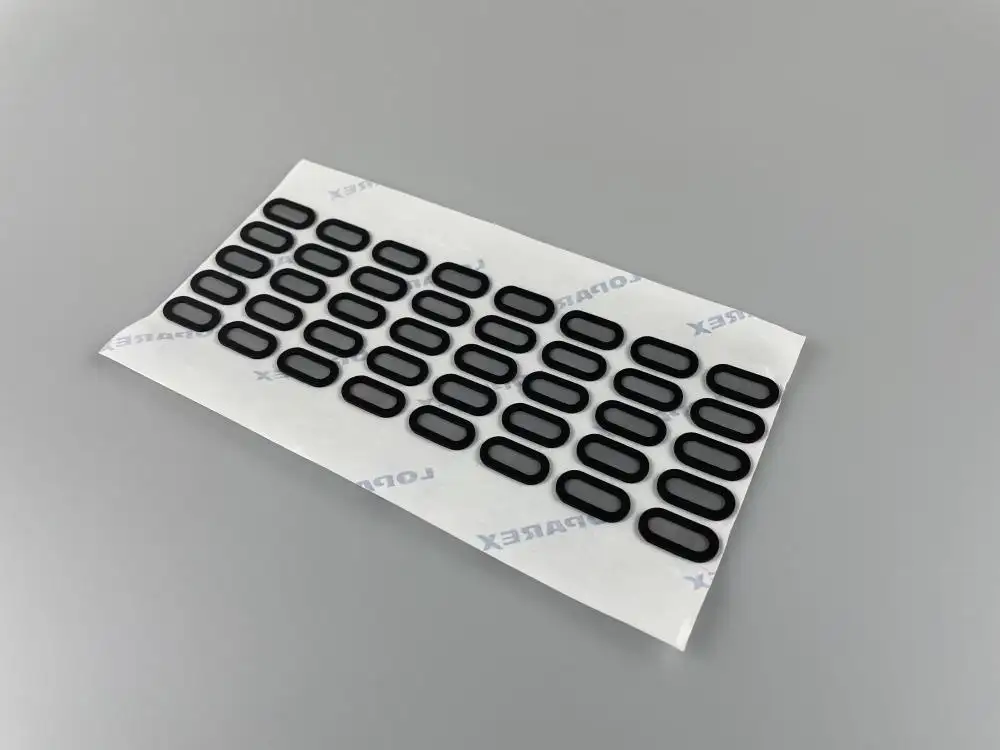
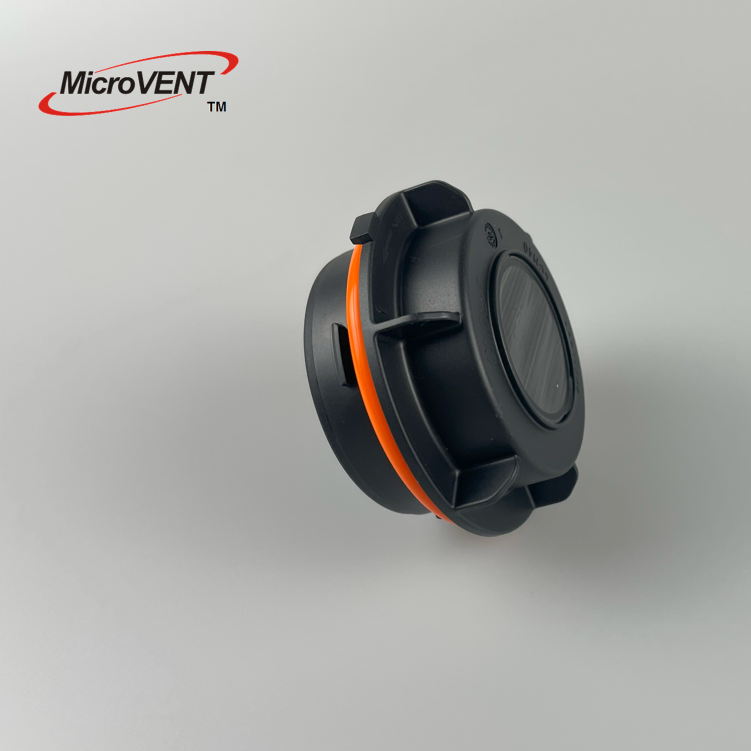
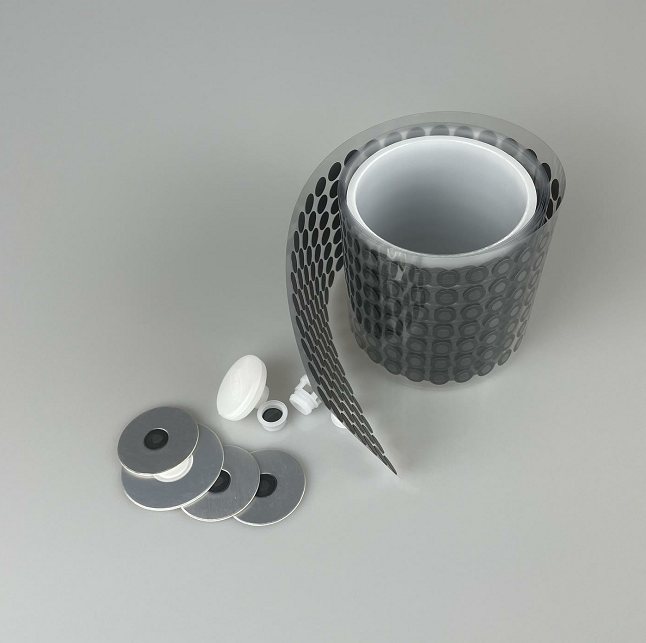
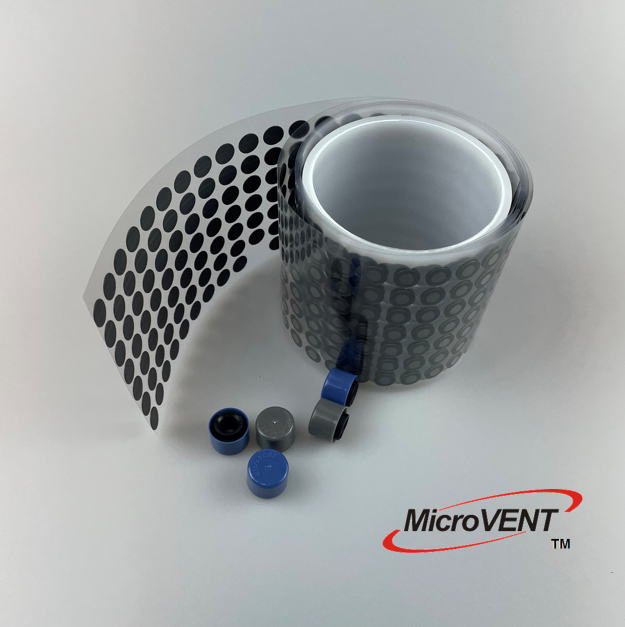
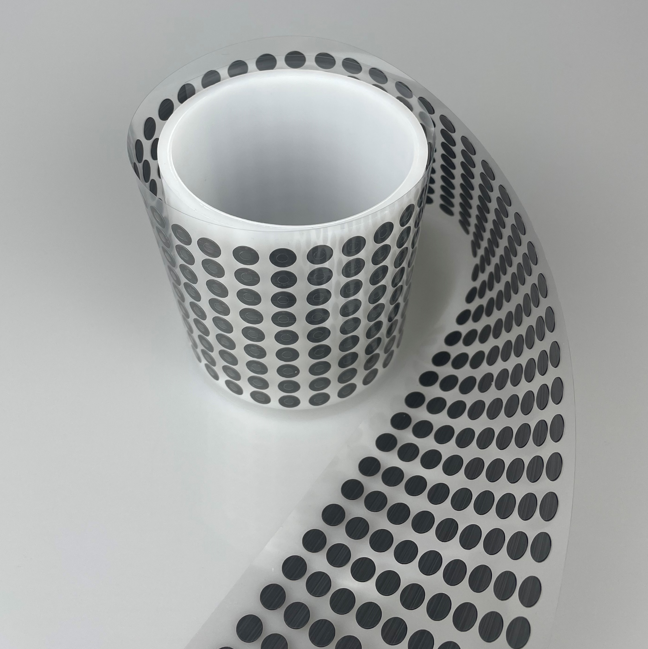
eptfe mesh demonstrates unmatched chemical and thermal resistance properties that enable reliable operation in the most demanding industrial environments where conventional materials would quickly degrade or fail. The inherent chemical inertness of the PTFE polymer backbone provides resistance to virtually all chemicals, including strong acids, bases, organic solvents, and aggressive oxidizing agents that would attack other filtration materials. This comprehensive chemical compatibility eliminates concerns about material degradation, leaching, or contamination that could compromise product quality or process integrity. The thermal stability of eptfe mesh extends across an extraordinary temperature range, maintaining mechanical properties and filtration performance from cryogenic conditions at -200°C to high-temperature applications at +260°C. This exceptional thermal range enables use in applications involving extreme temperature variations, thermal cycling, or continuous high-temperature operation without material degradation or performance loss. The combination of chemical and thermal resistance makes eptfe mesh ideal for applications in petrochemical processing, pharmaceutical manufacturing, and aggressive chemical environments where material failure could result in costly downtime, product contamination, or safety hazards. The stable polymer structure prevents dimensional changes, brittleness, or softening that commonly affect other materials under thermal stress, ensuring consistent pore structure and filtration performance throughout the operational temperature range. Unlike metal or ceramic alternatives, eptfe mesh maintains flexibility and processability even after extended exposure to harsh conditions, allowing for easy installation, maintenance, and replacement procedures. The resistance to UV radiation and oxidation ensures long-term performance in outdoor applications or environments with exposure to ozone or other atmospheric oxidants that would degrade conventional polymer materials.
 EN
EN
 AR
AR
 CS
CS
 FR
FR
 DE
DE
 IT
IT
 JA
JA
 KO
KO
 PT
PT
 RU
RU
 ES
ES
 ID
ID
 VI
VI
 TH
TH
 TR
TR
 MS
MS