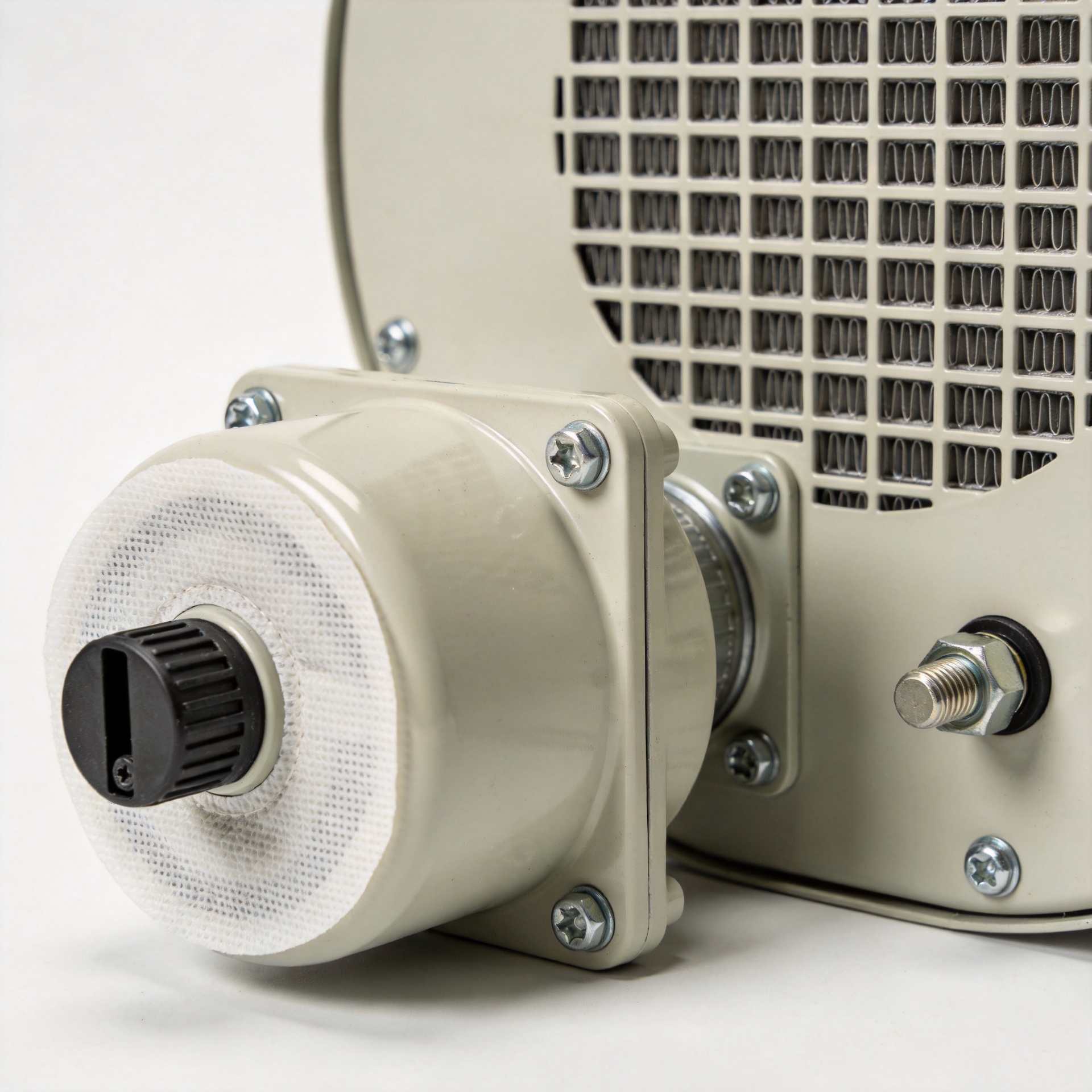
Define the Protective Membrane Motor Use
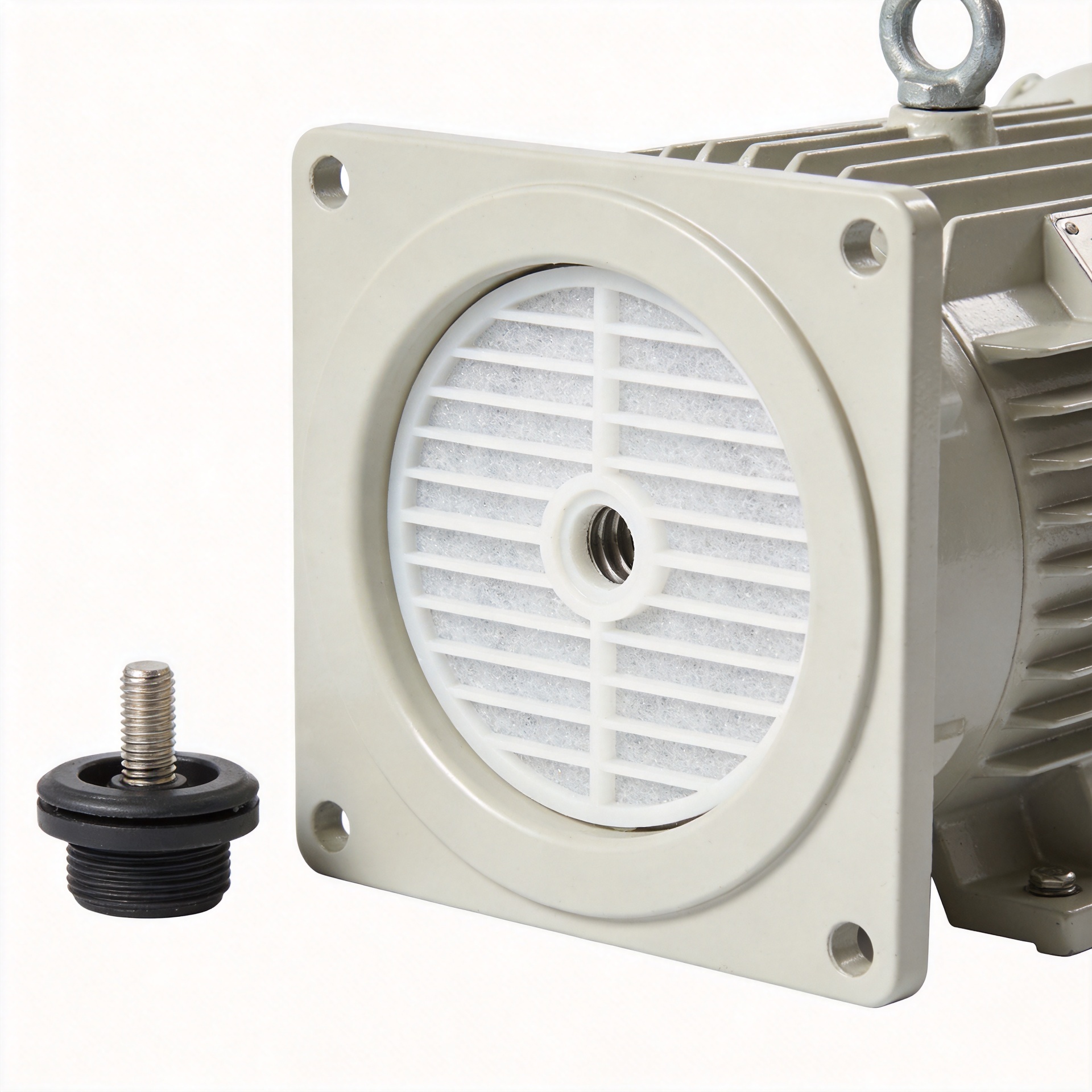
A protective membrane motor request should begin with a clear use case. State what the motor does and where it runs. Say if the housing is indoors, outdoors, near a pump, or part of a vehicle unit. Note dust, splash, humidity, oil, or heat that may reach the housing. This turns a broad protective membrane motor request into a real design question.
Then describe the issue that led to the review. The issue may be a pressure change in a closed housing. It may be moisture near a seam. It may be dust near an opening. The team should list each issue on its own. A protective membrane motor part should be reviewed against the stated issue, not against a general product claim.
Map the Housing and Its Openings
A protective membrane motor is part of the housing after it is fitted. Draw the housing and mark each opening. Show the usable area around the opening. Note the wall shape, the part material, and nearby parts. A small change in geometry can change the fit question. This is why the assembly matters as much as the membrane material.
- Measure the opening and the flat area around it before you choose a format.
- State the housing material and its surface condition before you review an adhesive option.
- Show parts that may block air flow or limit access during assembly.
- Mark if the housing is new, changed, or already in use.
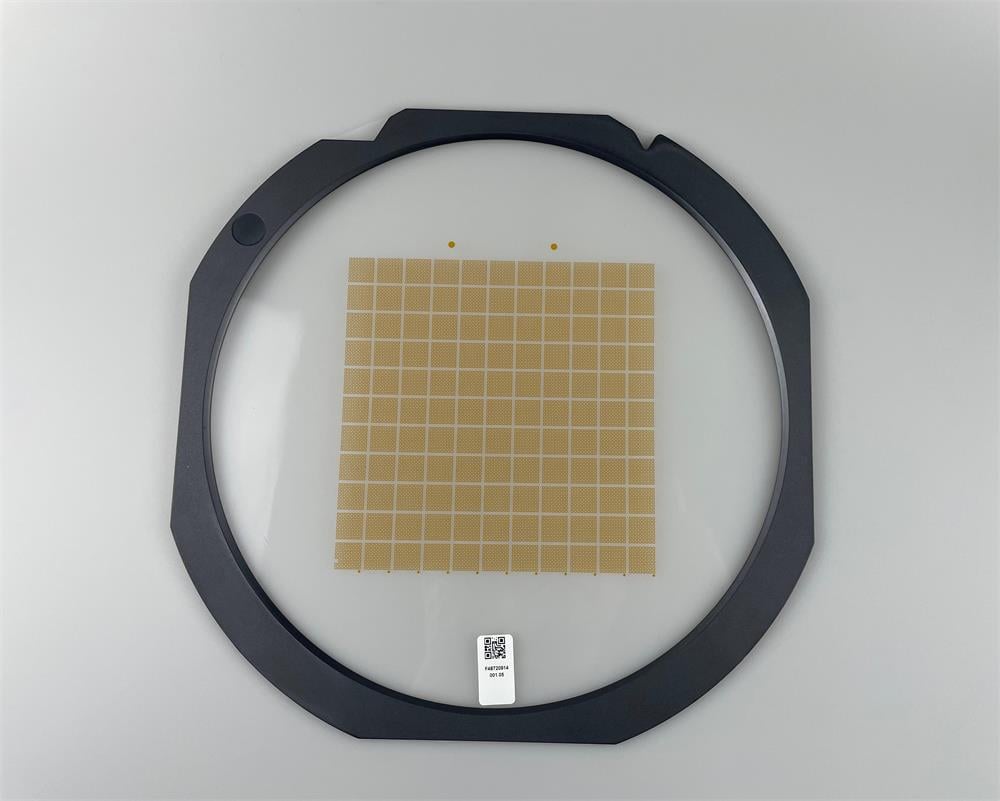
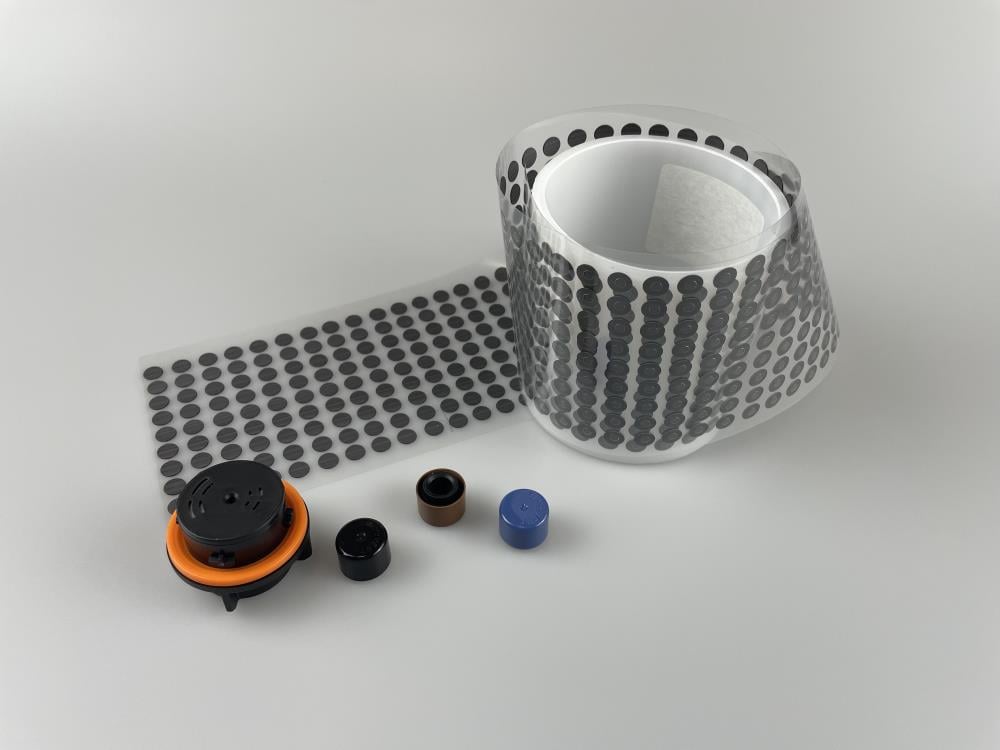
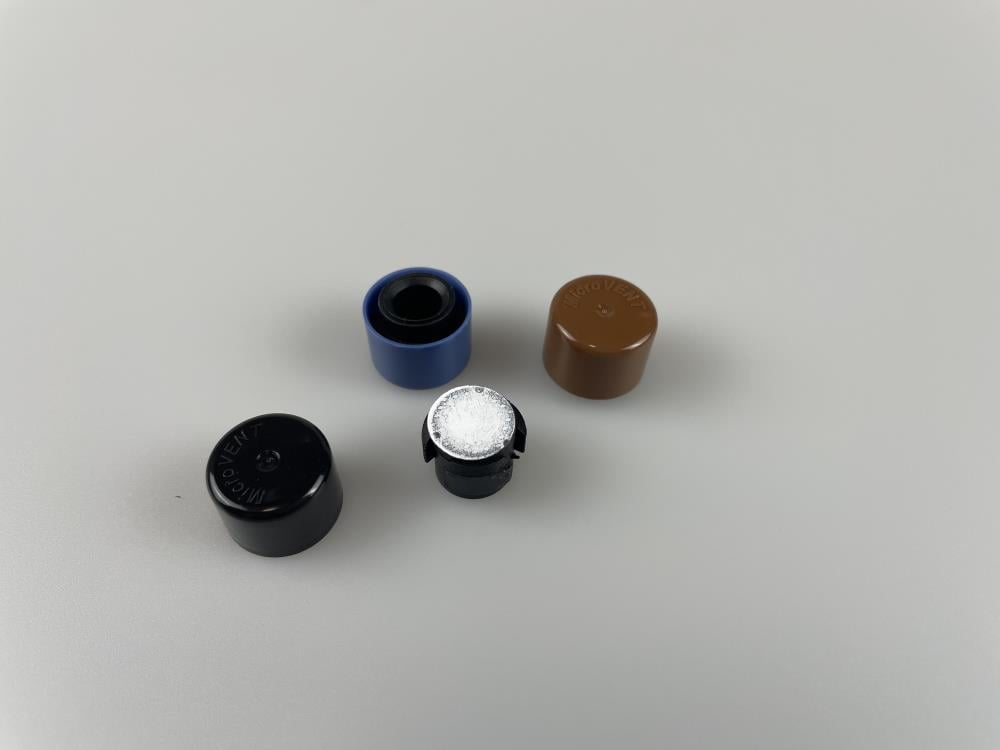
The catalog has a vent membrane and a vent plug for an early protective membrane motor discussion. The catalog also has a MEMS protection membrane. That product can help a team compare protection concepts in a different component setting. A catalog name does not prove that a product fits a motor. The drawing and use case still need review.
Set the Airflow and Protection Question
A protective membrane motor project can include both air flow and protection needs. Treat these as linked but separate questions. First, say why air may need to move. A team may be looking at pressure change caused by heat or use. Next, say what the housing may need to resist. That may be particles, water, oil, or another medium. This creates a useful protective membrane motor brief.
Use short facts in the brief. Give the enclosure volume if it is known. Give the heat source and the normal use cycle. State if exposure is rare or part of normal work. State where the medium can enter. Do not treat a broad porous material statement as a final answer. The motor assembly and its use decide what must be checked.
Choose a Practical Integration Route
For a protective membrane motor design, the mounting route is an early decision. An adhesive membrane may need a clean receiving area and a clear placement step. A plug style part may need a matching hole and a defined retention method. Ask for the product drawing before a format is chosen. Compare the drawing with the motor housing. This keeps the protective membrane motor review tied to the real part.
List the assembly steps in order. Say when the vent or membrane is placed. Say whether it is applied before or after another part. Identify any handling limit that may affect the process. These facts help the team define questions for product documentation. They do not make a claim about final performance.
Plan Evidence for the Final Assembly
A protective membrane motor decision needs a project plan for verification. The plan can name the intended condition, the likely exposure, the mounting method, and the acceptance rule set by the project team. It can also state what facts still need confirmation. This separates confirmed product facts from project assumptions.
If the project uses a test method or a standard, first check its scope. Confirm that it applies to the motor assembly and the stated use. Do not use a standard name as a shortcut for approval. Review the selected product information and the assembled part against the plan. This is a sound way to keep a protective membrane motor choice clear and bounded.
Send a Useful Project Request
For a protective membrane motor inquiry, send the motor type, the housing drawing, the opening size, and the planned mounting method. Include the housing material and the operating setting. State the problem the part should address. Add the target assembly process and the checks your team plans to use. These details allow a focused product discussion. The next step is a review of the real protective membrane motor application, not a claim that one product fits every motor.
 EN
 AR
 CS
 FR
 DE
 IT
 JA
 KO
 PT
 RU
 ES
 ID
 VI
 TH
 TR
 MS