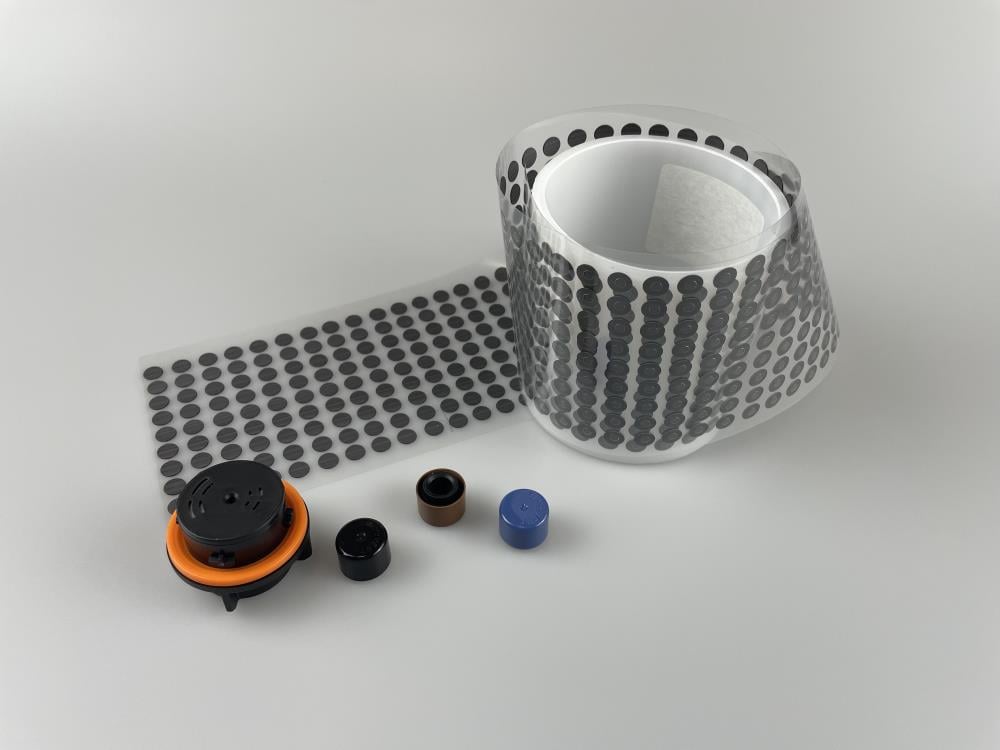
Define the Waterproof Foam Liner Need
A waterproof foam liner is a buying requirement, not a full component description. Start with the bottle, cap, and product inside the package. A waterproof foam liner may be one layer in a larger closure stack. A vented part may need a separate place in that stack. The first task is to describe the package. Do not assume that one material feature defines the whole result.
For a waterproof foam liner review, collect the bottle drawing and cap drawing. Include the neck finish, liner diameter, seal area, and planned assembly method. State the filled medium and fill level. Also state the storage and transport conditions. Temperature and altitude can matter when pressure is part of the question. These details give a supplier a clear basis for a waterproof foam liner discussion.
Keep Material Facts and Package Results Apart
MicroVENT lists vent ePTFE membrane and vent bottle PE liner as product directions. Its profile describes ePTFE material as porous. It also states hydrophobic and oleophobic attributes. These are useful facts for a waterproof foam liner conversation. They are not a promise that a given waterproof foam liner will work with every liquid or cap.
A package has more than one contact point. The filled medium may touch the liner during storage, turning, or use. The cap may press the liner in a different way than expected. The bottle finish and closing force can also change the seal. Ask which surfaces must resist contact. Ask where pressure must move. Ask which result needs application-specific review. This keeps a waterproof foam liner request tied to the real package.
Review Pressure and Venting
Some packages need a liner discussion and a pressure discussion at the same time. A waterproof foam liner may be part of a closure that also needs a vent path. The documented Vent PE liner page discusses packaging ventilation when active filled products and pressure changes are relevant. It does not give one rule for every package. Use the page as a starting point. Then define the pressure condition for your own waterproof foam liner assembly.
- State whether pressure rise, pressure drop, or both matter for the package.
- Describe the filled medium and its contact with the closure materials.
- Show where a vented feature would sit near the waterproof foam liner.
- Provide the bottle finish and cap dimensions from the relevant drawings.
- Plan a package review that matches the intended storage and use conditions.
These steps keep the choice focused on the component interface. A broad material claim is not enough. Medium, pressure, and cap shape can all change how a waterproof foam liner is evaluated.
Compare the Documented Directions
This page shows two documented product records. Vent PE liner is the direct direction for a vented liner discussion. Its record addresses packaging ventilation and includes vent PE liner in a packaging-vents portfolio. vent membrane is a related membrane direction. It can support a material discussion. Its documented page focuses on other venting uses. It should not be presented as a ready substitute for a specified waterproof foam liner.
Use the product titles, images, and available documents as a first step. Next, request details for the cap and bottle design. If a composite, laminated, or surface-modified construction is needed, state that need in the inquiry. The merchant profile confirms those technique categories. It does not state one pre-approved waterproof foam liner design for every container.
Prepare a Clear Inquiry
A clear inquiry makes the next review more useful. Send the container and cap drawings. Include the material details, liner size, filled medium, and expected storage or transport conditions. Explain whether the waterproof foam liner request concerns liquid contact, moisture exposure, pressure change, or more than one factor. Photos of the present closure or a cross-section can also help.
The next step is to compare those facts with the documented product directions. The review can then identify which specifications or validation evidence are needed. This is a practical path for discussing a waterproof foam liner. It does not assume a universal answer. It keeps the selection linked to the package requirement and the available evidence.
A waterproof foam liner needs a clear package drawing. A waterproof foam liner needs a clear cap drawing. A waterproof foam liner needs a stated filled medium. A waterproof foam liner needs a stated seal area. A waterproof foam liner needs a stated vent location. A waterproof foam liner needs a stated pressure condition. A waterproof foam liner needs a stated storage condition. A waterproof foam liner needs a stated transport condition. A waterproof foam liner needs a review of contact surfaces. A waterproof foam liner needs a review of liner size. A waterproof foam liner needs a review of cap fit. A waterproof foam liner needs a review of the full closure.
 EN
 AR
 CS
 FR
 DE
 IT
 JA
 KO
 PT
 RU
 ES
 ID
 VI
 TH
 TR
 MS