Premium Vent Cap Liner Solutions - Weather Protection & Energy Efficiency

All Categories

Get a Free Quote

Our representative will contact you soon.
Email
Name
Company Name
Message
0/1000

vent cap liner

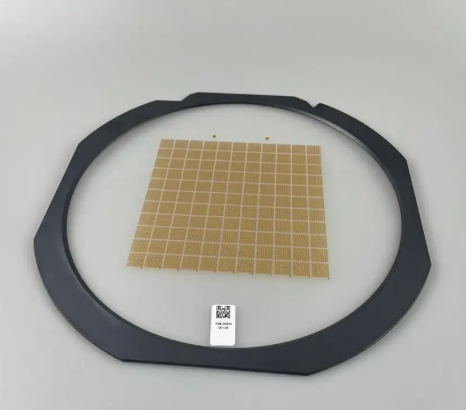
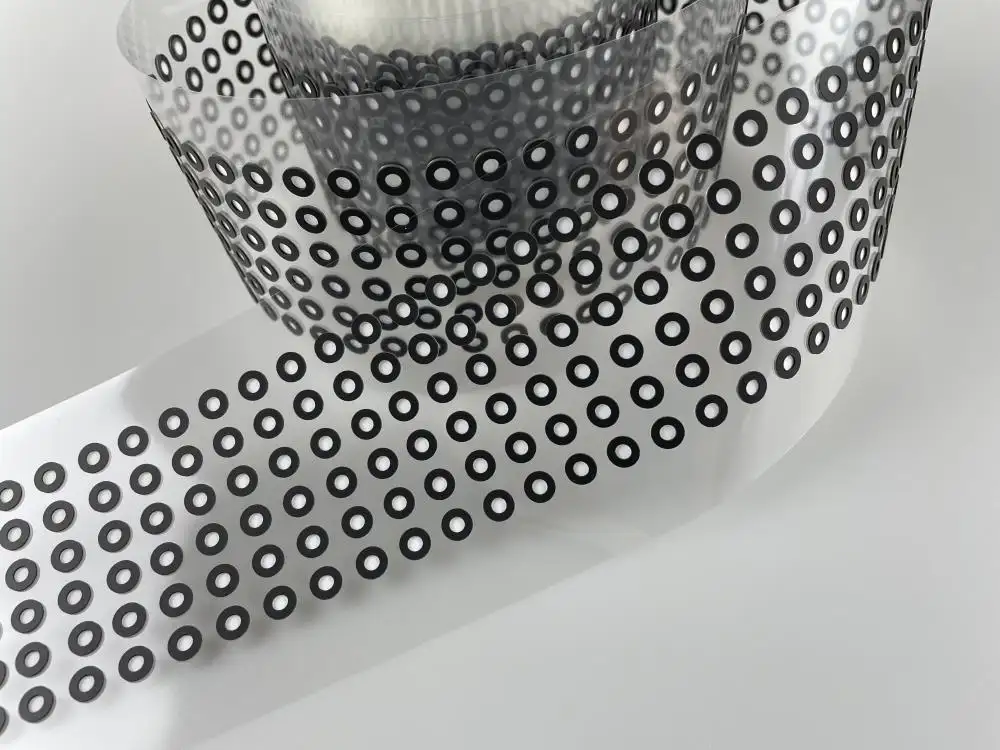
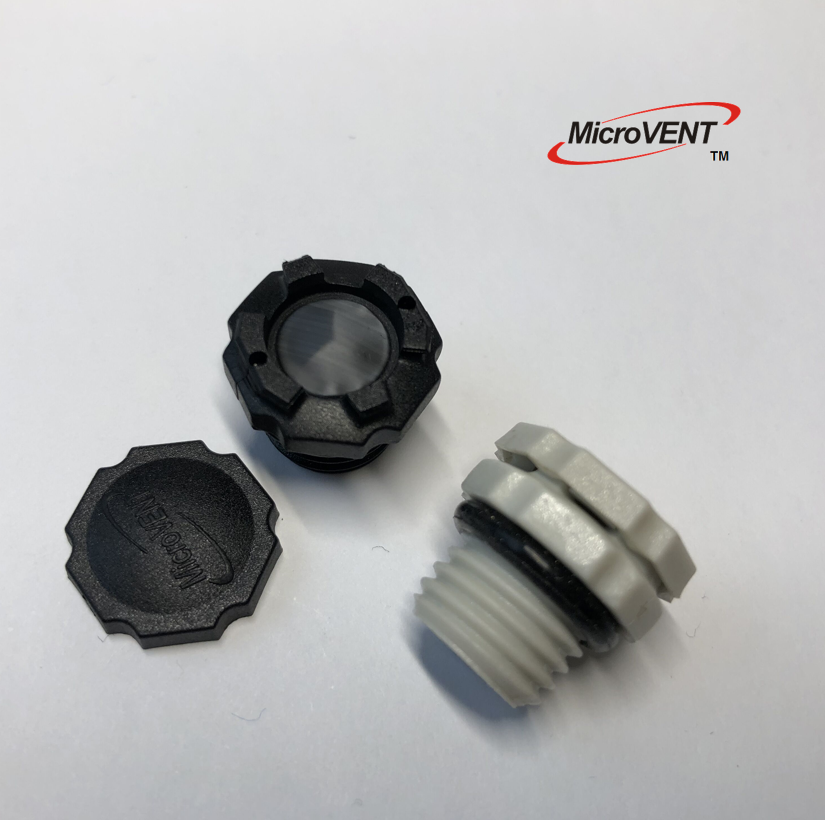
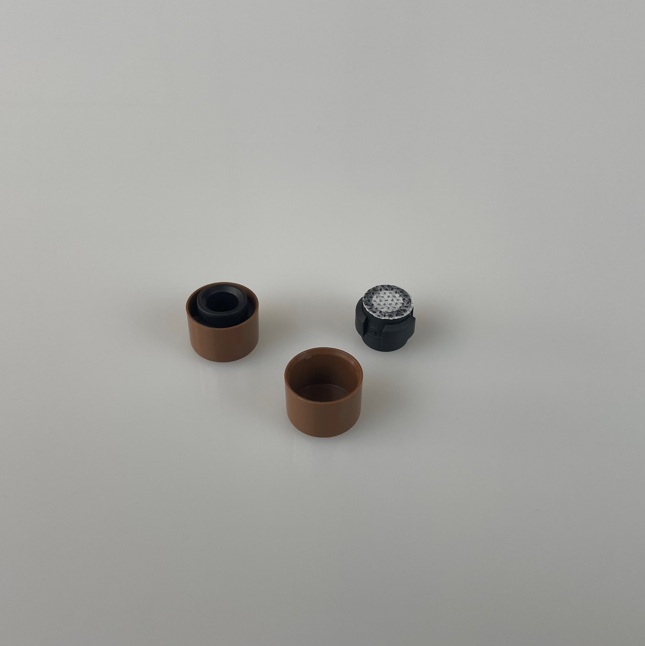
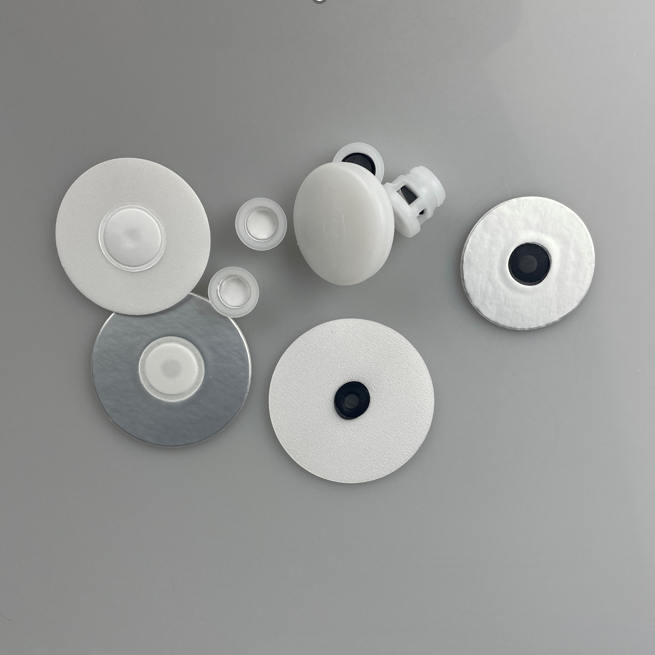
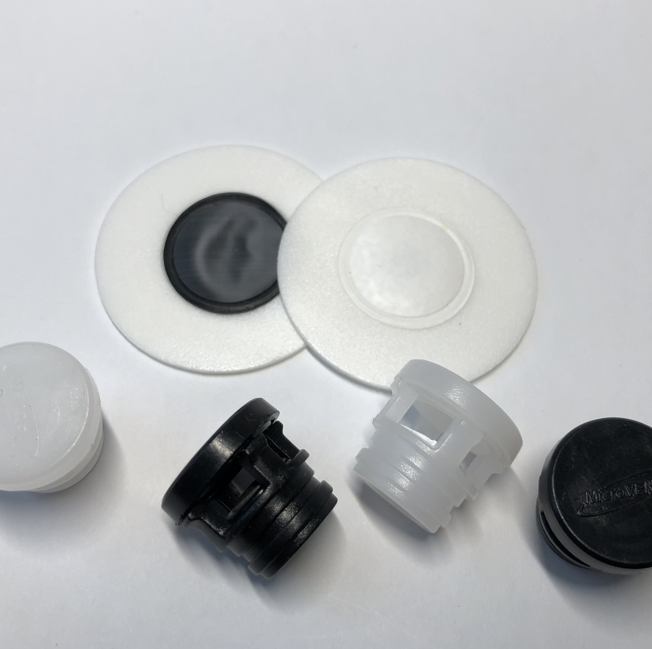
A vent cap liner represents a critical component in modern ventilation systems, serving as a protective barrier that enhances the performance and longevity of vent caps across various applications. This specialized liner functions as an intermediary layer between the vent cap and the underlying structure, providing essential protection against environmental factors, moisture infiltration, and thermal fluctuations. The vent cap liner utilizes advanced materials engineered to withstand extreme weather conditions while maintaining optimal airflow characteristics. Its primary function involves creating a sealed environment that prevents water penetration, wind-driven rain, and debris accumulation within ventilation systems. The technological features of the vent cap liner include multi-layer construction with weather-resistant polymers, reinforced edges for enhanced durability, and precision-engineered dimensions that ensure perfect compatibility with standard vent cap configurations. These liners incorporate innovative drainage channels that direct moisture away from critical components while maintaining proper ventilation efficiency. The material composition typically includes high-grade synthetic compounds that resist UV degradation, temperature extremes, and chemical exposure commonly encountered in industrial and residential environments. Applications for vent cap liners span across residential buildings, commercial structures, industrial facilities, and specialized installations such as laboratories and clean rooms. In residential settings, the vent cap liner protects kitchen exhaust systems, bathroom ventilation, and whole-house ventilation systems from moisture damage and efficiency loss. Commercial applications include restaurant exhaust systems, office building HVAC installations, and retail facility ventilation networks. Industrial uses encompass manufacturing plant exhaust systems, chemical processing facility ventilation, and power generation facility air handling systems. The vent cap liner design accommodates various vent cap styles including gravity vents, powered exhaust fans, and specialized laboratory fume hood exhausts, ensuring versatile compatibility across diverse installation requirements.

New Product Releases

The vent cap liner delivers substantial cost savings by extending the operational lifespan of ventilation equipment and reducing maintenance requirements significantly. Property owners benefit from decreased replacement costs as the liner protects expensive vent cap components from corrosion, weather damage, and premature wear. This protection translates directly into reduced downtime and fewer emergency repairs, maintaining consistent ventilation performance throughout the year. Installation proves remarkably straightforward, requiring minimal tools and expertise while providing immediate protection benefits. The vent cap liner fits seamlessly into existing ventilation systems without requiring extensive modifications or professional installation services. This ease of installation reduces labor costs and allows for quick upgrades to existing ventilation infrastructure. Energy efficiency improvements result from the liner's ability to maintain optimal airflow patterns while preventing air leakage that compromises system performance. Buildings equipped with vent cap liners experience improved indoor air quality as the enhanced sealing prevents contaminated outdoor air from entering through compromised vent connections. The liner's moisture management capabilities prevent condensation buildup that can lead to mold growth, structural damage, and health concerns for building occupants. Noise reduction represents another significant advantage, as the vent cap liner dampens vibrations and reduces operational sounds from ventilation equipment. This benefit proves particularly valuable in residential applications and noise-sensitive commercial environments. The liner's chemical resistance ensures long-term performance in challenging industrial environments where traditional materials might deteriorate rapidly. Temperature stability allows the vent cap liner to maintain its protective properties across extreme seasonal variations without becoming brittle or losing flexibility. Maintenance requirements remain minimal once installed, with the liner requiring only periodic inspection and occasional cleaning to maintain peak performance. The investment in vent cap liners provides measurable returns through reduced energy consumption, extended equipment life, and improved building performance metrics. Property values benefit from enhanced ventilation system reliability and reduced maintenance obligations, making the vent cap liner an intelligent long-term investment for any building owner seeking improved operational efficiency and cost control.

Latest News

Why packaging Industries Benefit the Most from Using MicroVent®Packaging Valves?

21

May

Why packaging Industries Benefit the Most from Using MicroVent®Packaging Valves?

The Critical Role of Packaging Valves in Industrial Efficiency How Valve Technology Impacts Product Integrity Valve technology plays an essential role in maintaining product integrity, ensuring safety and quality during storage and transportation. A...
View More
How durable is MicroVent®️ ePTFE membrane in extreme environments?

25

Jun

How durable is MicroVent®️ ePTFE membrane in extreme environments?

Chemical Resistance in Corrosive Environments Resistance to Acids, Bases, and Industrial Solvents The outstanding chemical resistance of ePTFE membranes make them ideal for use in even the most caustic environments. They are stable against&ensp...
View More
Are MicroVENT®️ Vent Screw Bolts Suitable for Outdoor and Harsh Environments?

28

Aug

Are MicroVENT®️ Vent Screw Bolts Suitable for Outdoor and Harsh Environments?

Understanding the Durability of Advanced Venting Solutions in Challenging Conditions Industrial equipment and enclosures face constant challenges from environmental factors, making proper venting solutions crucial for maintaining operational integrit...
View More
How to Install a MicroVENT®️ Vent ePTFE Membrane for Acoustic Applications

28

Aug

How to Install a MicroVENT®️ Vent ePTFE Membrane for Acoustic Applications

Essential Guide to Acoustic Membrane Installation The installation of a MicroVENT vent ePTFE membrane represents a crucial step in optimizing acoustic performance while maintaining proper pressure equalization in electronic devices. This comprehensiv...
View More

Get a Free Quote

Our representative will contact you soon.
Email
Name
Company Name
Message
0/1000

vent cap liner

Superior Weather Protection and Moisture Management

Superior Weather Protection and Moisture Management

The vent cap liner excels in providing comprehensive protection against harsh weather conditions and moisture infiltration, representing a fundamental advancement in ventilation system reliability. This critical feature addresses one of the most common causes of ventilation system failure and building damage. The liner incorporates advanced water-resistant materials that create an impermeable barrier against rain, snow, sleet, and humidity while maintaining essential airflow characteristics. Its engineered surface texture promotes rapid water shedding, preventing pooling and ice formation that could compromise system integrity. The vent cap liner features strategically positioned drainage channels that direct moisture away from sensitive components, ensuring that even during severe weather events, the ventilation system continues operating effectively. This moisture management capability prevents the accumulation of condensation that typically leads to corrosion, mold growth, and structural deterioration within vent assemblies. The liner's weather protection extends beyond simple water resistance to include defense against wind-driven debris, salt spray in coastal environments, and acid rain that can rapidly degrade unprotected ventilation components. Temperature cycling protection ensures that the vent cap liner maintains its protective properties through repeated freeze-thaw cycles that commonly damage traditional materials. The multi-layer construction incorporates vapor barriers that prevent moisture migration while allowing necessary air exchange, creating an optimal environment for long-term system performance. Property owners in regions with challenging climates particularly benefit from this weather protection, as it eliminates the frequent maintenance and replacement cycles associated with exposed ventilation equipment. The liner's ability to maintain seal integrity under extreme conditions ensures consistent indoor environmental control, preventing energy losses and maintaining comfortable building conditions regardless of external weather challenges.
Enhanced Energy Efficiency and Performance Optimization

Enhanced Energy Efficiency and Performance Optimization

The vent cap liner significantly improves energy efficiency through advanced airflow management and thermal performance characteristics that optimize ventilation system operation. This enhancement directly impacts utility costs and environmental sustainability while maintaining superior indoor air quality standards. The liner's precision-engineered design minimizes air leakage around vent cap connections, preventing conditioned air from escaping and unconditioned air from infiltrating the building envelope. This improved sealing capability reduces the workload on HVAC systems, leading to measurable decreases in energy consumption and operational costs. The vent cap liner incorporates thermal bridge interruption technology that prevents heat transfer through metallic vent components, maintaining consistent internal temperatures and reducing thermal stress on connected systems. Its insulation properties help stabilize air temperatures within ductwork, preventing condensation formation and maintaining optimal airflow velocities throughout the ventilation network. The liner's smooth internal surfaces reduce friction losses that typically impede airflow efficiency, allowing ventilation fans to operate at lower speeds while maintaining required air exchange rates. This reduced mechanical stress extends equipment lifespan while decreasing noise levels and energy consumption. Smart airflow management features within the vent cap liner help maintain consistent pressure differentials across the ventilation system, ensuring proper operation of demand-controlled ventilation systems and variable air volume configurations. The liner's compatibility with energy recovery ventilation systems enhances heat exchange efficiency, capturing thermal energy that would otherwise be lost through traditional vent cap installations. Building owners implementing vent cap liners often observe immediate improvements in energy performance metrics, with some installations achieving energy savings of fifteen to twenty-five percent compared to unprotected systems. These efficiency gains compound over time, providing substantial return on investment while supporting sustainability initiatives and regulatory compliance requirements for energy-efficient building operations.
Long-Term Durability and Maintenance Reduction

Long-Term Durability and Maintenance Reduction

The vent cap liner demonstrates exceptional durability characteristics that significantly reduce maintenance requirements and extend overall system lifespan, providing outstanding value for property owners and facility managers. This durability stems from advanced material science and engineering design that addresses common failure modes in ventilation systems. The liner utilizes high-performance polymers and composite materials that resist degradation from ultraviolet radiation, ozone exposure, and chemical contaminants commonly present in industrial and urban environments. Its reinforced construction withstands mechanical stresses from wind loading, thermal expansion, and vibration without developing cracks or seal failures that compromise performance. The vent cap liner's resistance to biological growth prevents the accumulation of algae, moss, and bacteria that typically plague exposed ventilation components, eliminating the need for frequent cleaning and sanitization procedures. Corrosion prevention capabilities protect both the liner itself and connected metallic components from electrochemical degradation, maintaining structural integrity and appearance over extended service periods. The liner's dimensional stability ensures consistent fit and performance throughout temperature variations, preventing the gaps and misalignments that develop with inferior materials. Quality manufacturing processes and rigorous testing protocols guarantee that each vent cap liner meets stringent performance standards for mechanical properties, environmental resistance, and operational reliability. Installation simplicity contributes to long-term durability by minimizing opportunities for installation errors that could compromise performance or create premature failure points. The liner's modular design facilitates easy inspection and replacement if necessary, though typical service life exceeds twenty years under normal operating conditions. Predictive maintenance programs become more effective with vent cap liner installations, as the protected components exhibit more predictable wear patterns and failure modes. This reliability enables facility managers to optimize maintenance schedules, reduce emergency service calls, and maintain consistent building performance standards while minimizing lifecycle costs associated with ventilation system ownership and operation.

Get a Free Quote

Our representative will contact you soon.
Email
Name
Company Name
Message
0/1000