Start With the Package
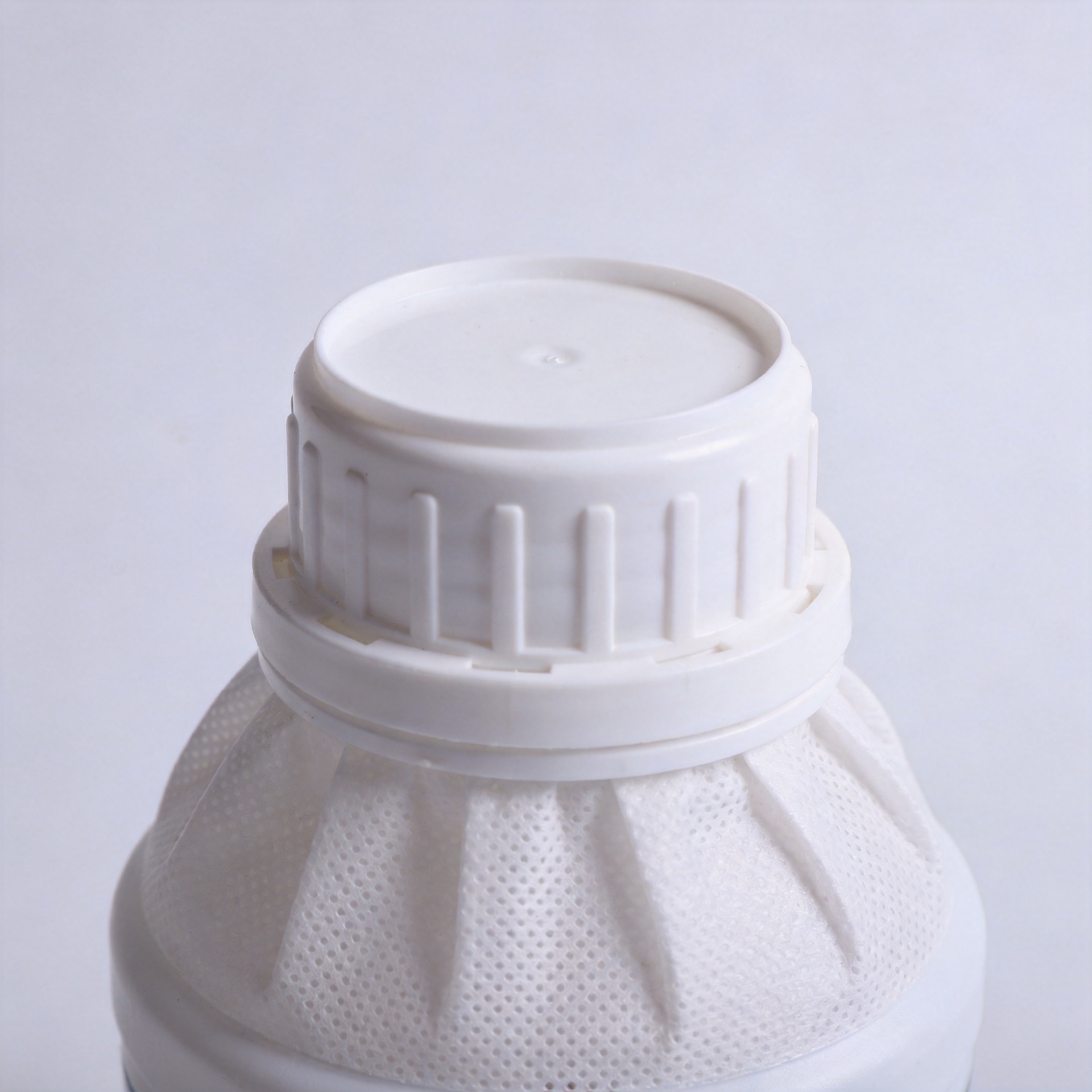
Begin a vent seal fertilizer review with the package. List the container material. List its size and shape. Add the neck size and cap type. Show where a liner would sit. A photo or drawing helps. It gives the team a clear view of the closure.
Next, describe the fill medium. A vent seal fertilizer request needs this detail. State if the product is liquid or a mix. Share the known handling notes. Do not assume that all fertilizer packs have the same needs. The medium can change the questions for the closure. A vent seal fertilizer package needs its own medium review. A vent seal fertilizer choice should follow that review.
Then note the travel path. Tell the team where the pack is filled, stored, and shipped. Heat, cold, and altitude may matter. Those facts help define the pressure profile. They do not predict a result. They help the buyer ask a better question. A vent seal fertilizer discussion should include this travel data. A vent seal fertilizer plan should not skip it.
Set the Review Questions
A vent seal fertilizer project should have a short fact list. Start with the package and cap. Then add the fill state. Note the time from filling to use. Include storage and transport details. This is a simple way to frame the review. A vent seal fertilizer fact list can guide the first product talk. A vent seal fertilizer team can update it as new package data arrives.
- Describe the fertilizer medium and the known handling details.
- Provide the container drawing or its key dimensions.
- Show the cap, neck, and liner contact area.
- State the storage and shipping conditions for the filled pack.
- Say if the goal is a liner, a membrane, or both.
For a vent seal fertilizer package, check the medium and pressure condition first. Do not use a broad barrier claim as the only choice rule. The real container and cap set the limits for the discussion. This is why a package review comes before a component conclusion. A vent seal fertilizer project needs that order. A vent seal fertilizer request can then stay tied to the real pack.
Look at Cap and Liner Fit
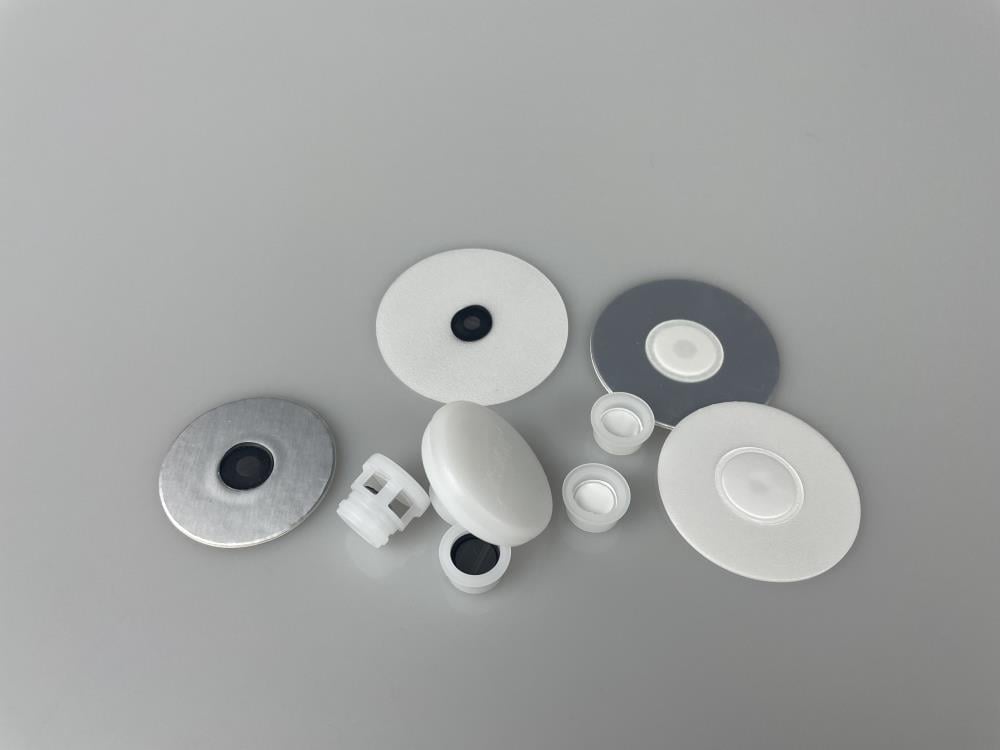
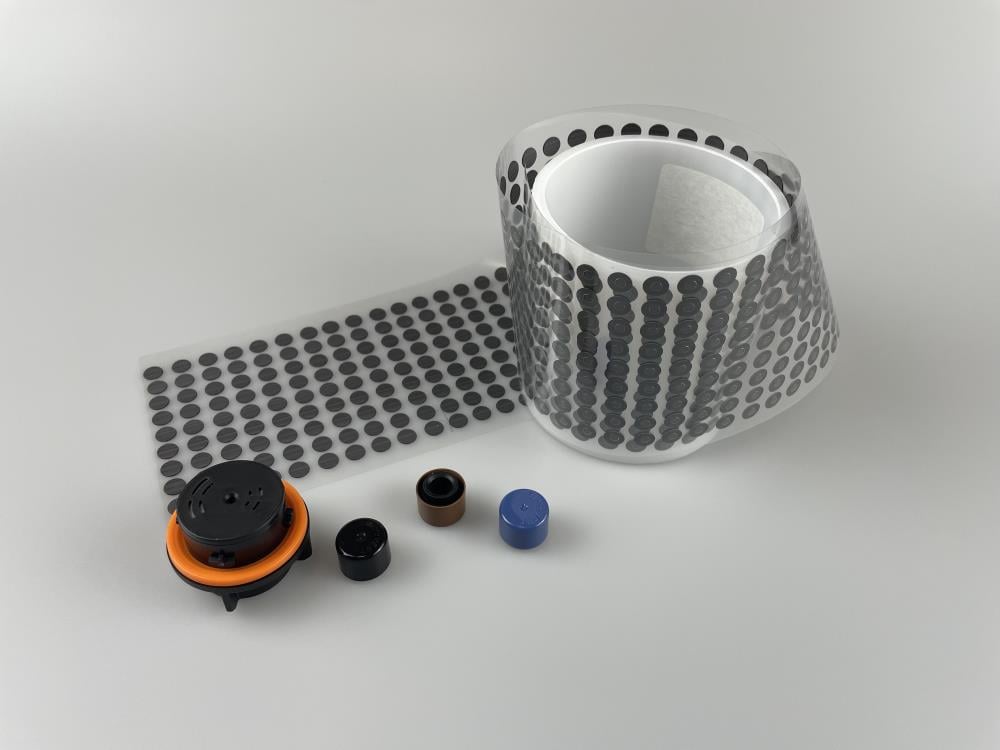
The Vent PE liner is a documented product direction for the closure area. The vent membrane is a related product direction. A vent seal fertilizer review can compare both paths. First, define the available space in the cap. Next, check the liner shape and contact surfaces. Then ask how the part will be placed during assembly. A vent seal fertilizer design should show this part location. A vent seal fertilizer review should record the assembly question.
The cap drawing is useful at this point. It can show the neck finish and the liner seat. It can also show if the current cap has a part in place. If there is an existing liner, name it. Explain why the package team wants a new review. This gives the discussion a clear starting point. A vent seal fertilizer review can use this record. A vent seal fertilizer team can compare it with the new request.
A vent seal fertilizer request should not treat a material note as proof of full package behavior. The merchant profile describes porous ePTFE structures. It also describes composite, laminated, and surface-modification methods. These are product context points. The finished package still needs a fit review. A vent seal fertilizer result should follow that review. A vent seal fertilizer claim should wait for the package facts.
Compare the Available Documents
Keep the document review simple. Ask for the product drawing or product details that are available. Compare them with the cap and container data. A vent seal fertilizer buyer can use this step to separate known product facts from points that still need review. A vent seal fertilizer document check should list both groups. A vent seal fertilizer decision can use that list.
- Match the component format to the cap and container design.
- Read the product details with the fertilizer medium details.
- Ask for drawings or records that relate to the planned use.
- Set a review plan with the package and formulation teams.
A vent seal fertilizer decision may point to a liner path. It may point to a membrane path. It may also show that more package data is needed. That is a useful result from an early review. It keeps the next step tied to the actual closure. A vent seal fertilizer process can stop here for more facts. A vent seal fertilizer review does not need a rushed conclusion.
Prepare a Clear Inquiry
Send photos or drawings when you can. Include the container type, cap type, fill volume, and fertilizer medium. Add the storage and shipping concern. A vent seal fertilizer inquiry is more useful when it names the pressure question. It is also helpful to show the target part location.
Use the inquiry to ask for a product discussion. Share the closure facts first. Then request the documents that are relevant to the proposed use. This keeps a vent seal fertilizer conversation clear and practical. It also avoids a claim before the package has been reviewed. A vent seal fertilizer inquiry can name the open questions. A vent seal fertilizer team can then request the needed documents.
 EN
 AR
 CS
 FR
 DE
 IT
 JA
 KO
 PT
 RU
 ES
 ID
 VI
 TH
 TR
 MS