Begin With the Real Package
A microvent pe liner is a component in a closed package. Start with the real bottle or container. Then look at the cap. Note where the liner sits. These simple facts shape the next microvent pe liner questions. A microvent pe liner is not a stand-alone answer for every package. The cap, container, and use case must work together.
The available Vent PE liner record gives a packaging context. It notes that poor ventilation can be linked with collapse, bulging, or leaks in some packages. That note is not a result for every container. When you assess a microvent pe liner, describe the pressure change that the package may face. It may happen during filling, sealing, storage, or transport. A clear description helps keep the microvent pe liner review on the intended use.
Check the Filled Medium
The filled medium is a key part of a microvent pe liner review. State what the package holds. Explain if the liner may face vapor, liquid, or another part of the cap system. The product record names agricultural and household chemical packaging as examples. It does not show that a microvent pe liner fits every product in those groups.
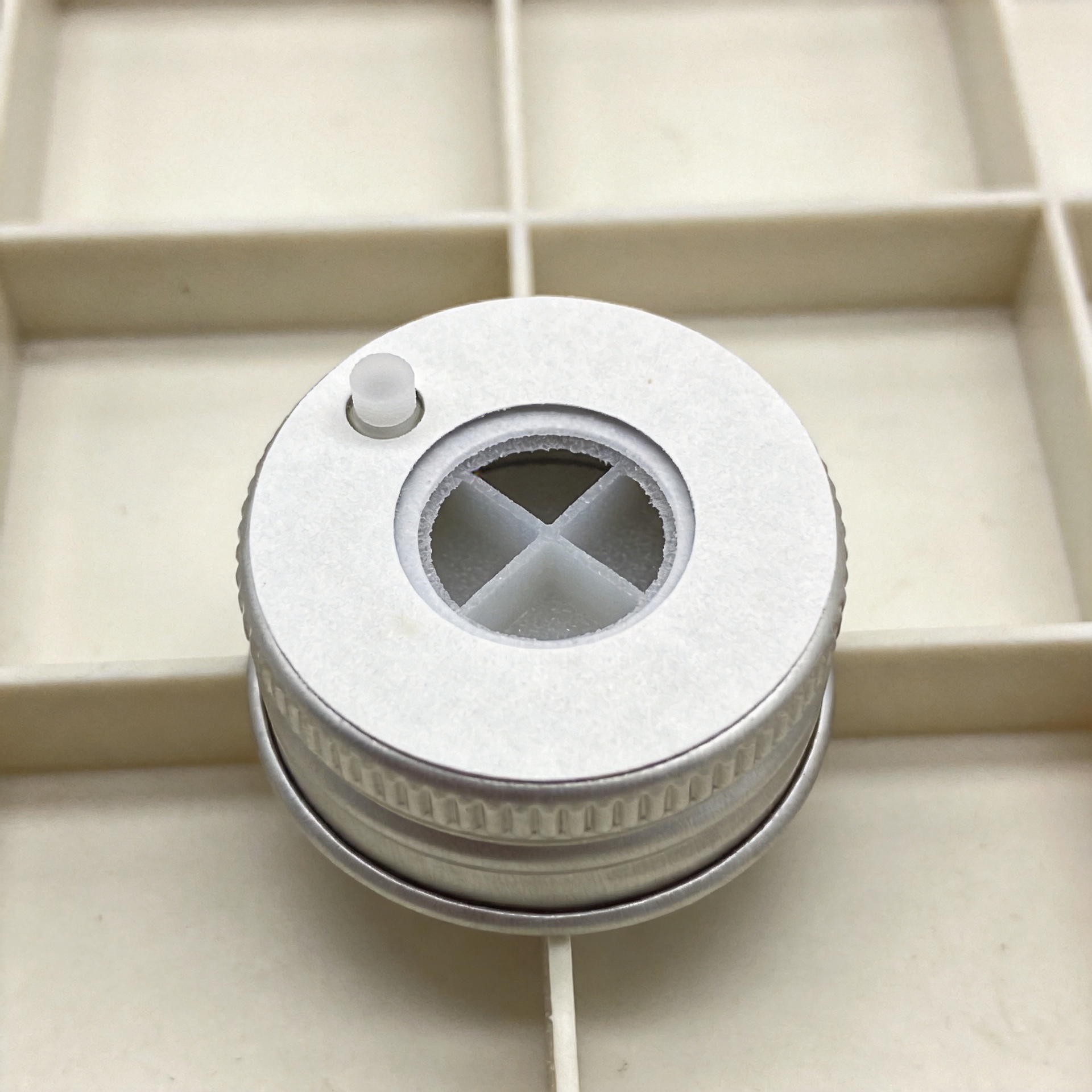
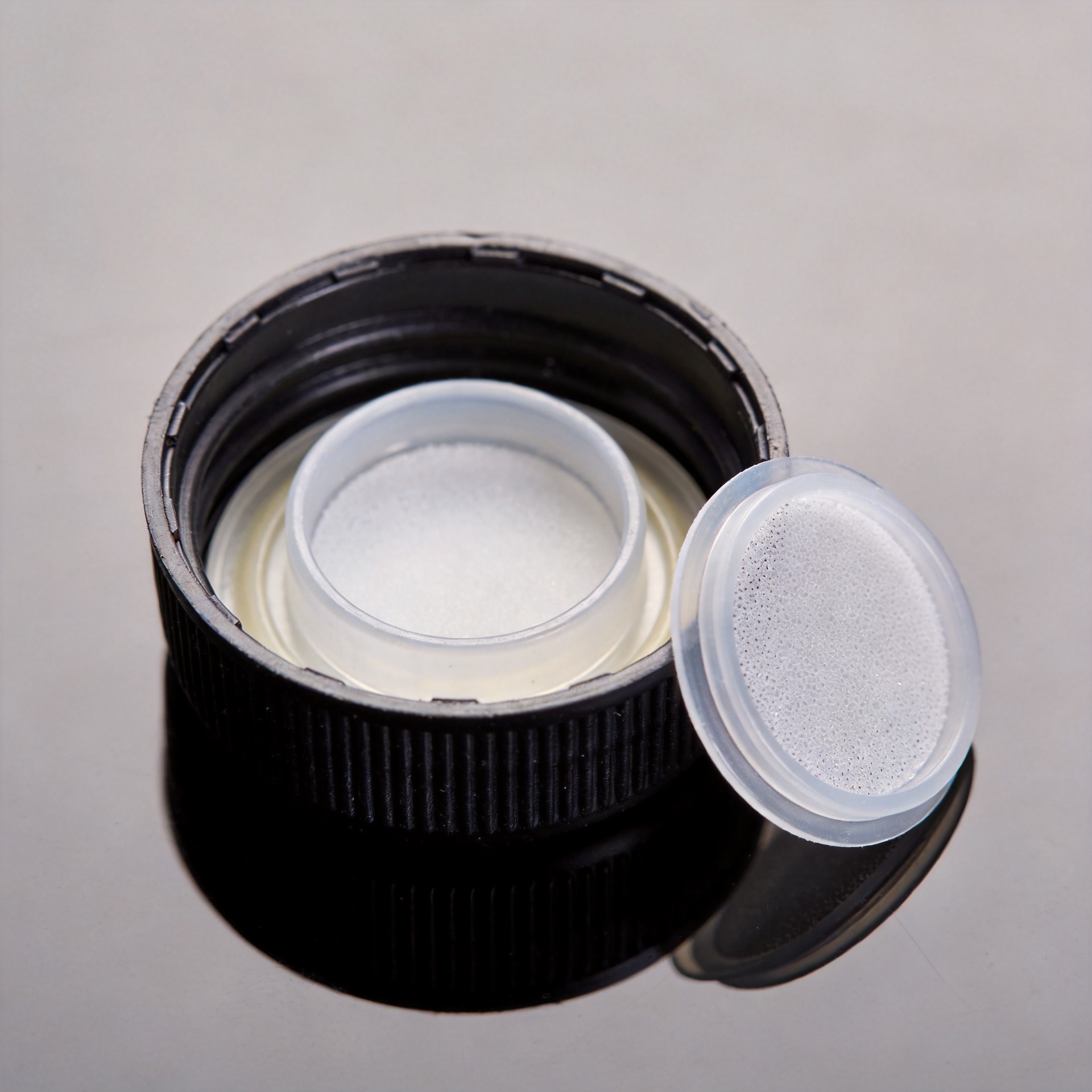
Give the product description when you request help. Give safety details when they are needed for the review. A drawing or sample can show how a microvent pe liner would sit in the cap. It can also show the microvent pe liner position. State if the need is for venting, a barrier, or both. The answer depends on the medium, enclosure, and pressure profile. Short, clear facts are more useful than a broad claim about material performance.
Match the Liner to the Cap
A microvent pe liner is one part of the cap assembly. Check the cap size, liner seat, and sealing face. Note any induction or other closure part. Confirm how the liner is put in place. This keeps the microvent pe liner discussion on fit and assembly. It also helps a buyer avoid treating a related product record as a full specification.
- Share cap and container drawings when they are available.
- State if the package is new or already in use.
- Show where the microvent pe liner sits in the closure.
- List assembly steps that may affect liner placement.
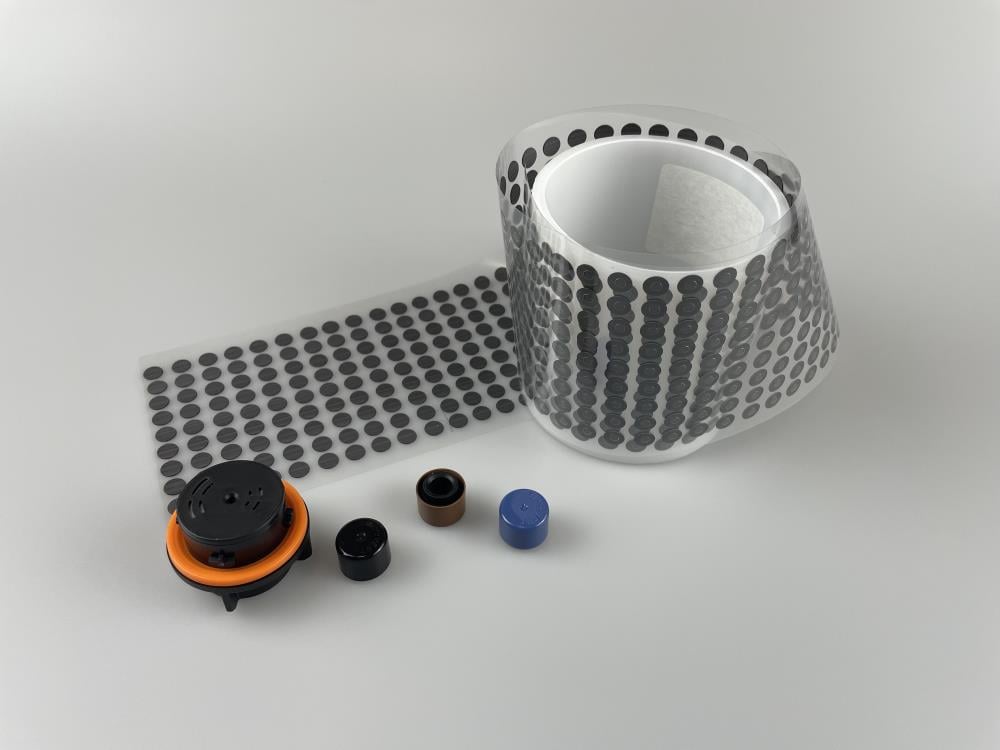
The portfolio also includes a vent membrane. It is a related reference. It is not a substitute specification for the liner. If the project needs a microvent pe liner, compare the liner idea with the real cap structure first. This is a simple way to keep the decision focused.
Keep Facts and Open Questions Apart
Good technical buying separates known facts from open questions. MicroVENT describes porous ePTFE material and composite, laminated, and surface-modification approaches. These facts can support an early microvent pe liner talk. They do not replace a specification, a drawing review, or package-level validation.
Make a short list for the project. Include the container material, cap material, filled medium, pressure changes, storage conditions, and assembly method. Ask which drawings, samples, or documents are needed next. If a test method or standard matters, first confirm its scope and fit. Do not treat it as a product claim before that check. This approach gives the microvent pe liner review a clear and useful path.
Send a Focused Inquiry
A focused request can turn a broad microvent pe liner question into a review of the actual package. Include photos or drawings of the cap and bottle. Describe the medium and the conditions that matter. Say if you need to compare a Vent PE liner with another closure part. The available records can then be considered with the package facts.
Do not select a microvent pe liner only because the package is called chemical, farm, or industrial. Similar labels can hide very different media, cap shapes, and pressure needs. Share the real package details. Then ask what documents or samples are needed to assess the use. This keeps a microvent pe liner choice evidence-based and tied to the full assembly. It also keeps the microvent pe liner request clear.
 EN
 AR
 CS
 FR
 DE
 IT
 JA
 KO
 PT
 RU
 ES
 ID
 VI
 TH
 TR
 MS