Start With the Package
A gore eptfe liner is a search phrase, not a full package brief. A clear brief starts with the container. State its material, volume, neck finish, and cap type. Show where the liner sits. Share a drawing or a clear photo. These facts help turn a gore eptfe liner search into a useful review.
Next, describe the filled medium. Say if it is water based, oil based, or has solids. Note the fill temperature. Note storage and shipping conditions too. A gore eptfe liner should be reviewed with these details in mind. The phrase does not prove fit for every medium or closure.
Define the Pressure Question
Some packages face pressure change. The change may come from heat, cold, altitude, filling, or storage. Describe what happens and when it happens. A gore eptfe liner review needs this context. Pressure can rise, fall, or cycle. Each case can raise a different question.
Do not treat a broad material statement as a package result. A gore eptfe liner may be part of a venting discussion. It does not, by itself, show how a finished package will perform. Ask what must be checked for the real container and cap. Keep the claim tied to evidence that applies to the proposed assembly.
Compare Liner and Membrane Roles
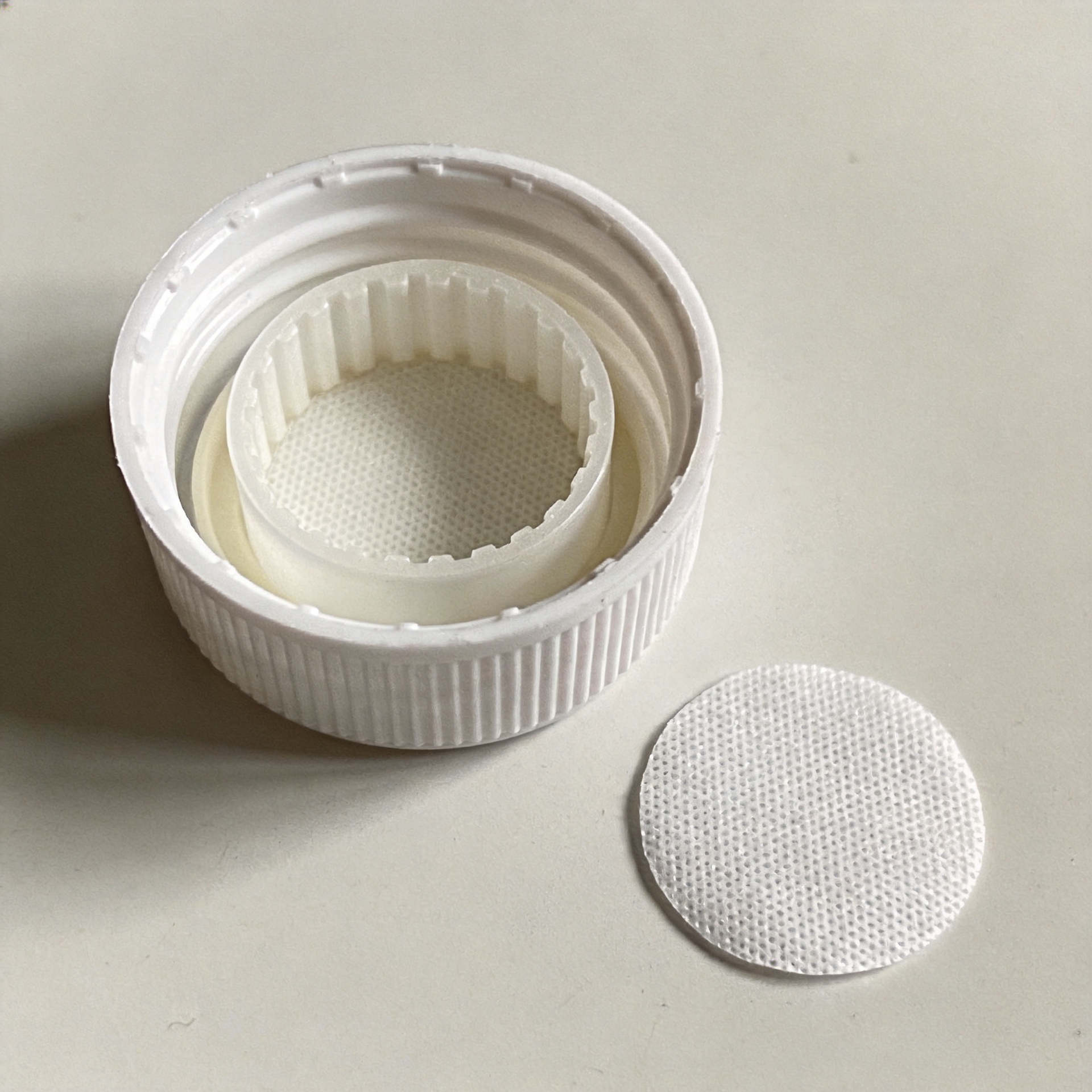
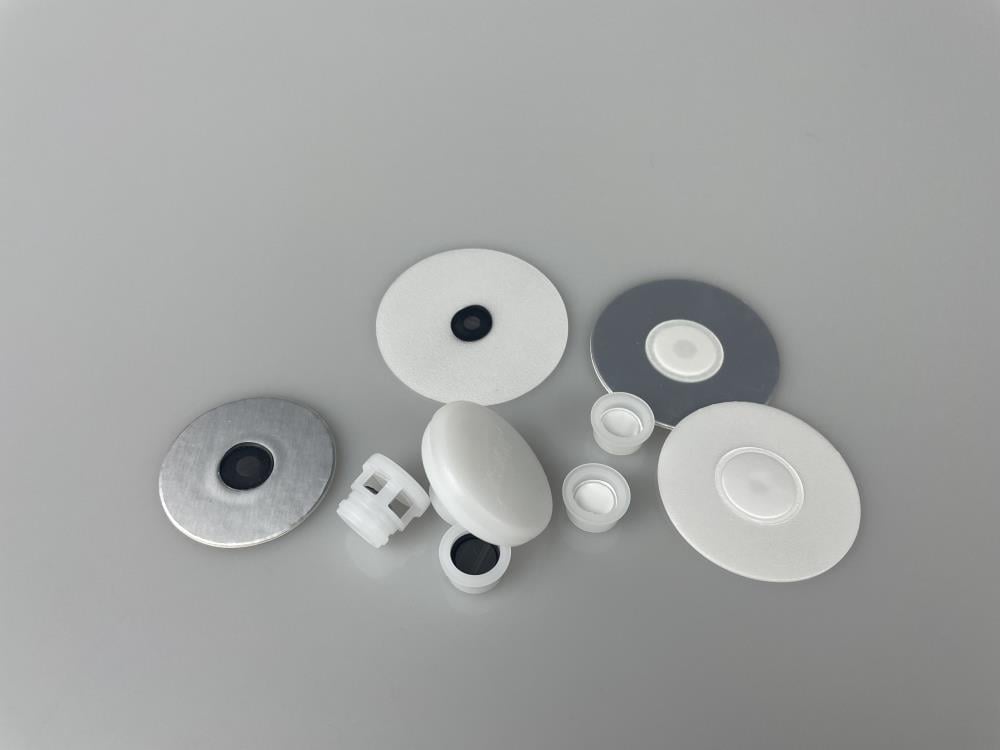
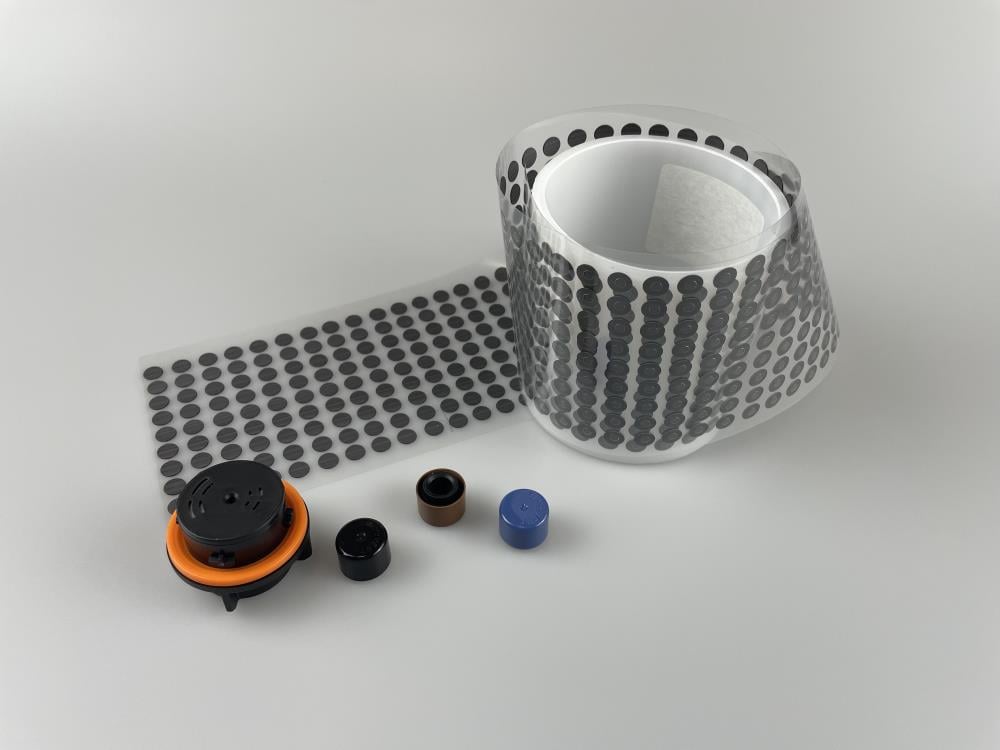
The prepared catalog lists a Vent PE liner and a vent membrane. They are useful starting points. They are not presented as the same part. A gore eptfe liner inquiry may concern a liner inside a cap. It may also concern a membrane in a wider venting design. Ask how the proposed part joins the closure.
- Confirm whether the liner sits inside the cap or joins another part.
- Ask for a drawing, a size, and a material description.
- Check the sealing path and the liner seating area.
- Keep a gore eptfe liner claim separate from unverified airflow or barrier claims.
The merchant profile gives general ePTFE context. It mentions porous material and composite, laminated, and surface-modification approaches. A gore eptfe liner page can use that context. It cannot turn it into a claim about thickness, flow, compatibility, or a final result. Ask for the document that applies to the item under review.
Check Medium and Contact Conditions
The medium can change the review. It may have vapor, residue, solids, or a special surface behavior. State what can contact the liner or vent area. A gore eptfe liner discussion should include that fact. It should also include the expected storage and handling conditions.
The site profile uses general terms such as hydrophobic and oleophobic. Those terms are not package-specific proof. A gore eptfe liner should not be selected from those words alone. Check the medium and pressure condition first. Then ask what drawing, specification, or validation material is available for the proposed part.
Plan the Closure Interface
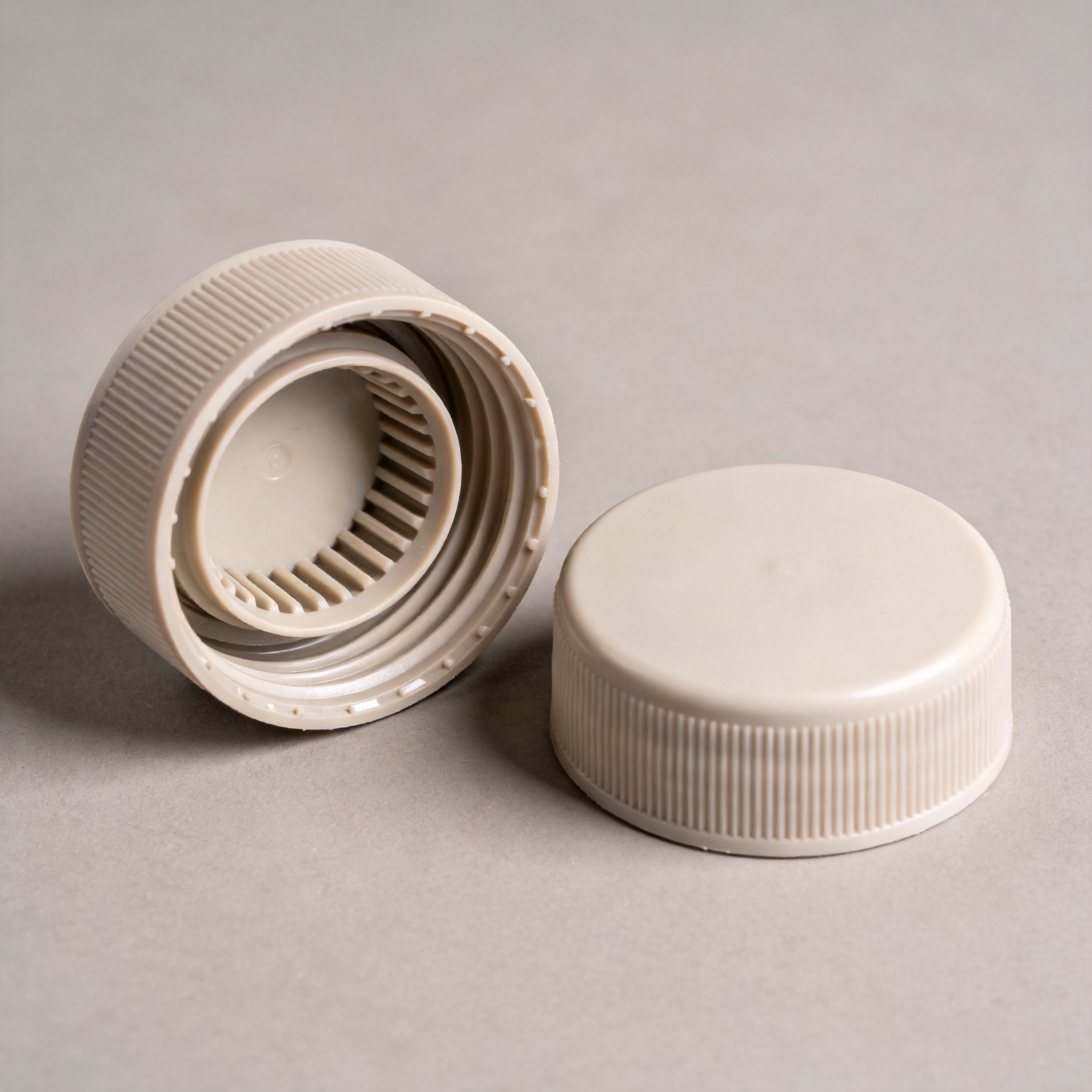
Cap shape and liner geometry matter. Share the neck finish, cap dimensions, liner diameter, and available seat. Explain how the cap is applied. A gore eptfe liner review also needs to know if heat, torque, or repeat opening may affect the closure. These facts do not decide the answer. They make the technical question clear.
- Provide photos of the container finish and cap interior.
- State the liner position and the space around it.
- Describe the fill and closure sequence in plain terms.
- List the main storage and transport conditions.
Do not use a brand reference or a general gore eptfe liner phrase as a substitute for those facts. The phrase is included to match the supplied search query. It does not state affiliation, approval, or equivalence. A good brief focuses on the documented Vent PE liner and vent membrane directions instead.
Ask for the Right Evidence
A gore eptfe liner request can be more useful when it includes the package drawing, cap drawing, medium description, and pressure concern. Add any size limits and internal checks. Ask what product records and documents are available. A gore eptfe liner request should also say what still needs to be verified.
If a test method is important, first confirm that its scope fits the actual package. Do not treat a standard name as proof by itself. The practical path is simple. Define the package. Compare the liner and membrane roles. Share the integration limits. Then request evidence for the real assembly. This approach keeps a gore eptfe liner review clear and bounded.
 EN
 AR
 CS
 FR
 DE
 IT
 JA
 KO
 PT
 RU
 ES
 ID
 VI
 TH
 TR
 MS