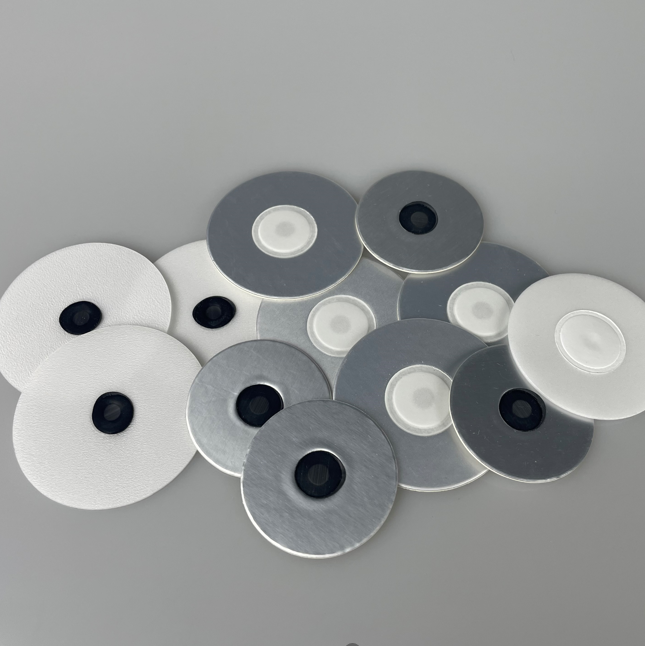
High-Performance Air Vent Gaskets - Superior Sealing Solutions for HVAC Systems

All Categories

Get a Free Quote

Our representative will contact you soon.
Email
Name
Company Name
Message
0/1000

air vent gasket

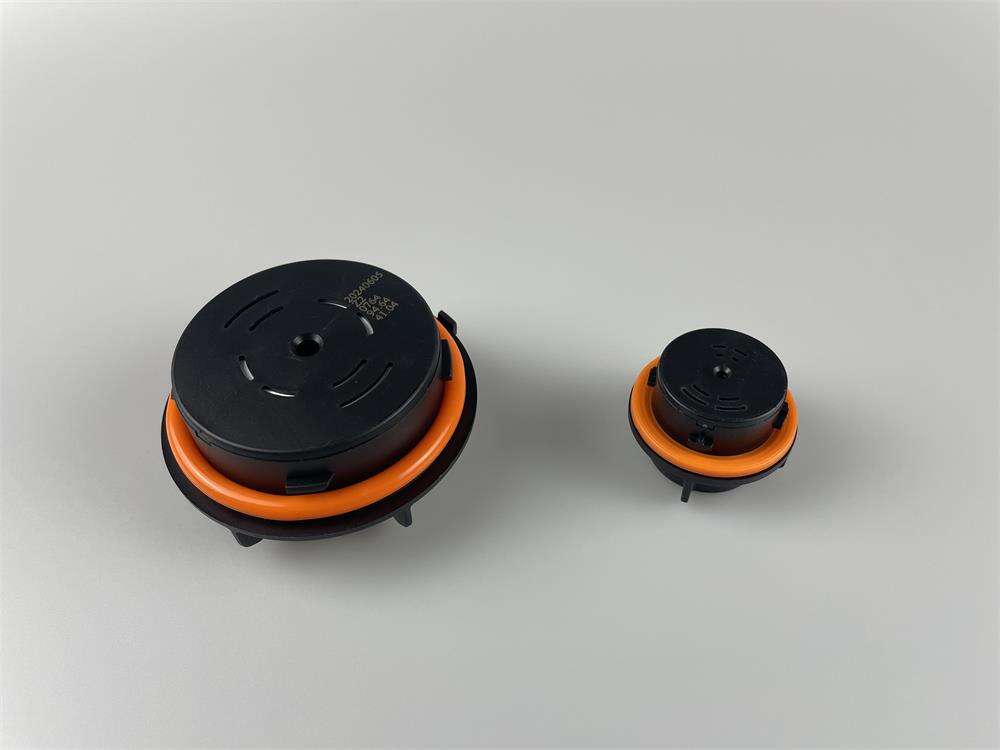
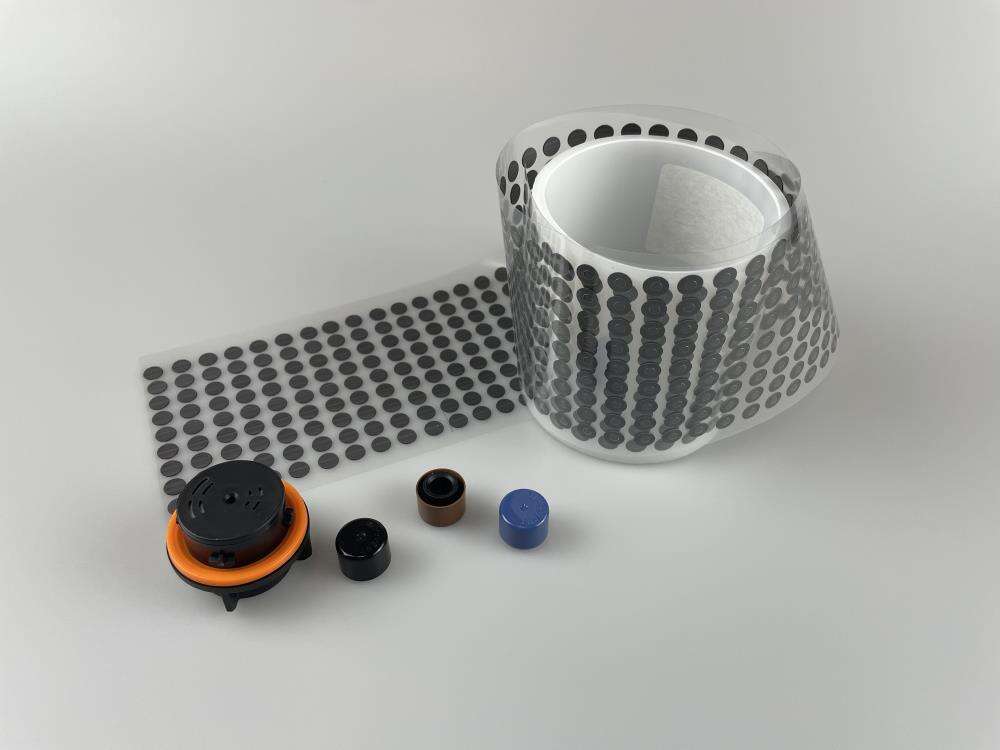
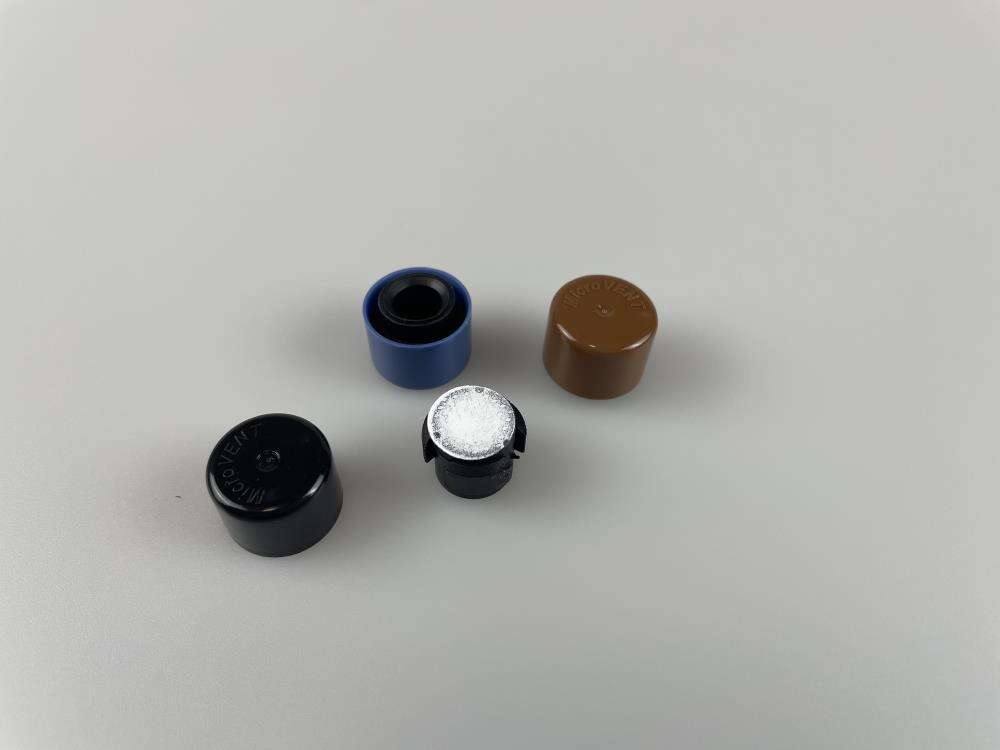
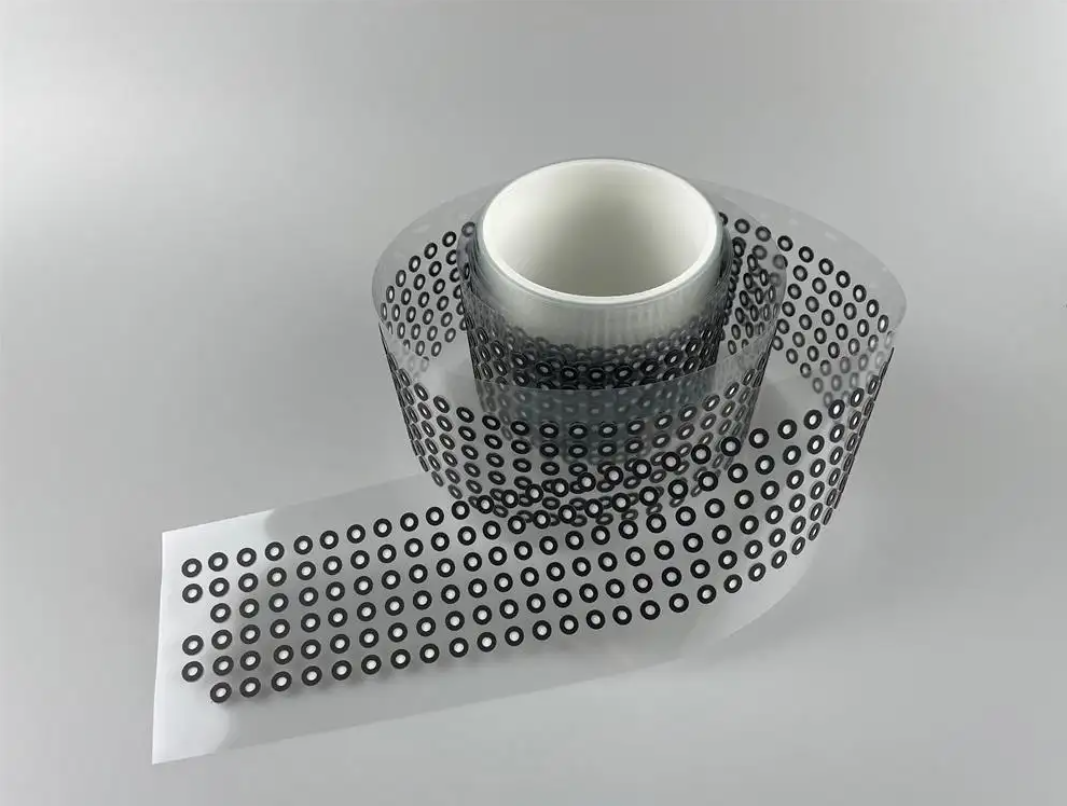
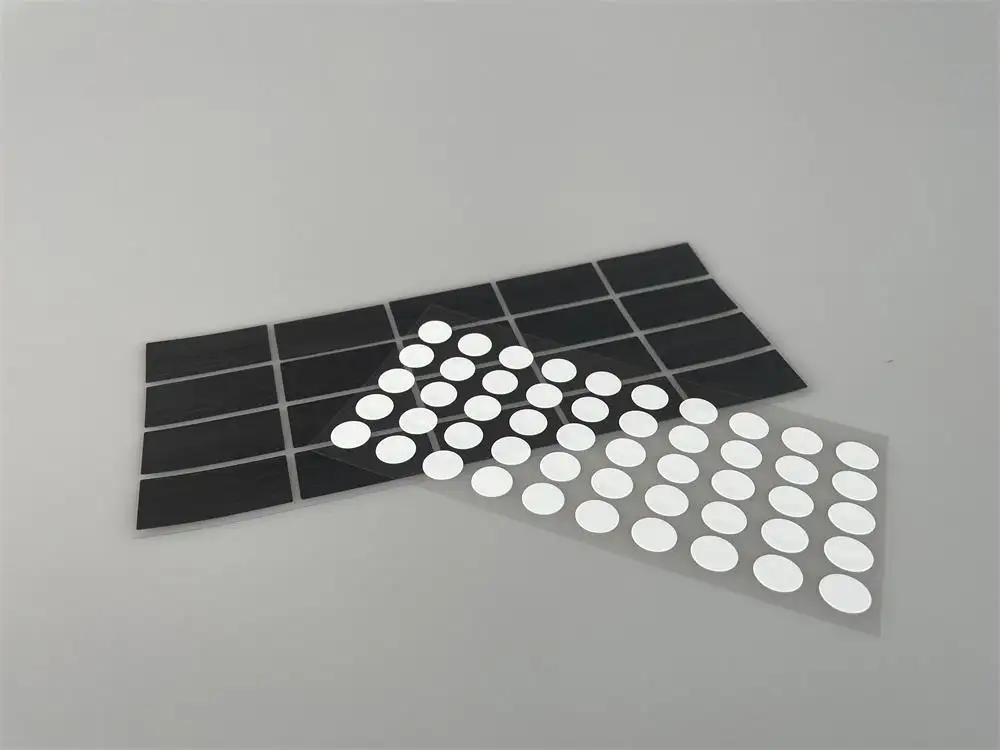
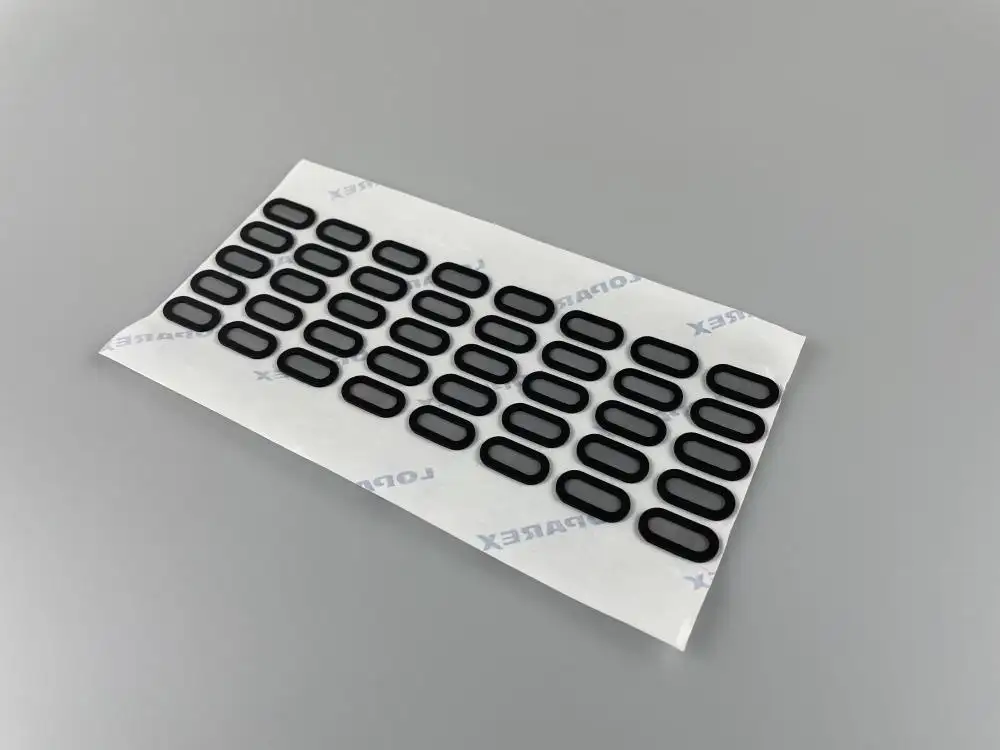
An air vent gasket serves as a critical sealing component designed to maintain proper airflow control while preventing unwanted air leakage in various ventilation systems. This specialized gasket creates an effective barrier between movable vent components and fixed housing structures, ensuring optimal performance of heating, ventilation, and air conditioning systems. The air vent gasket operates by forming a tight seal around vent openings, dampers, and access panels, which helps maintain desired pressure differentials and temperature control throughout building environments. Modern air vent gasket designs incorporate advanced materials such as EPDM rubber, silicone compounds, and specialized foam materials that resist environmental degradation while maintaining flexibility across wide temperature ranges. These gaskets feature precise dimensional tolerances that accommodate thermal expansion and contraction cycles common in HVAC applications. The technological framework of an air vent gasket includes compression-resistant cores that prevent permanent deformation under constant pressure loads, while surface treatments enhance adhesion properties for secure installation. Installation versatility represents another key technological aspect, as these gaskets accommodate various mounting configurations including compression fits, adhesive applications, and mechanical fastening systems. The air vent gasket functions effectively in residential, commercial, and industrial environments where controlled airflow management is essential. Applications span across office buildings, manufacturing facilities, healthcare institutions, educational complexes, and residential structures. Within these environments, the air vent gasket contributes to energy efficiency by eliminating air bypass around vent components, reducing heating and cooling system workloads. The gasket design also incorporates weather resistance properties that protect against moisture infiltration, UV degradation, and temperature extremes. Quality air vent gasket construction ensures long-term reliability in demanding operational conditions while maintaining consistent sealing performance throughout extended service periods.

New Products

The air vent gasket delivers substantial energy savings by eliminating air leakage that forces heating and cooling systems to work harder than necessary. Property owners experience reduced utility costs when these gaskets prevent conditioned air from escaping through gaps around vent components. This sealing action maintains consistent indoor temperatures while reducing the frequency of HVAC system cycling, which extends equipment lifespan and decreases maintenance requirements. Installation simplicity represents another significant advantage, as most air vent gasket products require basic tools and minimal technical expertise for proper placement. The gasket design accommodates common vent configurations without requiring system modifications or specialized installation procedures. Maintenance demands remain minimal throughout the gasket service life, with most installations providing years of reliable performance without replacement needs. Durability characteristics ensure that the air vent gasket withstands environmental stresses including temperature fluctuations, humidity variations, and exposure to cleaning chemicals commonly used in building maintenance. The gasket material composition resists cracking, shrinking, and hardening that typically affect inferior sealing products over time. Cost-effectiveness becomes apparent through the combination of low initial investment and extended service intervals that minimize replacement frequency. The air vent gasket contributes to improved indoor air quality by preventing unfiltered air infiltration around vent openings, which helps maintain proper filtration system effectiveness. Noise reduction benefits occur when gaskets eliminate air whistling and vibration sounds that often develop around loose-fitting vent components. Building occupants experience enhanced comfort levels through more consistent temperature distribution and reduced drafts near vent locations. Environmental benefits include reduced carbon footprint associated with lower energy consumption requirements. The air vent gasket supports sustainable building practices by optimizing HVAC efficiency and reducing waste associated with frequent component replacements. Versatility across different vent types and sizes makes these gaskets suitable for diverse applications without requiring multiple specialized products. Quality manufacturing standards ensure consistent performance characteristics across production batches, providing predictable results for installers and building managers.

Latest News

What Are the Different Types of MicroVENT®Acoustic Vents Available?

21

May

What Are the Different Types of MicroVENT®Acoustic Vents Available?

Understanding MicroVENT® Acoustic Vent Technology Core Principles of ePTFE Membrane Design The expanded Polytetrafluoroethylene (ePTFE) membrane is recognized for its remarkable porosity, making it an ideal material for acoustic vent application...
View More
What Are the Benefits of Using MicroVent®️ ePTFE Membranes in Medical Devices?

25

Jun

What Are the Benefits of Using MicroVent®️ ePTFE Membranes in Medical Devices?

Unique Properties of ePTFE Membranes in Medical Technology Microporous Structure for Selective Permeability The distinctive microporous of ePTFE membranes allows for selective permeable , it permeates gases only and is resistant to liquid conta...
View More
How does MicroVent®️ ePTFE membrane compare to other filtration materials?

25

Jun

How does MicroVent®️ ePTFE membrane compare to other filtration materials?

ePTFE Membrane Manufacturing Process vs. Conventional Materials Proprietary Stretching vs. Basic PTFE Production The manufacturing of ePTFE membranes uses a proprietary stretching technique that significantly enhances the material's flexibility and ...
View More
Are MicroVENT®️ Vent Screw Bolts Suitable for Outdoor and Harsh Environments?

28

Aug

Are MicroVENT®️ Vent Screw Bolts Suitable for Outdoor and Harsh Environments?

Understanding the Durability of Advanced Venting Solutions in Challenging Conditions Industrial equipment and enclosures face constant challenges from environmental factors, making proper venting solutions crucial for maintaining operational integrit...
View More

Get a Free Quote

Our representative will contact you soon.
Email
Name
Company Name
Message
0/1000

air vent gasket

Advanced Material Technology for Superior Performance

Advanced Material Technology for Superior Performance

The air vent gasket incorporates cutting-edge material science to deliver exceptional sealing performance across diverse operating conditions. Premium EPDM rubber formulations provide outstanding resistance to ozone degradation, thermal cycling, and chemical exposure while maintaining flexibility at temperature extremes ranging from -40°F to 250°F. This advanced material technology ensures that the air vent gasket retains its sealing properties throughout seasonal temperature variations without becoming brittle or losing compression characteristics. The molecular structure of these specialized compounds includes cross-linked polymer chains that resist permanent deformation under constant compression loads, allowing the gasket to maintain effective sealing pressure for extended periods. UV stabilizers integrated into the material composition prevent degradation from sunlight exposure in outdoor applications or near windows where natural light might affect gasket integrity. The air vent gasket material also features low-temperature flexibility that prevents cracking during winter conditions, while high-temperature stability maintains sealing effectiveness in applications where heat buildup occurs around vent components. Chemical resistance properties protect against common cleaning agents, disinfectants, and atmospheric pollutants that might contact the gasket surface during normal building operations. The cellular structure of foam-based air vent gasket variants provides controlled compression recovery that accommodates building settlement and thermal expansion without losing sealing contact. Advanced manufacturing processes ensure uniform density distribution throughout the gasket cross-section, eliminating weak points that could lead to premature failure. These material innovations translate directly into reduced maintenance costs, fewer replacement intervals, and improved system reliability for building owners. The air vent gasket material technology also supports environmental sustainability through recyclable compositions and reduced energy consumption associated with improved sealing efficiency.
Precision Engineering for Universal Compatibility

Precision Engineering for Universal Compatibility

The air vent gasket features precision-engineered dimensions and profiles that ensure compatibility with virtually all standard vent configurations found in modern construction applications. Manufacturing tolerances maintained within thousandths of an inch guarantee consistent fit across production runs while accommodating the dimensional variations commonly found in sheet metal fabrication. This precision engineering approach eliminates the guesswork often associated with gasket selection, allowing installers to achieve reliable sealing results regardless of specific vent manufacturer or model variations. The air vent gasket profile design incorporates multiple sealing surfaces that create redundant barriers against air leakage, ensuring effective sealing even when minor surface irregularities exist on mating components. Chamfered edges facilitate easy installation while preventing damage during gasket placement, reducing installation time and eliminating the need for specialized tools or techniques. The engineering team develops each air vent gasket configuration through extensive field testing and dimensional analysis of popular vent designs, ensuring broad market compatibility without compromising sealing effectiveness. Compression characteristics are carefully calibrated to provide optimal sealing pressure across the full range of typical installation torques, preventing both under-compression that allows leakage and over-compression that could damage gasket material. The air vent gasket cross-sectional geometry incorporates stress distribution features that prevent localized deformation under uneven loading conditions commonly encountered in field installations. Quality control procedures verify dimensional accuracy throughout production processes, ensuring that each gasket meets strict specifications for width, thickness, and profile configuration. This attention to precision engineering extends to packaging and handling procedures that maintain gasket integrity from manufacturing through final installation. The universal compatibility achieved through precision engineering reduces inventory requirements for maintenance departments while ensuring replacement gaskets are readily available when needed. Building managers benefit from simplified procurement processes and reduced risk of incompatible components that could compromise system performance.
Enhanced Energy Efficiency Through Superior Sealing

Enhanced Energy Efficiency Through Superior Sealing

The air vent gasket delivers measurable energy efficiency improvements by creating an airtight seal that eliminates costly air leakage around ventilation system components. Independent testing demonstrates that proper gasket installation can reduce air leakage by up to 95% compared to unsealed vent assemblies, translating directly into lower heating and cooling costs for building operators. This superior sealing capability prevents conditioned air from bypassing intended airflow paths, ensuring that expensive heated or cooled air reaches its intended destination rather than escaping through gaps around vent frames. The air vent gasket sealing mechanism maintains consistent contact pressure across the entire perimeter, creating a continuous barrier that adapts to minor surface irregularities without compromising effectiveness. Energy audits conducted in buildings before and after air vent gasket installation consistently show reductions in HVAC runtime and improved temperature stability throughout occupied spaces. The gasket design prevents both inward and outward air movement, maintaining proper building pressurization that supports optimal HVAC system operation and indoor air quality management. Thermal imaging studies reveal significant temperature differences around vent locations where gaskets eliminate heat transfer through direct air exchange, contributing to overall building envelope performance. The air vent gasket energy efficiency benefits compound over time as utility costs continue to rise, making the initial investment increasingly valuable throughout the building lifecycle. Building automation systems register fewer temperature excursions and reduced system cycling when air vent gaskets eliminate parasitic air losses that previously triggered unnecessary HVAC operation. The sealing effectiveness remains consistent across varying weather conditions, providing year-round energy savings rather than seasonal benefits that might diminish during extreme temperatures. Professional energy consultants frequently specify air vent gasket installation as a cost-effective efficiency improvement that provides immediate returns on investment through reduced operating expenses. The cumulative effect of installing gaskets throughout an entire ventilation system creates substantial energy savings that often exceed expectations based on individual component testing, demonstrating the system-wide benefits of comprehensive sealing strategies.

Get a Free Quote

Our representative will contact you soon.
Email
Name
Company Name
Message
0/1000