Air Vent Liner Solutions: Energy Efficient HVAC Ductwork Protection Systems

All Categories

Get a Free Quote

Our representative will contact you soon.
Email
Name
Company Name
Message
0/1000

air vent liner

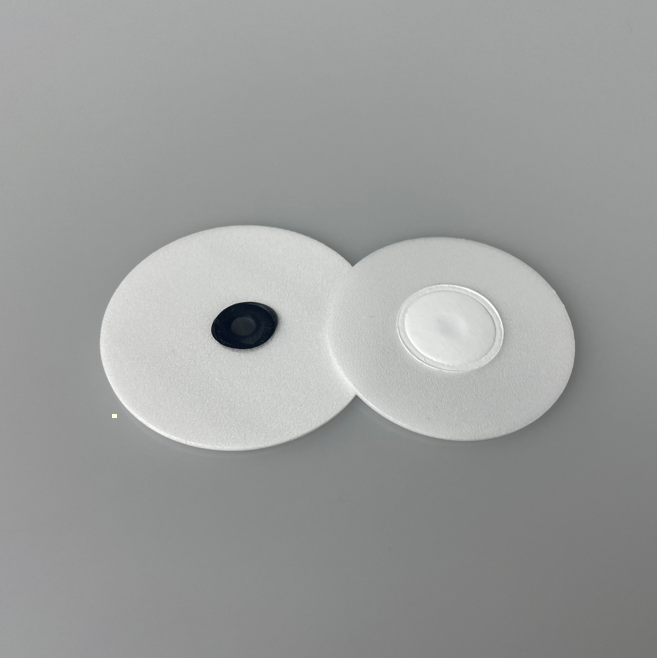
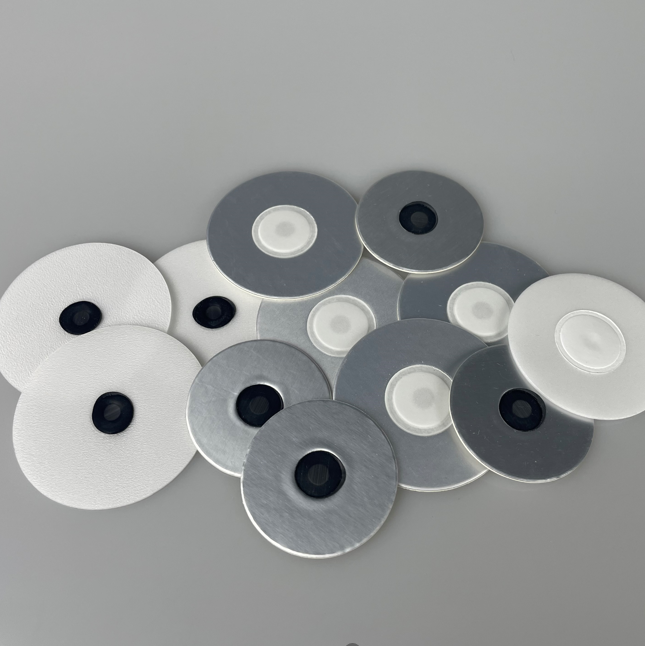
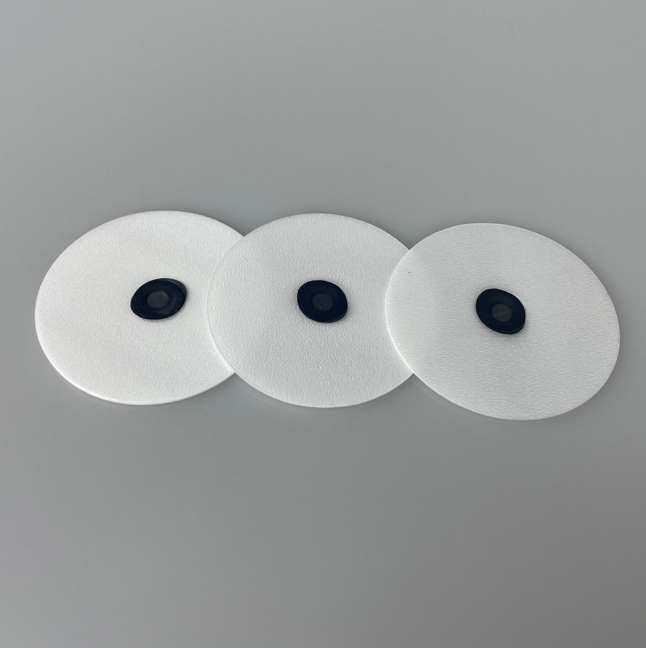
An air vent liner represents a crucial component in modern HVAC systems, designed to optimize airflow management and enhance overall system performance. This specialized product functions as a protective barrier within ventilation ducts, creating a smooth, efficient pathway for air circulation throughout residential, commercial, and industrial buildings. The air vent liner serves multiple essential purposes, including preventing air leakage, reducing energy consumption, and maintaining consistent temperature control across different zones. Its primary function involves creating an airtight seal within existing ductwork, eliminating gaps and cracks that typically cause energy loss and reduced system efficiency. The technological features of an air vent liner incorporate advanced materials engineered to withstand varying temperature conditions, moisture exposure, and constant airflow pressure. These materials often include high-grade polymers, flexible fabrics, or specialized metal composites that resist corrosion and degradation over time. The liner's construction utilizes innovative sealing technologies that ensure complete coverage of duct surfaces, preventing contamination from entering the airflow system. Modern air vent liner designs integrate seamlessly with existing infrastructure, requiring minimal modification to current installations. Applications for air vent liners span across numerous industries and building types. Residential properties benefit from improved indoor air quality and reduced utility costs, while commercial buildings achieve better climate control and occupant comfort. Industrial facilities utilize air vent liners to maintain precise environmental conditions necessary for manufacturing processes or storage requirements. Healthcare facilities rely on these systems to ensure sterile air circulation, preventing cross-contamination between different areas. Educational institutions implement air vent liner technology to create optimal learning environments with consistent temperature and air quality. The installation process typically involves professional assessment of existing ductwork, followed by precise measurement and custom fitting of the liner material to ensure maximum effectiveness and longevity.

New Product Recommendations

The air vent liner delivers substantial energy savings by eliminating air leakage that commonly occurs in traditional ductwork systems. Property owners experience immediate reductions in heating and cooling costs, as the liner prevents conditioned air from escaping through cracks, joints, and porous duct materials. This improved efficiency translates directly into lower monthly utility bills, with many users reporting savings of 15-30% on their energy expenses. The enhanced thermal performance created by the air vent liner maintains consistent temperatures throughout the building, reducing the workload on HVAC equipment and extending its operational lifespan. Indoor air quality improvements represent another significant advantage of installing an air vent liner. The barrier prevents dust, debris, allergens, and other contaminants from entering the airflow system through gaps in traditional ductwork. This protection ensures cleaner, healthier air circulation that benefits occupants with respiratory sensitivities or allergies. The air vent liner also prevents moisture infiltration, which reduces the risk of mold growth within duct systems and maintains optimal humidity levels throughout the building. Installation convenience makes the air vent liner an attractive solution for both new construction and retrofit projects. Professional technicians can install the liner system without major disruption to building operations, often completing the process within a single day for residential applications. The flexible nature of modern air vent liner materials allows for easy navigation around obstacles, corners, and complex ductwork configurations. Maintenance requirements remain minimal once the air vent liner is properly installed, as the durable materials resist wear and degradation under normal operating conditions. Long-term durability ensures that the air vent liner investment provides value for decades, with many products offering warranties that guarantee performance for 10-20 years. The materials resist temperature fluctuations, chemical exposure, and physical stress that typically cause deterioration in conventional ductwork. This reliability reduces the need for frequent repairs or replacements, further enhancing the cost-effectiveness of the air vent liner solution. Environmental benefits include reduced carbon footprint through improved energy efficiency and decreased waste generation from fewer system repairs and replacements.

Practical Tips

What is MicroVent®️ ePTFE membrane, and what are its uses?

25

Jun

What is MicroVent®️ ePTFE membrane, and what are its uses?

Understanding MicroVent® ePTFE Membrane Technology Material Composition and Microporous Structure MicroVent® ePTFE membranes are renowned for their highly distinctive microporous structure, which plays a crucial role in their functionality. ...
View More
What is a MicroVENT® screw-in vent bolt and how does it work?

18

Jul

What is a MicroVENT® screw-in vent bolt and how does it work?

Precision Venting Made Simple: Understanding the MicroVENT® Screw-In Vent Bolt In demanding industrial environments where electronic components, enclosures, and mechanical systems must be protected from pressure differentials and environmental s...
View More
What are the advantages of using MicroVENT® screw-in vent bolts for vehicle lamps and LED ?

18

Jul

What are the advantages of using MicroVENT® screw-in vent bolts for vehicle lamps and LED ?

Ensuring Performance and Protection for Vehicle Lamps Addressing Pressure and Moisture Challenges Modern vehicle lamps and LED systems are subject to continuous exposure to fluctuating temperatures and external environmental pressures. These changes...
View More
Are MicroVENT®️ Vent Screw Bolts Suitable for Outdoor and Harsh Environments?

28

Aug

Are MicroVENT®️ Vent Screw Bolts Suitable for Outdoor and Harsh Environments?

Understanding the Durability of Advanced Venting Solutions in Challenging Conditions Industrial equipment and enclosures face constant challenges from environmental factors, making proper venting solutions crucial for maintaining operational integrit...
View More

Get a Free Quote

Our representative will contact you soon.
Email
Name
Company Name
Message
0/1000

air vent liner

Superior Energy Efficiency and Cost Reduction

Superior Energy Efficiency and Cost Reduction

The air vent liner revolutionizes energy consumption in buildings by creating an impermeable barrier that prevents conditioned air from escaping through traditional ductwork imperfections. This innovative solution addresses one of the most significant sources of energy waste in HVAC systems, where studies indicate that conventional ducts can lose 20-40% of heated or cooled air through leaks and poor connections. The air vent liner eliminates these inefficiencies by forming a continuous, sealed pathway that maintains the integrity of the airflow system from source to destination. Property owners witness immediate and measurable improvements in their energy bills, with documented cases showing reductions of up to 35% in heating and cooling costs within the first year of installation. The enhanced efficiency extends beyond simple cost savings, as the air vent liner reduces the operational strain on HVAC equipment, leading to fewer breakdowns, extended equipment life, and reduced maintenance expenses. The thermal performance improvements created by the air vent liner ensure that temperature settings are maintained more consistently throughout the building, eliminating hot and cold spots that force systems to work harder to achieve desired comfort levels. This consistent performance reduces the cycling frequency of heating and cooling equipment, which not only saves energy but also minimizes wear and tear on mechanical components. The cumulative effect of these improvements typically results in a return on investment within 2-3 years, after which the ongoing savings continue to benefit property owners for the entire lifespan of the air vent liner. Environmental impact reduction becomes an additional benefit, as the decreased energy consumption directly correlates to lower carbon emissions and reduced demand on power generation systems. For commercial properties, these energy efficiency improvements can contribute to LEED certification points and other green building standards, potentially increasing property values and attracting environmentally conscious tenants or buyers.
Enhanced Indoor Air Quality and Health Protection

Enhanced Indoor Air Quality and Health Protection

The air vent liner serves as a critical barrier against airborne contaminants that commonly infiltrate buildings through compromised ductwork systems. Traditional ducts develop gaps, cracks, and connection failures over time, creating entry points for dust, pollen, mold spores, bacteria, and other harmful particles that degrade indoor air quality. The air vent liner eliminates these vulnerability points by creating a smooth, continuous surface that prevents contamination from entering the airflow system. This protection proves especially valuable for individuals with asthma, allergies, or other respiratory conditions, as the cleaner air circulation reduces exposure to triggers that can cause health complications. The moisture barrier properties of the air vent liner prevent humidity infiltration that commonly leads to mold and mildew growth within ductwork systems. By maintaining proper humidity levels and preventing condensation accumulation, the air vent liner creates an environment that inhibits microbial growth and preserves the cleanliness of the air distribution system. Healthcare facilities, schools, and commercial buildings particularly benefit from these air quality improvements, as occupant health and productivity directly correlate with air cleanliness. The air vent liner also prevents the circulation of construction debris, insulation particles, and other building materials that may have accumulated in ductwork over time. Regular HVAC system operation can distribute these particles throughout occupied spaces, contributing to poor air quality and potential health risks. The protective barrier created by the air vent liner isolates the airflow from these contaminants, ensuring that only filtered, conditioned air reaches building occupants. Professional installation of the air vent liner includes thorough cleaning of existing ductwork before liner placement, removing accumulated debris and contaminants that may have built up over years of operation. This comprehensive approach ensures that the air vent liner system starts with a clean foundation and maintains superior air quality standards throughout its operational life.
Versatile Installation and Long-Term Reliability

Versatile Installation and Long-Term Reliability

The air vent liner demonstrates exceptional adaptability across diverse building types and HVAC configurations, making it a universally applicable solution for air quality and efficiency improvements. Professional installation teams can successfully implement air vent liner systems in residential homes, commercial office buildings, industrial facilities, hospitals, schools, and specialized environments such as clean rooms or food processing plants. The flexible nature of modern air vent liner materials allows for seamless navigation through complex ductwork systems, including tight corners, multiple branches, and irregular shapes that characterize many existing installations. This versatility eliminates the need for costly ductwork modifications or replacements, as the air vent liner conforms to existing infrastructure while providing superior performance characteristics. The installation process typically requires minimal disruption to building operations, with most residential projects completed within a single day and larger commercial installations finishing within a few days. Advanced air vent liner materials incorporate multiple layers of specialized components designed to withstand decades of continuous operation under varying environmental conditions. These materials resist temperature extremes, chemical exposure, moisture infiltration, and physical stress that commonly cause deterioration in traditional ductwork systems. The durability testing of quality air vent liner products demonstrates performance stability under accelerated aging conditions that simulate 20-30 years of normal operation. Warranty coverage for premium air vent liner installations often extends 10-20 years, providing property owners with confidence in their investment and protection against unexpected replacement costs. Maintenance requirements remain minimal throughout the operational life of the air vent liner, as the smooth interior surface resists debris accumulation and the sealed construction prevents contamination entry. Periodic inspection and basic HVAC system maintenance ensure optimal performance, but the air vent liner itself requires no special care or treatment. The long-term reliability of the air vent liner system provides predictable performance and costs, allowing property managers to plan budgets with confidence and avoid unexpected expenses related to ductwork failures or efficiency degradation.

Get a Free Quote

Our representative will contact you soon.
Email
Name
Company Name
Message
0/1000