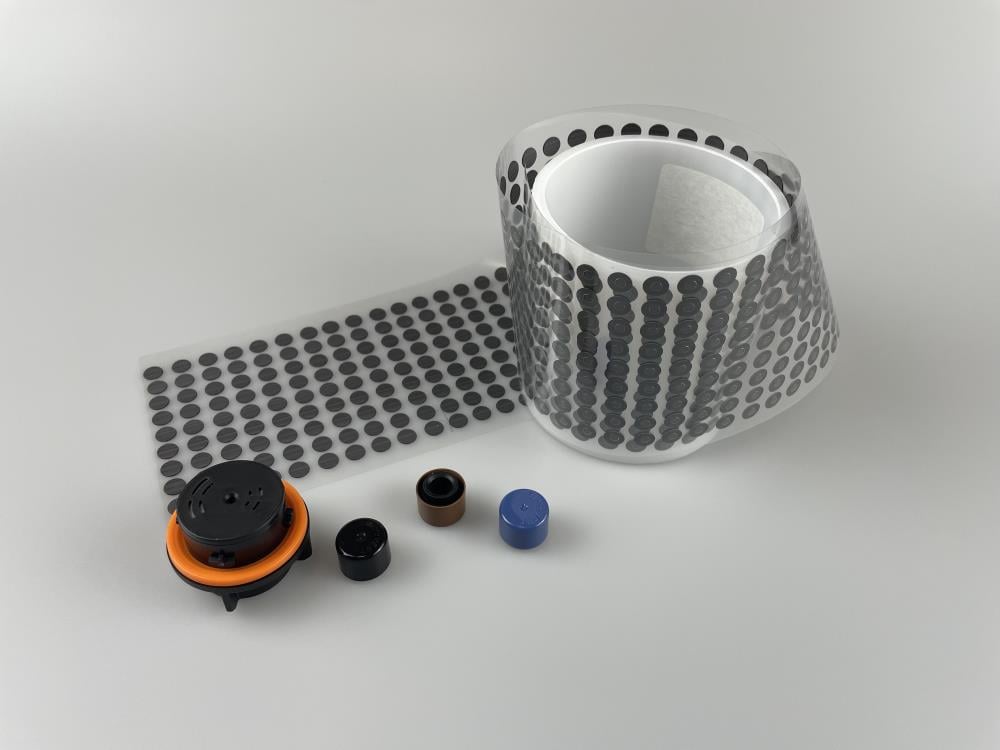
Vent Induction Seal for Packaging Selection

All Categories

Get a Free Quote

Our representative will contact you soon.
Email
Name
Company Name
Message
0/1000
Vent Induction Seal Guide for Package Review

Vent Induction Seal Guide for Package Review

A vent induction seal is a package part to review when a closed pack may face a change in heat, height, or inner pressure. This guide helps teams look at the bottle, cap, liner, seal, and fill before they choose a part. MicroVENT lists ePTFE membrane and vent bottle PE liner as product paths. Its profile also lists porous, hydrophobic, and oleophobic material traits. Those traits are background facts, not proof that one part fits every pack. A vent induction seal needs review with the true fill, cap shape, seal stack, and use case. Send these details for a focused part discussion and quote request.
Get A Quote

Verified Product Directions

Confirmed material and package vent directions for an early review.

ePTFE Material Path

The merchant profile lists ePTFE membrane and gives porous, hydrophobic, oleophobic, heat-resistance, and chemical-stability traits. A vent induction seal is a material-path discussion, not a final result. Each vent induction seal still needs a review for the real pack, fill, and use case.

Package Venting Focus

The site lists vent bottle PE liner and packaging venting product paths. It also lists composite, laminate, and surface work. A vent induction seal can start with a part-fit talk. This vent induction seal path does not make a broad outcome claim.

Related Venting Components

Two documented parts for package vent discussions.
Review the Whole Pack

Review the Whole Pack

A vent induction seal works within a full pack, not on its own. A vent induction seal review checks the bottle, cap, seal stack, fill, and pressure need as one set. The listed vent membrane and Vent PE liner give two documented paths for an early package review.

Start With the Pack

Each vent induction seal starts with the pack. A vent induction seal review begins with the pack facts. List the bottle type, neck size, cap, liner, and seal stack. State what the pack holds. State how it moves and where it stays. Note if heat, cold, height, or gas may change the inner pressure. A vent induction seal is not a stand-alone answer. It is one part of a full pack plan.

Use plain facts at this stage. Give the fill type. Give the fill size. Give the head space, if known. Add the use time and storage plan. A photo or sketch can help. These facts let a team ask the right fit questions. They do not prove a final result.

Check the Cap and Liner

A vent induction seal must fit the cap, liner, and bottle as a set. This vent induction seal fit check needs the real parts. Look at the room in the cap. Look at the liner area. Check the seal layers and the face that meets the bottle. Show how the parts go together. A vent induction seal may need a new part shape or a new stack. The real part path depends on the pack build.

  • Check the bottle mouth and cap shape before you pick a part.
  • Show the seal layers and the liner spot in the pack.
  • Say if the pack is opened once or many times.
  • Keep a note of how the pack is put together.

The listed vent membrane and Vent PE liner are two product paths for this talk. They are not a claim that either part fits every cap. Use a drawing or sample to make the fit review more clear. A vent induction seal needs that pack detail before a team can move on.

Match the Part to the Fill

The fill can change the review. Tell the team if the fill is water based, oil based, dry, or another type. Share what you can about use and storage. The merchant profile lists porous ePTFE traits. It also lists hydrophobic and oleophobic traits. A vent induction seal still needs to be checked with the true fill and pack use.

Do not make a choice from one broad material claim. Check the fill and the pressure need first. Then check the cap and liner fit. This order is simple, but it can save time. A vent induction seal review should link each part fact to the real pack need. That keeps the talk clear and fair.

Set a Test Plan

Set out what needs to be checked before a final choice. A vent induction seal test plan follows the pack facts. Start with a part drawing and the target pack. Add the cap, liner, bottle, and seal stack. State the fill and the change in heat or pressure that matters. A vent induction seal may need more facts before a team can set a test plan.

  • Ask for part data that names the part and its pack role.
  • Share a cap, liner, bottle, or drawing for a fit talk.
  • State the fill type and the pressure change of concern.
  • Agree on what the team needs to check before use.

If a test rule is named, check that it fits the pack and use case. Do not treat a general rule as proof. Do not treat a material note as a final pack result. A vent induction seal needs proof that matches the pack at hand. The exact proof will depend on the project facts.

Send a Clear Request

For a vent induction seal request, send the bottle type, cap facts, seal stack, and fill type. Say why the pack may need a vent. Add the heat or pressure facts that you know. Send a photo, drawing, or part note if you have one. Ask which data or fit facts need review. A vent induction seal talk can then move from a broad idea to a clear next step. The listed product paths give a sound place to start that talk.

Vent Induction Seal FAQ

Short answers for an early package review.

What facts help review a vent induction seal?

A vent induction seal review starts with the bottle, neck, cap, liner, and seal stack. Add the fill type and the way the pack is stored or moved. Note any heat, height, or pressure change that may matter. A photo, sketch, or sample can help show the part fit. A vent induction seal review uses these facts to set the next questions. They do not prove that a part will fit. The final need depends on the real pack and fill.
No. A vent induction seal is not right for every pack. Each vent induction seal needs the same pack-fit review. The bottle, cap, seal stack, fill, and use plan all matter. A material trait is useful background, but it is not proof of a full pack result. Check the true pack build and the pressure need first. Then ask what data is needed. A vent induction seal should be picked only after that fit review.
The fill can change the questions that need review. A vent induction seal must be tied to those fill facts. State if it is water based, oil based, dry, or another type. Give any safe-to-share facts on storage and use. The profile lists ePTFE traits, such as hydrophobic and oleophobic directions. A vent induction seal still needs a review with the true fill. Do not choose from a broad part claim alone. Link each choice to the pack facts.
Send the bottle and cap facts, liner plan, seal stack, and fill type. Name the vent induction seal use case in the request. Say why a vent induction seal is under review. Add known heat or pressure changes. A photo, drawing, or part note is useful when you have one. Ask what fit data or part data is needed next. This helps the team start with the pack facts. It also keeps the vent induction seal discussion focused on the real use case.

Get a Free Quote

Our representative will contact you soon.
Email
Name
Company Name
Message
0/1000

Related Packaging Vent Topic

Get a Free Quote

Our representative will contact you soon.
Email
Name
Company Name
Message
0/1000