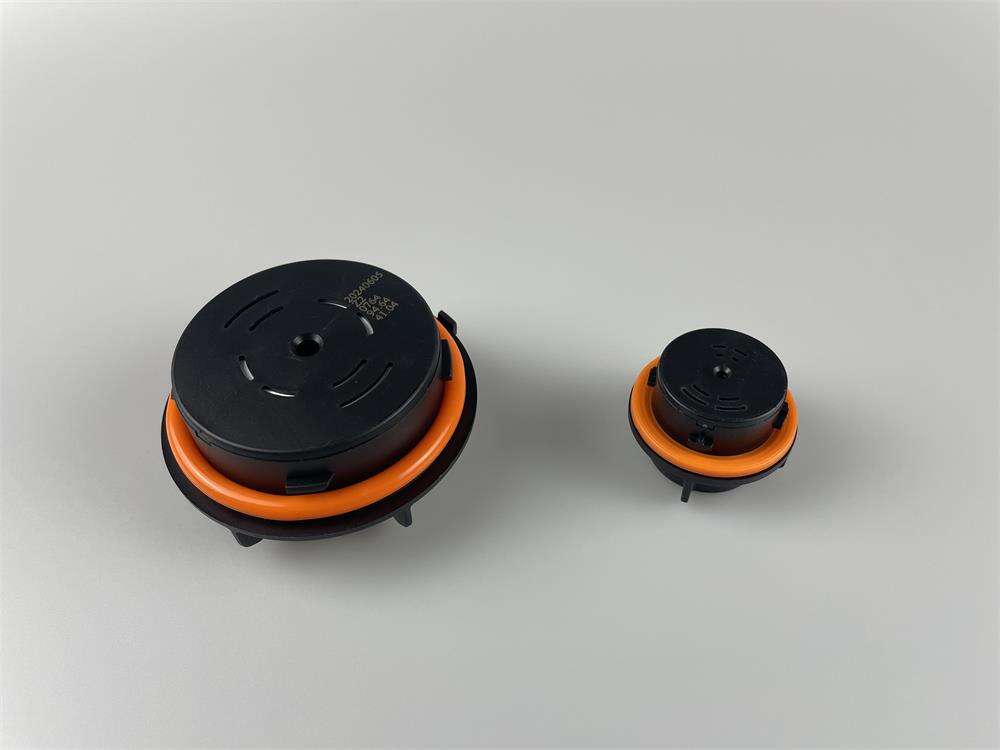
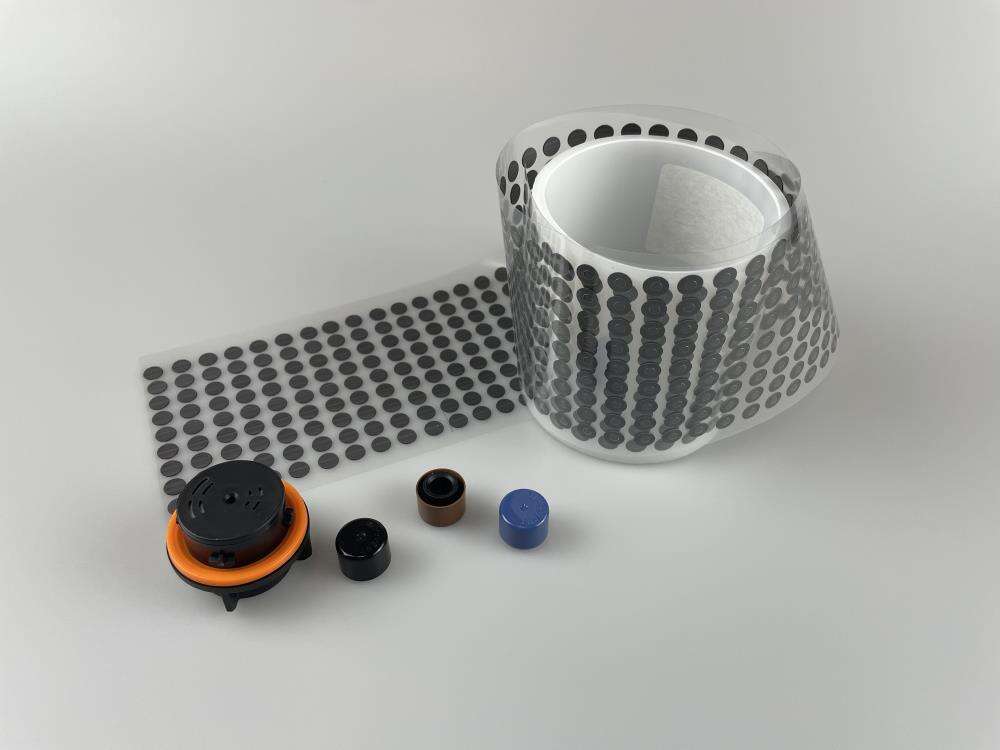
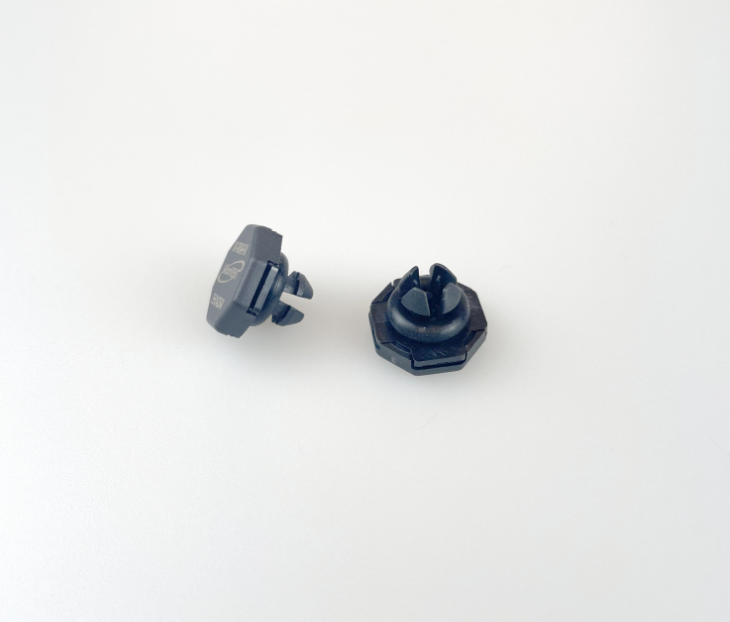
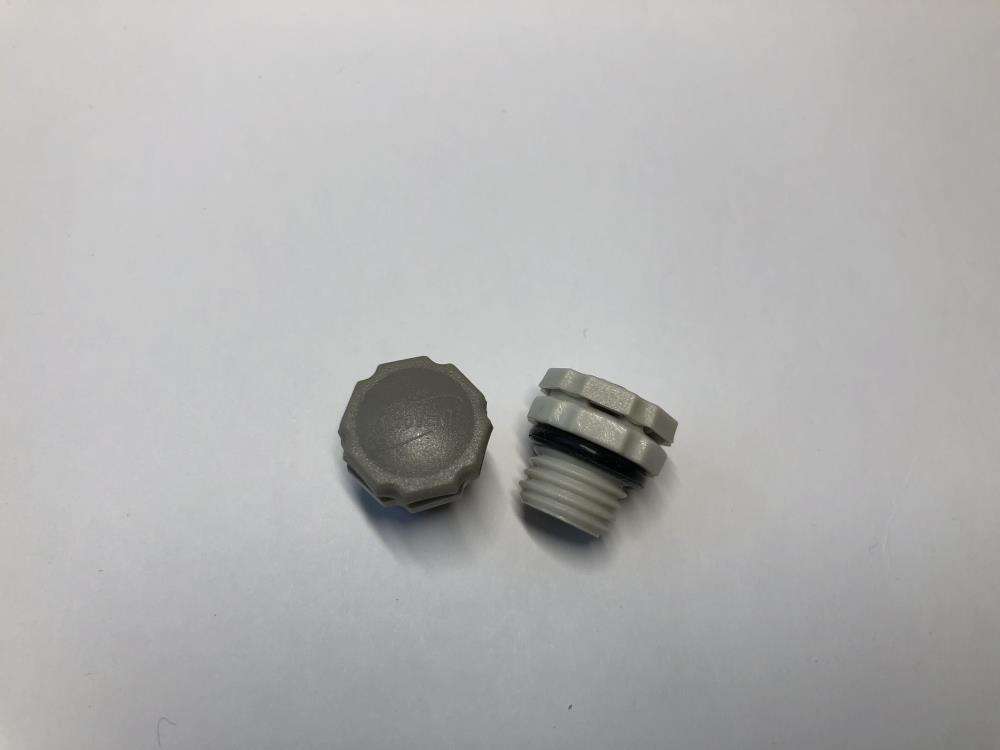
vent bottle cap liner
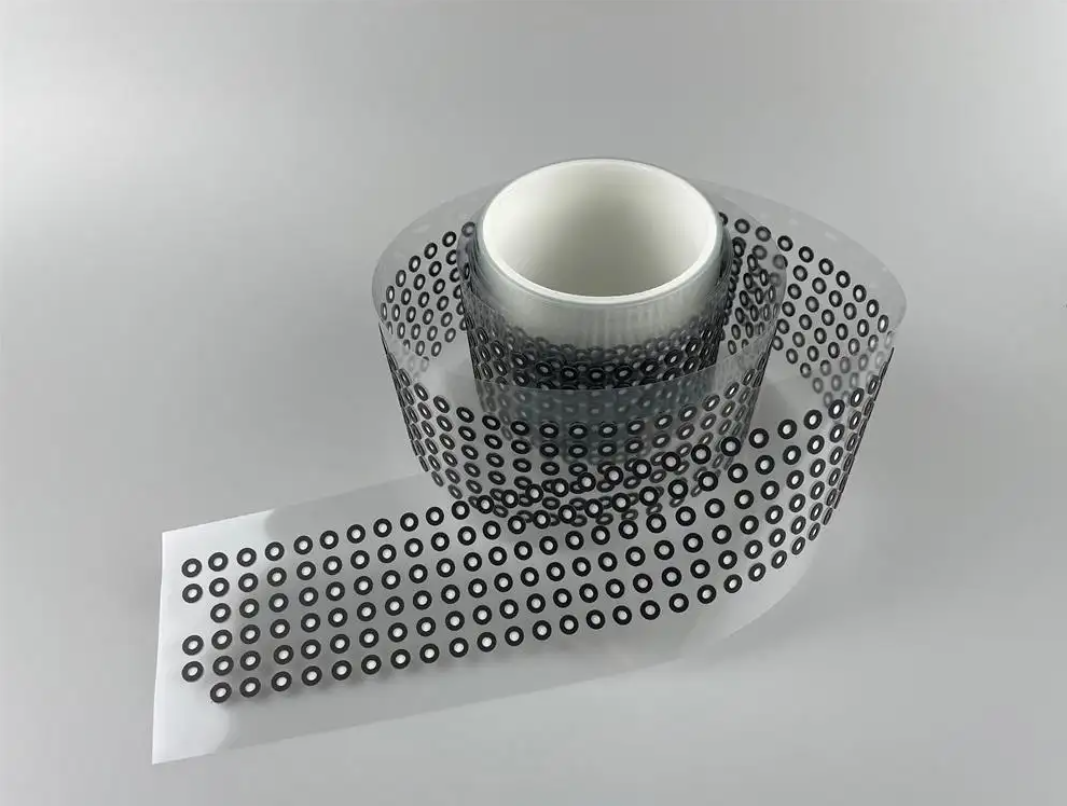
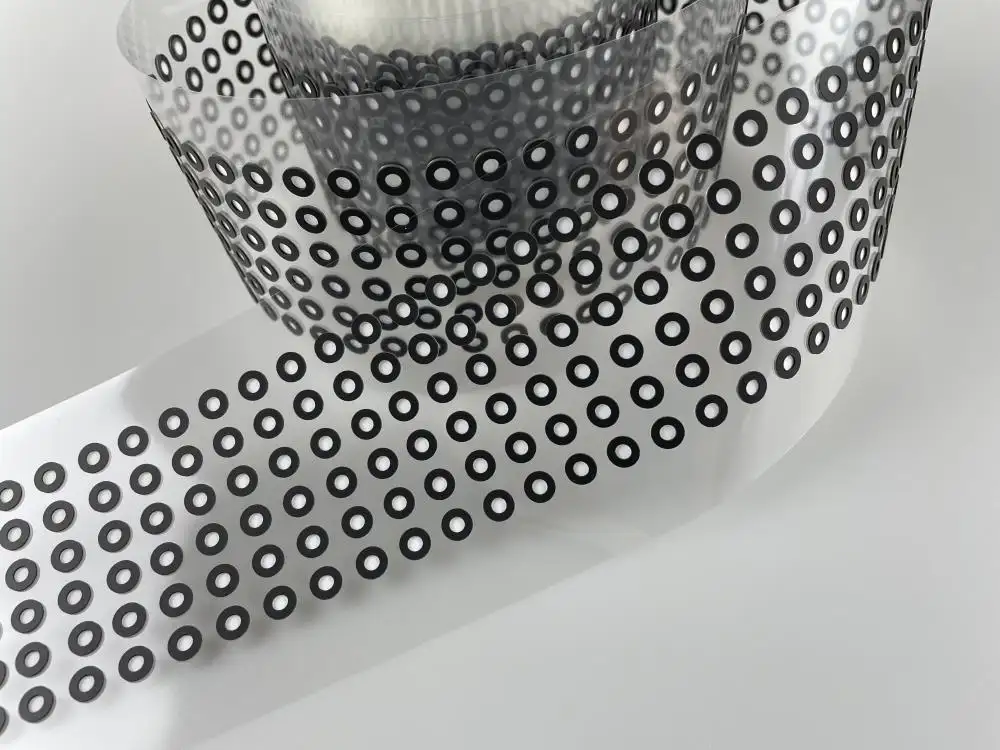
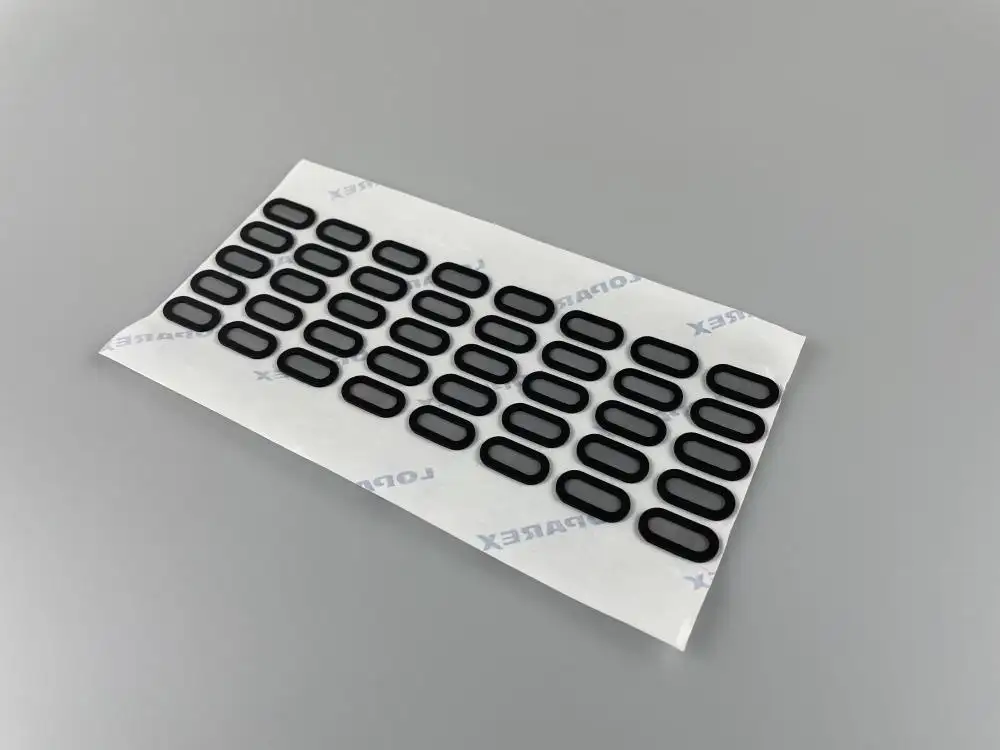
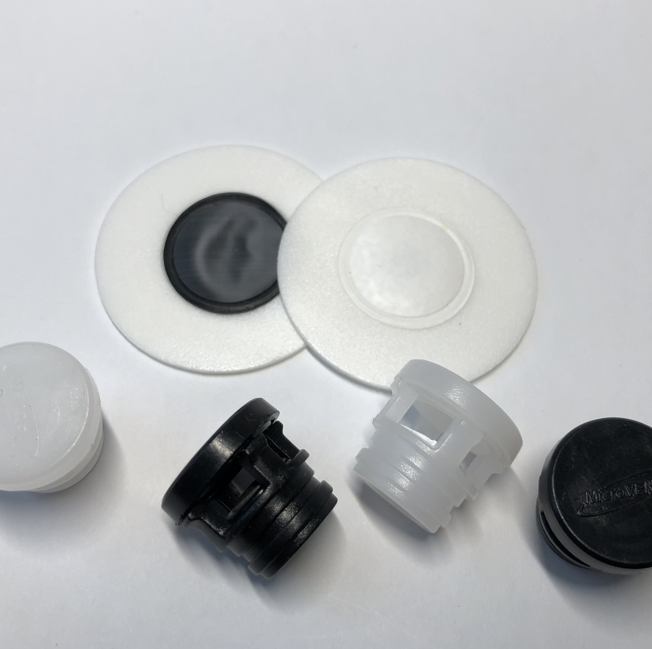
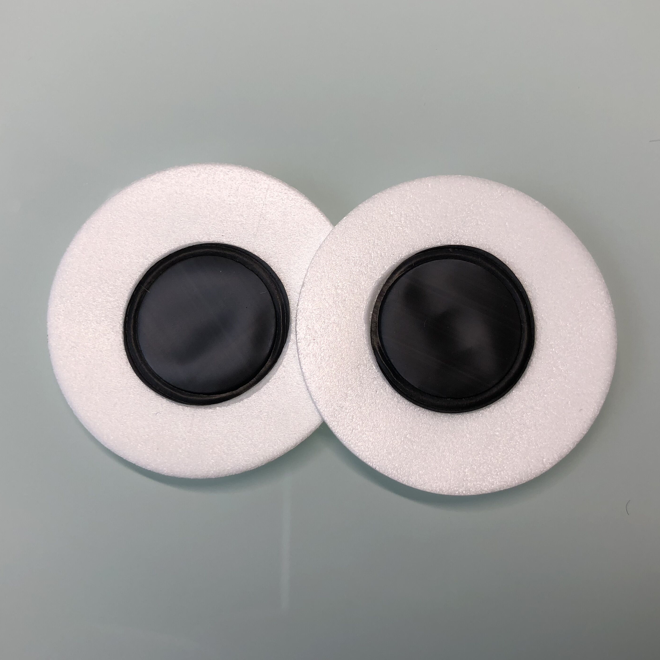
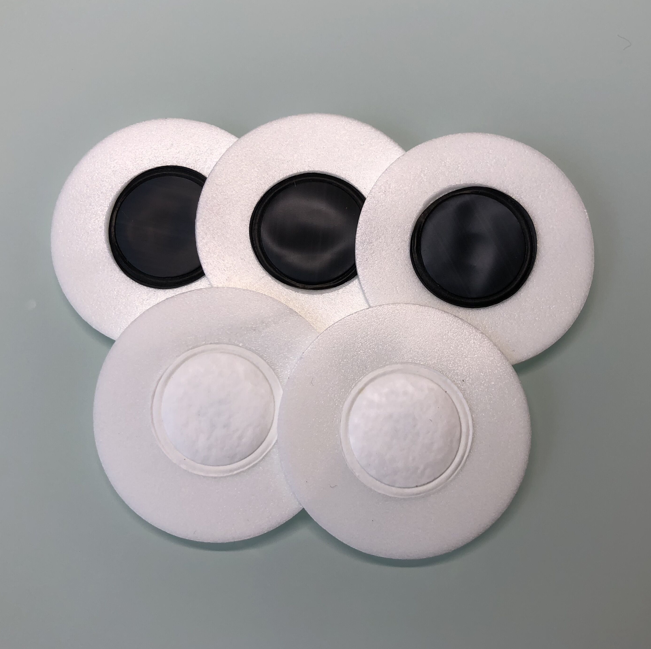
The vent bottle cap liner represents a revolutionary advancement in packaging technology, designed to address critical pressure management challenges in liquid storage and transportation. This specialized liner integrates seamlessly into standard bottle caps, providing controlled venting capabilities that prevent dangerous pressure buildup while maintaining product integrity. The vent bottle cap liner functions as a sophisticated pressure relief system, incorporating microporous materials and precision-engineered channels that allow gases to escape while preventing liquid spillage. The core technology behind the vent bottle cap liner utilizes advanced membrane filtration principles, enabling selective permeability that distinguishes between gas molecules and liquid particles. This selective barrier ensures that volatile compounds can escape safely without compromising the contained liquid's quality or quantity. The vent bottle cap liner features temperature-resistant materials that maintain functionality across diverse environmental conditions, from freezing temperatures to elevated heat scenarios. Its construction typically involves multiple layers of specialized polymers and breathable membranes that work in harmony to regulate internal pressure dynamics. Manufacturing processes for the vent bottle cap liner employ cutting-edge precision molding techniques, ensuring consistent performance characteristics across production batches. The liner's compatibility extends across various bottle neck configurations, making it versatile for different container specifications. Quality control measures for vent bottle cap liner production include rigorous pressure testing, leak detection protocols, and durability assessments under extreme conditions. Applications span numerous industries including chemical storage, pharmaceutical packaging, automotive fluids, household cleaners, and industrial solvents. The vent bottle cap liner proves particularly valuable in scenarios where temperature fluctuations could create dangerous pressure variations, offering peace of mind for both manufacturers and consumers. Its implementation reduces liability concerns related to container failure while extending product shelf life through optimized internal atmospheric conditions.
 EN
EN
 AR
AR
 CS
CS
 FR
FR
 DE
DE
 IT
IT
 JA
JA
 KO
KO
 PT
PT
 RU
RU
 ES
ES
 ID
ID
 VI
VI
 TH
TH
 TR
TR
 MS
MS