Microvent Acoustic Membrane Technology: Advanced Sound Control & Environmental Protection Solutions

All Categories

Get a Free Quote

Our representative will contact you soon.
Email
Name
Company Name
Message
0/1000

microvent acoustic membrane

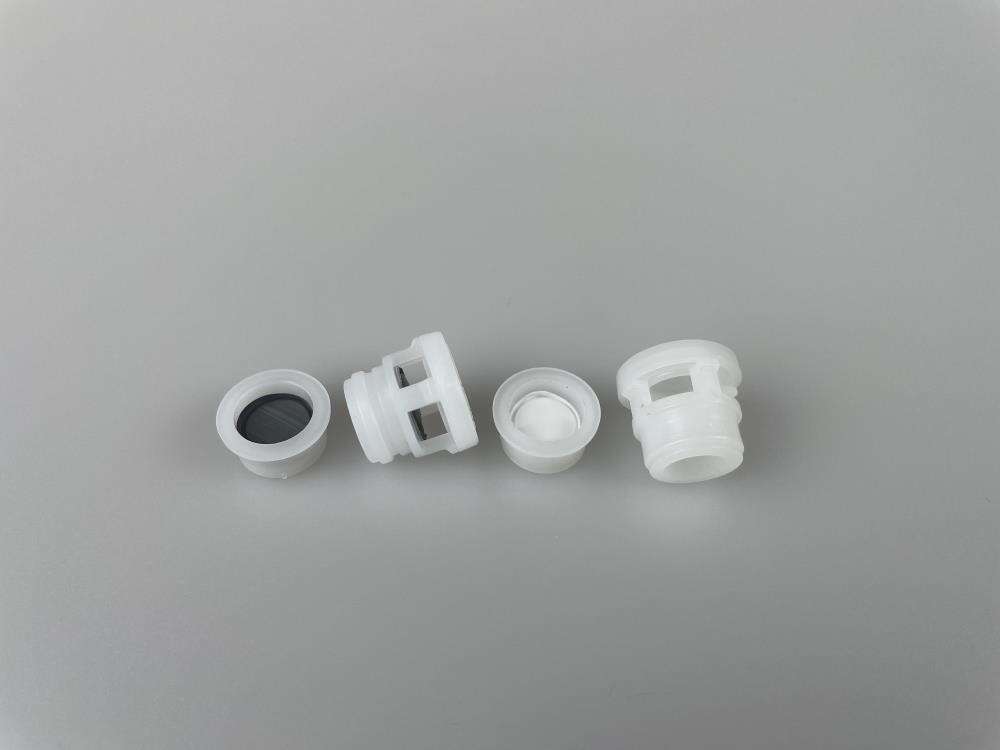
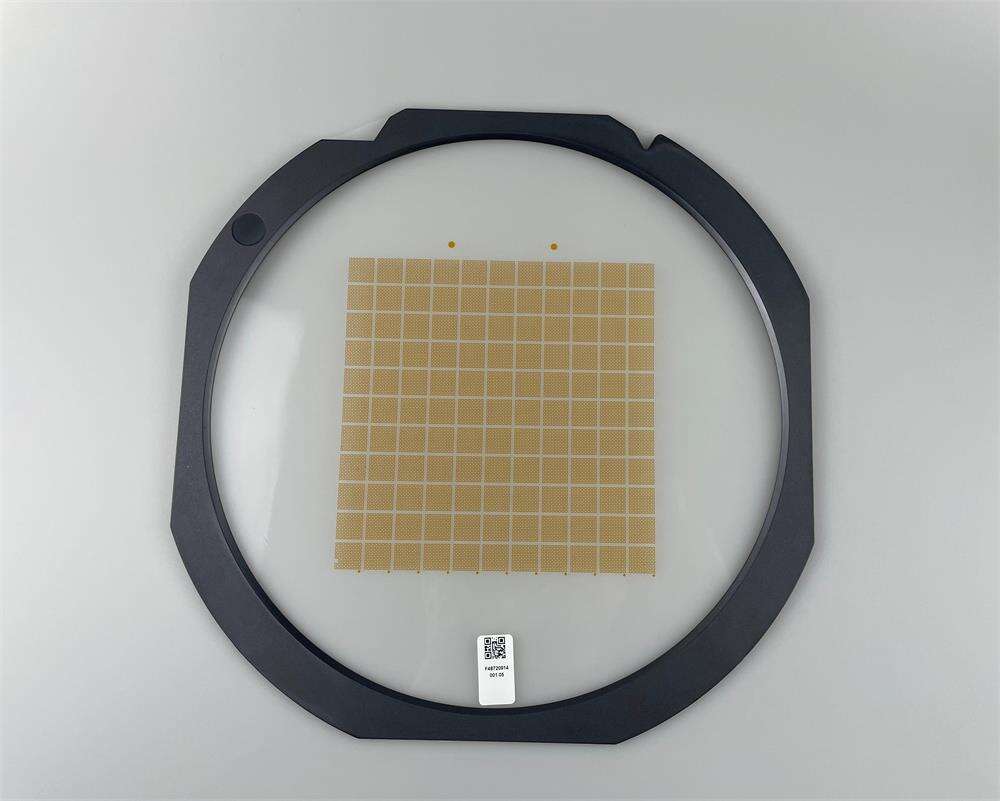
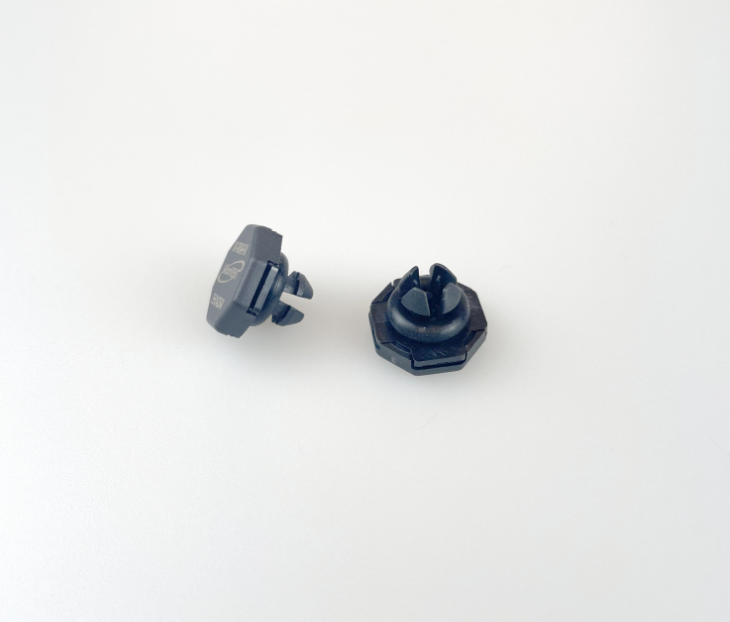
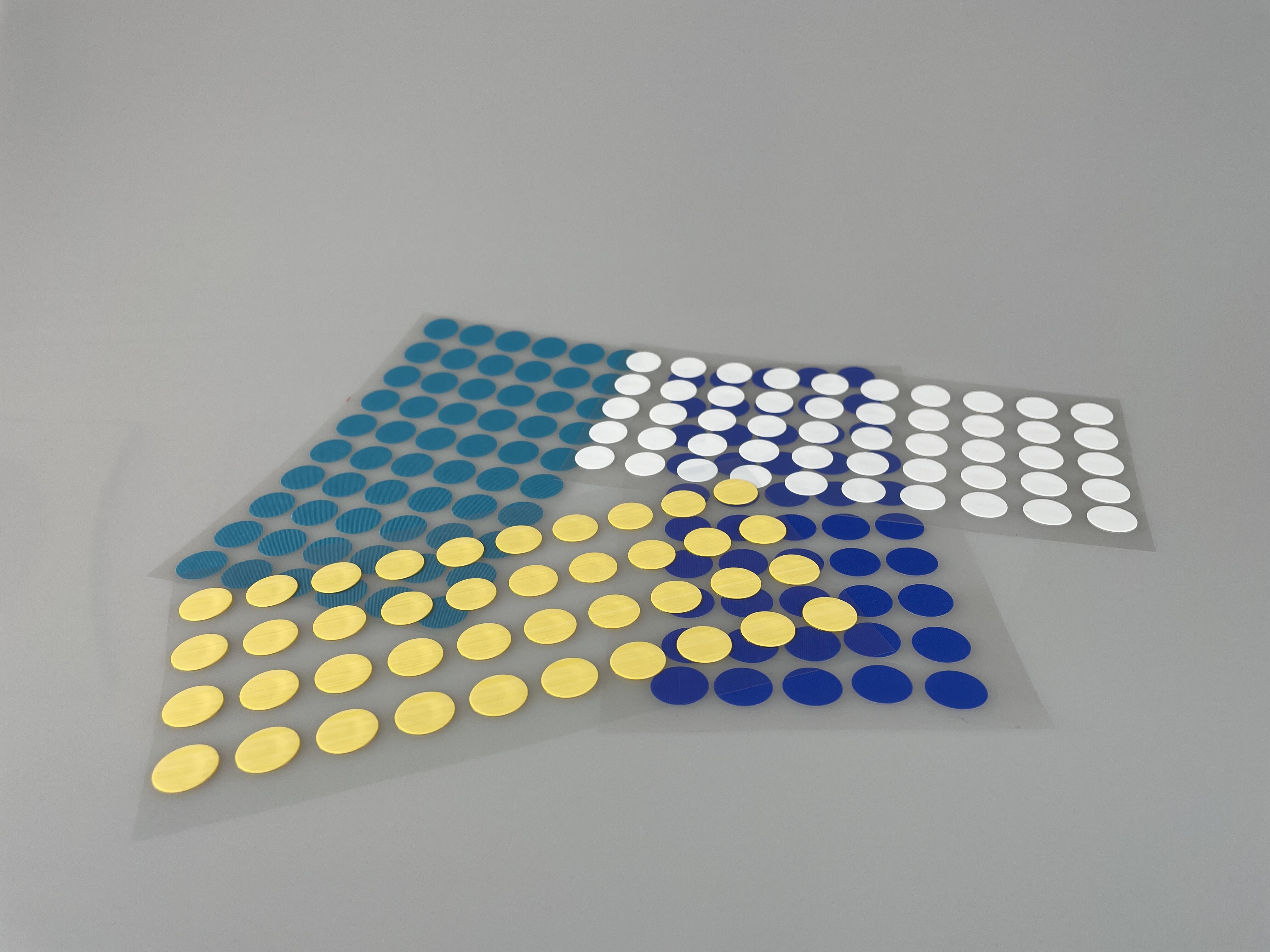
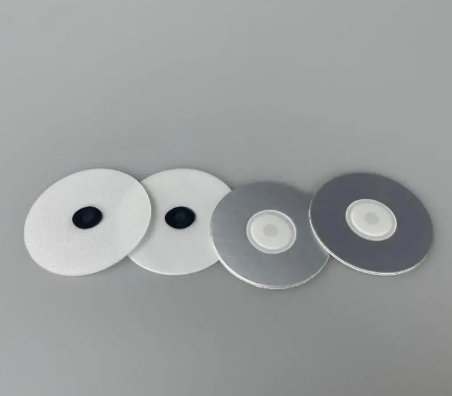
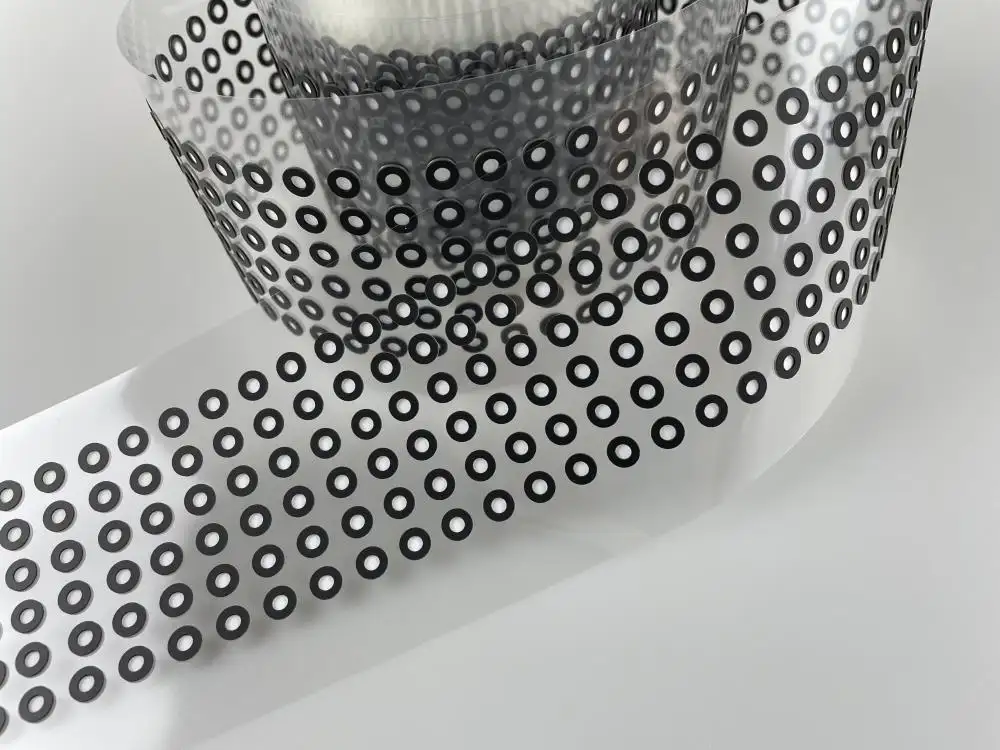
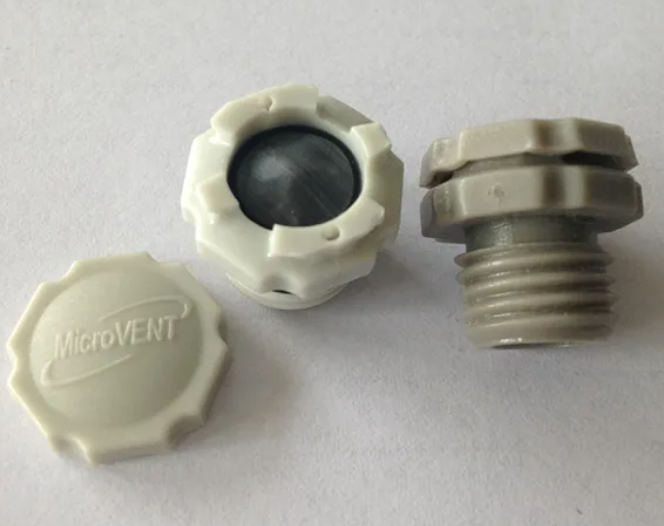
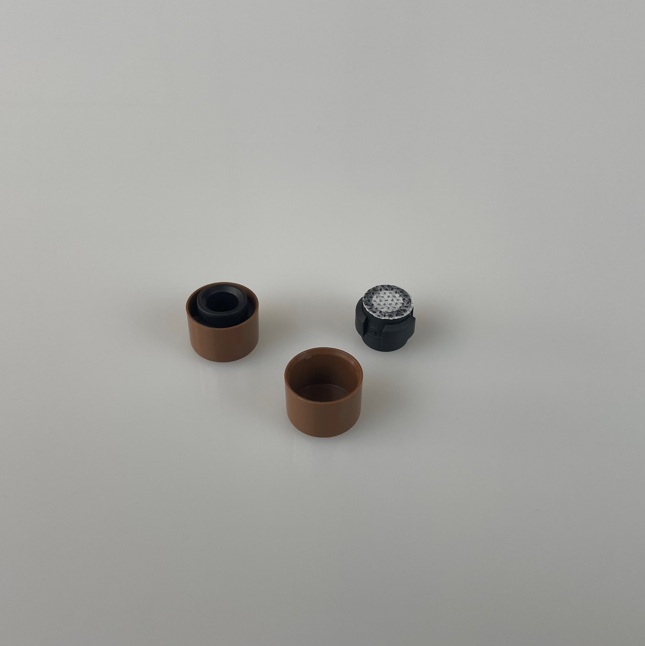
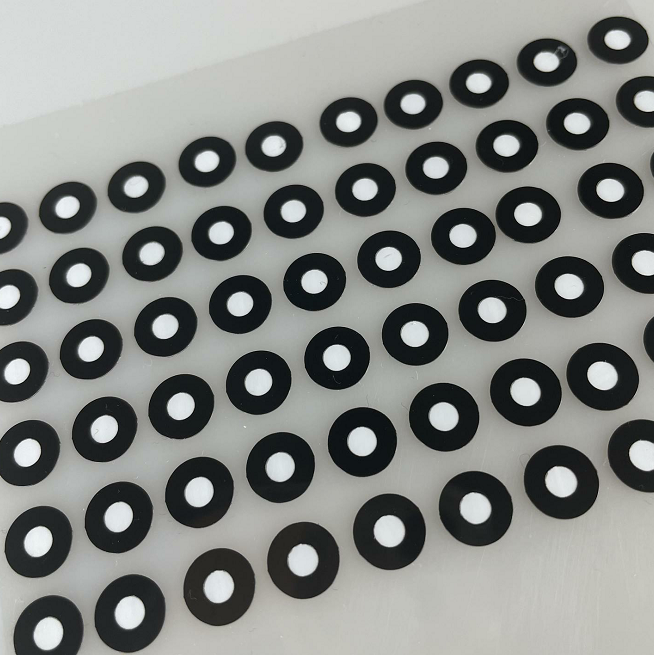
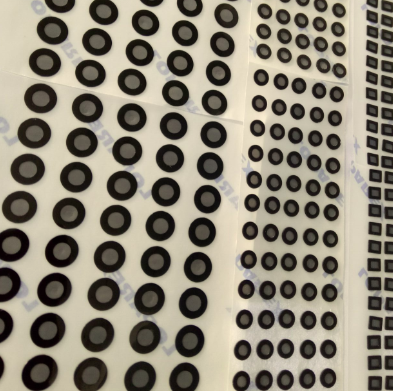
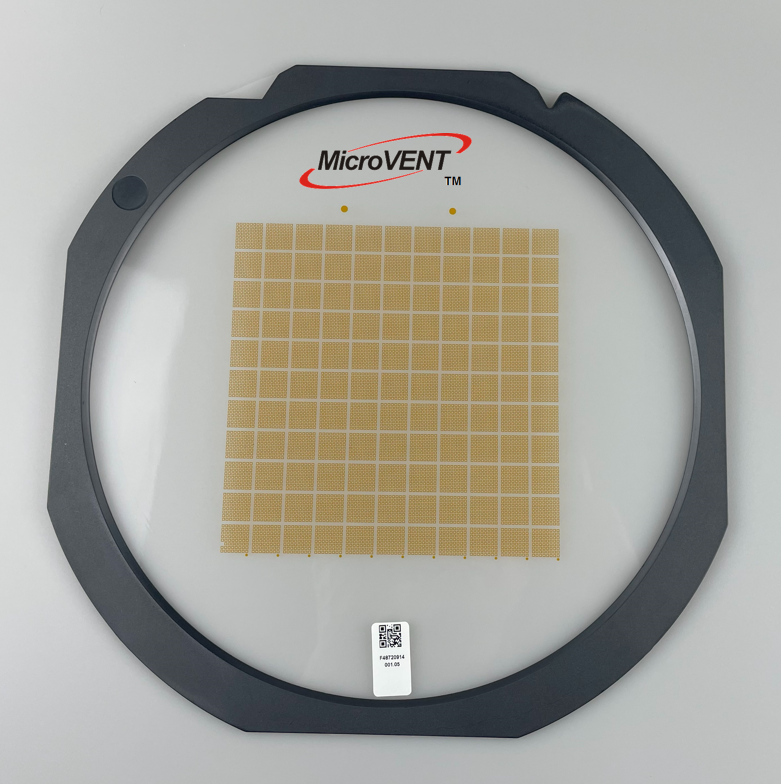
The microvent acoustic membrane represents a revolutionary advancement in sound management technology, designed to optimize acoustic performance while maintaining essential ventilation capabilities. This sophisticated component serves as a critical barrier that selectively manages sound transmission without compromising airflow requirements in various electronic devices and enclosures. The microvent acoustic membrane functions primarily as a protective element that prevents dust, moisture, and contaminants from entering sensitive equipment while allowing controlled air exchange. Its innovative design incorporates microscopic pores that create an effective acoustic seal, significantly reducing unwanted noise transmission while preserving the necessary ventilation for proper device operation. The technological foundation of the microvent acoustic membrane relies on advanced materials engineering, utilizing specialized polymers and membrane structures that respond differently to sound waves versus air movement. This selective permeability ensures optimal performance in demanding environments where both acoustic control and environmental protection are essential. The membrane's construction typically features multiple layers, each engineered to address specific acoustic frequencies and environmental challenges. Modern microvent acoustic membrane technology employs cutting-edge manufacturing processes that create consistent pore structures, ensuring reliable performance across temperature variations and extended operational periods. These membranes find extensive applications in consumer electronics, automotive systems, telecommunications equipment, and industrial machinery where noise reduction is critical. The versatility of the microvent acoustic membrane makes it suitable for integration into smartphones, tablets, speakers, headphones, and various portable devices. In automotive applications, these membranes help reduce cabin noise while maintaining proper ventilation for electronic components. The telecommunications industry relies heavily on microvent acoustic membrane technology to enhance call quality and reduce background interference in communication devices. Industrial applications benefit from the membrane's ability to protect sensitive equipment from harsh environmental conditions while maintaining acoustic performance standards.

New Product Releases

The microvent acoustic membrane offers substantial benefits that directly impact user experience and device performance across multiple applications. Users experience significantly improved audio quality when devices incorporate this advanced membrane technology, as it effectively blocks external noise interference while maintaining clear internal sound transmission. The membrane creates a controlled acoustic environment that enhances the listening experience by reducing unwanted background sounds and improving signal clarity. Device manufacturers benefit from extended product lifespan when implementing microvent acoustic membrane solutions, as the protective barrier prevents dust accumulation and moisture ingress that typically cause component degradation over time. This protection translates into reduced warranty claims and increased customer satisfaction, providing measurable value for both manufacturers and end-users. The installation process for microvent acoustic membrane components remains straightforward and cost-effective, requiring minimal modifications to existing product designs while delivering substantial performance improvements. Manufacturing efficiency increases as these membranes integrate seamlessly into standard production workflows without requiring specialized equipment or extensive training. Quality control becomes more predictable with microvent acoustic membrane implementation, as the consistent performance characteristics ensure reliable acoustic properties across production batches. End-users appreciate the enhanced durability that microvent acoustic membrane technology provides, particularly in portable devices exposed to various environmental conditions. The membrane's resistance to temperature fluctuations and humidity variations ensures consistent performance regardless of usage conditions. Energy efficiency improves in many applications as the microvent acoustic membrane reduces the need for active noise cancellation systems, leading to extended battery life in portable devices. Maintenance requirements decrease significantly when devices utilize these protective membranes, as internal components remain cleaner and require less frequent servicing. The versatile design options available with microvent acoustic membrane technology allow manufacturers to customize solutions for specific applications while maintaining standardized performance metrics. Cost-effectiveness becomes apparent over the product lifecycle as reduced failure rates and extended operational periods offset initial implementation investments. Consumer acceptance increases as devices featuring microvent acoustic membrane technology deliver consistently superior audio performance and enhanced reliability compared to traditional alternatives.

Practical Tips

How Does a Vent PE Liner Improve Packaging Performance?

21

May

How Does a Vent PE Liner Improve Packaging Performance?

Understanding the Role of Vent PE Liners in Packaging What Are Vent PE Liners? Vent PE Liner Incorporates a unique form of packaging to improve performance by allowing reverse gas exchange but keeping out contaminants. They are unlike older lin...
View More
How durable is MicroVent®️ ePTFE membrane in extreme environments?

25

Jun

How durable is MicroVent®️ ePTFE membrane in extreme environments?

Chemical Resistance in Corrosive Environments Resistance to Acids, Bases, and Industrial Solvents The outstanding chemical resistance of ePTFE membranes make them ideal for use in even the most caustic environments. They are stable against&ensp...
View More
How to choose the right MicroVENT® screw-in vent bolt for your vehicle lamps project?

18

Jul

How to choose the right MicroVENT® screw-in vent bolt for your vehicle lamps project?

Selecting the Ideal Venting Solution for Automotive Lighting Understanding the Role of Vent Bolts in Vehicle Lamps Modern vehicle lamps have evolved beyond simple illumination tools. They now feature intricate LED modules, sensors, and thermal manag...
View More
How to Install a MicroVENT®️ Vent ePTFE Membrane for Acoustic Applications

28

Aug

How to Install a MicroVENT®️ Vent ePTFE Membrane for Acoustic Applications

Essential Guide to Acoustic Membrane Installation The installation of a MicroVENT vent ePTFE membrane represents a crucial step in optimizing acoustic performance while maintaining proper pressure equalization in electronic devices. This comprehensiv...
View More

Get a Free Quote

Our representative will contact you soon.
Email
Name
Company Name
Message
0/1000

microvent acoustic membrane

Superior Noise Isolation Performance

Superior Noise Isolation Performance

The microvent acoustic membrane delivers exceptional noise isolation capabilities that fundamentally transform how devices manage unwanted sound transmission. This advanced technology creates an effective acoustic barrier that blocks external noise while preserving essential device functionality, making it invaluable for applications where sound quality is paramount. The membrane's sophisticated structure incorporates precisely engineered pore configurations that selectively filter different frequency ranges, ensuring optimal acoustic performance across various operating conditions. Users experience dramatically reduced background noise interference, resulting in clearer audio output and improved communication quality in phones, headsets, and other audio devices. The isolation performance remains consistent across temperature variations and humidity changes, providing reliable acoustic protection in diverse environmental conditions. Manufacturing processes for the microvent acoustic membrane ensure uniform pore distribution and consistent acoustic properties, eliminating performance variations that can compromise sound quality. The membrane's multi-layer construction enables fine-tuned acoustic control, allowing engineers to optimize noise isolation for specific frequency ranges while maintaining necessary airflow characteristics. Testing protocols demonstrate that devices incorporating this membrane technology achieve significant improvements in signal-to-noise ratios compared to conventional alternatives. The acoustic isolation benefits extend beyond consumer electronics to include automotive applications where cabin noise reduction enhances passenger comfort and communication systems performance. Industrial equipment benefits from reduced noise pollution while maintaining proper ventilation, supporting workplace safety requirements and environmental compliance standards. The membrane's effectiveness in blocking low-frequency noise pollution makes it particularly valuable in urban environments where devices must perform reliably despite constant background sound interference. Long-term performance studies confirm that the noise isolation properties of the microvent acoustic membrane remain stable throughout extended operational periods, ensuring consistent user experience and device reliability.
Advanced Environmental Protection

Advanced Environmental Protection

The microvent acoustic membrane provides comprehensive environmental protection that safeguards sensitive electronic components from harmful contaminants while maintaining essential ventilation requirements. This protective capability stems from the membrane's unique ability to block dust particles, moisture droplets, and other airborne contaminants that typically cause device failures and performance degradation. The microscopic pore structure acts as an effective filtration system, preventing particles larger than specified thresholds from entering device enclosures while allowing controlled air exchange for temperature regulation. Manufacturing quality controls ensure consistent pore sizing across membrane surfaces, providing reliable protection against environmental hazards in various operating conditions. The membrane's chemical resistance properties protect against corrosive substances and atmospheric pollutants that can damage internal components over time. Humidity control becomes more predictable with microvent acoustic membrane implementation, as the membrane regulates moisture ingress while preventing condensation buildup inside sealed enclosures. Temperature cycling tests demonstrate the membrane's ability to maintain protective properties across extreme temperature ranges, ensuring reliable performance in both hot and cold environments. The environmental protection extends to electromagnetic interference shielding, as the membrane's conductive properties can be tailored to provide additional protection against radio frequency interference. Salt spray resistance testing confirms the membrane's effectiveness in marine environments where corrosive conditions typically accelerate component deterioration. UV radiation protection capabilities ensure long-term stability in outdoor applications where direct sunlight exposure could otherwise degrade protective barriers. Chemical compatibility testing validates the membrane's performance with various cleaning agents and solvents, supporting maintenance procedures without compromising protective effectiveness. The membrane's flexibility allows it to maintain sealing properties during device operation while accommodating thermal expansion and mechanical stress without failure.
Cost-Effective Integration Solution

Cost-Effective Integration Solution

The microvent acoustic membrane represents an exceptionally cost-effective integration solution that delivers substantial performance improvements while minimizing implementation complexity and expense. This economic advantage stems from the membrane's compatibility with existing manufacturing processes, eliminating the need for costly equipment modifications or extensive production line changes. Design engineers appreciate the standardized dimensions and mounting options available, allowing for seamless integration into both new product development and retrofit applications without significant engineering overhead. The membrane's modular design approach enables manufacturers to implement acoustic improvements incrementally, spreading costs across multiple product generations while maintaining competitive pricing strategies. Supply chain benefits include simplified procurement processes as microvent acoustic membrane components integrate with standard electronic assembly workflows, reducing inventory complexity and associated carrying costs. Quality assurance procedures remain straightforward with these membranes, as consistent manufacturing standards ensure predictable performance characteristics that simplify testing and validation processes. The membrane's durability characteristics translate into reduced warranty costs and fewer field service requirements, providing measurable return on investment through decreased support expenses. Volume pricing advantages become available as manufacturers standardize on microvent acoustic membrane solutions across multiple product lines, leveraging economies of scale to reduce per-unit costs. Installation tooling requirements remain minimal, as the membrane's design accommodates standard assembly equipment and techniques without specialized fixturing or handling procedures. Training requirements for production personnel are minimal due to the intuitive installation process and compatibility with existing assembly procedures. The membrane's proven reliability record reduces risk factors associated with new component integration, supporting faster time-to-market schedules and reduced development costs. Lifecycle cost analysis demonstrates significant savings compared to alternative acoustic solutions when factoring in performance benefits, reliability improvements, and reduced maintenance requirements over extended operational periods.

Get a Free Quote

Our representative will contact you soon.
Email
Name
Company Name
Message
0/1000