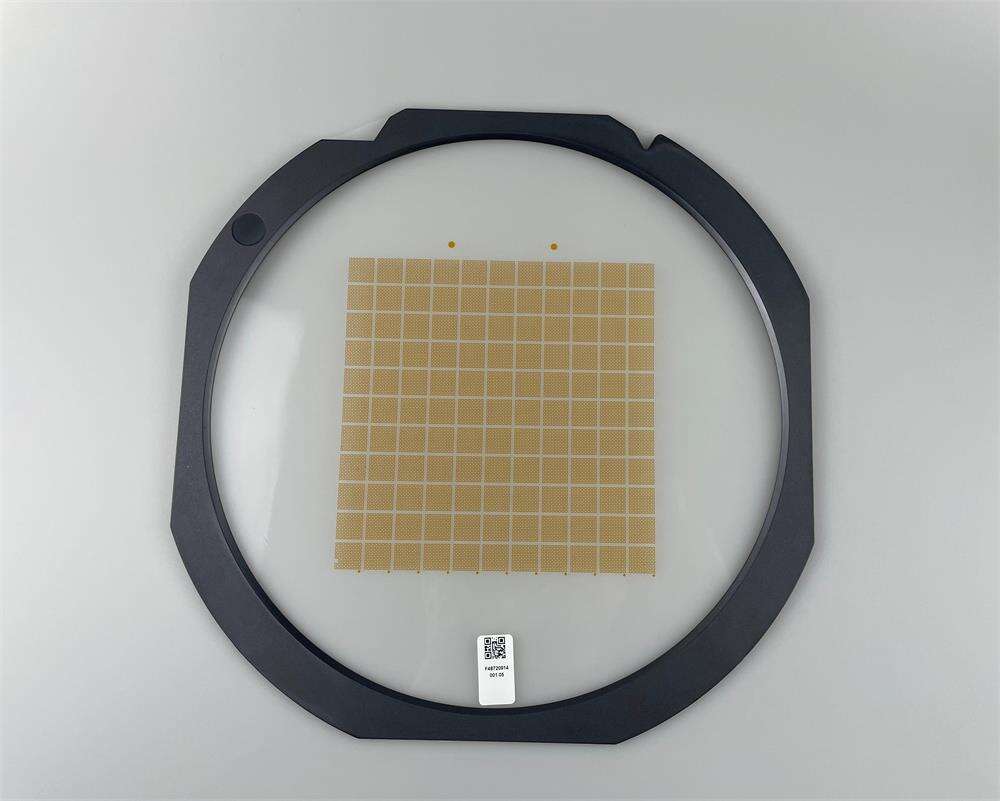
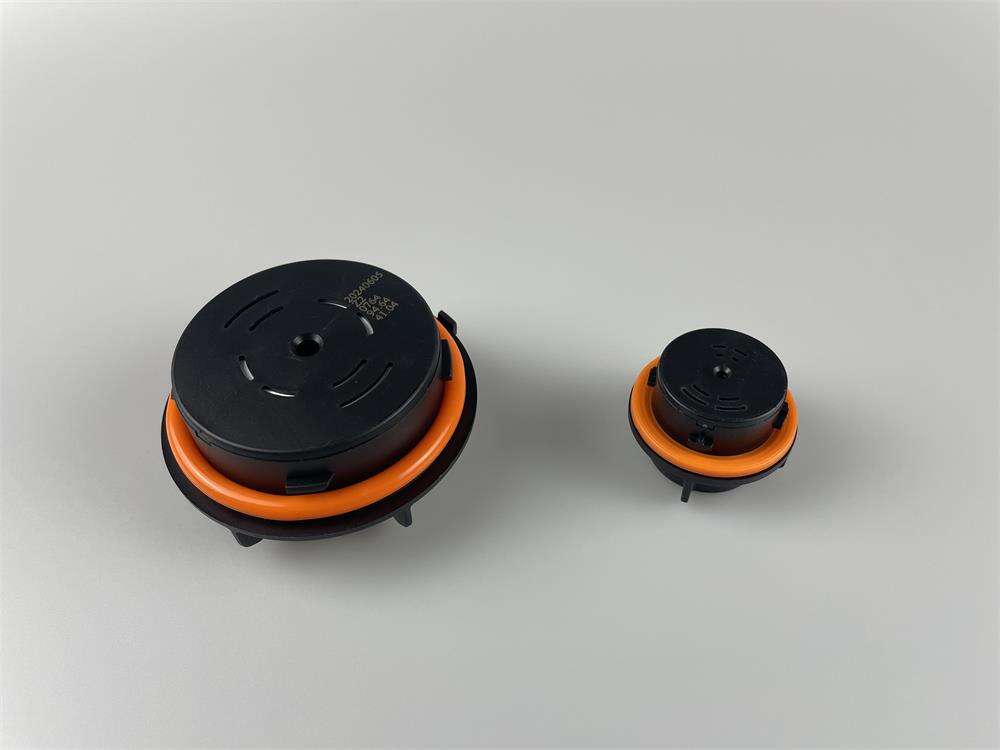
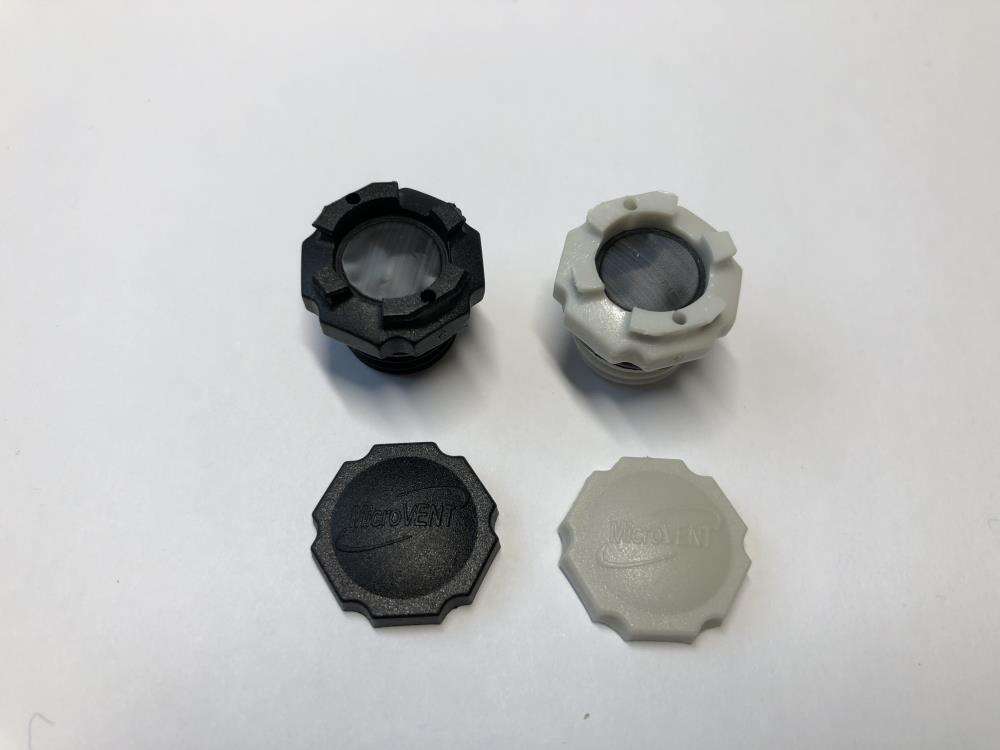
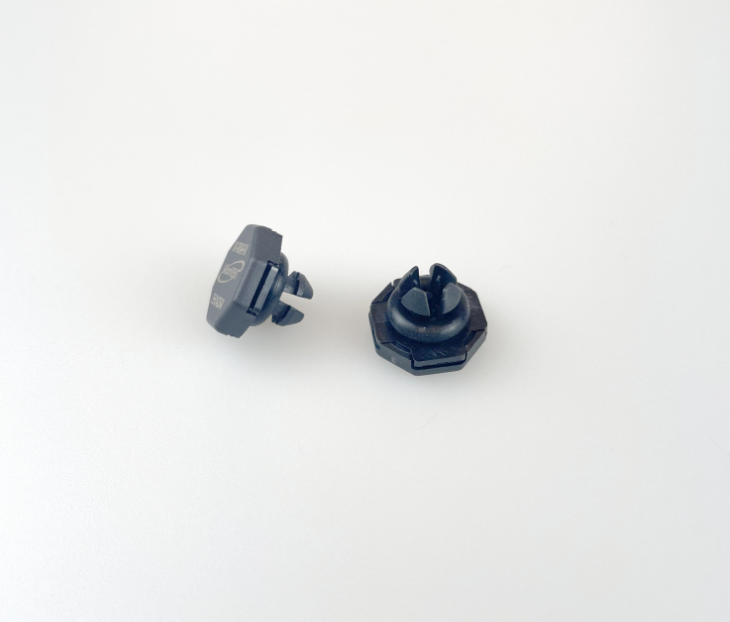
Premium Acoustic Vent Solutions: Advanced Sound Control with Superior Airflow Performance

All Categories

Get a Free Quote

Our representative will contact you soon.
Email
Name
Company Name
Message
0/1000

acoustic vent

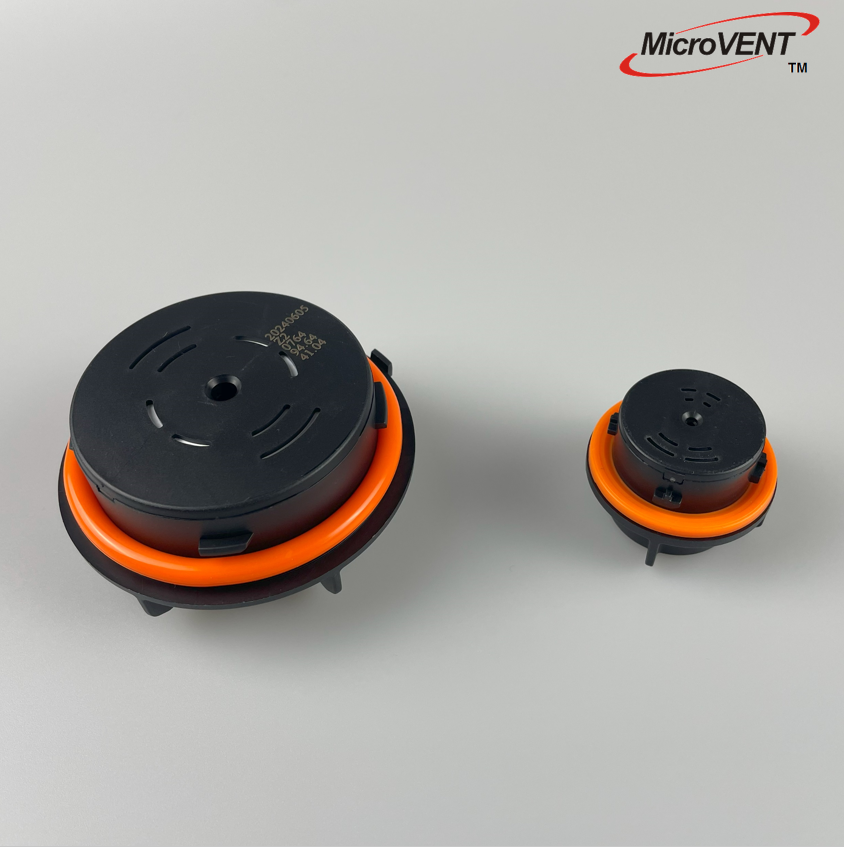
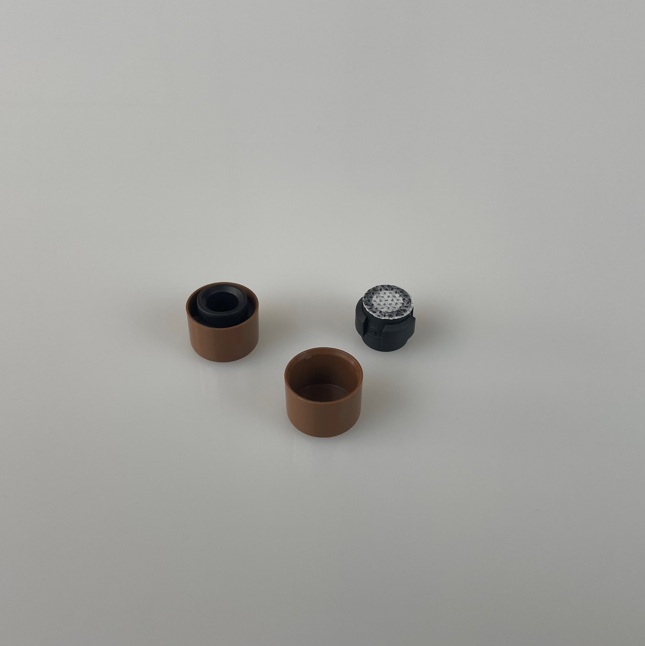
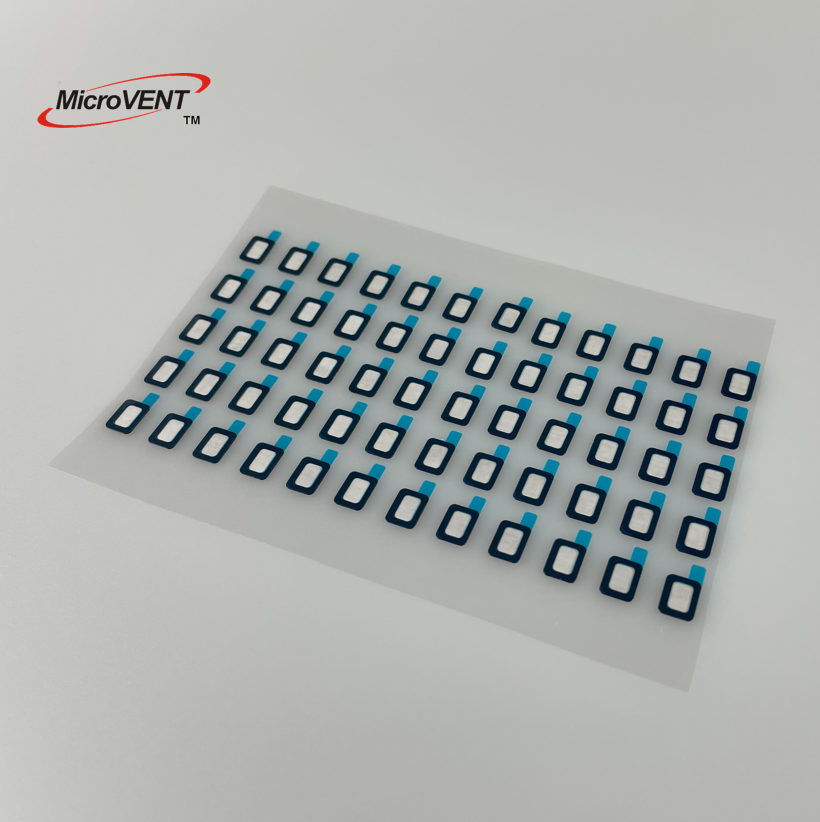
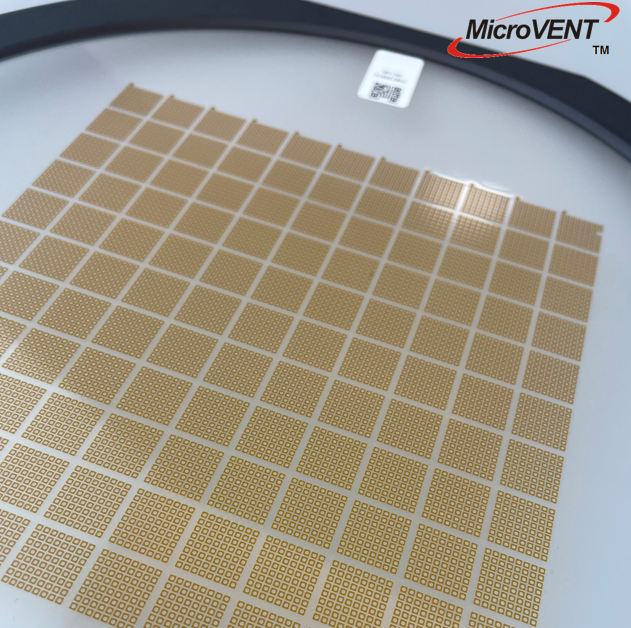
An acoustic vent represents a specialized engineering solution designed to manage sound transmission while maintaining essential airflow in various environments. This innovative component serves as a critical element in modern construction and industrial applications where noise control and ventilation requirements must coexist harmoniously. The acoustic vent operates on advanced principles of sound attenuation, utilizing sophisticated materials and geometric configurations to reduce unwanted noise transmission without compromising air circulation efficiency. The primary function of an acoustic vent involves creating a pathway for air movement while simultaneously blocking or reducing sound waves from passing through the same opening. This dual functionality makes it an indispensable component in buildings, mechanical systems, and industrial facilities where maintaining indoor air quality while controlling noise pollution is essential. The technological features of acoustic vent systems include carefully engineered internal structures that incorporate sound-absorbing materials, strategically placed baffles, and precisely calculated dimensions to achieve optimal acoustic performance. These components work together to create a labyrinthine path for sound waves, causing them to lose energy through absorption and reflection while allowing air to flow relatively unimpeded. Modern acoustic vent designs often incorporate multiple chambers, each serving specific functions in the sound attenuation process. The materials used in acoustic vent construction typically include high-density mineral wool, specialized foam compounds, and perforated metal surfaces that enhance sound absorption capabilities. Applications for acoustic vent technology span numerous industries and environments, including commercial buildings, residential complexes, hospitals, schools, manufacturing facilities, and HVAC systems. In architectural applications, acoustic vent installations help maintain comfortable indoor environments while preventing noise intrusion from external sources or between different areas within the same structure. Industrial applications often require robust acoustic vent solutions capable of handling high-volume airflow while providing substantial noise reduction for worker safety and environmental compliance.

New Product Releases

The acoustic vent delivers exceptional performance benefits that directly impact user comfort and operational efficiency across multiple applications. Building owners and facility managers experience immediate improvements in indoor environment quality when implementing acoustic vent solutions. These systems effectively reduce noise transmission by up to 60 decibels in optimal configurations, creating quieter spaces that enhance productivity and well-being for occupants. The dual functionality of acoustic vent technology eliminates the need for separate ventilation and soundproofing systems, resulting in significant cost savings during installation and ongoing maintenance. Users benefit from streamlined design integration since acoustic vent units combine multiple functions into single, compact installations that require less space and fewer mounting points compared to traditional separate systems. Energy efficiency represents another major advantage, as acoustic vent designs minimize airflow restriction while maximizing sound attenuation, allowing HVAC systems to operate more efficiently with reduced energy consumption. The acoustic vent construction typically features durable materials that resist corrosion, moisture damage, and thermal expansion, ensuring long-term reliability with minimal maintenance requirements. Installation flexibility allows acoustic vent systems to accommodate various mounting orientations and space constraints, making them suitable for retrofit applications as well as new construction projects. Performance consistency remains stable across different operating conditions, with acoustic vent units maintaining their sound reduction capabilities regardless of airflow variations or temperature fluctuations. Safety benefits include improved fire resistance properties in many acoustic vent models, which incorporate fire-rated materials and designs that comply with building safety codes and regulations. The acoustic vent technology also provides superior filtration capabilities, removing airborne contaminants while reducing noise, which contributes to healthier indoor air quality. Customization options allow users to specify acoustic vent configurations that meet specific performance requirements, including particular frequency ranges, airflow volumes, and dimensional constraints. Economic advantages extend beyond initial cost savings, as acoustic vent installations often qualify for energy efficiency incentives and contribute to green building certifications, potentially increasing property values and reducing long-term operational expenses through improved system efficiency and reduced maintenance needs.

Tips And Tricks

How durable is MicroVent®️ ePTFE membrane in extreme environments?

25

Jun

How durable is MicroVent®️ ePTFE membrane in extreme environments?

Chemical Resistance in Corrosive Environments Resistance to Acids, Bases, and Industrial Solvents The outstanding chemical resistance of ePTFE membranes make them ideal for use in even the most caustic environments. They are stable against&ensp...
View More
How does MicroVent®️ ePTFE membrane compare to other filtration materials?

25

Jun

How does MicroVent®️ ePTFE membrane compare to other filtration materials?

ePTFE Membrane Manufacturing Process vs. Conventional Materials Proprietary Stretching vs. Basic PTFE Production The manufacturing of ePTFE membranes uses a proprietary stretching technique that significantly enhances the material's flexibility and ...
View More
How Do MicroVENT®️ Automotive CMD protective lamps Work?

28

Aug

How Do MicroVENT®️ Automotive CMD protective lamps Work?

The Evolution of Advanced Automotive Lighting Protection The automotive industry has witnessed remarkable advancements in lighting technology, with MicroVENT CMD protective lamps emerging as a groundbreaking solution for vehicle safety and longevity....
View More
How to Install a MicroVENT®️ Vent ePTFE Membrane for Acoustic Applications

28

Aug

How to Install a MicroVENT®️ Vent ePTFE Membrane for Acoustic Applications

Essential Guide to Acoustic Membrane Installation The installation of a MicroVENT vent ePTFE membrane represents a crucial step in optimizing acoustic performance while maintaining proper pressure equalization in electronic devices. This comprehensiv...
View More

Get a Free Quote

Our representative will contact you soon.
Email
Name
Company Name
Message
0/1000

acoustic vent

Advanced Sound Attenuation Technology

Advanced Sound Attenuation Technology

The acoustic vent incorporates cutting-edge sound attenuation technology that represents a significant advancement in noise control engineering. This sophisticated system utilizes multiple layers of specialized acoustic materials arranged in precisely calculated configurations to achieve maximum sound reduction while maintaining optimal airflow characteristics. The internal structure features strategically positioned sound-absorbing elements that create a tortuous path for sound waves, forcing them to navigate through various chambers and around carefully designed obstacles. Each acoustic vent chamber contains high-performance absorption materials specifically selected for their acoustic properties across different frequency ranges, ensuring comprehensive noise reduction from low-frequency rumbles to high-frequency whistles and everything in between. The geometric design of the acoustic vent pathway incorporates principles of acoustic engineering that maximize sound energy dissipation through controlled reflection and absorption. Sound waves entering the acoustic vent encounter multiple surfaces treated with specialized acoustic materials that convert sound energy into minimal amounts of heat, effectively removing noise from the air stream. The multi-chamber design ensures that even persistent sound waves that survive the initial attenuation stages face additional barriers and absorption opportunities as they progress through the acoustic vent system. Advanced computational modeling guides the development of each acoustic vent configuration, allowing engineers to optimize performance for specific applications and frequency ranges. The result is an acoustic vent system that can reduce noise transmission by up to 60 decibels while maintaining airflow efficiency ratings above 85 percent, making it ideal for demanding applications where both noise control and ventilation performance are critical. This technology proves particularly valuable in hospitals, schools, office buildings, and residential complexes where maintaining quiet environments directly impacts occupant comfort, productivity, and well-being while ensuring adequate air circulation for health and safety requirements.
Maintenance-Free Durability and Reliability

Maintenance-Free Durability and Reliability

The acoustic vent system delivers exceptional longevity and reliability through robust construction methods and carefully selected materials that withstand challenging environmental conditions without degradation in performance. Each acoustic vent component undergoes rigorous testing to ensure it meets or exceeds industry standards for durability, weather resistance, and operational reliability under continuous use conditions. The housing construction utilizes corrosion-resistant materials such as galvanized steel, aluminum alloys, or specialized polymers that maintain structural integrity despite exposure to moisture, temperature variations, and atmospheric contaminants commonly found in building environments. Internal acoustic vent components feature materials specifically chosen for their resistance to compression, moisture absorption, and biological growth, ensuring that sound attenuation properties remain consistent throughout the system's operational lifetime. The design eliminates moving parts that typically require regular maintenance or eventual replacement, making the acoustic vent virtually maintenance-free once properly installed. Quality control processes during manufacturing ensure that each acoustic vent meets strict tolerances and performance specifications, reducing the likelihood of field issues or premature component failure. The modular construction approach allows for easy inspection and replacement of individual components if necessary, though such interventions are rarely required due to the robust nature of the materials and design. Field testing demonstrates that properly installed acoustic vent systems maintain their original performance characteristics for decades with minimal maintenance beyond periodic visual inspections. The acoustic vent design also incorporates features that prevent common problems such as moisture accumulation, debris collection, and biological growth that can affect performance in traditional ventilation systems. Fire-resistant materials used in many acoustic vent configurations provide additional safety benefits and comply with building codes requiring fire-rated assemblies in critical applications. This exceptional durability translates into significant long-term value for building owners and facility managers, as the acoustic vent systems continue delivering reliable performance year after year without requiring expensive maintenance contracts or frequent component replacements that are common with other noise control solutions.
Versatile Installation and Integration Capabilities

Versatile Installation and Integration Capabilities

The acoustic vent system offers unmatched flexibility in installation and integration applications, making it suitable for diverse building types, architectural constraints, and performance requirements across residential, commercial, and industrial sectors. This adaptability stems from the modular design approach that allows acoustic vent configurations to be customized for specific dimensional requirements, airflow volumes, and acoustic performance targets. Installation teams benefit from the acoustic vent's compatibility with standard mounting systems and building practices, reducing installation time and complexity compared to alternative noise control solutions. The acoustic vent can be integrated into new construction projects during the design phase or retrofitted into existing buildings without requiring major structural modifications or system redesigns. Multiple mounting orientations accommodate various architectural constraints, allowing the acoustic vent to be installed horizontally, vertically, or at angles to suit specific space limitations and airflow requirements. The compact footprint of acoustic vent units maximizes space efficiency in mechanical rooms, ceiling plenums, and wall cavities where space constraints often limit options for noise control equipment. Integration with existing HVAC systems requires minimal modifications, as acoustic vent units connect directly to standard ductwork using conventional fittings and connection methods. The acoustic vent design accommodates various airflow volumes and pressure requirements, making it suitable for applications ranging from small residential installations to large commercial and industrial ventilation systems. Customization options include different acoustic vent sizes, shapes, and performance characteristics that can be tailored to meet specific project requirements without compromising effectiveness or reliability. The system's compatibility with building automation and control systems allows for integration with smart building technologies and environmental monitoring equipment. Sealing and weatherproofing features ensure that acoustic vent installations maintain their performance characteristics regardless of installation environment or exposure conditions. Professional installation support and comprehensive documentation help ensure that acoustic vent systems are properly integrated and commissioned for optimal performance in each specific application, while standardized components and procedures minimize installation costs and complexity across different project types and building configurations.

Get a Free Quote

Our representative will contact you soon.
Email
Name
Company Name
Message
0/1000