Acoustic Air Vent Solutions: Advanced Sound Control & Ventilation Systems

All Categories

Get a Free Quote

Our representative will contact you soon.
Email
Name
Company Name
Message
0/1000

acoustic air vent

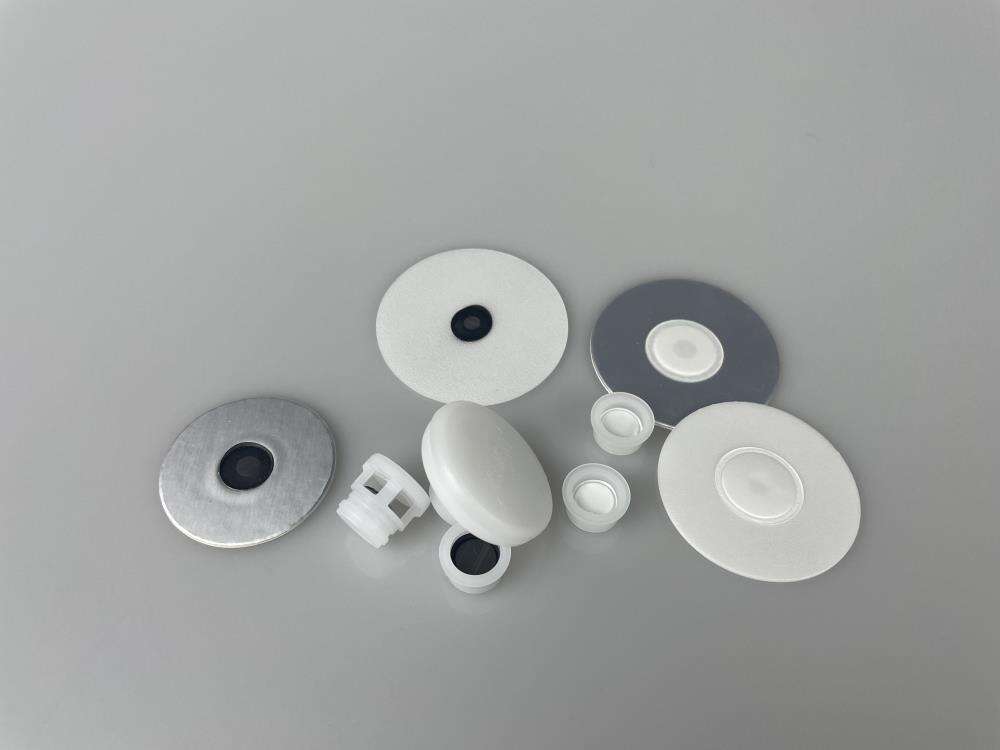
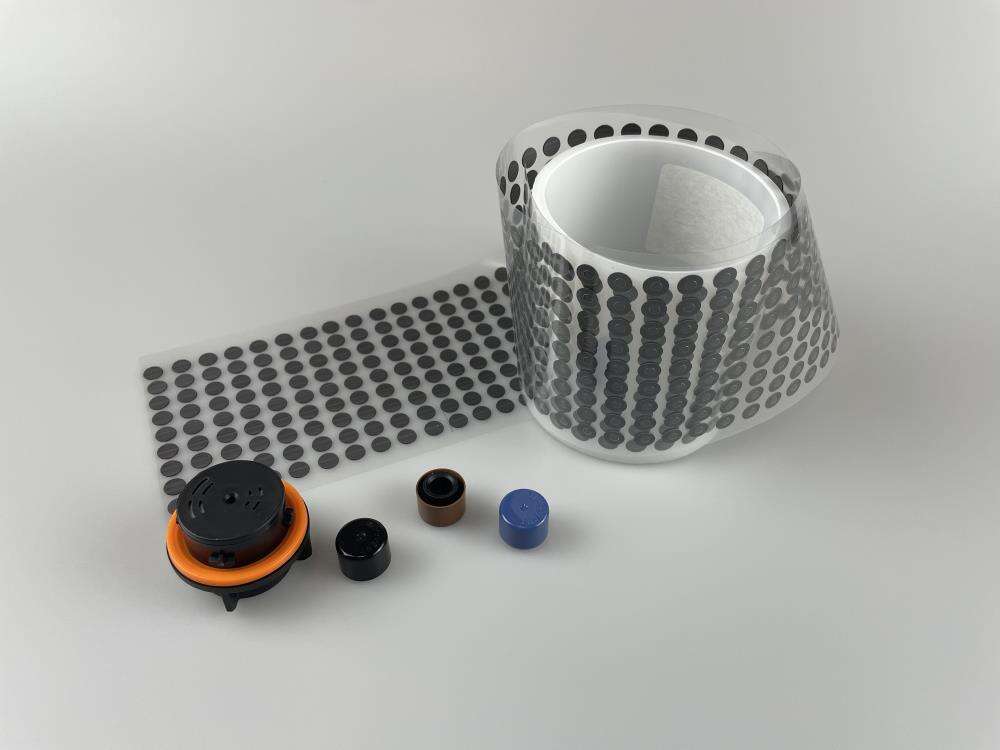
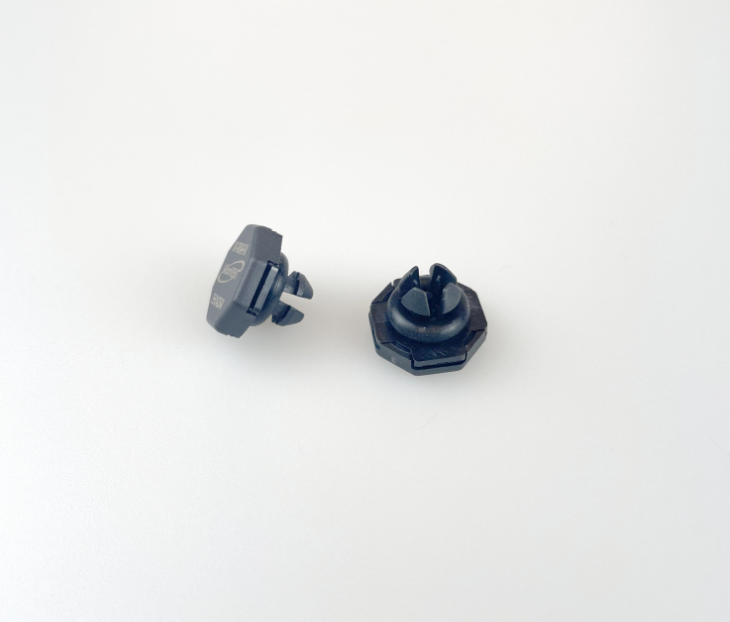
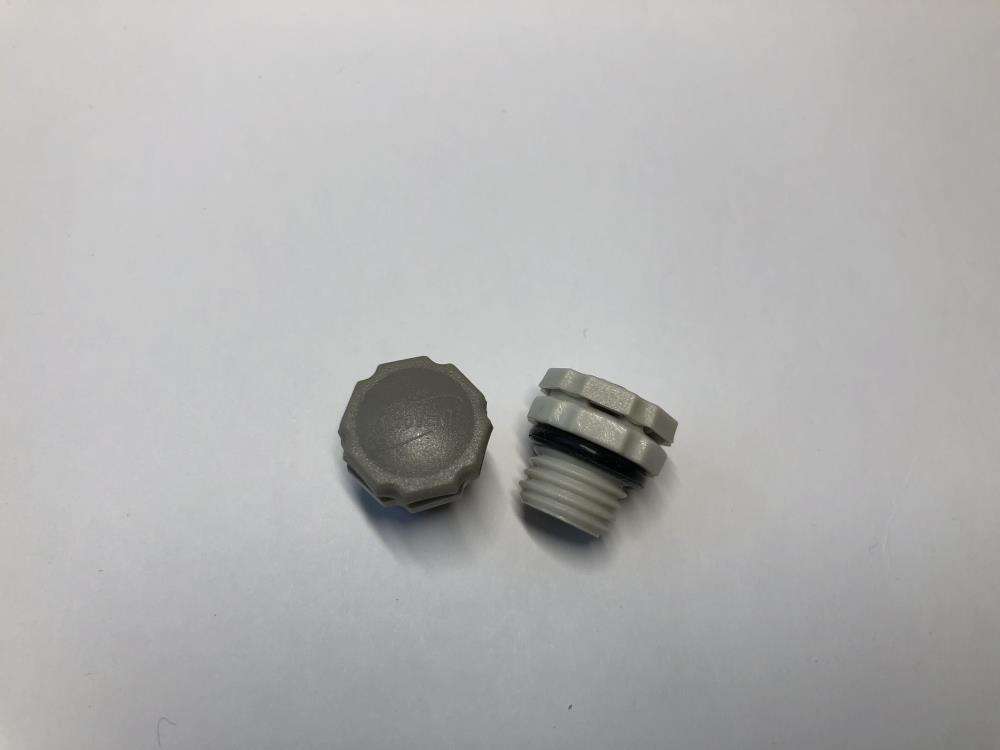
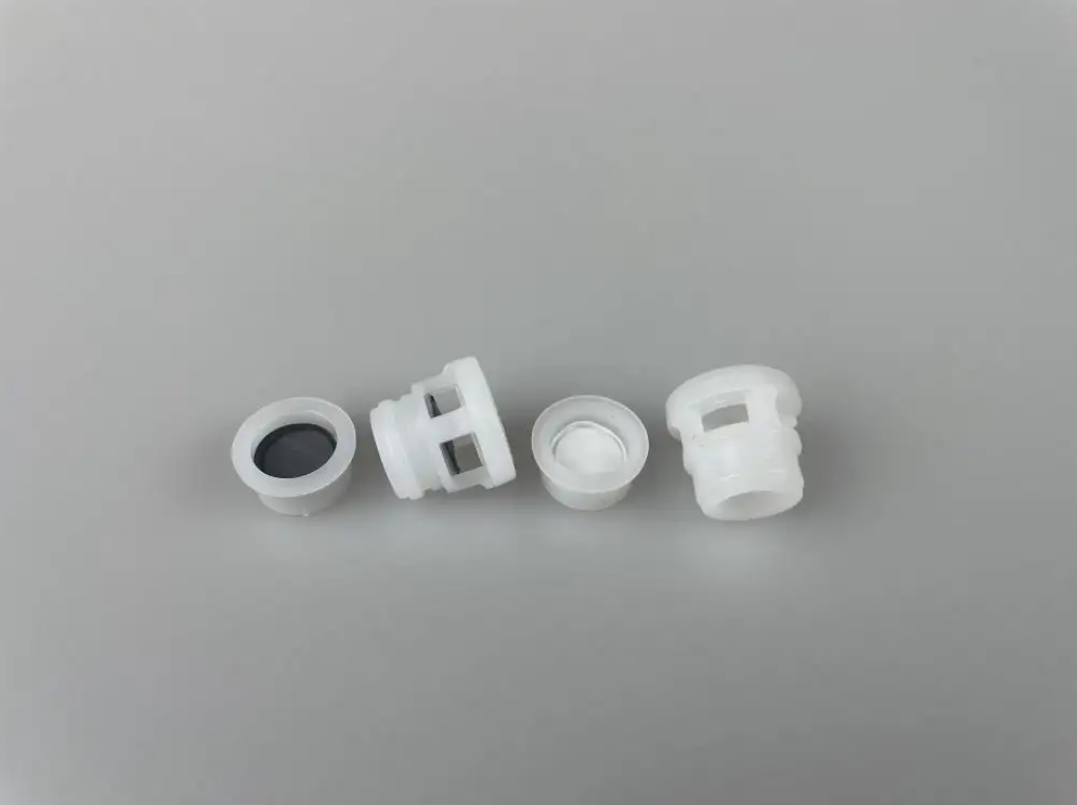
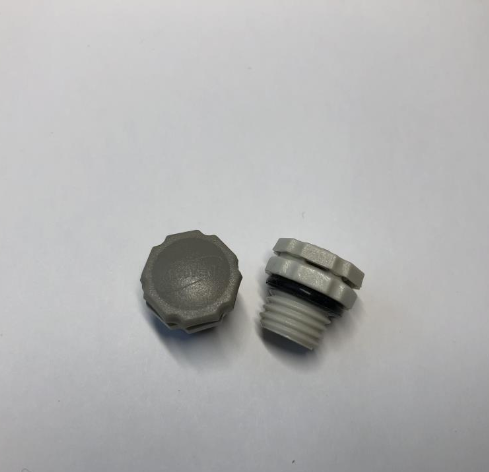
The acoustic air vent represents a sophisticated solution that combines essential ventilation functionality with advanced sound control technology. This innovative system addresses the common challenge faced by building designers and property owners who need to maintain proper air circulation while minimizing unwanted noise transmission. The acoustic air vent serves as a critical component in modern construction projects where both air quality and acoustic comfort are paramount concerns. The primary function of an acoustic air vent involves facilitating controlled airflow between different spaces or between interior and exterior environments while significantly reducing sound transmission through the ventilation pathway. These units incorporate specialized sound-dampening materials and engineered designs that create barriers to noise while allowing air to pass freely. The technology behind acoustic air vents utilizes principles of acoustic engineering, including sound absorption, reflection, and diffusion to achieve optimal performance. Most acoustic air vent systems feature multiple chambers or baffles lined with sound-absorbing materials such as mineral wool, acoustic foam, or specialized textile materials. The airflow path is designed to follow a tortuous route that breaks up sound waves while maintaining efficient air movement. Modern acoustic air vent designs often incorporate adjustable dampers, filters, and weather-resistant components to ensure long-term reliability and performance. Applications for acoustic air vent systems span across residential, commercial, and industrial sectors. In residential settings, these vents are commonly installed in bedrooms, home offices, and living spaces where noise control is essential for comfort and privacy. Commercial applications include office buildings, hospitals, schools, hotels, and restaurants where maintaining quiet environments is crucial for productivity and customer satisfaction. Industrial facilities use acoustic air vent solutions to comply with noise regulations while ensuring adequate ventilation for worker safety and equipment cooling.

Popular Products

The acoustic air vent delivers substantial benefits that make it an essential investment for any project requiring both ventilation and noise control. Property owners experience immediate improvements in indoor comfort when they install these systems, as the acoustic air vent effectively reduces external noise intrusion while maintaining fresh air circulation. This dual functionality eliminates the need to choose between comfort and air quality, providing a comprehensive solution that addresses both concerns simultaneously. Energy efficiency represents another significant advantage of the acoustic air vent, as these systems allow natural ventilation to occur without compromising acoustic performance. Building owners can reduce their reliance on mechanical ventilation systems, leading to lower energy consumption and reduced operating costs. The acoustic air vent enables passive cooling strategies that take advantage of natural air movement, particularly beneficial in climates where outdoor temperatures are suitable for natural ventilation. The installation process for acoustic air vent systems is typically straightforward and can be integrated into both new construction and retrofit projects. Professional installers can customize the acoustic air vent configuration to meet specific performance requirements and architectural constraints. The modular design of many acoustic air vent products allows for flexible sizing and configuration options that accommodate various wall thicknesses and opening dimensions. Maintenance requirements for acoustic air vent systems remain minimal, with most units requiring only periodic cleaning and inspection of filters or sound-absorbing materials. Property managers appreciate the long-term durability of quality acoustic air vent products, which are designed to withstand weather exposure and continuous operation without significant performance degradation. The acoustic air vent contributes to improved property values by enhancing occupant comfort and demonstrating commitment to quality construction practices. Building certifications and green building standards often recognize the environmental benefits of natural ventilation systems like the acoustic air vent. Insurance benefits may also apply, as improved ventilation can reduce moisture-related problems and improve overall building health. The acoustic air vent provides measurable improvements in acoustic performance, with many products achieving significant decibel reductions while maintaining adequate airflow rates for occupant comfort and building code compliance.

Latest News

How Do MicroVent Packaging Valves Help in prolonging Packaging lifetime?

21

May

How Do MicroVent Packaging Valves Help in prolonging Packaging lifetime?

Pressure Regulation in Packaging with MicroVent Valves Preventing Container Swelling and Bursting MicroVent valves are ingeniously designed to handle internal pressures within packaging, effectively reducing the risks associated with container defor...
View More
How durable is MicroVent®️ ePTFE membrane in extreme environments?

25

Jun

How durable is MicroVent®️ ePTFE membrane in extreme environments?

Chemical Resistance in Corrosive Environments Resistance to Acids, Bases, and Industrial Solvents The outstanding chemical resistance of ePTFE membranes make them ideal for use in even the most caustic environments. They are stable against&ensp...
View More
How does MicroVent®️ ePTFE membrane compare to other filtration materials?

25

Jun

How does MicroVent®️ ePTFE membrane compare to other filtration materials?

ePTFE Membrane Manufacturing Process vs. Conventional Materials Proprietary Stretching vs. Basic PTFE Production The manufacturing of ePTFE membranes uses a proprietary stretching technique that significantly enhances the material's flexibility and ...
View More
What is a MicroVENT® screw-in vent bolt and how does it work?

18

Jul

What is a MicroVENT® screw-in vent bolt and how does it work?

Precision Venting Made Simple: Understanding the MicroVENT® Screw-In Vent Bolt In demanding industrial environments where electronic components, enclosures, and mechanical systems must be protected from pressure differentials and environmental s...
View More

Get a Free Quote

Our representative will contact you soon.
Email
Name
Company Name
Message
0/1000

acoustic air vent

Superior Sound Attenuation Technology

Superior Sound Attenuation Technology

The acoustic air vent incorporates cutting-edge sound attenuation technology that sets it apart from conventional ventilation solutions. This advanced engineering approach utilizes multiple sound control mechanisms working in harmony to achieve exceptional noise reduction performance. The acoustic air vent features specially designed chambers that create a labyrinthine path for airflow, effectively disrupting sound wave transmission while preserving air movement efficiency. High-performance sound-absorbing materials line these chambers, converting sound energy into heat through friction and molecular motion. The materials used in the acoustic air vent are carefully selected for their acoustic properties, durability, and resistance to environmental factors such as moisture and temperature fluctuations. Many acoustic air vent models achieve sound reduction levels exceeding 40 decibels, making them suitable for the most demanding acoustic environments. The technology behind the acoustic air vent includes resonant chamber designs that target specific frequency ranges, providing enhanced attenuation of problematic noise sources such as traffic, aircraft, or industrial equipment. Advanced computational fluid dynamics modeling ensures that the tortuous airflow path maintains optimal ventilation performance while maximizing sound control effectiveness. The acoustic air vent design process involves extensive testing in specialized acoustic laboratories to verify performance claims and ensure consistent quality. Independent third-party testing validates the acoustic performance of these systems, providing specifiers and end-users with confidence in their investment. The sound attenuation technology in the acoustic air vent is continuously evolving, with manufacturers incorporating new materials and design innovations to improve performance and expand application possibilities. This commitment to technological advancement ensures that the acoustic air vent remains at the forefront of ventilation and acoustic control solutions.
Versatile Installation and Configuration Options

Versatile Installation and Configuration Options

The acoustic air vent offers exceptional versatility in installation and configuration, making it suitable for a wide range of architectural applications and building types. This flexibility stems from the modular design approach that allows the acoustic air vent to be customized for specific project requirements while maintaining optimal performance characteristics. Installation teams can configure the acoustic air vent for various wall thicknesses, from standard residential construction to heavy commercial and industrial applications. The system accommodates different mounting orientations, including horizontal, vertical, and angled installations, providing architects and engineers with maximum design freedom. The acoustic air vent can be integrated into new construction projects during the design phase or retrofitted into existing buildings without significant structural modifications. Weatherproof exterior components ensure that the acoustic air vent performs reliably in all climatic conditions, from extreme cold to intense heat and humidity. The configuration options for the acoustic air vent include variable airflow capacities, different sound attenuation levels, and specialized features such as filtration, insect screening, and backdraft prevention. Custom color matching and architectural finishes allow the acoustic air vent to blend seamlessly with building aesthetics while maintaining full functionality. Professional installation teams appreciate the clear documentation and support materials provided with each acoustic air vent system, ensuring proper installation and optimal performance. The modular components of the acoustic air vent can be easily serviced or upgraded without complete system replacement, providing long-term value and adaptability. Quality control measures throughout the manufacturing process ensure that each acoustic air vent meets stringent performance standards regardless of configuration options selected. The versatility of the acoustic air vent extends to its compatibility with building automation systems, allowing for integration with smart building technologies and remote monitoring capabilities.
Long-Term Value and Performance Reliability

Long-Term Value and Performance Reliability

The acoustic air vent represents a smart long-term investment that delivers consistent performance and value over many years of operation. Built with premium materials and precision manufacturing processes, the acoustic air vent is engineered to withstand the rigors of continuous use while maintaining its acoustic and ventilation performance characteristics. The durability of the acoustic air vent stems from careful material selection that prioritizes corrosion resistance, UV stability, and mechanical strength. Stainless steel and aluminum components resist environmental degradation, while specialized polymers and composites provide long-lasting sound absorption properties. The acoustic air vent undergoes rigorous quality testing during manufacturing to ensure that each unit meets or exceeds performance specifications before shipment. Independent laboratory testing validates the long-term performance characteristics of the acoustic air vent, providing documentation of sound attenuation levels and airflow capacities that remain stable over time. Maintenance requirements for the acoustic air vent are minimal, typically involving periodic inspection and cleaning of accessible components. The design of the acoustic air vent facilitates easy access to serviceable parts, reducing maintenance time and costs. Replacement parts and upgrade components remain available throughout the product lifecycle, ensuring that the acoustic air vent can be maintained and updated as needed. The manufacturer typically provides comprehensive warranties that demonstrate confidence in the long-term reliability of the acoustic air vent. Building owners report high satisfaction levels with acoustic air vent installations, citing improved comfort, reduced energy costs, and enhanced property values. The acoustic air vent contributes to building sustainability goals by enabling natural ventilation strategies that reduce mechanical system dependence. Return on investment calculations for the acoustic air vent typically show positive results within a few years due to energy savings and improved occupant satisfaction. The proven track record of acoustic air vent installations in demanding applications provides confidence for new projects considering this technology.

Get a Free Quote

Our representative will contact you soon.
Email
Name
Company Name
Message
0/1000