Start with the device. Name the sound part. It may be a mic, speaker, or sensor. Note the case shape. Note the port size. Note where the port sits. This gives the acoustic vent membrane a clear job. It also keeps the review on the full part. Do not judge an acoustic vent membrane by a name alone.
Ask what the case must face. It may face dust. It may face rain. It may face sweat. It may face heat. It may face a fast change in air pressure. Each case is different. Each acoustic vent membrane review should use the real use case. Write down the source, path, and time of the exposure. Then share those facts in the inquiry.
The sound path is more than the port. It includes the part, the air space, the seal, and the mount. A deep port can act in a new way from a flat port. A mesh can change the path. A seal can change the path. The case wall can change the path. A good acoustic vent membrane review looks at these parts as one set.
State what sound issue needs review. It may be sound in. It may be sound out. It may be a need to keep a port open. It may be a need to guard a part near the port. Do not turn a general product note into a promise for the final device. Ask for the facts that match the planned use.
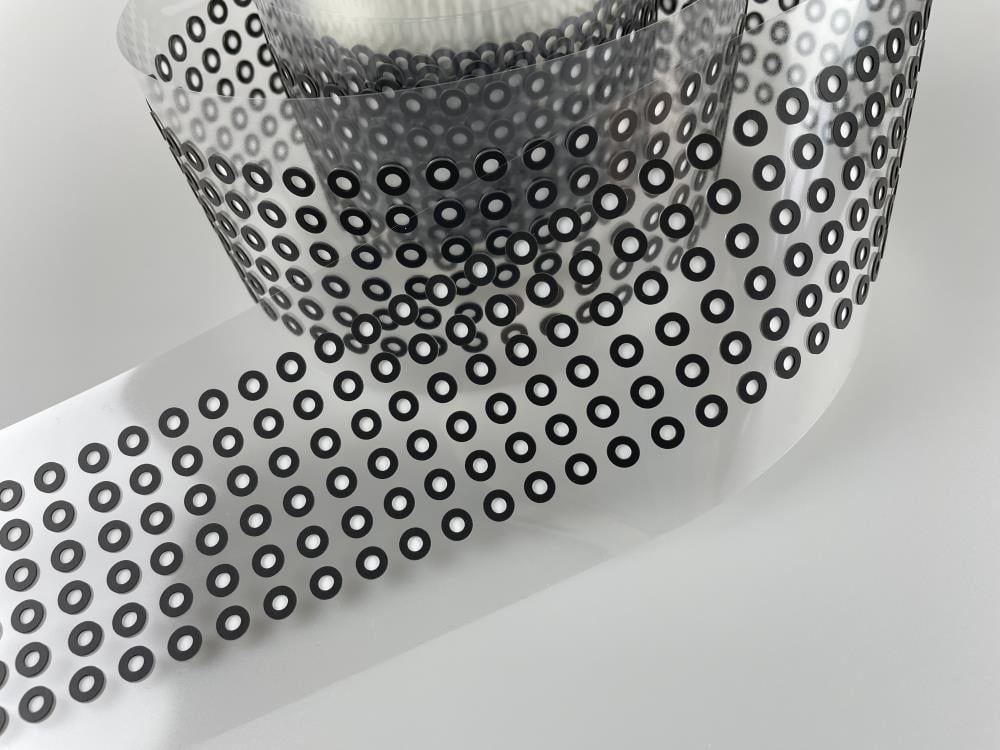
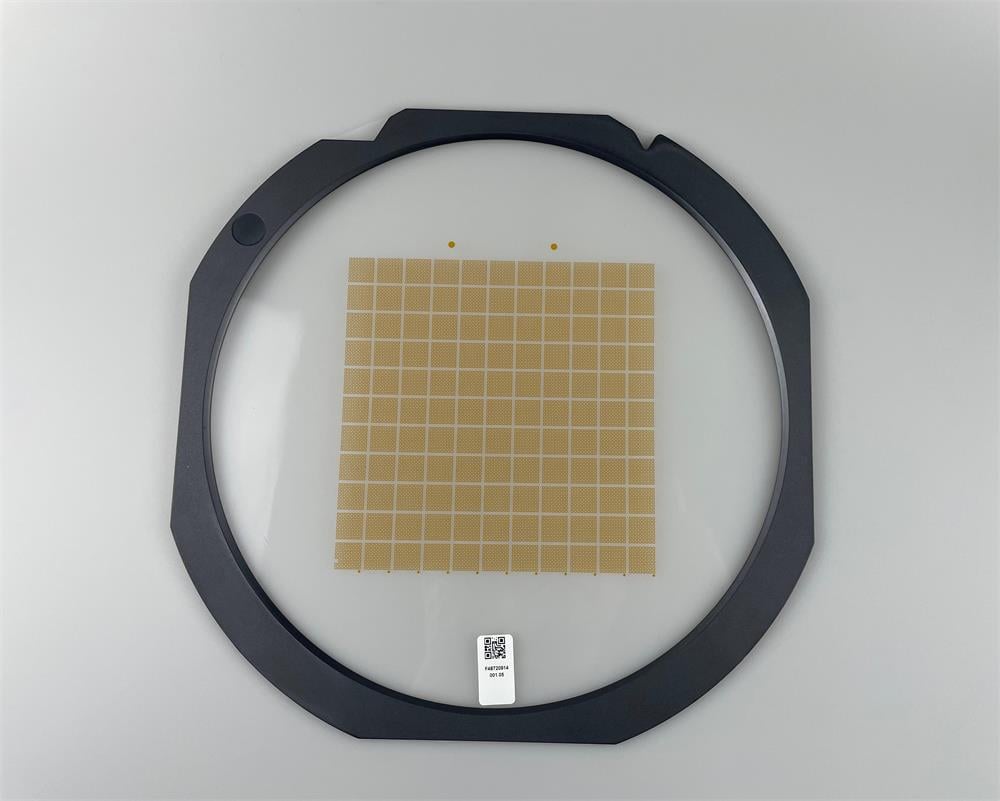
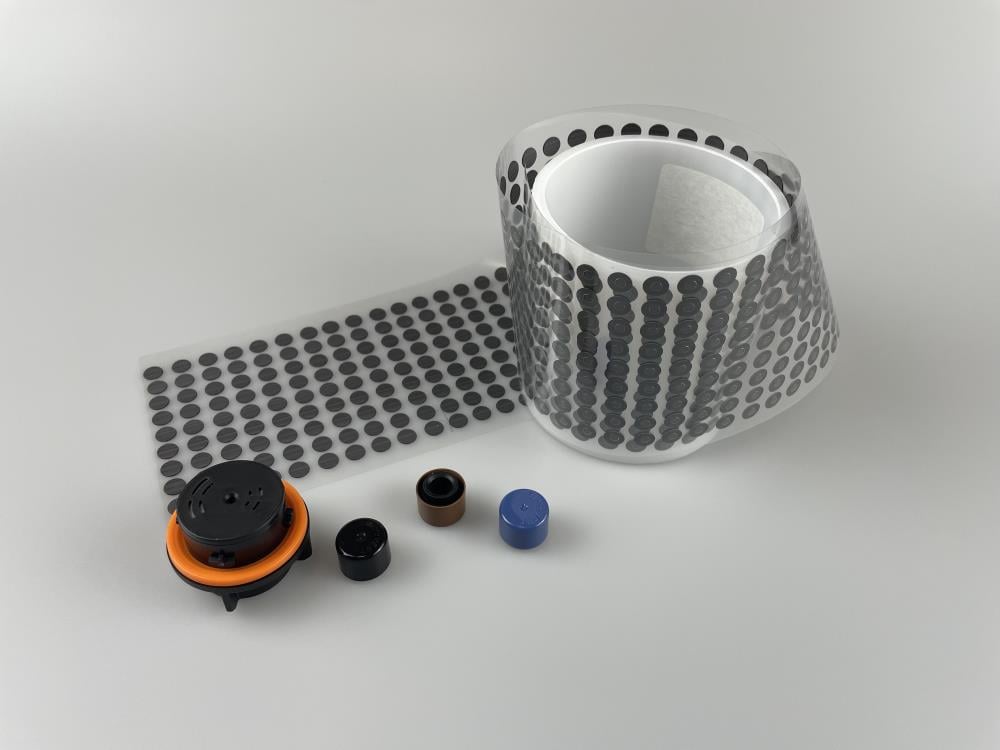
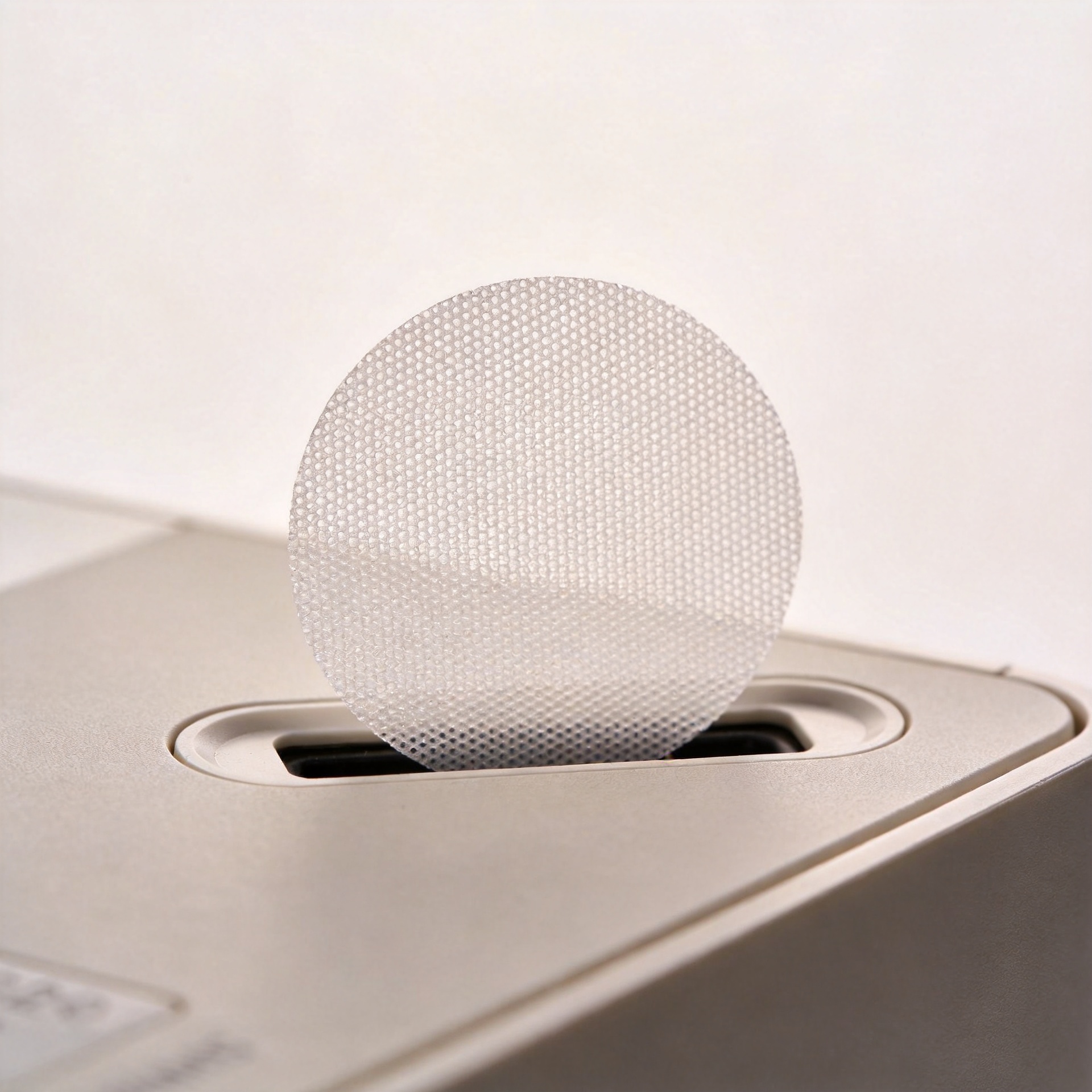
The Acoustic Vent Membrane is the direct catalog match for this page. Start there when the need is an acoustic vent membrane. The vent membrane is a related catalog item. MEMS protection membrane is a related item for a MEMS part. Adhesive Vent Membrane is a related item when an adhesive mount is under review. Each item has its own role.
Give the mount facts with the request. Include the port size. Include the wall depth. Include the free area. Include the case material. Include the part near the port. Include the way the part will be placed. These facts help show if the acoustic vent membrane and mount path need more review.
Use plain terms for the use site. Is the device used in a room? Is it used outdoors? Can it see drops? Can it see dust? Can it see a wash step? Can the inside air get warm or cool? These points do not prove a result. They help set the scope for an acoustic vent membrane discussion.
Pressure can also matter. A sealed case may see air move as heat changes. A device may move from one place to another. The effect depends on the case and use. Tell the review team what change you expect. Tell them how fast it may happen. Tell them if the port faces up, down, or out. This makes the acoustic vent membrane inquiry more useful.
MicroVENT states that its product directions include ePTFE membrane and vent acoustic membrane. Its profile also refers to composite, laminated, and surface-modification work. Those facts can guide a first talk. They do not replace a drawing, a product record, or a test plan for your case.
First decide what must be checked. A buyer may need the item name, image, or available form. A design team may need a drawing review. A lab team may need a plan for the final build. The need sets the next step. Keep the acoustic vent membrane request tied to that need.
For a liquid concern, state the liquid and the path. For a dust concern, state the source and port view. For a pressure concern, state the case volume and change. For a sound concern, state the sound part and port form. Then ask what product data or build review is needed. This avoids a broad claim that may not fit the final case.
A short, clear request saves time. Name the device. Name the sound part. Add the port drawing if one is ready. State the case material. State the mount plan. State the use site. State any dust, water, or pressure concern. Say if the Acoustic Vent Membrane is the main item you want to review.
This path is simple. Set the job. Check the sound path. Match the form to the mount. List the use conditions. Ask for the right proof. Then request a fit discussion. The result is a better basis for an acoustic vent membrane choice without making a claim that has not been checked.

As one of the leading enterprises in industry of ePTFE membranes, MicroVENT® has been engaged in design, production as well as research and development of ePTFE technology since 1995. ePTFE membrane has excellent chemical stability, heat resistance and other properties. MicroVENT® uses composite, laminated, surface modification techniques and confers the ePTFE membrane which has a porous structure for improved strength, heat sealing resistance, Hydrophobic and Oleophobic.
NO.8 QIANCAO ROAD,LIJIA,CHANGZHOU.JIANGSU.CHINA
Copyright © © 2026Pan Asian Microvent Tech (Jiangsu) Corporation.All rights reserved. | Privacy policy
 EN
 AR
 CS
 FR
 DE
 IT
 JA
 KO
 PT
 RU
 ES
 ID
 VI
 TH
 TR
 MS