Professional Acoustic Vents - Advanced Noise Control Solutions for HVAC Systems

All Categories

Get a Free Quote

Our representative will contact you soon.
Email
Name
Company Name
Message
0/1000

acoustic vents

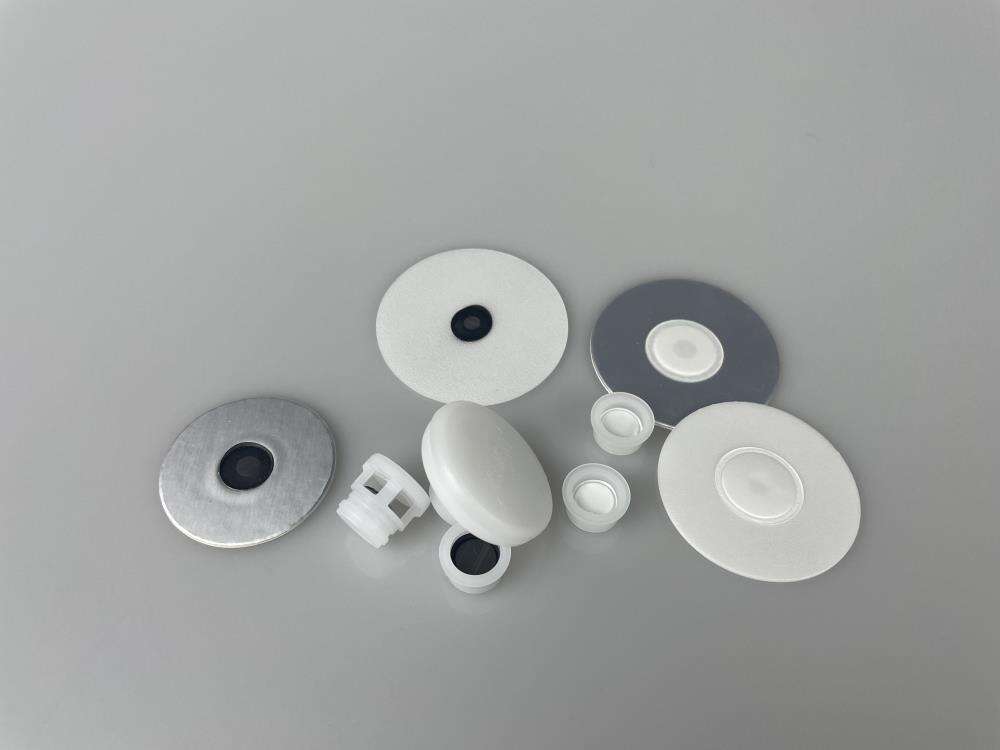
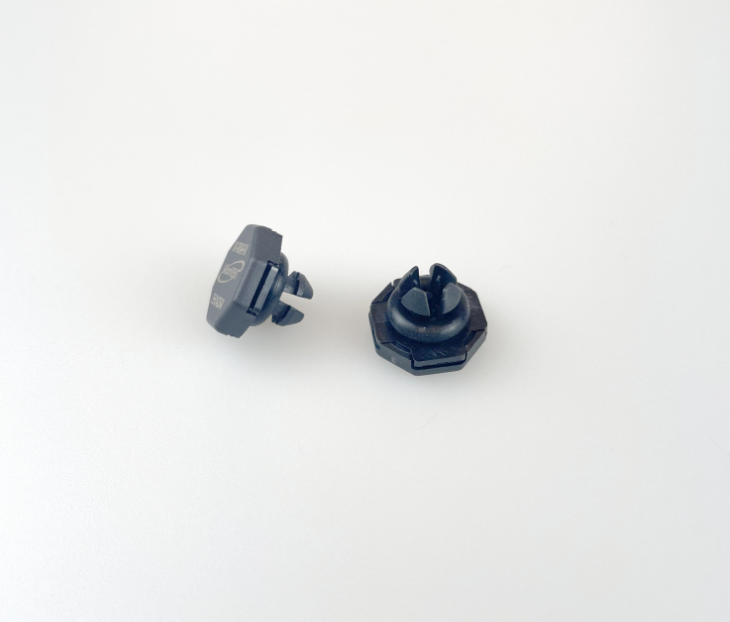
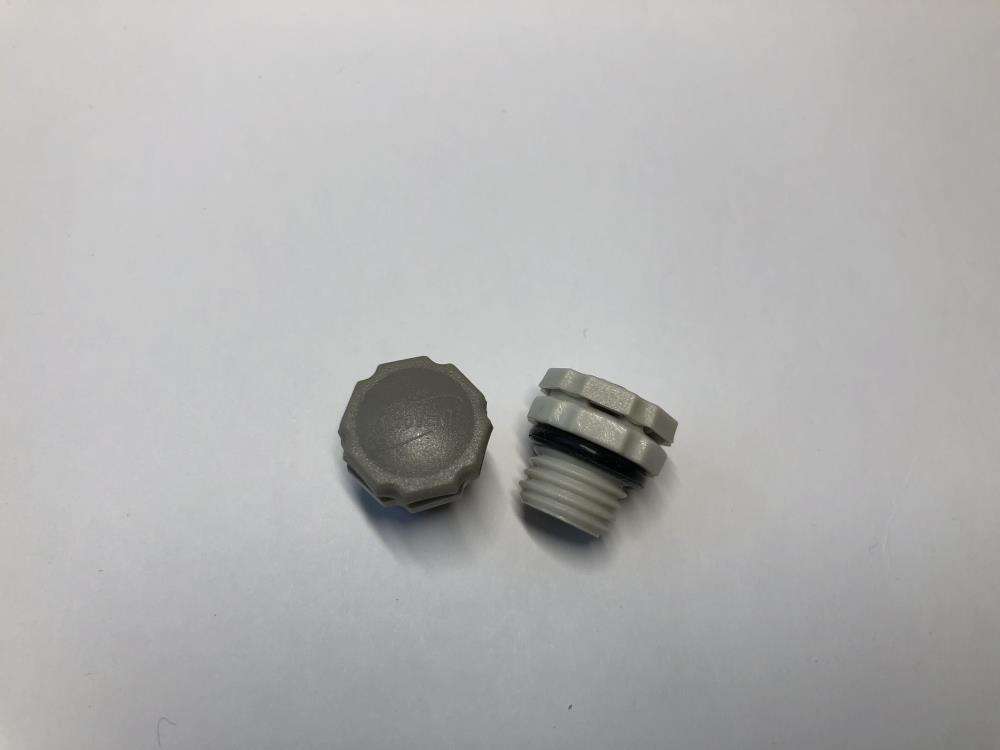
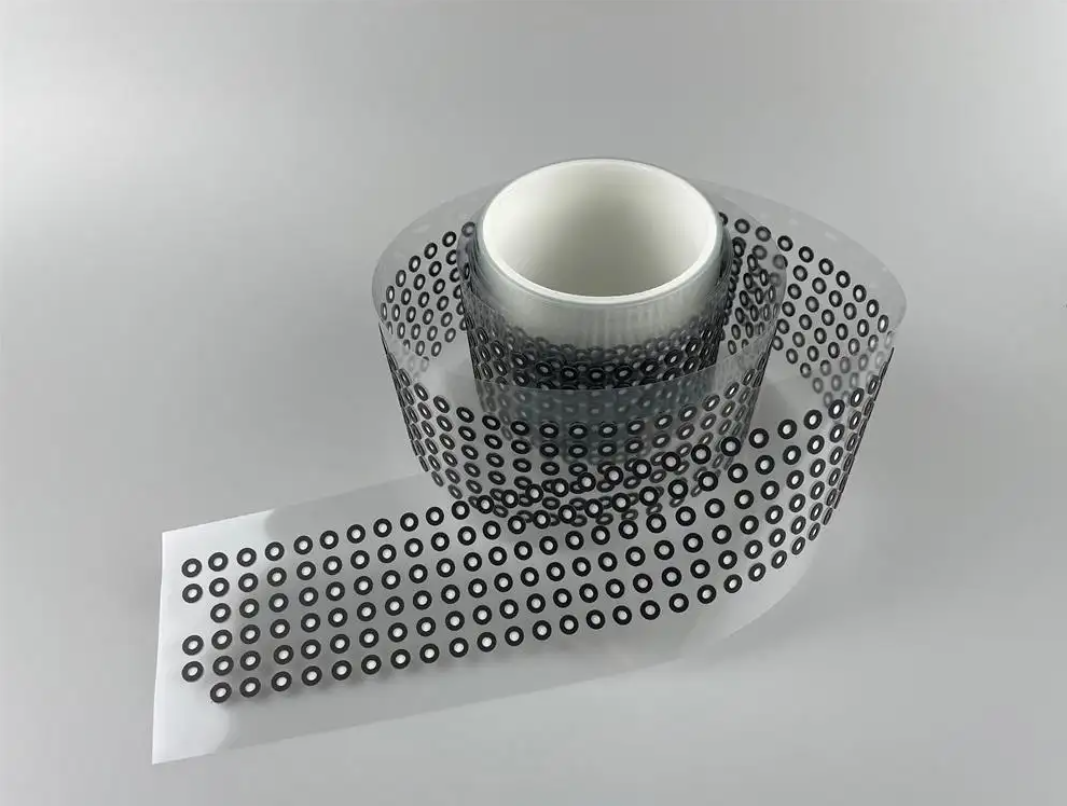
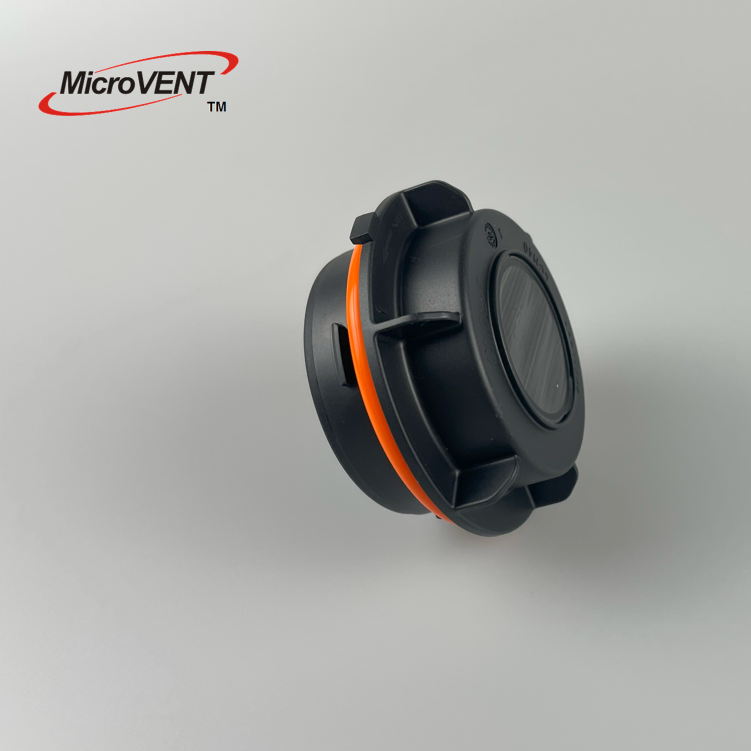
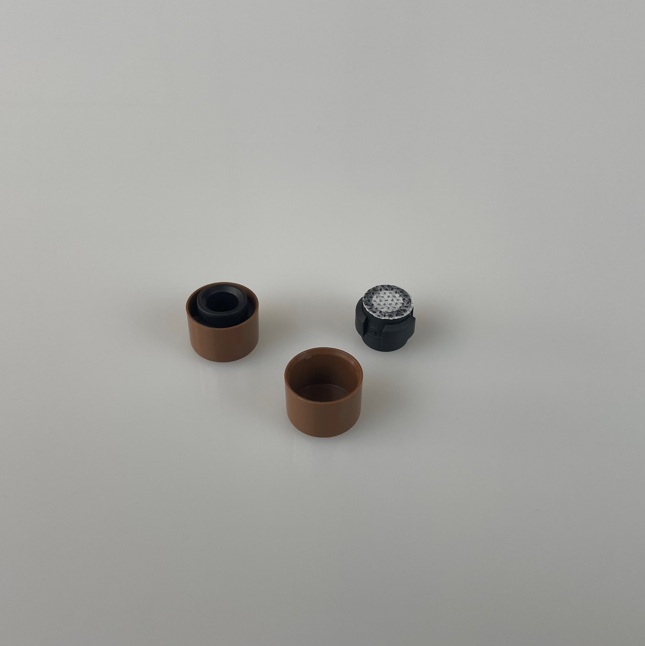
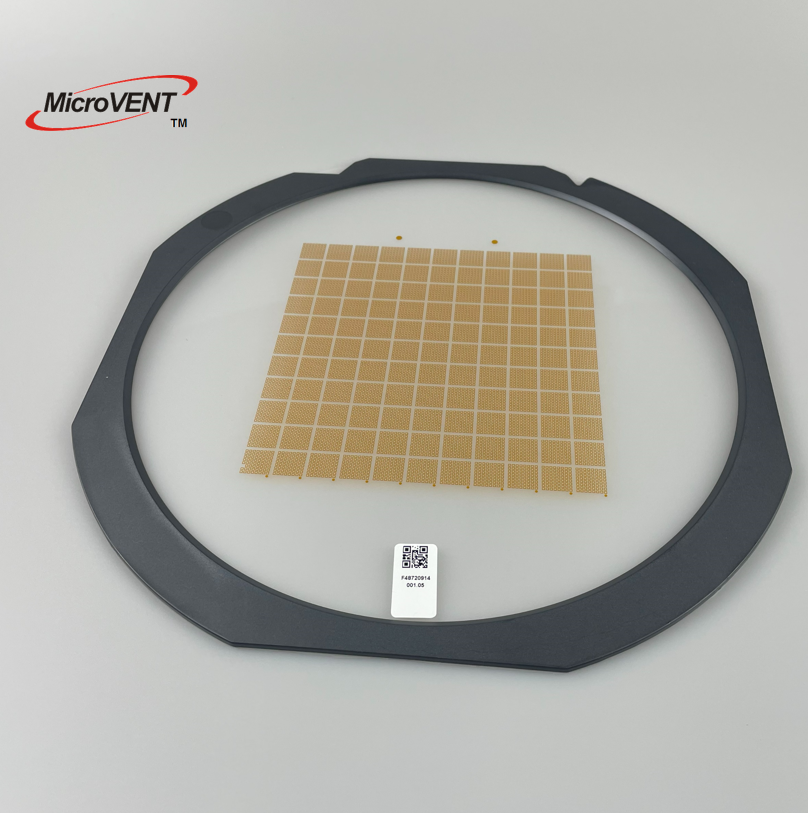
Acoustic vents represent a sophisticated engineering solution designed to manage sound transmission while maintaining essential airflow in various applications. These specialized components combine advanced materials science with precise acoustic engineering to create openings that allow air circulation while significantly reducing unwanted noise penetration. The primary function of acoustic vents centers on creating a barrier against sound waves while permitting the free movement of air, making them indispensable in environments where both ventilation and noise control are critical requirements. Technological features of acoustic vents include carefully engineered internal chambers, specialized sound-absorbing materials, and precisely calculated airflow pathways that work together to attenuate sound frequencies across a broad spectrum. The design typically incorporates multiple layers of acoustic treatment, including perforated metal sheets, fibrous materials, and resonant chambers that collectively reduce noise transmission by up to 40 decibels depending on the specific model and installation requirements. These vents utilize principles of acoustic impedance matching and destructive interference to neutralize sound waves while maintaining optimal air exchange rates. Applications for acoustic vents span numerous industries and environments, from residential HVAC systems in homes located near busy roads or airports, to commercial buildings requiring quiet operation of mechanical systems. Industrial facilities use these vents to comply with noise regulations while ensuring proper ventilation for equipment cooling and air quality maintenance. Recording studios, hospitals, schools, and office buildings frequently integrate acoustic vents into their climate control systems to create comfortable, quiet environments without compromising air circulation. The versatility of acoustic vents makes them suitable for both new construction projects and retrofit applications, where existing ventilation systems need noise reduction capabilities without major structural modifications.

New Product Recommendations

Acoustic vents deliver substantial practical benefits that directly impact comfort, compliance, and operational efficiency for property owners and facility managers. The most immediate advantage lies in noise reduction capabilities, which can decrease sound transmission by 20 to 40 decibels compared to standard ventilation openings. This dramatic sound attenuation transforms noisy environments into peaceful spaces, allowing occupants to concentrate better, sleep more soundly, and enjoy improved quality of life. Property values often increase when acoustic vents are properly installed, as they address one of the most common complaints in urban residential and commercial properties: excessive noise from mechanical systems and external sources. Energy efficiency represents another significant advantage, as acoustic vents maintain proper airflow without requiring additional fan power or system modifications. This efficiency translates into lower energy costs and reduced wear on HVAC equipment, extending system lifespan and decreasing maintenance requirements. The installation process for acoustic vents is straightforward and typically requires minimal disruption to existing operations, making them an attractive solution for both new construction and renovation projects. Unlike complex soundproofing systems that may require extensive structural changes, acoustic vents integrate seamlessly into standard ventilation designs. Maintenance requirements are minimal, with most models requiring only periodic cleaning and inspection to maintain optimal performance. The durability of acoustic vents ensures long-term value, with high-quality units lasting decades under normal operating conditions. Regulatory compliance becomes easier with acoustic vents, as they help buildings meet increasingly strict noise ordinances and environmental standards without sacrificing essential ventilation requirements. This compliance capability is particularly valuable for commercial properties, industrial facilities, and residential developments in noise-sensitive areas. The flexibility of acoustic vents allows customization for specific applications, with various sizes, configurations, and performance levels available to match particular noise reduction and airflow requirements. Cost-effectiveness emerges as a compelling advantage when comparing acoustic vents to alternative noise control solutions, as they provide substantial noise reduction at a fraction of the cost of comprehensive soundproofing systems.

Latest News

What Are the Different Types of MicroVENT®Acoustic Vents Available?

21

May

What Are the Different Types of MicroVENT®Acoustic Vents Available?

Understanding MicroVENT® Acoustic Vent Technology Core Principles of ePTFE Membrane Design The expanded Polytetrafluoroethylene (ePTFE) membrane is recognized for its remarkable porosity, making it an ideal material for acoustic vent application...
View More
How does MicroVent®️ ePTFE membrane compare to other filtration materials?

25

Jun

How does MicroVent®️ ePTFE membrane compare to other filtration materials?

ePTFE Membrane Manufacturing Process vs. Conventional Materials Proprietary Stretching vs. Basic PTFE Production The manufacturing of ePTFE membranes uses a proprietary stretching technique that significantly enhances the material's flexibility and ...
View More
How Can MicroVENT®️ Automotive CMD Enhance lamps life ?

28

Aug

How Can MicroVENT®️ Automotive CMD Enhance lamps life ?

Understanding Advanced Automotive Lighting Technology The automotive lighting industry has witnessed remarkable advancements in recent years, with MicroVENT Automotive CMD emerging as a groundbreaking solution for extending lamp life and improving ov...
View More
How to Install a MicroVENT®️ Vent ePTFE Membrane for Acoustic Applications

28

Aug

How to Install a MicroVENT®️ Vent ePTFE Membrane for Acoustic Applications

Essential Guide to Acoustic Membrane Installation The installation of a MicroVENT vent ePTFE membrane represents a crucial step in optimizing acoustic performance while maintaining proper pressure equalization in electronic devices. This comprehensiv...
View More

Get a Free Quote

Our representative will contact you soon.
Email
Name
Company Name
Message
0/1000

acoustic vents

Advanced Multi-Chamber Noise Attenuation Technology

Advanced Multi-Chamber Noise Attenuation Technology

The cornerstone feature of modern acoustic vents lies in their sophisticated multi-chamber design that revolutionizes how sound waves are managed while preserving essential airflow characteristics. This innovative technology employs a series of interconnected chambers, each specifically engineered to target different frequency ranges and sound transmission paths. The first chamber typically features perforated metal baffles that begin the sound attenuation process by disrupting the direct path of sound waves, forcing them to navigate through a maze-like structure that gradually reduces their energy. Subsequent chambers incorporate specialized acoustic materials, including high-density foam, mineral wool, or proprietary sound-absorbing composites that further diminish sound transmission through both absorption and reflection mechanisms. The geometric configuration of these chambers creates zones of acoustic impedance that effectively trap and dissipate sound energy while allowing air molecules to pass through with minimal restriction. Advanced computational fluid dynamics modeling ensures that the chamber design maintains optimal airflow coefficients while maximizing noise reduction performance. The resonant frequencies of each chamber are carefully calculated to address specific problematic frequency ranges common in HVAC systems, traffic noise, and industrial equipment. This targeted approach means that acoustic vents can reduce both low-frequency rumbles and high-frequency whistles that traditional ventilation systems often amplify. The multi-chamber system also provides redundant noise control, ensuring that even if one chamber becomes less effective due to contamination or wear, the overall system continues to provide significant sound attenuation. This technology represents a substantial advancement over simple sound baffles or single-chamber designs, offering superior performance that can be quantitatively measured and verified through acoustic testing. The practical impact for users includes dramatically quieter indoor environments, improved sleep quality in residential applications, and enhanced productivity in office settings where concentration is essential for effective work performance.
Seamless Integration with Existing Ventilation Systems

Seamless Integration with Existing Ventilation Systems

One of the most valuable characteristics of acoustic vents is their exceptional compatibility with existing ventilation infrastructure, eliminating the need for costly system overhauls or extensive modifications. This integration capability stems from standardized sizing that matches common ductwork dimensions and mounting configurations used throughout the construction industry. Professional installers can typically retrofit acoustic vents into existing systems within hours rather than days, minimizing disruption to building operations and occupant comfort. The mounting systems accommodate various wall thicknesses and construction materials, from standard drywall installations to heavy masonry and concrete applications. Flexible connection methods allow acoustic vents to interface with round, rectangular, or custom-shaped ductwork, making them suitable for virtually any ventilation system configuration. The aerodynamic design ensures that air pressure drops remain within acceptable limits, preventing system strain or performance degradation that could result from poorly designed sound control devices. Smart engineering allows these vents to maintain the original airflow rates specified for the space, ensuring that heating, cooling, and air quality requirements continue to be met without compromise. Installation procedures require only standard tools and basic HVAC knowledge, making them accessible to a wide range of contractors and maintenance personnel. The compact profile of acoustic vents means they can fit into tight spaces where traditional soundproofing solutions would be impractical or impossible to implement. Quality acoustic vents include comprehensive installation hardware and detailed instructions that guide installers through proper mounting, sealing, and testing procedures. This integration flexibility extends to aesthetic considerations, with various finish options available to match architectural requirements and interior design schemes. The ability to integrate seamlessly with existing systems provides substantial cost savings compared to complete ventilation system replacement, making acoustic noise control accessible to property owners with limited renovation budgets while delivering professional-grade performance results.
Long-Term Durability and Maintenance-Free Operation

Long-Term Durability and Maintenance-Free Operation

The robust construction and thoughtful engineering of quality acoustic vents ensure decades of reliable performance with minimal maintenance requirements, providing exceptional long-term value for property owners and facility managers. Premium materials used in acoustic vent construction include corrosion-resistant metals, UV-stable plastics, and acoustic materials that maintain their sound-absorbing properties even after years of exposure to varying temperature and humidity conditions. The internal components are designed to resist common problems that plague ventilation systems, including moisture accumulation, dust buildup, and bacterial growth that can compromise both air quality and acoustic performance. Stainless steel and powder-coated aluminum components resist rust and corrosion even in challenging environments such as coastal areas with salt air exposure or industrial facilities with chemical contaminants. The acoustic materials themselves undergo rigorous testing to ensure they maintain their sound attenuation properties throughout their service life, with many manufacturers providing performance warranties spanning 10 to 20 years. Maintenance procedures are simplified through accessible design features that allow periodic inspection and cleaning without requiring specialized tools or extensive disassembly. The smooth internal surfaces and antimicrobial treatments available on many models help prevent the accumulation of contaminants that could reduce acoustic performance or create air quality concerns. Quality acoustic vents resist common failure modes such as rattling, vibration, or component degradation that can occur with inferior products, ensuring quiet operation throughout their service life. The structural integrity of these units withstands normal building settling, thermal expansion cycles, and mechanical vibrations from HVAC equipment without developing air leaks or noise paths that would compromise their effectiveness. Replacement parts availability and modular design concepts mean that individual components can be serviced or upgraded without replacing entire units, further extending their useful life and protecting the initial investment. This durability advantage translates into predictable operating costs and reliable performance that facility managers can count on for comprehensive noise control without ongoing maintenance concerns or unexpected replacement expenses.

Get a Free Quote

Our representative will contact you soon.
Email
Name
Company Name
Message
0/1000