Start with the device. An acoustic vent membrane factory needs to know where the vent sits. State if it is near a microphone, speaker, sensor, or other part. Mark the opening shape and size. Show the space around the opening. Give the enclosure material and the planned build step. These facts set the scope for the review.
Give the acoustic vent membrane factory a drawing when one can be shared. Include a cross-section if the vent stack is not clear. State the device use case in plain terms. These items help the acoustic vent membrane factory see the limits of the first review.
Do not ask an acoustic vent membrane factory for a universal answer. A part name does not prove fit. The sound path, device shape, and use case all matter. A clear brief helps the team compare current formats in a useful way.
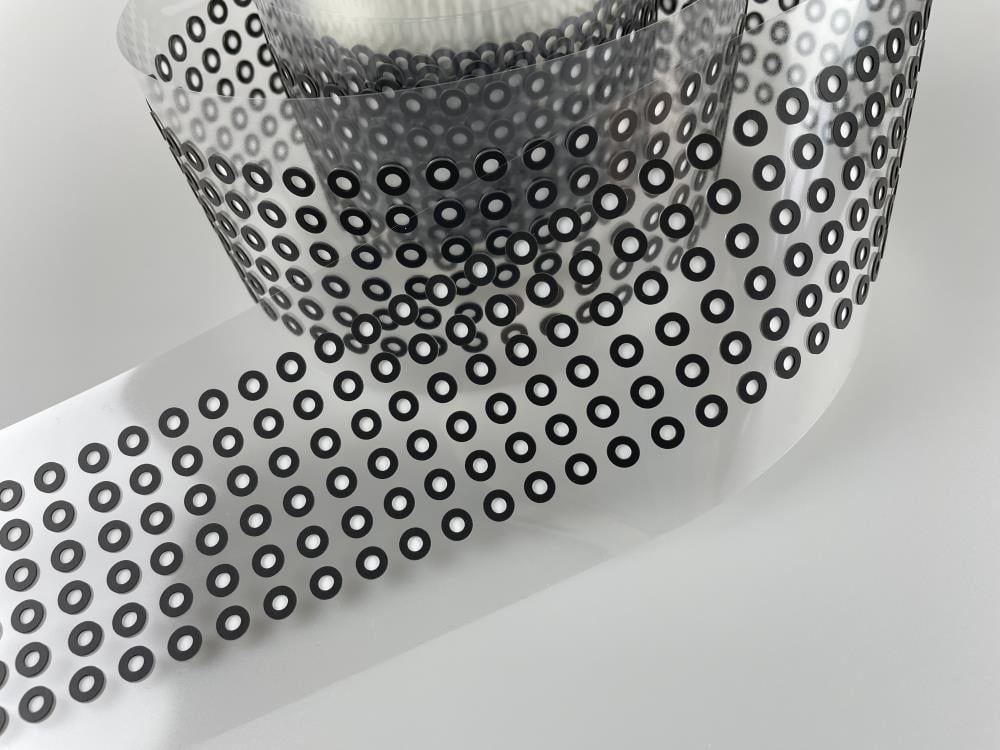
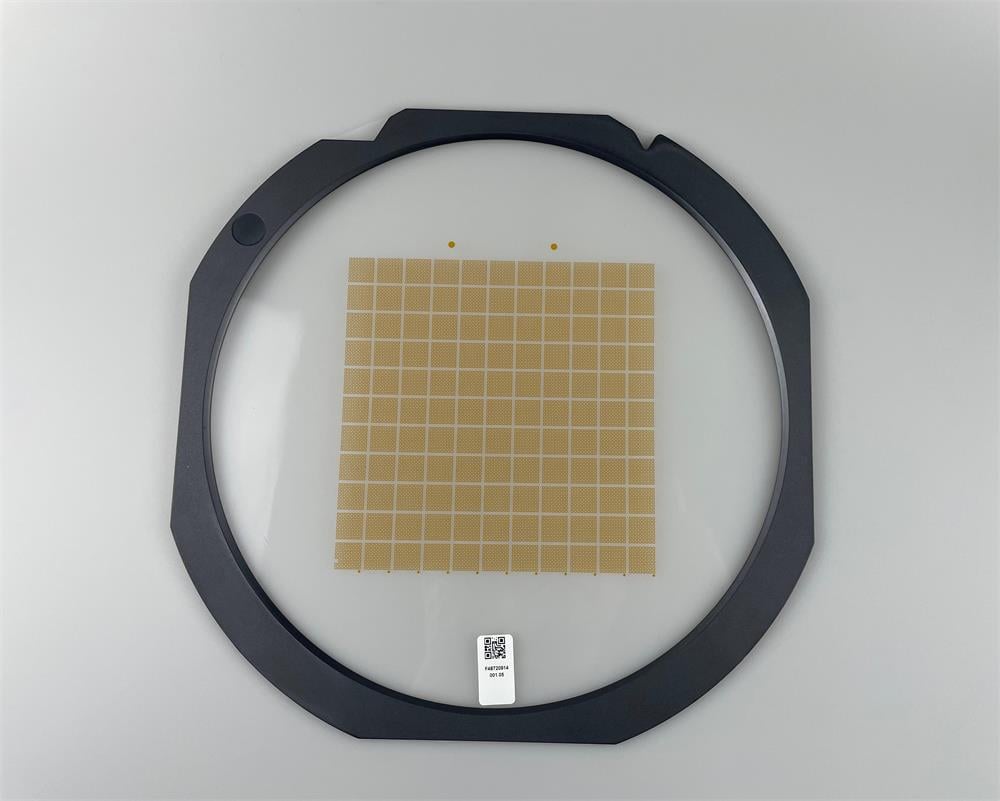
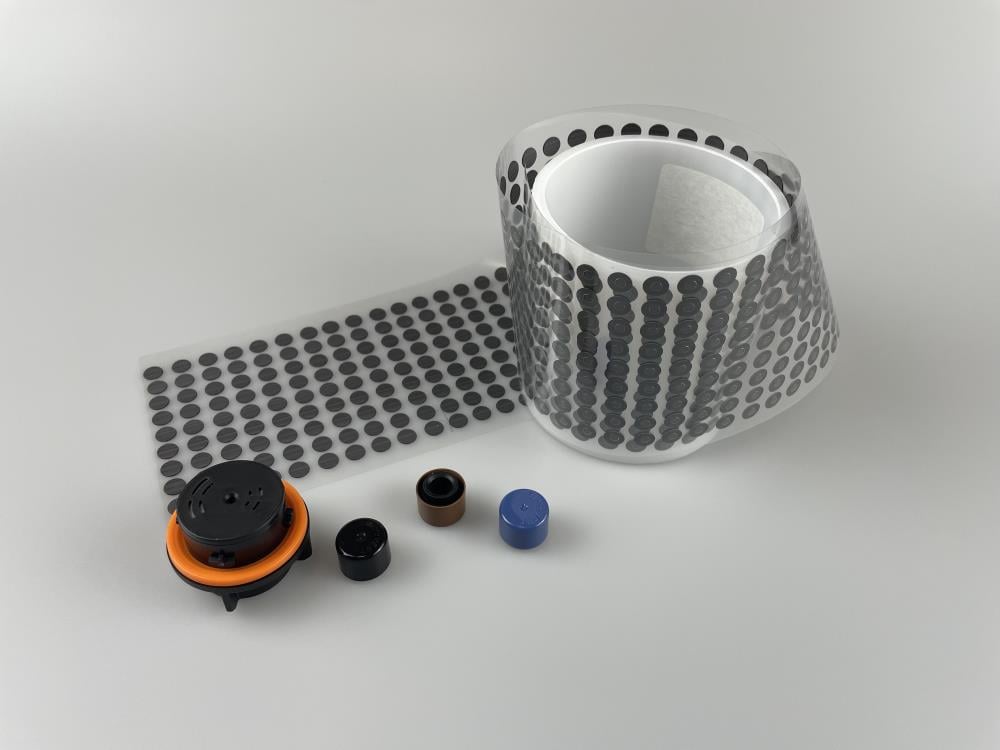
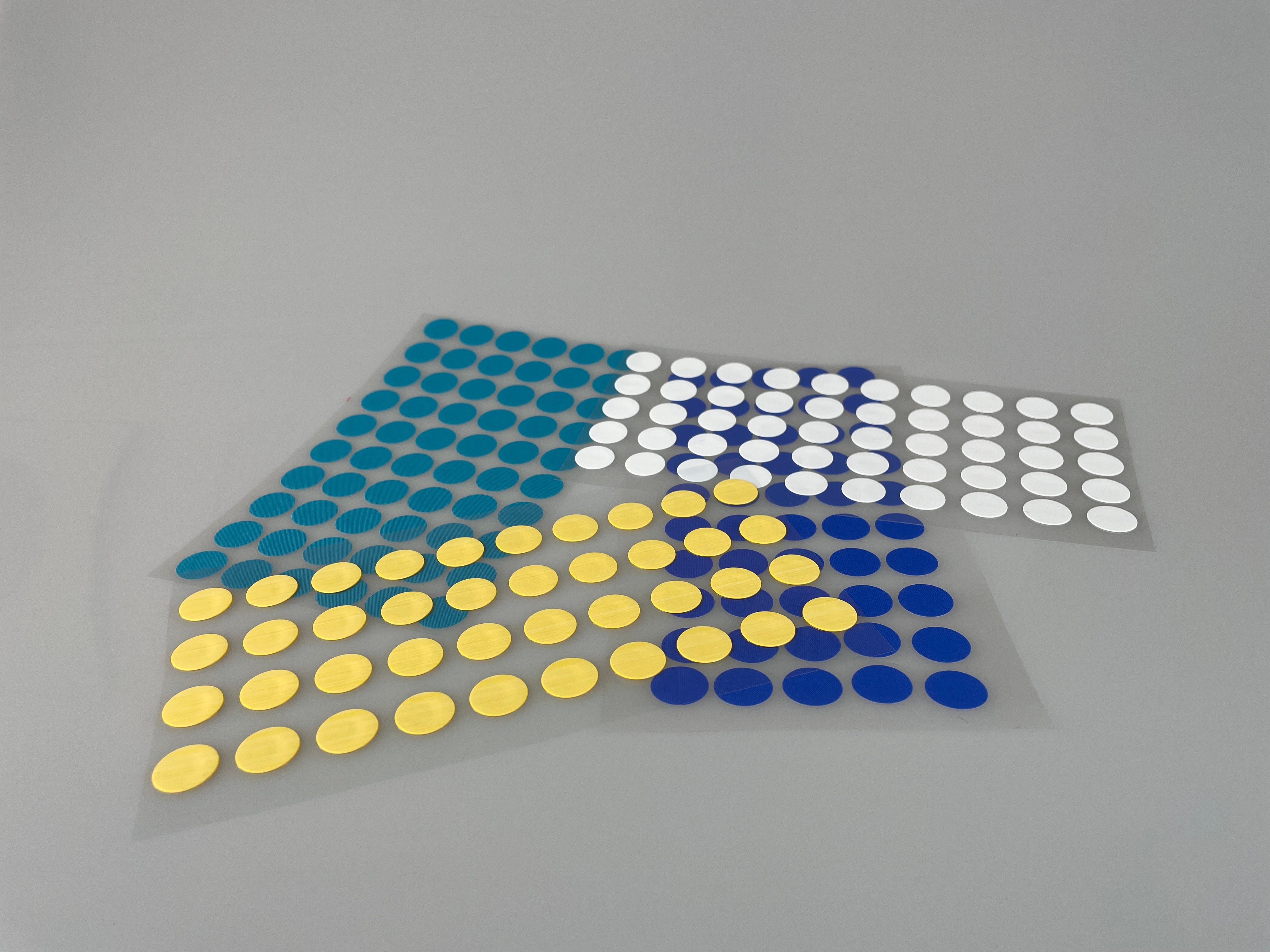
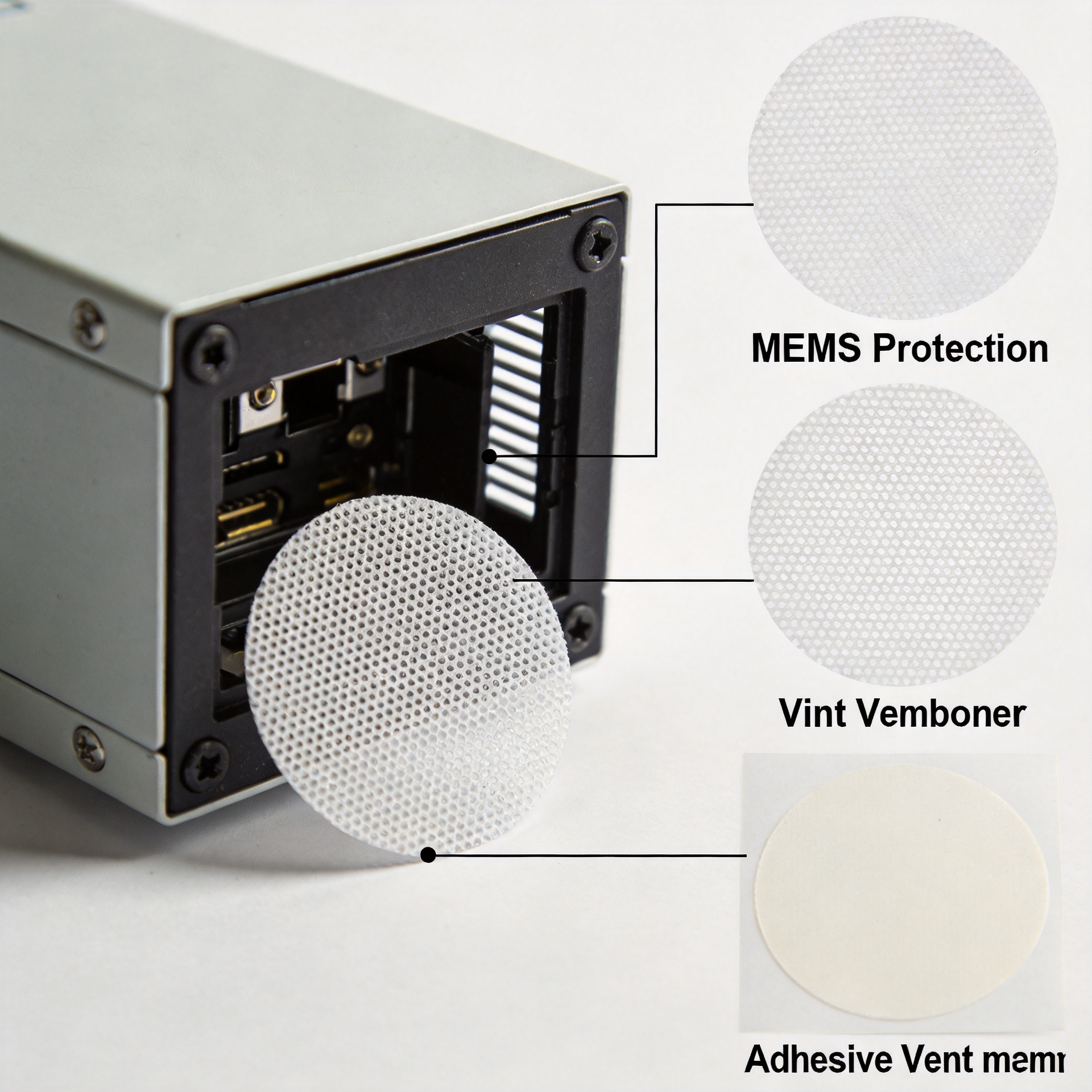
The product list gives four places to start. Acoustic Vent Membrane is the direct category match. MEMS protection membrane is an adjacent electronics option. vent membrane and Adhesive Vent Membrane are other current formats. An acoustic vent membrane factory can explain which product record is most relevant after it sees the assembly.
Ask the acoustic vent membrane factory to identify the direct match and the adjacent options. The factory discussion should name the basis for each comparison. It should not turn a broad category into an automatic recommendation.
An acoustic vent membrane factory should not treat these formats as the same. Ask for product details for each candidate. Compare the format, the interface, and the device drawing. This keeps a catalog review tied to the real product.
Check both sides of the vent. State the membrane-facing material and the enclosure-facing material. Note any coating, sealant, or molded feature near the opening. Give the available bond area and stack space. An acoustic vent membrane factory can use this information to discuss the proposed interface.
Ask the acoustic vent membrane factory which interface facts belong in the candidate review. This can prevent a simple material label from hiding an assembly issue. A clear interface record also supports later design checks.
MicroVENT lists ePTFE membrane, vent bottle PE liner, and vent acoustic membrane as product directions. Its company information also lists composite, lamination, and surface-modification techniques. These are useful background facts. They do not replace a product-specific review. The right construction still depends on the device and the current product record.
Set the check plan around the real use case. First, define the sound-related point that matters in the finished device. Next, list the exposure conditions that matter. State the medium if liquid contact is expected. State the enclosure and pressure profile if pressure change matters. State the build order if placement or handling matters.
An acoustic vent membrane factory should receive these details before broad claims are made. Ask for documentation that applies to the selected format. Check its scope against the final design. Do not move a result from one format or device layout to another. An acoustic vent membrane factory can then help define what still needs to be verified.
For each stated condition, ask the acoustic vent membrane factory what input is needed for a useful review. Record the answer with the product candidate. This makes later work easier to trace.
A good inquiry is short and specific. Name the device type. Identify the part near the sound path. Add the enclosure material, opening geometry, and install method. Attach a drawing or photo when it can be shared. Tell the acoustic vent membrane factory what conditions the device will face.
Then ask which current catalog format should be reviewed first. Ask what product details are available. Ask which questions need a device-level check. MicroVENT identifies acoustic vent membrane among its product directions and has developed ePTFE technology since 1995. Use the inquiry form to start a documentation-led discussion. The next step is to compare the selected format with the real assembly and plan the needed checks.

As one of the leading enterprises in industry of ePTFE membranes, MicroVENT® has been engaged in design, production as well as research and development of ePTFE technology since 1995. ePTFE membrane has excellent chemical stability, heat resistance and other properties. MicroVENT® uses composite, laminated, surface modification techniques and confers the ePTFE membrane which has a porous structure for improved strength, heat sealing resistance, Hydrophobic and Oleophobic.
NO.8 QIANCAO ROAD,LIJIA,CHANGZHOU.JIANGSU.CHINA
Copyright © © 2026Pan Asian Microvent Tech (Jiangsu) Corporation.All rights reserved. | Privacy policy
 EN
 AR
 CS
 FR
 DE
 IT
 JA
 KO
 PT
 RU
 ES
 ID
 VI
 TH
 TR
 MS