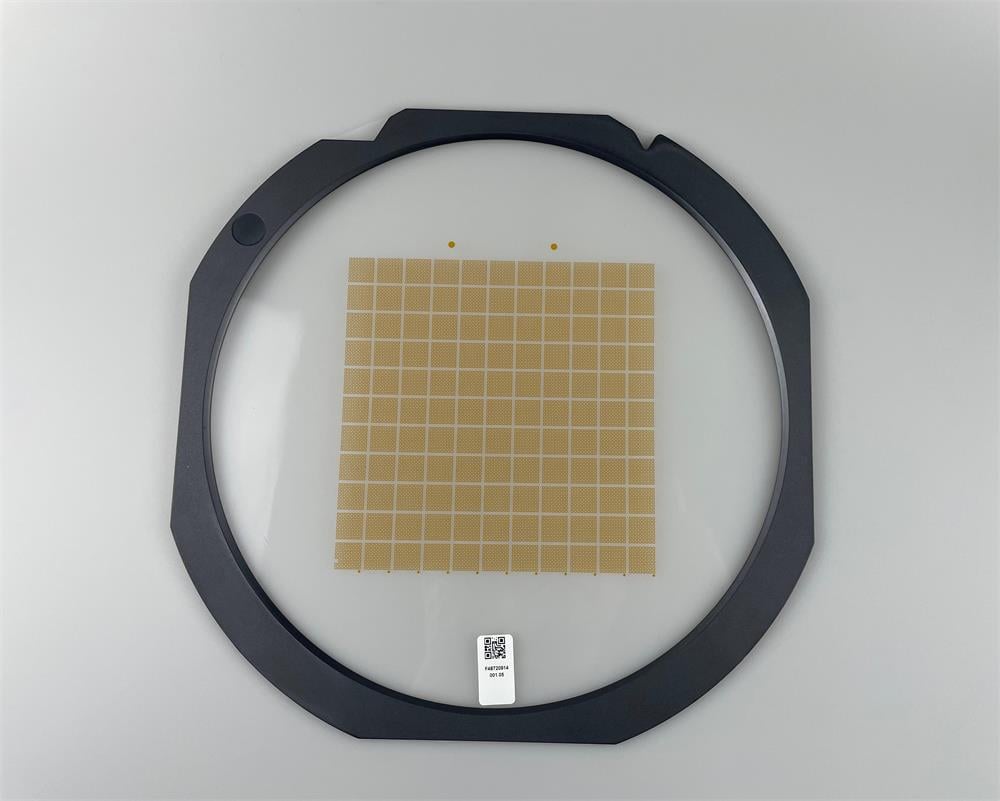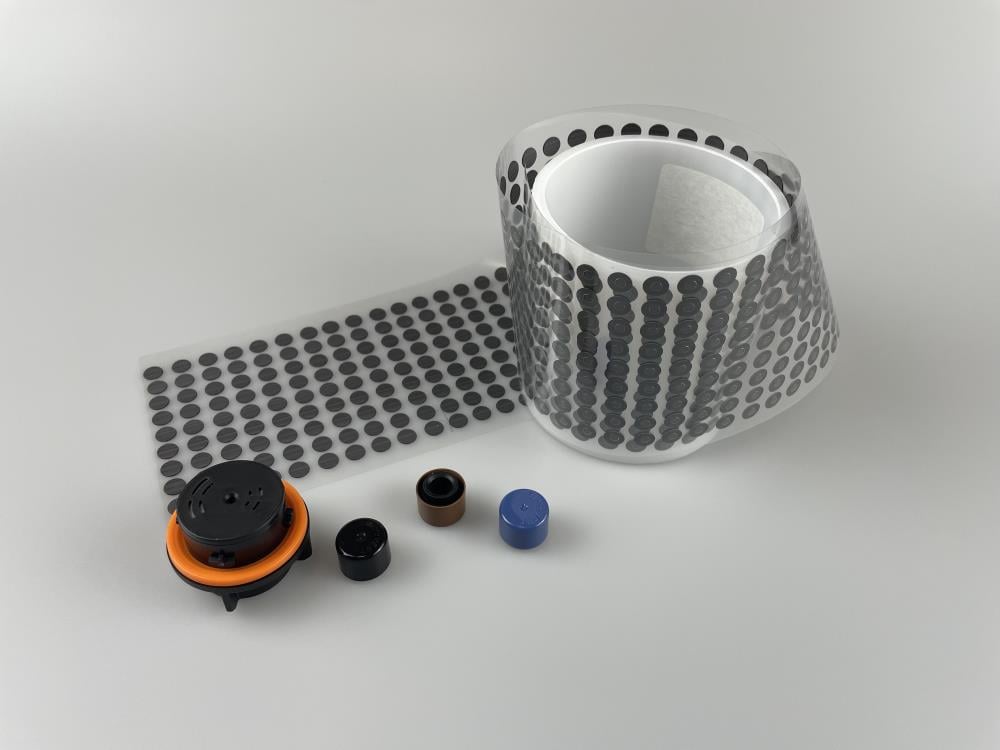

Gore acoustic vents are often searched when a team needs a cover for a sound opening. Gore acoustic vents are not a full device requirement. Begin with a simple question. What part sits behind the opening? It may be a microphone, speaker, receiver, sensor, or another part. Gore acoustic vents should be considered with that part in view.
Gore acoustic vents also raise a fit question. Measure the opening. Note its shape. Note the space around it. Draw the path from the opening to the part. Gore acoustic vents need room for the chosen format and its method of fit. A short drawing can make this clear.
Gore acoustic vents should be checked against the use conditions. List what may reach the opening. This may include dust, water, oil, moisture, or a cleaning fluid. State if contact is rare or common. Gore acoustic vents may be reviewed for a barrier or air path need, but the result depends on the real use.
Gore acoustic vents should also be checked for pressure change. Say if the case may heat, cool, move, or seal. Say what sits in the space behind the opening. Gore acoustic vents are part of the full enclosure. Do not use a broad claim in place of a use record.
Gore acoustic vents can be a starting point for a catalog review. The Acoustic Vent Membrane is the direct topic match in the current list. The vent membrane is a related option. The MEMS protection membrane is another related electronics format. The Adhesive Vent Membrane is an adjacent format for a fit discussion.
Gore acoustic vents do not make these records equal. Read each product record. Check the drawing and product notes that apply. Gore acoustic vents should not be chosen from a name alone. The opening, support area, and assembly step all matter.
Gore acoustic vents may need an adhesive fit, a held fit, or another form of assembly. Check the free area around the opening. Check nearby parts. Check the order of the build steps. Gore acoustic vents should be reviewed before a process choice is fixed. This helps the team spot a geometry gap early.
| Question | What to share | Reason |
|---|---|---|
| What is the opening? | Size, shape, and place. | It shows the physical fit. |
| What is behind it? | Part and sound path. | It sets the device context. |
| What may touch it? | Medium and use state. | It sets the review scope. |
| How is it built? | Fit and build steps. | It shows process limits. |
Gore acoustic vents need a check plan that fits the use case. Set the goal in plain terms. It may concern the sound path, the enclosure, the build, or a stated exposure. Gore acoustic vents should be checked against a set pass rule. The rule should be agreed by the design and quality teams.
Gore acoustic vents may need a drawing review, a product record review, or a test plan. Ask for the material that supports the exact question. Gore acoustic vents should not be treated as proof of one result in every device. Add a standard or test method only after its scope is checked.
Gore acoustic vents are easier to discuss when the inquiry has facts. Send the use case, drawing, opening size, media, and build method. Say which catalog format is under review. Gore acoustic vents can then be discussed as a fit question. The next step can be a review of current product data and the items that still need to be checked.

As one of the leading enterprises in industry of ePTFE membranes, MicroVENT® has been engaged in design, production as well as research and development of ePTFE technology since 1995. ePTFE membrane has excellent chemical stability, heat resistance and other properties. MicroVENT® uses composite, laminated, surface modification techniques and confers the ePTFE membrane which has a porous structure for improved strength, heat sealing resistance, Hydrophobic and Oleophobic.
NO.8 QIANCAO ROAD,LIJIA,CHANGZHOU.JIANGSU.CHINA
Copyright © © 2026Pan Asian Microvent Tech (Jiangsu) Corporation.All rights reserved. | Privacy policy
 EN
 AR
 CS
 FR
 DE
 IT
 JA
 KO
 PT
 RU
 ES
 ID
 VI
 TH
 TR
 MS