Waterproof acoustic vents are best reviewed with the full use case in view. Start with the device type and the acoustic part. Then note the outer hole and the space around it. A phone, camera, watch, sensor, or headset may need a different fit review. Do not treat a broad search term as a finished part rule.
For waterproof acoustic vents, write down what the device may meet. This can be water, damp air, dust, a wash step, or a process fluid. Say where the contact may occur. Say how long it may last. Note if the device may be hot, cold, sealed, or moved between air pressures. These facts help turn a general request into a useful design question.
Keep known facts apart from open items. The known facts can include the hole size, case material, part site, and build path. Open items may need a drawing, product sheet, or check plan. This method does not claim a result. It gives the team a clear list for the next review of waterproof acoustic vents.
Waterproof acoustic vents sit where a sound path and a water path may meet. Trace the sound route from the outer hole to the mic, speaker, or other part. Then trace the route that water or damp air could take toward that same area. The two routes may not use the same space. Put both on the drawing.
These simple notes help with waterproof acoustic vents because the membrane alone is not the whole design. The case wall, mounting land, and nearby parts can change the fit question. A product name cannot replace this review.
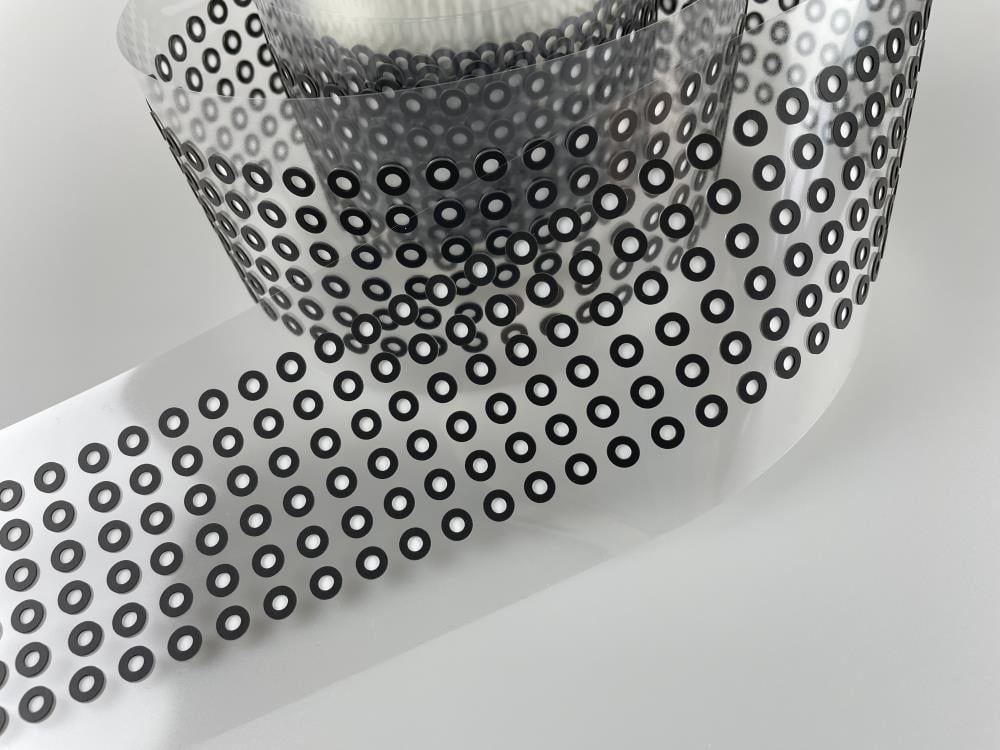
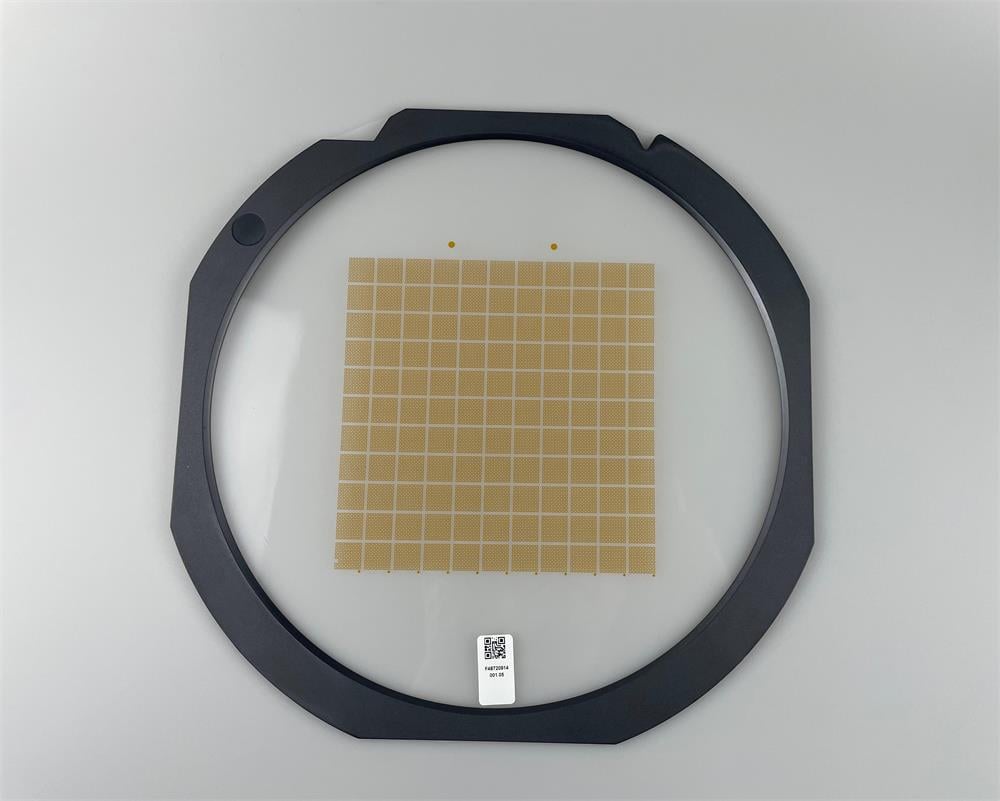
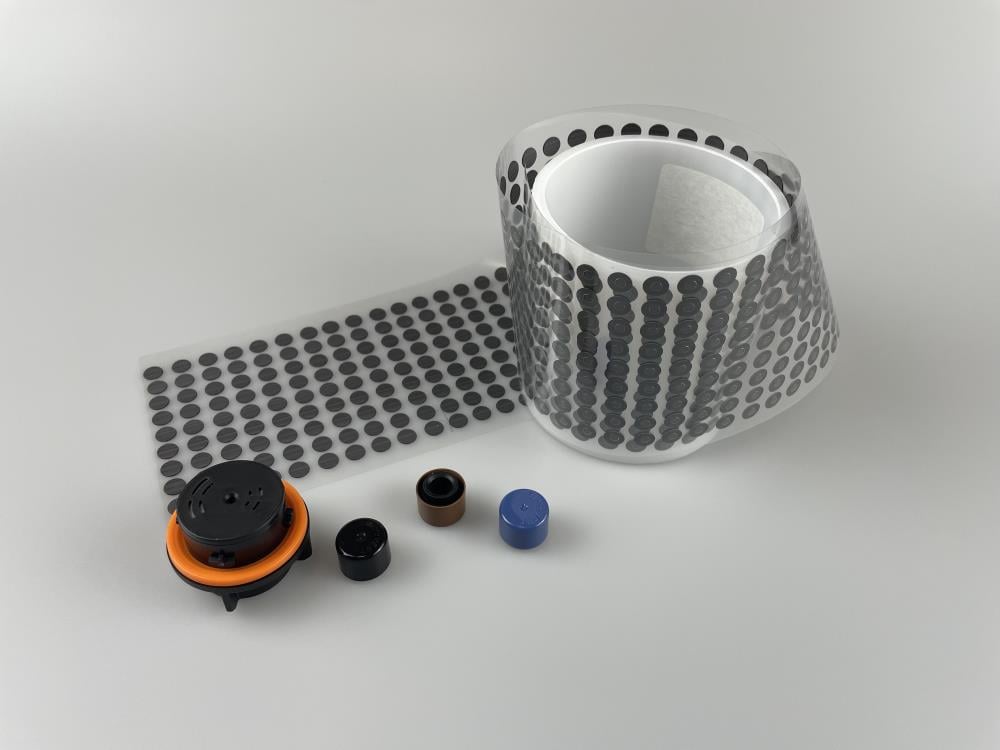
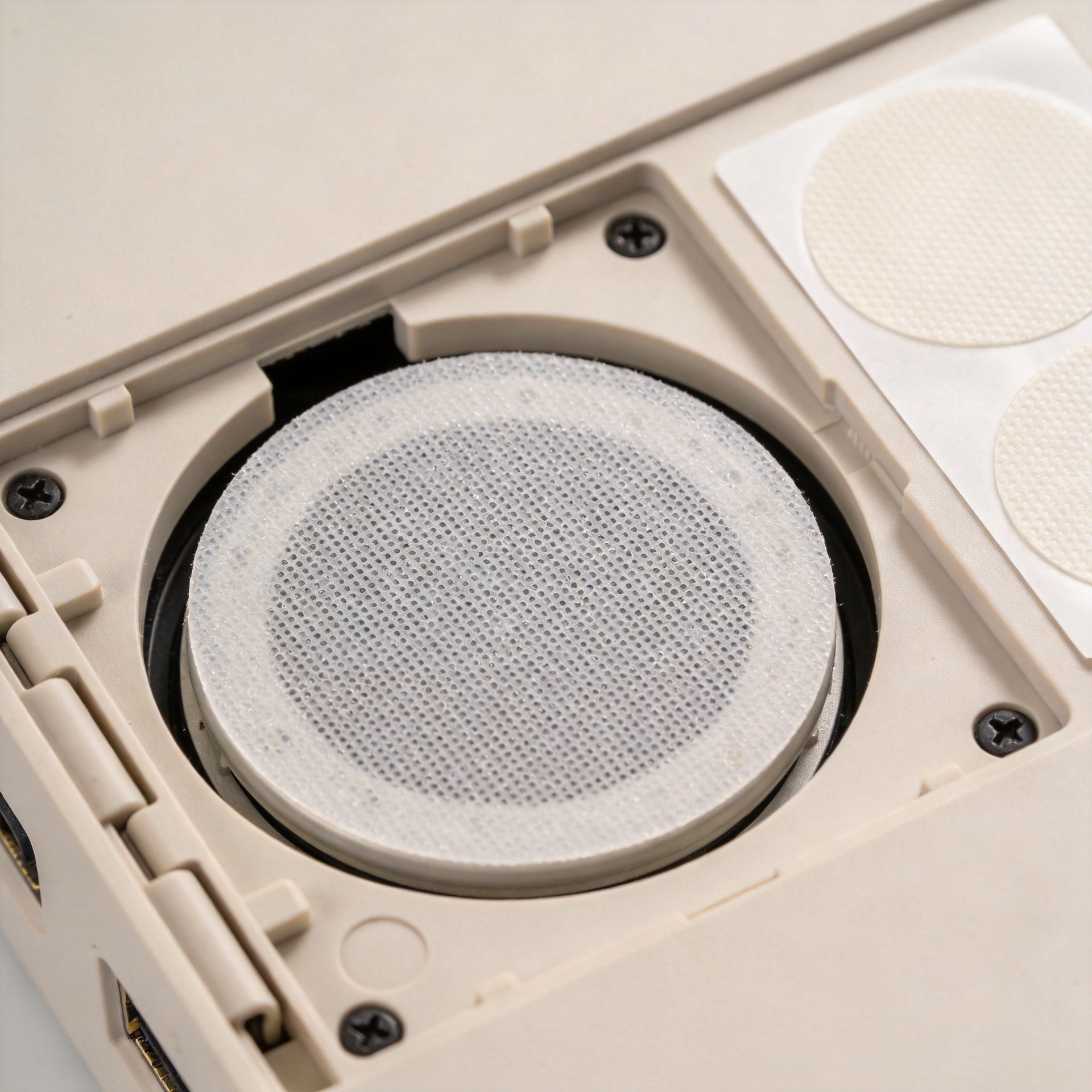
The current product list has an Acoustic Vent Membrane as the direct topic match. The vent membrane and Adhesive Vent Membrane are nearby formats for comparison. The MEMS protection membrane is a nearby electronics option. The list does not state that these formats are equal. It gives teams a short set of items to compare for waterproof acoustic vents.
Check the fit at the part interface. Look at the mounting land, the hole edge, and the room around the part. For an adhesive route, state the bond surface and the build limits. For a part set in a case or other unit, state the joint size and order of work. A material can look right at first. Yet a poor fit at the edge or bond site can create a new issue. This is why waterproof acoustic vents need both a material review and an assembly review.
| Item | Question |
|---|---|
| Hole | What are its size, shape, edge, and site? |
| Case | What wall, material, and mounting land are in use? |
| Build | How will the part be placed and kept safe later? |
| Sound | Which part and sound route must be checked? |
Waterproof acoustic vents should be checked against the true medium and pressure profile. Water can mean rain, splash, damp air, mist, wash fluid, or pooled liquid. These cases are not the same. Say which one applies. Also say if the case may see heat change, air travel, or a sealed space. Each fact can change what must be checked.
Do not turn a broad barrier statement into a final choice. For waterproof acoustic vents, the team still needs to know the contact site, time, fit, and check method. If oil or a process fluid is part of the use case, name it. If a test method is named, share its scope and pass rule. A test name alone does not show that it fits the device.
For waterproof acoustic vents, confirm the device type. For waterproof acoustic vents, confirm the sound part. For waterproof acoustic vents, confirm the hole size. For waterproof acoustic vents, confirm the hole edge. For waterproof acoustic vents, confirm the case material. For waterproof acoustic vents, confirm the mounting land. For waterproof acoustic vents, confirm the build step. For waterproof acoustic vents, confirm the water source. For waterproof acoustic vents, confirm the contact site. For waterproof acoustic vents, confirm the contact time. For waterproof acoustic vents, confirm the device angle. For waterproof acoustic vents, confirm any heat change. For waterproof acoustic vents, confirm any pressure change. For waterproof acoustic vents, confirm access after placement. For waterproof acoustic vents, confirm the drawing version. For waterproof acoustic vents, confirm the data needed for review. For waterproof acoustic vents, confirm the test scope. For waterproof acoustic vents, confirm the pass rule. For waterproof acoustic vents, confirm the open questions. For waterproof acoustic vents, confirm the next review step. This list supports a clear fit discussion. It does not make a performance claim.
Send a short and clear brief for waterproof acoustic vents. Include the device type, a drawing or hole view, and the acoustic part site. Add the case material and build path. State the water or damp air concern in plain words. Note any limits on placement, heat, cure, or access. This gives the reviewer a sound base for the first fit talk.
MicroVENT's approved profile names ePTFE membrane work and composite, laminated, and surface-modification techniques. That background can support a technical talk. It is not product proof for each use case. Ask for the records needed to compare waterproof acoustic vents with the actual case. A clear brief can help the team move from a search term to a documented choice.

As one of the leading enterprises in industry of ePTFE membranes, MicroVENT® has been engaged in design, production as well as research and development of ePTFE technology since 1995. ePTFE membrane has excellent chemical stability, heat resistance and other properties. MicroVENT® uses composite, laminated, surface modification techniques and confers the ePTFE membrane which has a porous structure for improved strength, heat sealing resistance, Hydrophobic and Oleophobic.
NO.8 QIANCAO ROAD,LIJIA,CHANGZHOU.JIANGSU.CHINA
Copyright © © 2026Pan Asian Microvent Tech (Jiangsu) Corporation.All rights reserved. | Privacy policy
 EN
 AR
 CS
 FR
 DE
 IT
 JA
 KO
 PT
 RU
 ES
 ID
 VI
 TH
 TR
 MS