Premium Fertilizer Cap Seals - Advanced Protection for Agricultural Products

All Categories

Get a Free Quote

Our representative will contact you soon.
Email
Name
Company Name
Message
0/1000

fertilizer cap seal

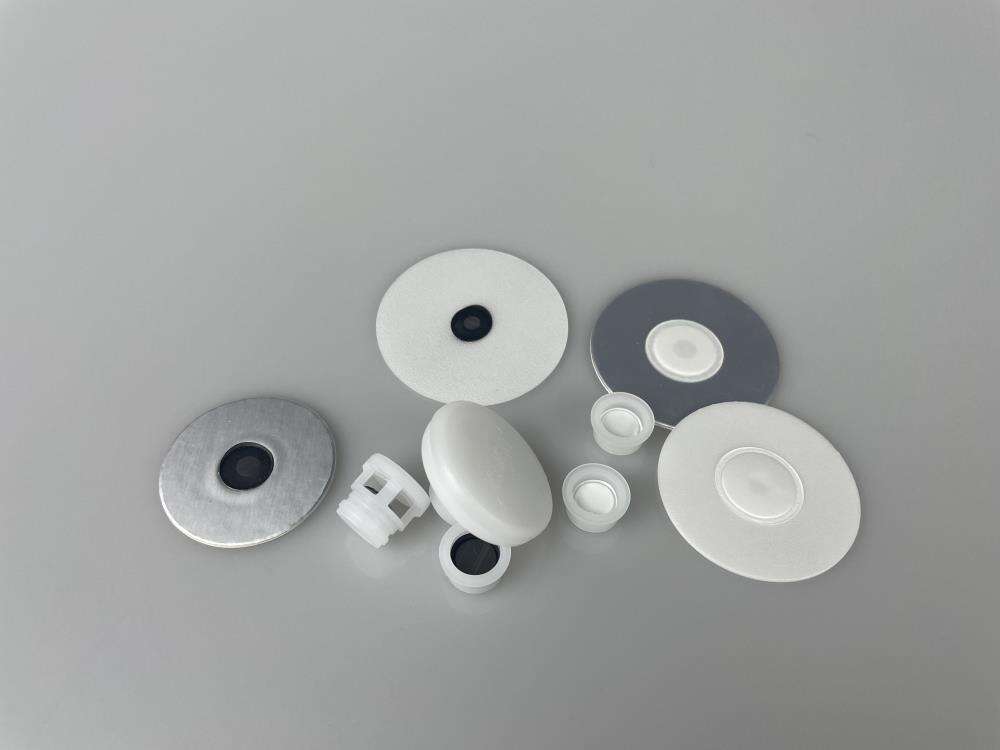
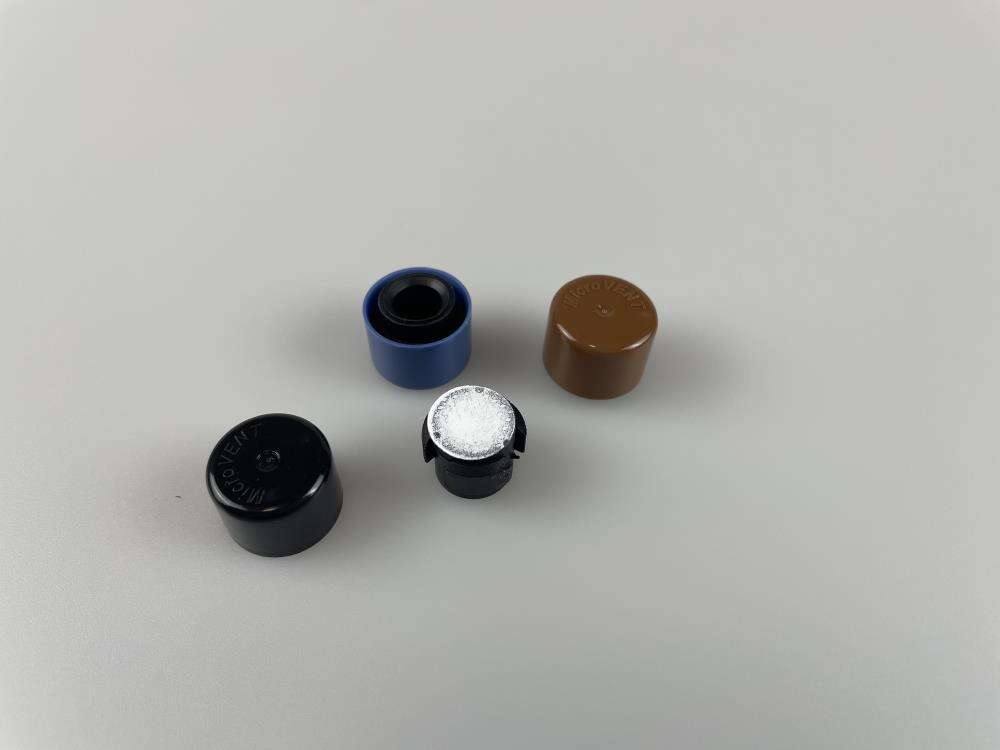
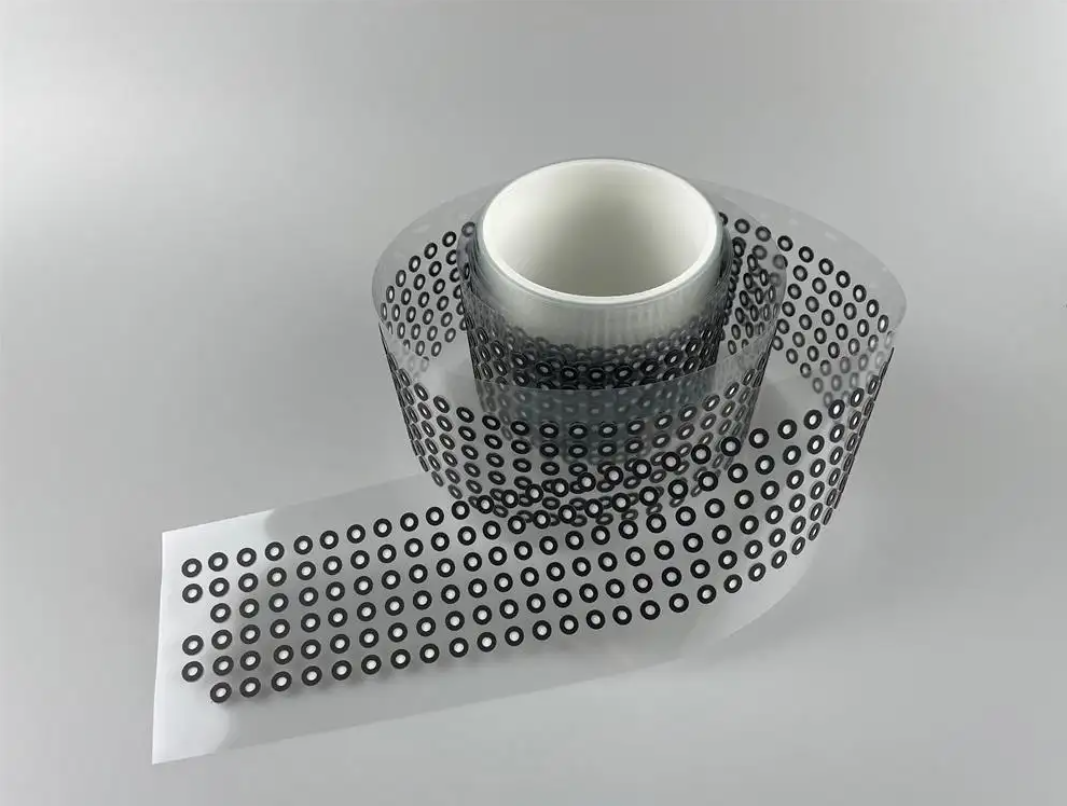
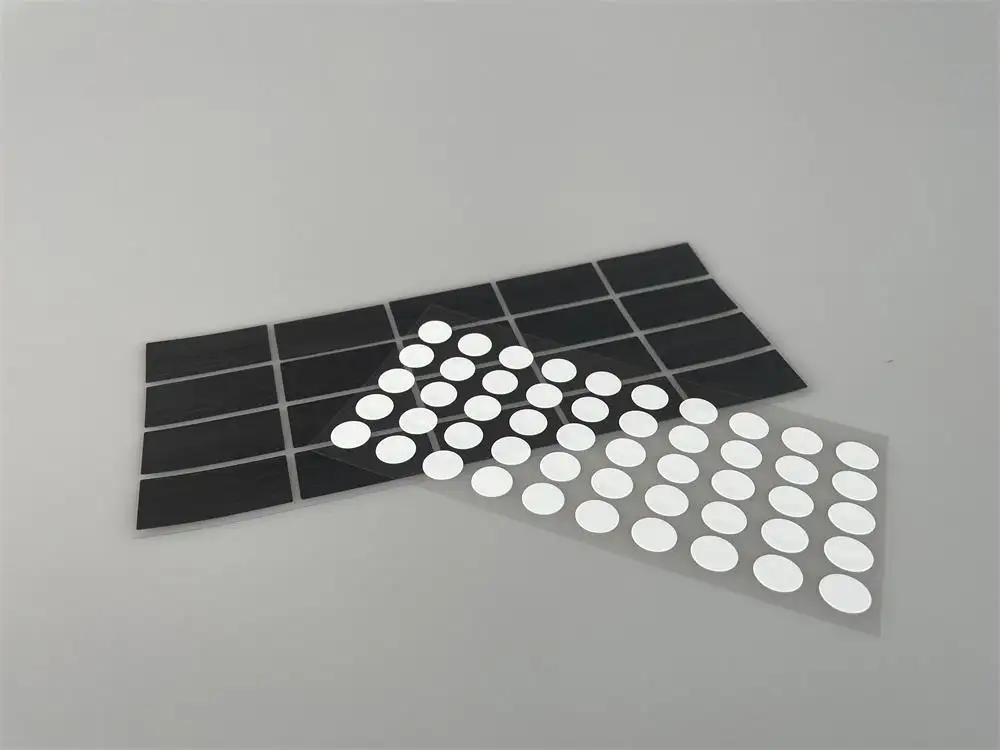
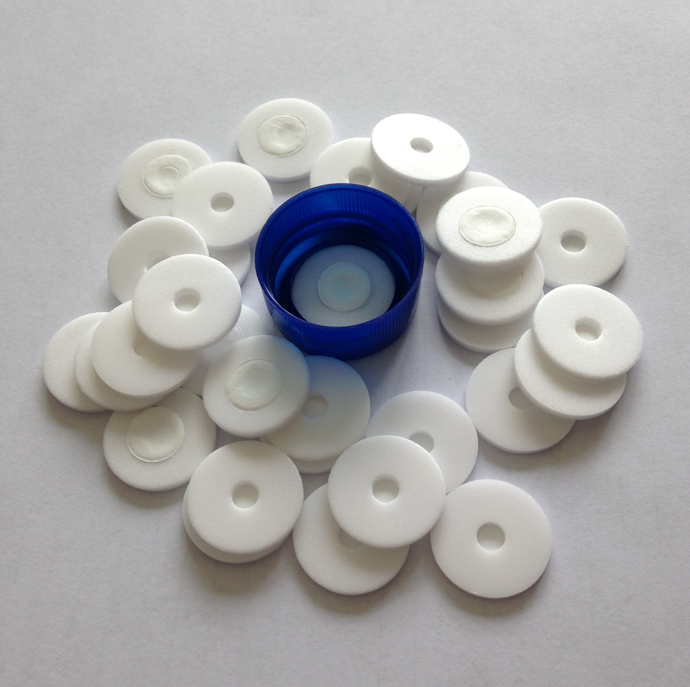
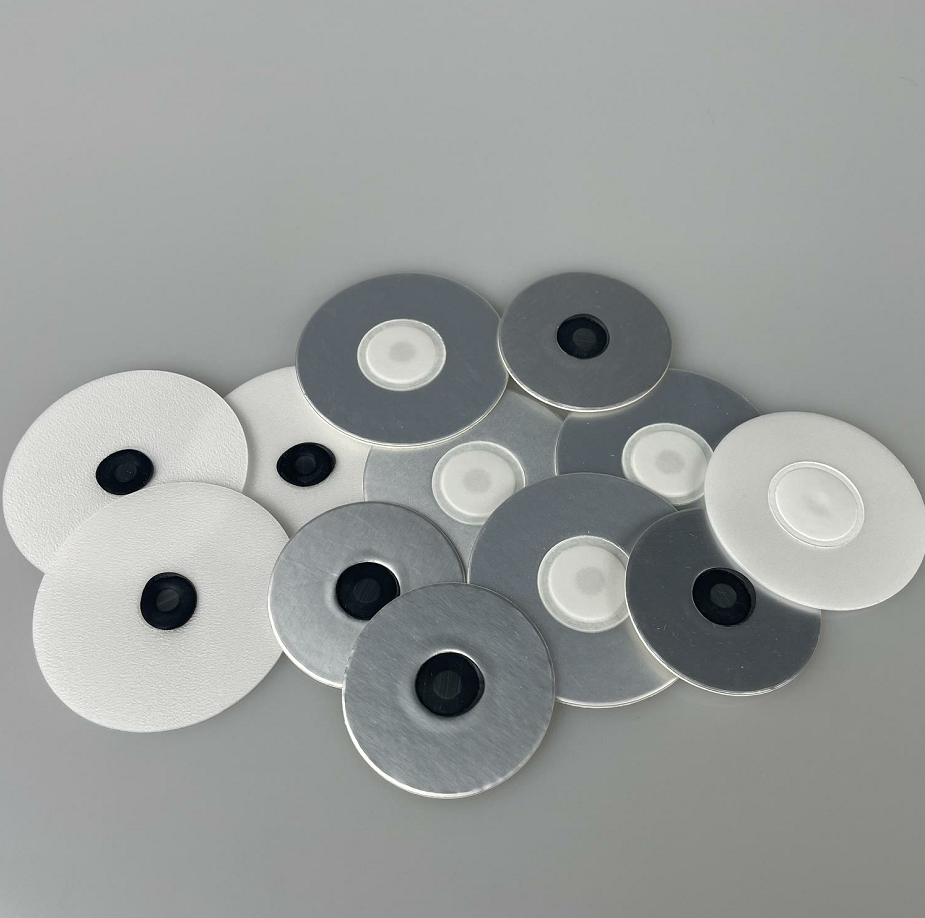
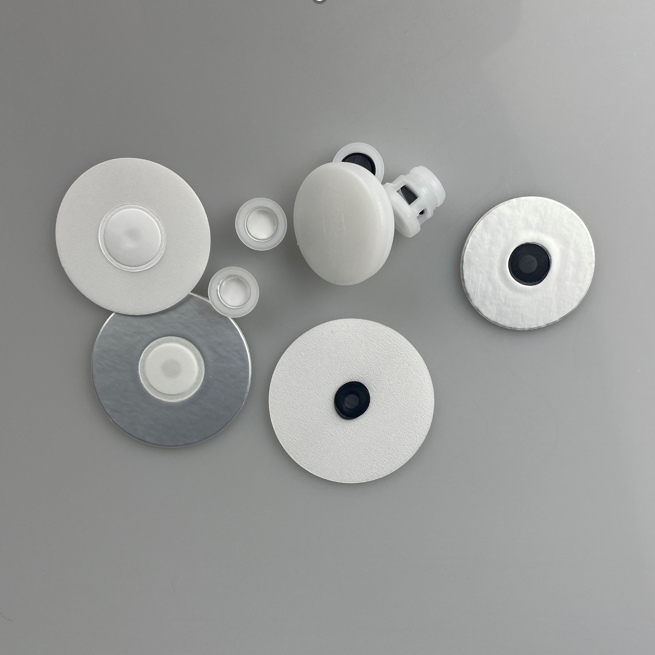
The fertilizer cap seal represents a critical component in agricultural packaging systems, designed to maintain product integrity and prevent contamination during storage and transportation. This specialized sealing mechanism serves multiple essential functions that directly impact fertilizer quality and effectiveness. The primary purpose of a fertilizer cap seal involves creating an airtight barrier that protects granular and liquid fertilizers from moisture infiltration, oxidation, and external contaminants that could compromise their chemical composition. Advanced fertilizer cap seals utilize innovative materials and engineering techniques to ensure maximum protection against environmental factors. These seals incorporate multi-layer construction featuring polymer compounds that resist chemical corrosion while maintaining flexibility across varying temperature ranges. The technological design includes precision-molded components that create perfect alignment with container openings, eliminating potential leak points that could result in product loss or contamination. Modern fertilizer cap seal systems often integrate tamper-evident features that provide visual confirmation of package integrity, ensuring end-users receive products in their original condition. The manufacturing process involves specialized injection molding techniques that produce consistent seal dimensions and material properties. Quality control measures include pressure testing and chemical compatibility assessments to verify each fertilizer cap seal meets industry standards. These seals accommodate various container sizes and configurations, from small retail packages to large industrial containers. The versatility of fertilizer cap seal applications extends across multiple product categories including granular fertilizers, liquid concentrates, organic amendments, and specialty agricultural chemicals. Installation procedures require minimal equipment and training, making these seals practical for packaging operations of all scales. Environmental considerations drive continuous improvements in fertilizer cap seal design, with manufacturers developing recyclable materials and sustainable production methods that reduce environmental impact while maintaining superior performance characteristics.

New Product Recommendations

Fertilizer cap seals deliver significant cost savings through superior product preservation that extends shelf life and reduces waste from spoilage or contamination. These seals prevent moisture absorption that can cause fertilizer clumping, chemical degradation, and nutrient loss, ensuring customers receive full value from their investment. The enhanced protection translates to reduced product returns and warranty claims, benefiting both manufacturers and distributors through improved customer satisfaction and operational efficiency. Installation simplicity represents another major advantage, as fertilizer cap seals require no specialized equipment or extensive training for proper application. Workers can quickly learn the sealing process, reducing labor costs and minimizing production delays. The consistent sealing performance eliminates variations that could compromise product quality, providing reliable protection across entire production runs. Durability stands out as a key benefit, with high-quality fertilizer cap seals withstanding harsh storage conditions including temperature fluctuations, humidity changes, and physical handling during transportation. This resilience reduces the likelihood of seal failure and associated product losses. Customization options allow manufacturers to select fertilizer cap seals that match specific product requirements, container designs, and branding needs. This flexibility supports diverse packaging strategies while maintaining optimal performance standards. Chemical resistance properties ensure fertilizer cap seals maintain their integrity when exposed to various fertilizer formulations, including acidic and alkaline products that could degrade inferior sealing materials. The tamper-evident features provide security benefits that protect against product tampering and unauthorized access, building consumer confidence in product authenticity. Regulatory compliance becomes easier with properly designed fertilizer cap seals that meet industry standards for packaging safety and environmental protection. These seals support sustainable practices through recyclable materials and reduced packaging waste. Supply chain efficiency improves when fertilizer cap seals prevent leaks and spills during transportation, reducing cleanup costs and environmental concerns. The professional appearance of quality seals enhances brand perception and product marketability, contributing to increased sales and customer loyalty. Long-term storage capabilities ensure products remain viable throughout extended distribution cycles, supporting global supply chains and seasonal demand patterns.

Latest News

What Are the Different Types of MicroVENT®Acoustic Vents Available?

21

May

What Are the Different Types of MicroVENT®Acoustic Vents Available?

Understanding MicroVENT® Acoustic Vent Technology Core Principles of ePTFE Membrane Design The expanded Polytetrafluoroethylene (ePTFE) membrane is recognized for its remarkable porosity, making it an ideal material for acoustic vent application...
View More
What Are the Benefits of Using MicroVent®️ ePTFE Membranes in Medical Devices?

25

Jun

What Are the Benefits of Using MicroVent®️ ePTFE Membranes in Medical Devices?

Unique Properties of ePTFE Membranes in Medical Technology Microporous Structure for Selective Permeability The distinctive microporous of ePTFE membranes allows for selective permeable , it permeates gases only and is resistant to liquid conta...
View More
Why industries use MicroVent®️ ePTFE membranes for auto-lamps?

25

Jun

Why industries use MicroVent®️ ePTFE membranes for auto-lamps?

Preventing Condensation in Auto Lamps with ePTFE Membranes Material Science Behind Pressure Equalization ePTFE membranes are renowned for their exceptional ability to allow gases to pass while effectively blocking liquids at a molecular level. This ...
View More
What is MicroVent®️ ePTFE membrane, and what are its uses?

25

Jun

What is MicroVent®️ ePTFE membrane, and what are its uses?

Understanding MicroVent® ePTFE Membrane Technology Material Composition and Microporous Structure MicroVent® ePTFE membranes are renowned for their highly distinctive microporous structure, which plays a crucial role in their functionality. ...
View More

Get a Free Quote

Our representative will contact you soon.
Email
Name
Company Name
Message
0/1000

fertilizer cap seal

Advanced Moisture Barrier Technology

Advanced Moisture Barrier Technology

The moisture barrier technology incorporated into modern fertilizer cap seals represents a breakthrough in agricultural packaging science, delivering unprecedented protection against humidity infiltration that can devastate fertilizer effectiveness. This sophisticated barrier system utilizes multiple polymer layers engineered at the molecular level to create an impermeable shield against water vapor transmission. The outer layer consists of high-density polyethylene compounds that resist physical damage while providing initial moisture resistance. Beneath this protective exterior, specialized barrier films incorporate ethylene vinyl alcohol copolymers that demonstrate exceptional moisture blocking capabilities, achieving transmission rates below 0.1 grams per square meter per day. The innermost layer features chemical-resistant polymers designed specifically for direct contact with fertilizer compounds, preventing interactions that could compromise either the seal or the product. Advanced manufacturing processes ensure perfect layer adhesion without delamination risks that could create moisture pathways. Temperature cycling tests demonstrate consistent barrier performance across agricultural storage ranges from -20°F to 140°F, maintaining seal integrity regardless of seasonal variations or geographic locations. This technology prevents the hygroscopic absorption that causes fertilizer caking, where moisture converts free-flowing granules into hardened masses unusable for application equipment. Research studies indicate properly sealed fertilizers maintain their original flow characteristics for over 18 months compared to unsealed products that degrade within weeks under similar conditions. The moisture barrier also prevents chemical oxidation reactions that reduce nutrient availability, ensuring farmers receive full fertilizer value throughout the product lifecycle. Quality control procedures include accelerated aging tests that simulate years of storage conditions within weeks, verifying long-term moisture barrier effectiveness. Environmental testing confirms barrier performance under extreme humidity conditions typical of tropical agricultural regions, supporting global distribution strategies. Investment in advanced moisture barrier technology yields measurable returns through reduced product losses, decreased customer complaints, and enhanced brand reputation for reliability and quality.
Superior Chemical Compatibility and Resistance

Superior Chemical Compatibility and Resistance

Chemical compatibility represents the cornerstone of effective fertilizer cap seal performance, requiring extensive material science expertise to develop seals that withstand aggressive chemical environments while maintaining structural integrity and sealing effectiveness. Modern fertilizer cap seals undergo rigorous testing against comprehensive chemical matrices including nitrogen-based compounds, phosphate solutions, potassium derivatives, micronutrient chelates, and organic acid formulations commonly found in agricultural products. The polymer selection process involves evaluating molecular structures for resistance to chemical attack, stress cracking, and plasticizer migration that could compromise seal performance over time. Specialized elastomer compounds demonstrate exceptional resistance to ammonia-based fertilizers that can cause rapid degradation in inferior sealing materials, maintaining flexibility and sealing force throughout product lifecycles. Acidic fertilizer formulations require seals with enhanced resistance to pH levels as low as 1.5, achieved through carefully selected polymer additives that neutralize acid attack mechanisms. Alkaline products demand different chemical resistance properties, with seals designed to withstand pH levels exceeding 12 without swelling, cracking, or losing sealing capabilities. Temperature-chemical interaction studies reveal how elevated storage temperatures accelerate chemical reactions, leading to enhanced polymer formulations that maintain stability under combined thermal and chemical stress conditions. Accelerated aging protocols simulate years of chemical exposure within controlled timeframes, identifying potential failure modes before commercial deployment. Migration testing ensures no harmful substances transfer from fertilizer cap seals into product formulations, maintaining agricultural safety standards and regulatory compliance. Cross-linking inhibitors prevent polymer chain breakdown that could release contaminants or reduce seal effectiveness. Antioxidant packages protect seal materials from oxidative degradation caused by exposure to oxygen and ozone in storage environments. UV stabilizers shield outdoor storage applications from solar radiation that could weaken polymer structures. Quality assurance programs include batch testing of raw materials and finished seals to verify chemical resistance specifications. Field performance monitoring tracks seal behavior across diverse geographic regions and climate conditions, providing real-world validation of laboratory testing results and supporting continuous improvement initiatives.
Precision Engineering for Leak-Proof Performance

Precision Engineering for Leak-Proof Performance

Precision engineering principles govern every aspect of fertilizer cap seal design and manufacturing, ensuring consistent leak-proof performance that protects valuable agricultural products from contamination and loss. Computer-aided design systems model seal geometry with microscopic precision, optimizing contact pressures, compression ratios, and deformation characteristics to achieve perfect sealing across varying container tolerances and environmental conditions. Advanced injection molding processes maintain dimensional accuracy within ±0.001 inches, ensuring every fertilizer cap seal meets exact specifications for reliable performance. Multi-cavity mold designs produce identical seals with consistent material distribution and structural properties, eliminating variations that could compromise sealing effectiveness. Process monitoring systems track temperature, pressure, and cycle times throughout manufacturing, maintaining optimal conditions for polymer flow and curing that directly impact final seal quality. Material preparation includes precise blending of polymer compounds, additives, and colorants to achieve homogeneous mixtures that produce consistent mechanical properties across production runs. Gate design and runner systems control material flow patterns to minimize stress concentrations and molecular orientation effects that could create weak points in finished seals. Cooling system optimization ensures uniform temperature distribution during solidification, preventing internal stresses that might cause premature failure under service conditions. Quality control measures include automated dimensional inspection using laser measurement systems that verify critical seal parameters including diameter, thickness, durometer, and surface finish specifications. Compression testing evaluates seal deformation characteristics under various loading conditions, confirming optimal sealing force generation without excessive container stress. Leak testing protocols utilize helium mass spectrometry to detect microscopic leak paths invisible to conventional testing methods, ensuring absolute leak-proof performance. Statistical process control monitors production variables and seal performance metrics, identifying trends before they impact product quality. Traceability systems track material lots and processing parameters for every batch, enabling rapid response to quality issues and continuous improvement initiatives. Field testing validates laboratory results through real-world applications across diverse agricultural environments, confirming seal performance under actual storage and handling conditions. Engineering documentation includes detailed specifications, installation procedures, and performance data that support proper application and maximize seal effectiveness throughout the product lifecycle.

Get a Free Quote

Our representative will contact you soon.
Email
Name
Company Name
Message
0/1000