Breathable Induction Foil: Advanced Sealing Technology for Superior Package Protection

All Categories

Get a Free Quote

Our representative will contact you soon.
Email
Name
Company Name
Message
0/1000

breathable induction foil

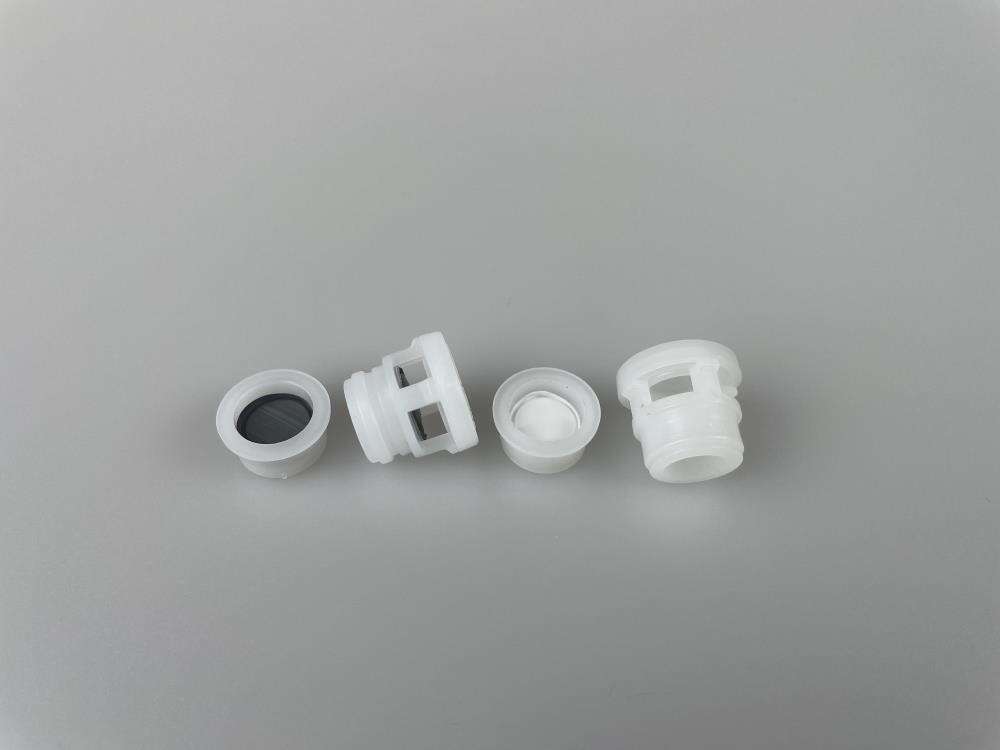
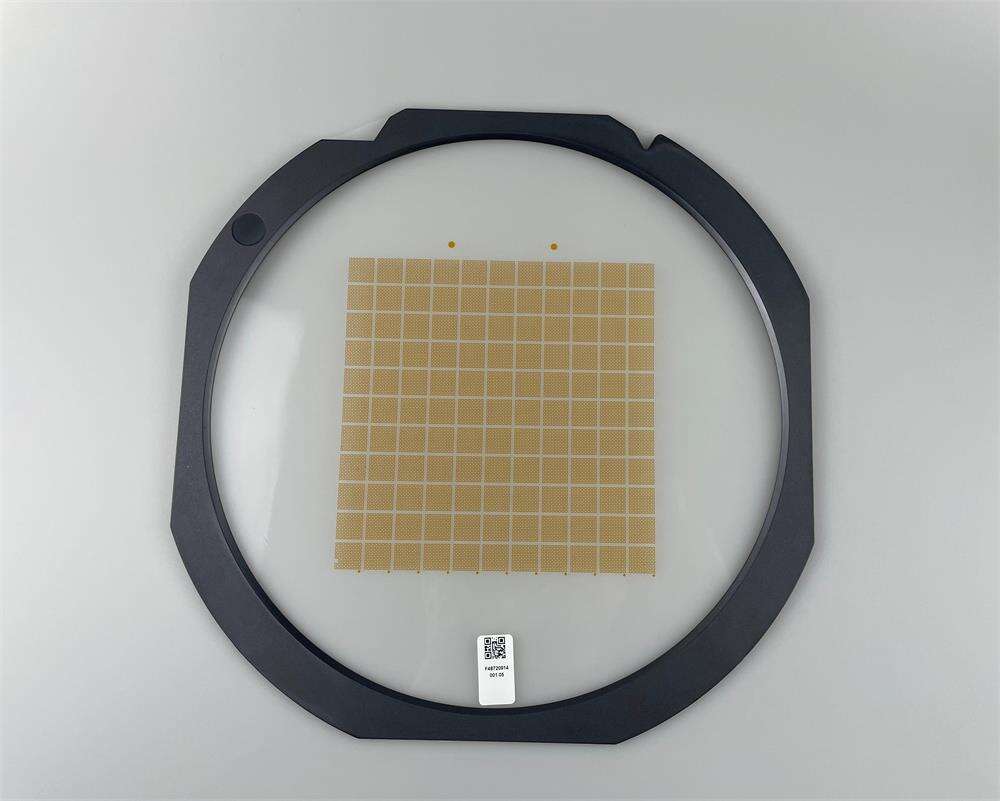
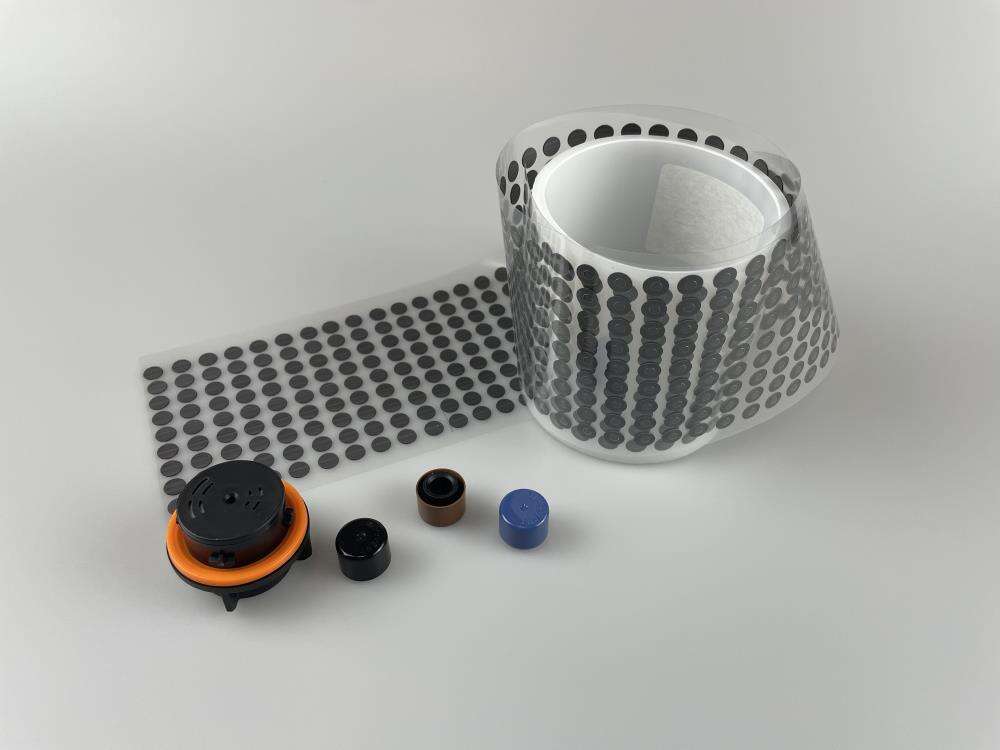
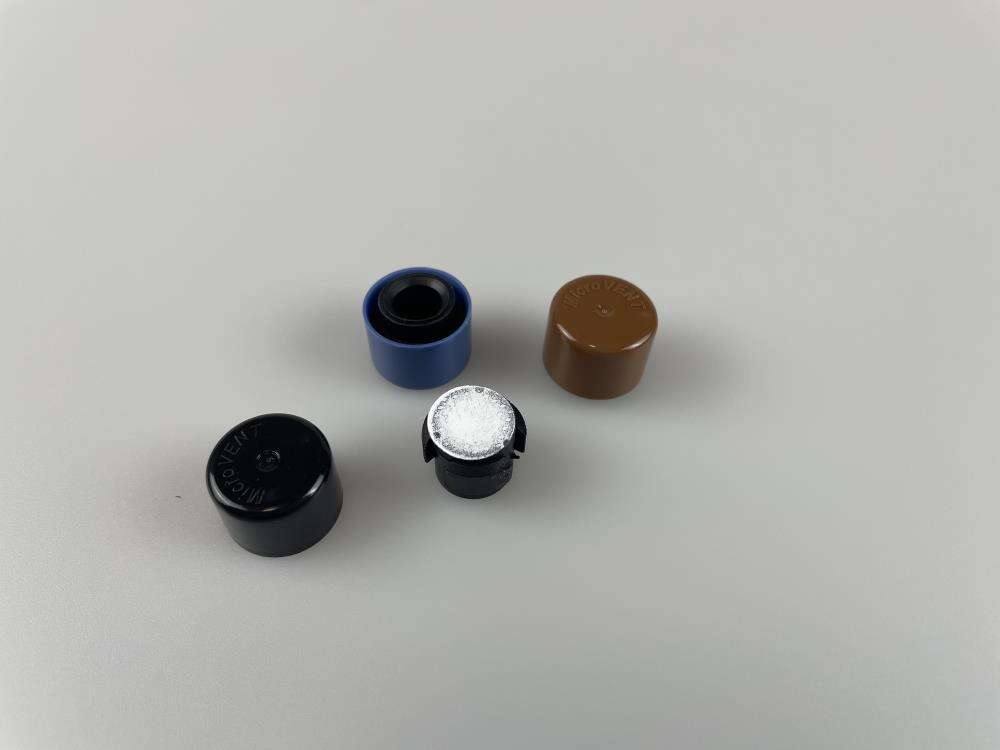
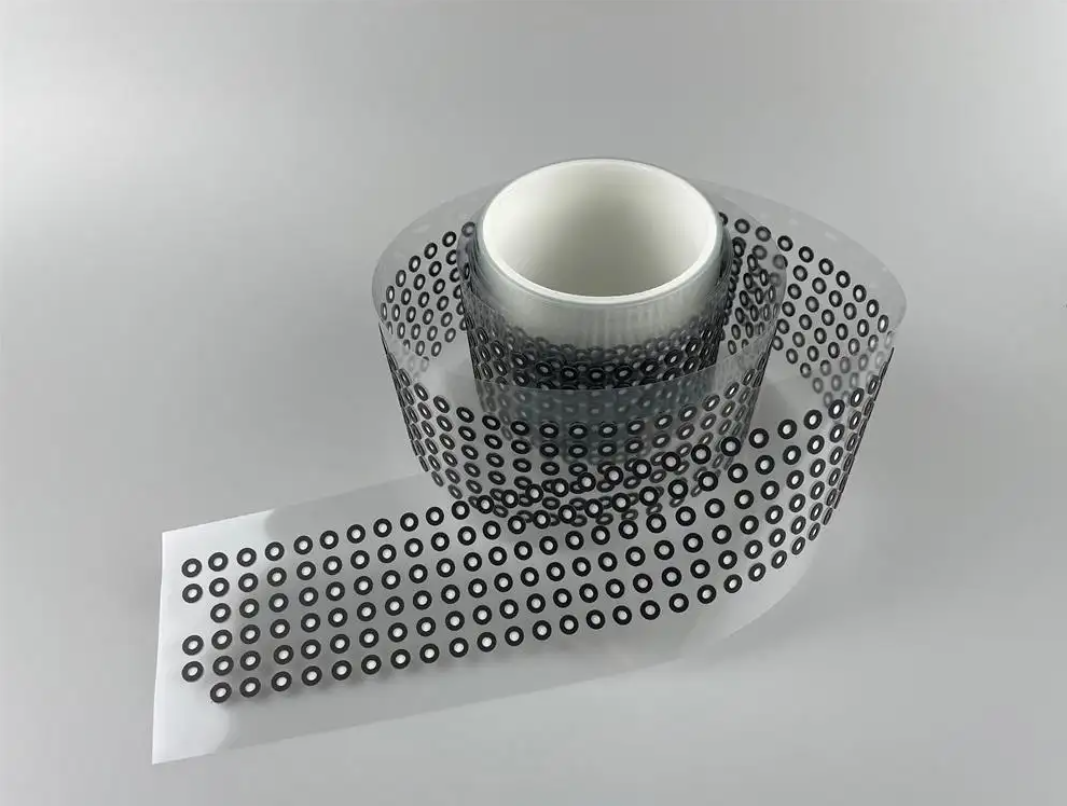
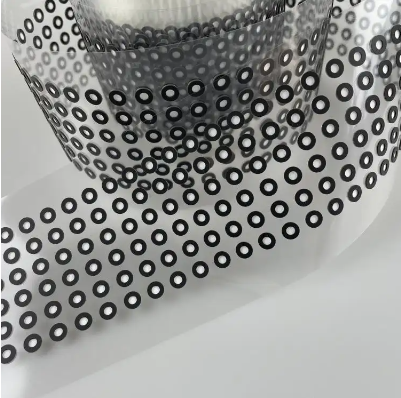
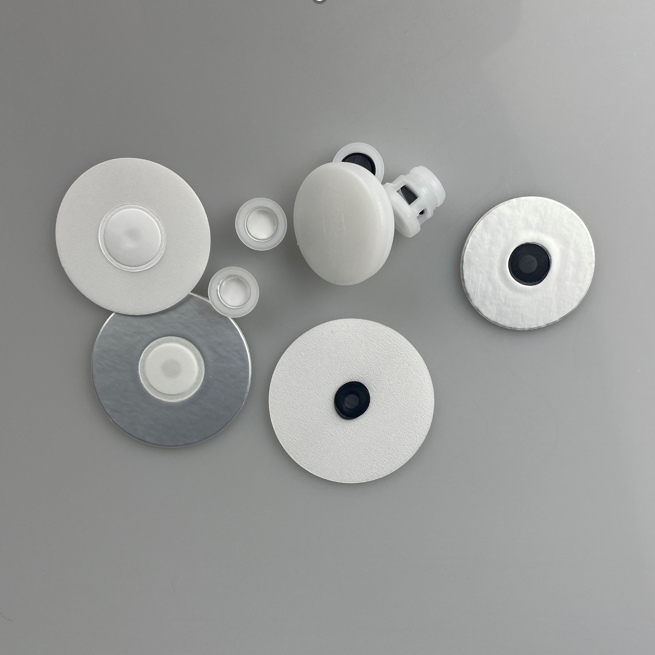
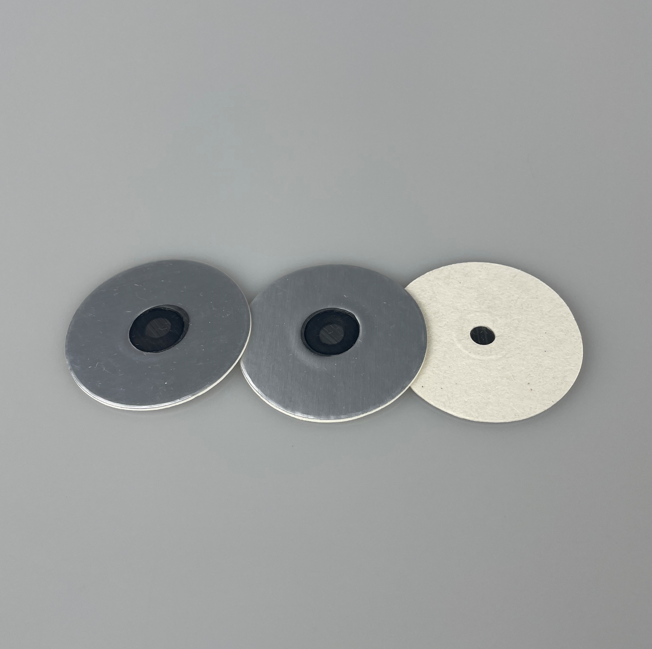
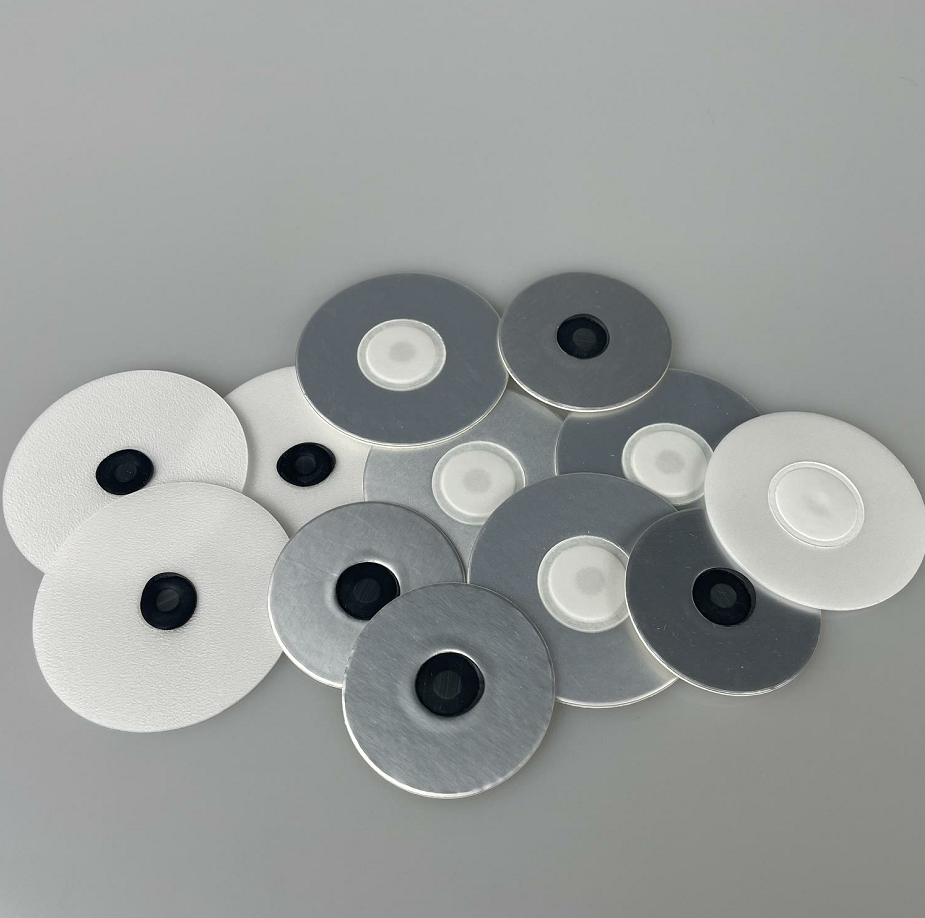
Breathable induction foil represents a revolutionary advancement in packaging technology, combining the tamper-evident security of traditional induction sealing with enhanced ventilation properties. This innovative material serves as a hermetic seal for containers while allowing controlled air exchange through its specialized microporous structure. The breathable induction foil operates through electromagnetic induction heating, creating a permanent bond with container rims when exposed to induction sealing equipment. Unlike conventional sealing methods, this technology maintains product integrity while preventing moisture buildup and gas accumulation that can compromise product quality. The foil consists of multiple layers, including a heat-activated adhesive layer, aluminum barrier film, and a unique breathable membrane that regulates airflow. Manufacturing processes involve precise lamination techniques that ensure consistent porosity levels across the entire surface area. The technological framework incorporates advanced polymer chemistry to create microscopic channels that permit air movement while blocking contaminants and moisture intrusion. Quality control measures during production guarantee uniform thickness distribution and optimal breathability rates. Primary applications span across pharmaceutical packaging, where medication stability requires controlled atmospheric conditions, food industry containers that need ventilation to prevent spoilage, and cosmetic products sensitive to pressure changes. The breathable induction foil finds extensive use in vitamin bottles, supplement containers, protein powder packaging, and specialty food items requiring extended shelf life. Agricultural applications include seed packaging and fertilizer containers where moisture control prevents clumping and degradation. Industrial applications encompass chemical storage containers, paint cans, and adhesive packaging where pressure relief prevents container deformation. Medical device packaging utilizes this technology for sterile instruments and diagnostic equipment. The versatility of breathable induction foil makes it suitable for both high-volume commercial production and specialized niche applications requiring precise atmospheric control within sealed containers.

Popular Products

The breathable induction foil delivers exceptional performance benefits that directly address common packaging challenges faced by manufacturers and consumers alike. This innovative sealing solution eliminates pressure buildup problems that frequently occur with traditional sealed containers, preventing package deformation and potential seal failure during temperature fluctuations or altitude changes during shipping. The controlled ventilation system maintains optimal internal atmosphere conditions, significantly extending product shelf life by preventing moisture accumulation that leads to spoilage, clumping, or chemical degradation. Cost savings emerge from reduced product returns and waste, as the breathable induction foil minimizes quality issues associated with trapped moisture and gas buildup. Manufacturing efficiency improves dramatically since the sealing process requires standard induction equipment without additional ventilation modifications or complex machinery investments. The tamper-evident properties provide consumers with confidence in product integrity while maintaining the convenience of easy removal when needed. Quality assurance becomes more reliable as the breathable induction foil prevents internal condensation that can compromise product testing and validation procedures. Environmental benefits include reduced packaging waste since products maintain quality longer, decreasing the need for protective desiccants or additional barrier materials. Supply chain advantages emerge from improved stability during transportation, as the breathable induction foil accommodates pressure changes without compromising seal integrity. Storage optimization occurs naturally as containers maintain their shape and stackability throughout distribution cycles. The versatility of breathable induction foil reduces inventory complexity by providing a single solution for multiple product categories that previously required different sealing approaches. Installation simplicity means existing production lines can integrate this technology without extensive retooling or operator retraining. Regulatory compliance becomes easier as the breathable induction foil meets food safety and pharmaceutical packaging standards while providing the documentation trail required for quality audits. Consumer satisfaction increases through improved product freshness and reduced package failures that create negative brand experiences. The economic impact extends beyond immediate cost savings to include enhanced brand reputation and customer loyalty through consistent product quality delivery.

Latest News

What Are the Different Types of MicroVENT®Acoustic Vents Available?

21

May

What Are the Different Types of MicroVENT®Acoustic Vents Available?

Understanding MicroVENT® Acoustic Vent Technology Core Principles of ePTFE Membrane Design The expanded Polytetrafluoroethylene (ePTFE) membrane is recognized for its remarkable porosity, making it an ideal material for acoustic vent application...
View More
What is MicroVent®️ ePTFE membrane, and what are its uses?

25

Jun

What is MicroVent®️ ePTFE membrane, and what are its uses?

Understanding MicroVent® ePTFE Membrane Technology Material Composition and Microporous Structure MicroVent® ePTFE membranes are renowned for their highly distinctive microporous structure, which plays a crucial role in their functionality. ...
View More
How does a MicroVENT® screw-in vent bolt compare to a traditional bolt?

18

Jul

How does a MicroVENT® screw-in vent bolt compare to a traditional bolt?

Comparing Smart Venting and Standard Fastening Solutions The Limitations of Traditional Bolts Traditional bolts have long served as essential mechanical fasteners in industrial applications. Designed primarily for structural stability, these bolts p...
View More
Are MicroVENT®️ Vent Screw Bolts Suitable for Outdoor and Harsh Environments?

28

Aug

Are MicroVENT®️ Vent Screw Bolts Suitable for Outdoor and Harsh Environments?

Understanding the Durability of Advanced Venting Solutions in Challenging Conditions Industrial equipment and enclosures face constant challenges from environmental factors, making proper venting solutions crucial for maintaining operational integrit...
View More

Get a Free Quote

Our representative will contact you soon.
Email
Name
Company Name
Message
0/1000

breathable induction foil

Advanced Pressure Regulation Technology

Advanced Pressure Regulation Technology

The breathable induction foil incorporates sophisticated pressure regulation technology that sets new industry standards for container sealing performance. This innovative system utilizes precisely engineered microporous channels that respond dynamically to internal pressure changes, automatically adjusting airflow rates to maintain optimal atmospheric conditions within sealed containers. The technology employs advanced polymer science principles to create a selective barrier that permits gas exchange while blocking moisture, dust, and contaminants from entering the container. Engineering specifications include controlled pore size distribution ranging from 0.1 to 5 microns, ensuring consistent ventilation rates across varying environmental conditions. The pressure regulation mechanism operates through differential pressure gradients, allowing excess internal pressure to escape while preventing external contamination from compromising product integrity. Temperature compensation features ensure reliable performance across storage temperature ranges from -20°C to 60°C, making the breathable induction foil suitable for diverse climate conditions and transportation scenarios. Laboratory testing demonstrates that this pressure regulation system reduces container deformation by up to 85% compared to traditional sealing methods, significantly improving package aesthetics and structural integrity throughout the supply chain. The technology prevents vacuum formation during cooling cycles, eliminating the common problem of imploded containers that compromise product presentation and consumer confidence. Manufacturing quality control processes ensure uniform pressure regulation performance across production batches, with statistical process control monitoring maintaining consistency levels within ±2% variation. Field testing across multiple industries confirms that the pressure regulation technology extends product shelf life by an average of 30% through improved atmospheric control. The economic benefits include reduced product returns, decreased packaging material costs, and improved customer satisfaction scores. Environmental advantages emerge from reduced waste generation and improved recyclability since containers maintain structural integrity throughout their lifecycle. This pressure regulation technology represents a paradigm shift in packaging science, offering manufacturers a competitive advantage through superior product protection and enhanced consumer experience.
Multi-Layer Barrier Protection System

Multi-Layer Barrier Protection System

The breathable induction foil features an advanced multi-layer barrier protection system that delivers comprehensive defense against environmental threats while maintaining essential breathability characteristics. This sophisticated layered architecture combines specialized materials engineered for specific protective functions, creating a synergistic effect that surpasses single-layer sealing solutions. The outermost layer provides mechanical protection against physical damage during handling and transportation, utilizing high-strength polymer films that resist punctures, tears, and abrasion. Beneath this protective shell, the aluminum barrier layer delivers exceptional protection against light, oxygen, and moisture vapor transmission, maintaining product stability for extended periods. The innovative breathable membrane layer incorporates proprietary technology that selectively permits air exchange while blocking harmful contaminants, utilizing molecular-level filtering principles to maintain optimal internal conditions. Heat-activated adhesive layers ensure permanent bonding with container surfaces, creating hermetic seals that withstand thermal cycling and mechanical stress testing protocols. Quality assurance testing validates each layer's performance through accelerated aging studies, salt spray resistance testing, and thermal shock evaluations. The barrier protection system maintains effectiveness across temperature ranges spanning -40°C to 80°C, accommodating extreme storage and transportation conditions. Moisture vapor transmission rates remain consistently low at less than 0.1 g/m²/24hr, protecting sensitive products from humidity-related degradation. Oxygen transmission protection exceeds industry standards with rates below 0.01 cc/m²/24hr, preserving product freshness and preventing oxidation reactions. The multi-layer construction provides redundant protection, ensuring continued barrier performance even if individual layers experience minor damage. Manufacturing processes employ precision coating techniques that guarantee uniform layer thickness and optimal adhesion between components. Cost-effectiveness emerges from the system's ability to replace multiple single-function packaging materials with one comprehensive solution. Environmental benefits include reduced material usage and improved recyclability through compatible polymer selection. This barrier protection system enables manufacturers to extend product shelf life, reduce waste, and enhance consumer satisfaction through superior product quality maintenance.
Universal Compatibility and Easy Integration

Universal Compatibility and Easy Integration

The breathable induction foil demonstrates exceptional universal compatibility and seamless integration capabilities that make it an ideal choice for manufacturers seeking to upgrade their packaging systems without extensive infrastructure modifications. This versatile sealing solution works effectively with existing induction sealing equipment across all major brands and models, eliminating the need for costly machinery replacements or complex retrofitting procedures. The standardized design specifications ensure compatibility with container neck sizes ranging from 15mm to 150mm diameter, accommodating the vast majority of commercial packaging applications. Integration flexibility extends to various container materials including glass, plastic, and composite materials, with optimized adhesive formulations that create reliable bonds regardless of substrate composition. The breathable induction foil operates efficiently across standard frequency ranges of 15kHz to 50kHz, matching the operational parameters of most industrial induction sealing systems. Temperature requirements align with conventional sealing processes, typically requiring 2-8 seconds of exposure at temperatures between 150°C to 200°C for optimal bond formation. Production line integration becomes straightforward as the breathable induction foil maintains consistent thickness tolerances of ±10 microns, ensuring reliable feeding through automated equipment without jamming or misalignment issues. Quality control procedures remain unchanged since the material responds predictably to standard testing protocols for seal strength, barrier properties, and visual inspection criteria. Operator training requirements are minimal as the sealing process follows familiar procedures, with only minor adjustments needed for optimal results. Inventory management simplifies through standardized roll formats and packaging configurations that integrate seamlessly with existing storage and handling systems. The compatibility extends to various industrial environments, from clean room pharmaceutical facilities to high-volume food processing operations, with performance specifications that meet diverse regulatory requirements. Cost analysis demonstrates that integration of breathable induction foil typically achieves return on investment within 6-12 months through reduced product losses and improved efficiency. Technical support services provide comprehensive guidance for optimization procedures, ensuring maximum performance benefits from day one of implementation. This universal compatibility approach enables manufacturers to modernize their packaging capabilities while maintaining operational continuity and minimizing disruption to established production workflows.

Get a Free Quote

Our representative will contact you soon.
Email
Name
Company Name
Message
0/1000