Start With the Pack
A breathable induction seal is not a stand-alone choice. A breathable induction seal is part of a pack. A breathable induction seal review starts with the bottle or jar. A breathable induction seal review also needs the cap and liner. A breathable induction seal plan needs the fill type. A breathable induction seal plan may include an induction seal step. Start with these basic facts. What is the pack made from? What is the neck size? What cap will it use? What is in the pack? A breathable induction seal request should include those facts. A breathable induction seal quote can then focus on the actual pack. A breathable induction seal discussion can cover the closure layout. A breathable induction seal decision should wait for pack review. A breathable induction seal review needs these facts first.
Then ask how the pack will be used. Will it see heat or cold? Will it go by air or over hills? Will it sit on its side? Will the fill make gas or change with heat? These are not test results. They are facts to check. They help set the scope for a breathable induction seal talk.
Map the Cap and Liner
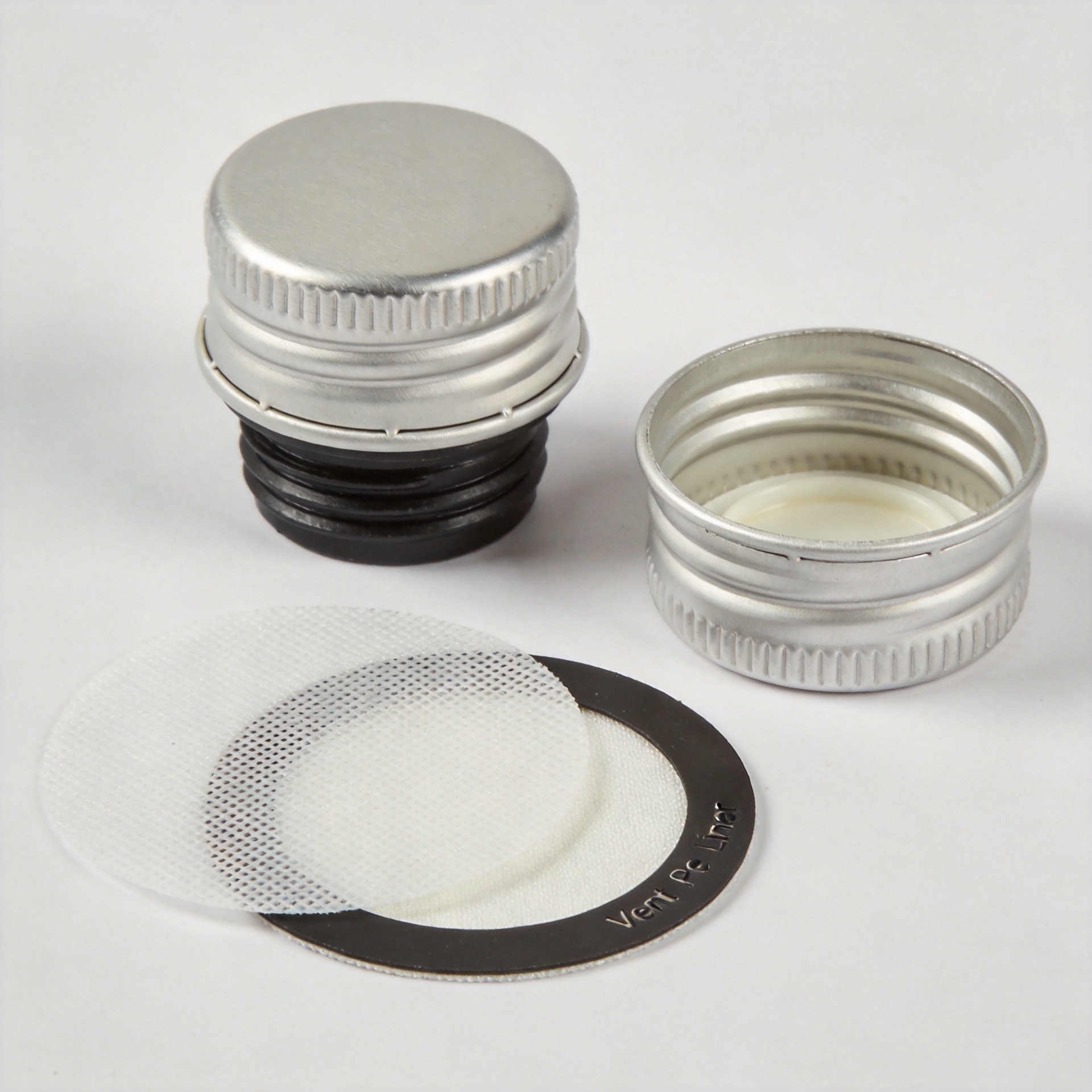
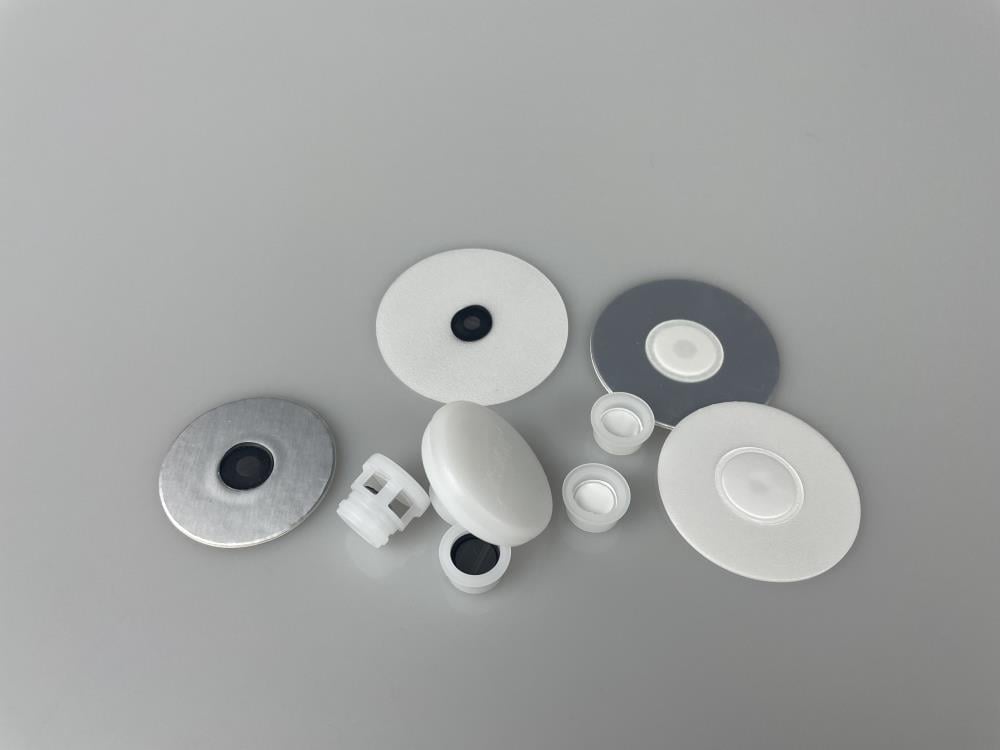
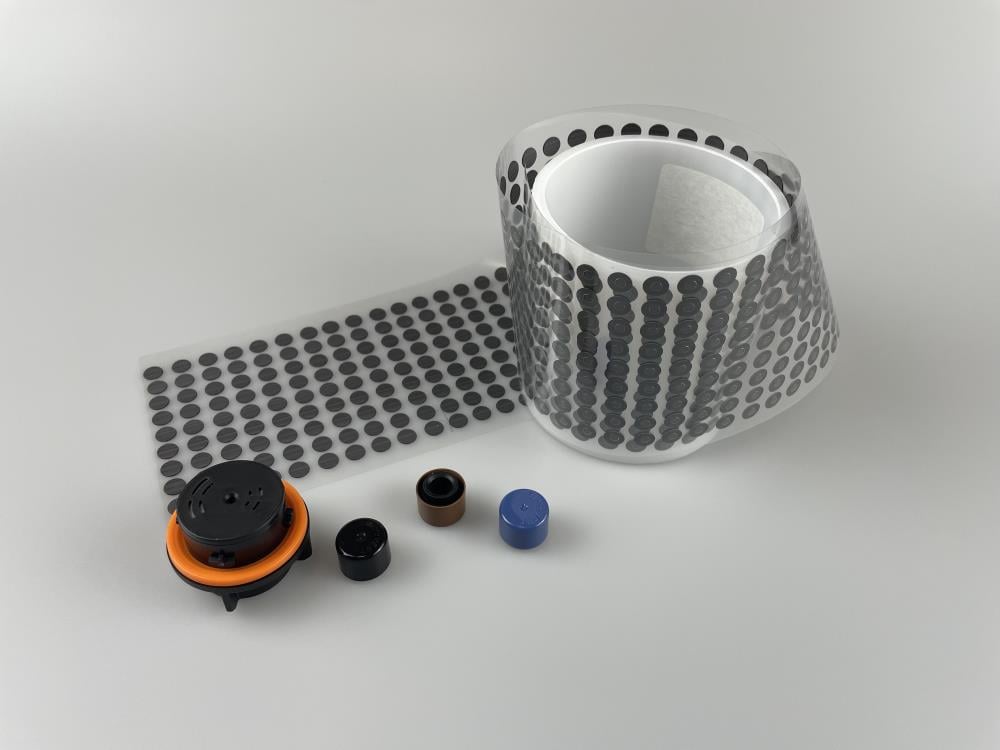
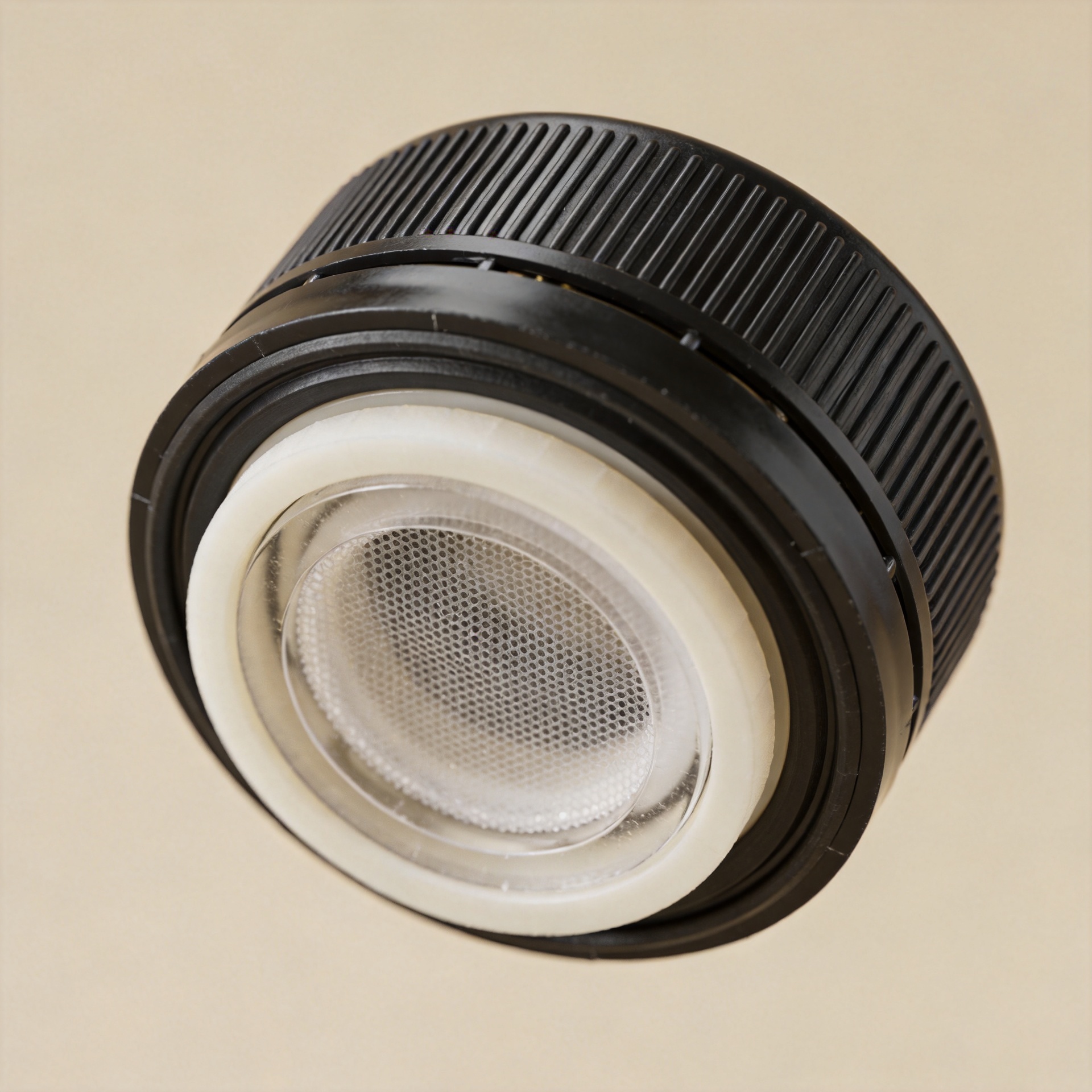
Next, map each part of the closure. Show where the breathable induction seal would sit. Show where the liner would sit. Note the cap shape. Note the neck finish. Note the seal face. A small fit change can change the plan. The site lists a vent membrane and a Vent PE liner. They are useful parts to review. They do not mean that one part will fit all packs.
- Share the bottle or jar drawing before a breathable induction seal is picked.
- Share the cap drawing and its inner shape.
- State if the pack uses an induction seal step.
- State where the liner or vent part would go.
- Keep the proposed breathable induction seal role clear.
A vent membrane, a liner, and a seal can have different jobs. Put each job in the plan. Say what is known. Say what needs a check. This avoids a broad claim. It also makes a breathable induction seal quote request more useful.
Check the Fill and Air Change
The fill is key. Give the name or type of medium. Say if it is a liquid, a chemical mix, or some other fill. Say if the fill may make gas. Say if heat may change it. A breathable induction seal may need a different review for each fill. Do not use one fill case as proof for all fills.
The merchant profile describes porous ePTFE. It also notes hydrophobic and oleophobic traits. Those are material facts in the profile. They are not proof of use with one medium. A breathable induction seal plan should check the medium and the air or pressure change first. It should then ask what product data, drawing, or test plan is needed.
Plan the Seal Step
Share the seal process early. Say what induction tool or step is used. Share the line facts that are on hand. Give the cap and pack data to the people who need to check fit. A breathable induction seal review is more clear when all parties see the same pack plan.
- Send the neck, cap, and liner sizes that are known.
- Send the induction seal process facts that are known.
- Send the fill type and the use path.
- Ask what product data is needed for the breathable induction seal review.
- Ask who will check fit in the full closure.
The profile notes composite, laminated, and surface-change work. These can be topics for a technical talk. The final breathable induction seal plan must still fit the real pack. It must use the facts for that pack. It must not rely on a broad material claim.
Use a Short Check List
Keep the first review simple. Name the pack. Name the cap. Name the fill. Name the seal step. Name the heat, height, or use change. Then ask what must be checked. This path helps buyers review a breathable induction seal in a clear way. It also helps them compare a vent membrane and a Vent PE liner at the right level.
For a breathable induction seal request, send the pack, cap, medium, and air-change facts in one note. This gives the supplier a sound base for the next talk on fit, data, and project steps.
 EN
 AR
 CS
 FR
 DE
 IT
 JA
 KO
 PT
 RU
 ES
 ID
 VI
 TH
 TR
 MS