Start With the Bottle and Cap
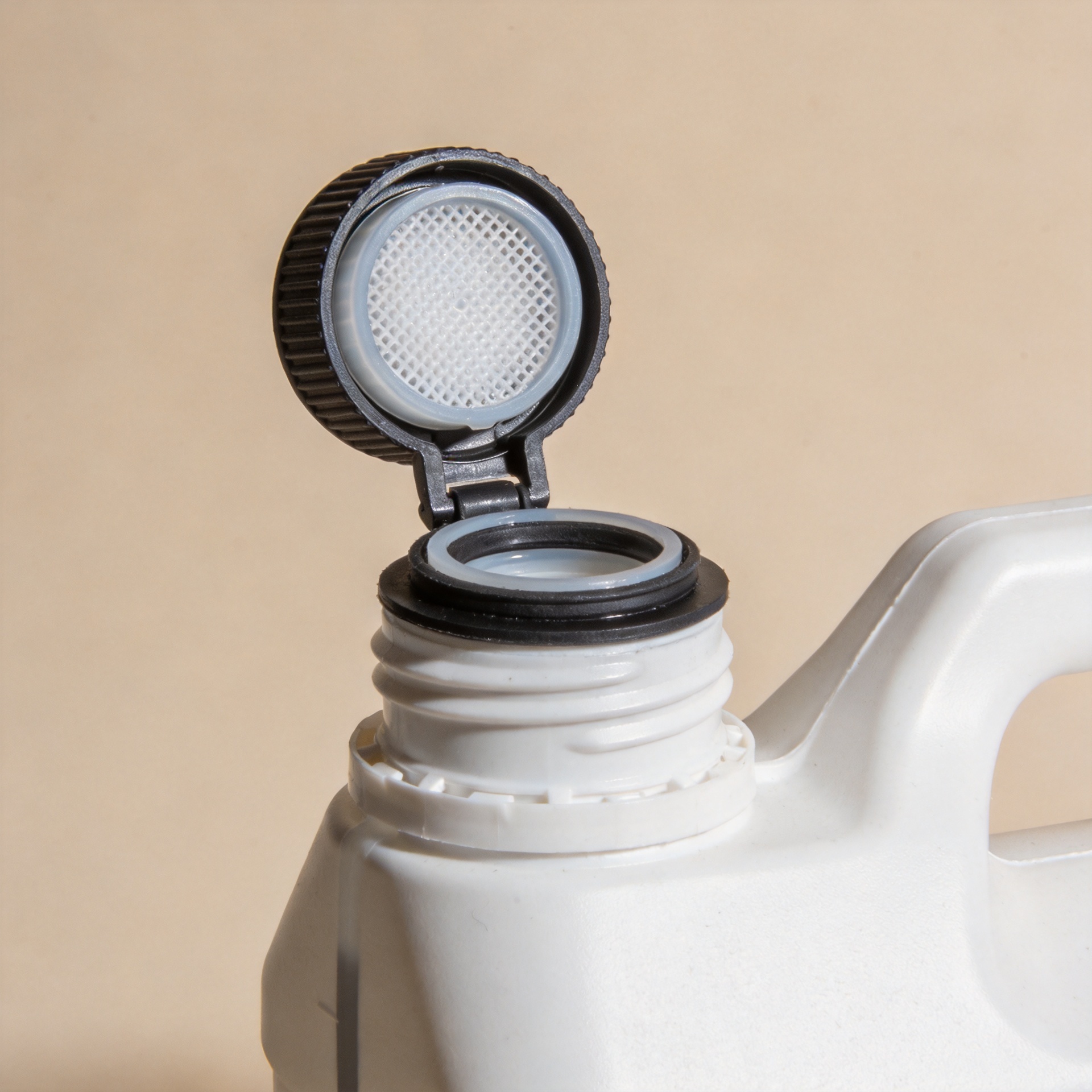
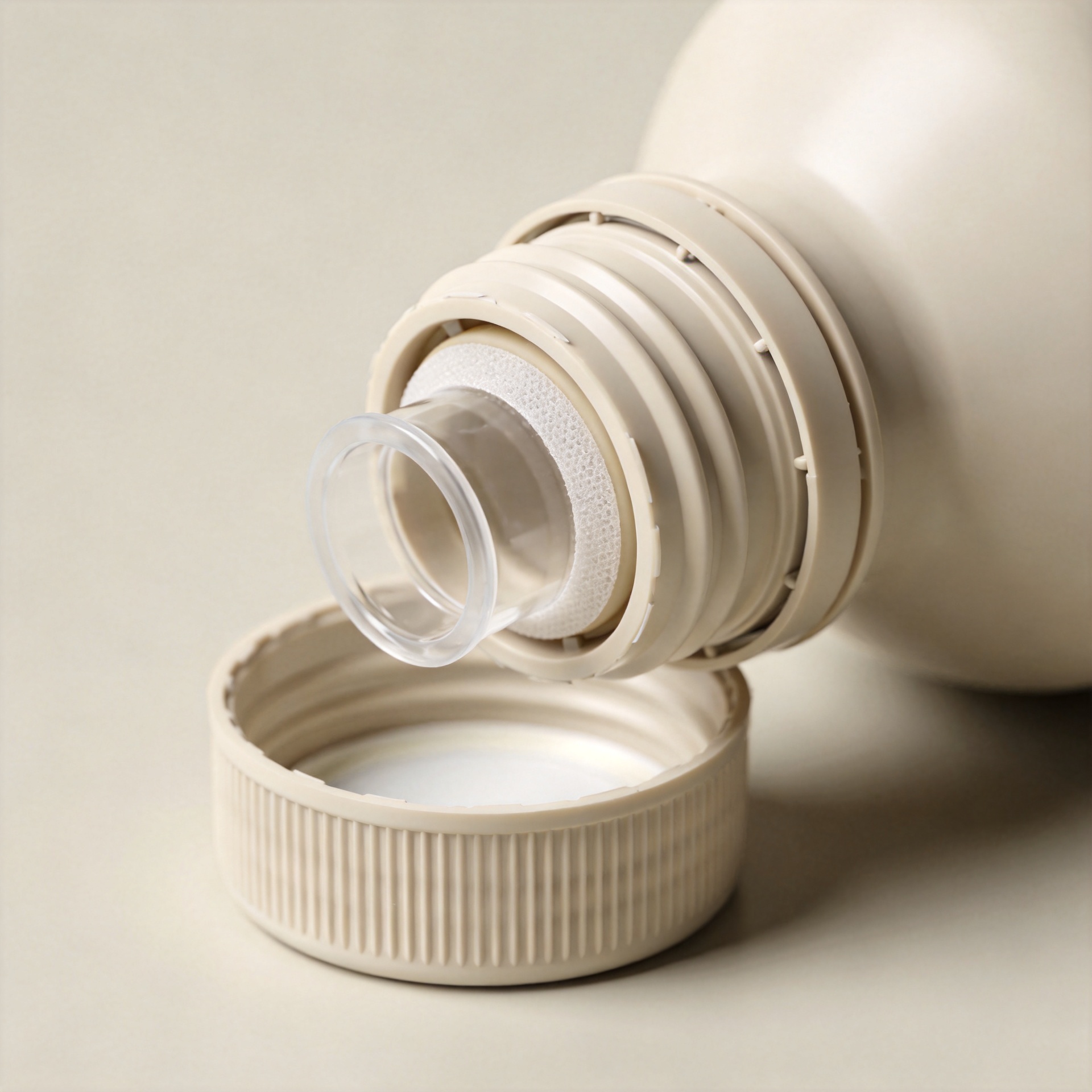
An air permeable bottle cap is often considered when a filled bottle may see a pressure difference. This can happen during filling, storage, or transport. It can also happen when temperature or altitude changes. Start with the bottle material, bottle shape, fill volume, and cap style. Then describe how the air permeable bottle cap would fit with the liner or other closure part.
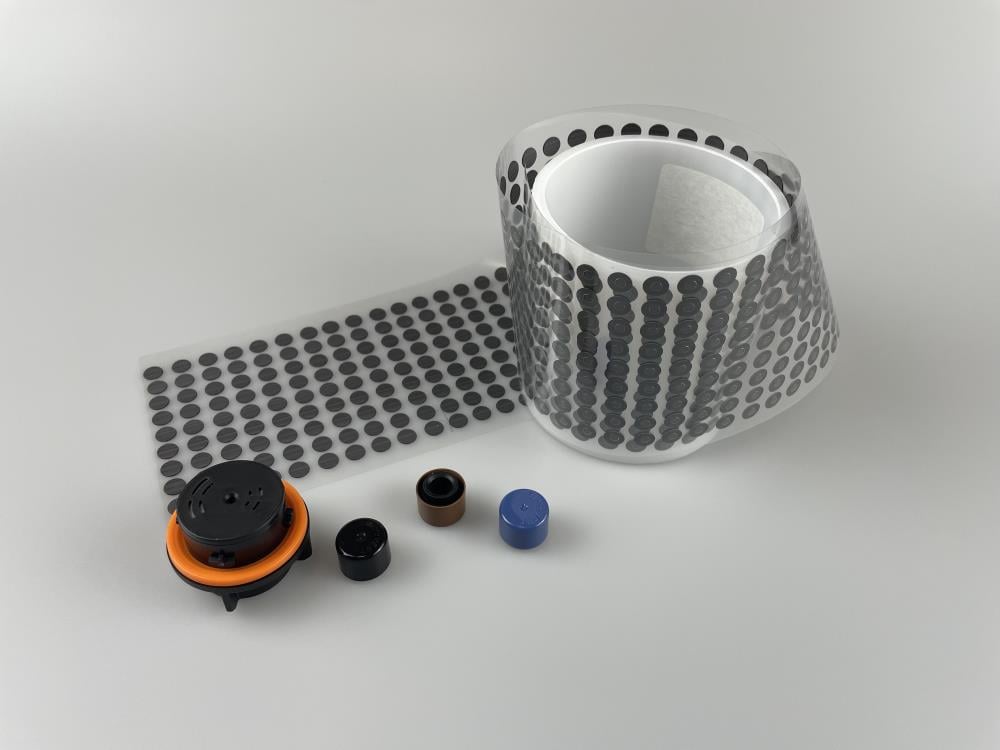
Do not select an air permeable bottle cap from a short material label alone. The prepared product context shows an ePTFE vent membrane and a Vent PE liner. These are documented product directions. They are not a promise that one air permeable bottle cap fits every package.
Describe the Filled Medium
The filled medium changes the questions for an air permeable bottle cap. State the medium category and any handling details that matter. Say when pressure change may occur. It may occur during filling, after sealing, in storage, or on a shipping route. A slow pressure change and a fast pressure change may need different review steps.
- Describe the medium and share any available closure material information.
- Note the storage temperature range and possible altitude changes.
- State the pressure concern for the air permeable bottle cap in clear, simple terms.
- Provide the bottle volume, headspace, cap shape, and liner location.
These details make an air permeable bottle cap request more useful. They also help the team ask the right follow-up questions. Check the medium and pressure condition before treating a general venting statement as the key decision.
Review the Integration Route
The host part matters. An air permeable bottle cap may use a cap, a liner, or another packaging construction. The selected products are listed because the current website documents a vent membrane and a Vent PE liner. The list does not say that the products are the same. It does not say that one air permeable bottle cap design is already approved for a given bottle.
Share a closure drawing or sample when you can. Show where the functional layer sits. Show how the part is held in place. Explain which side faces the package interior. These points help review the air permeable bottle cap as a complete assembly. If an induction-seal concept is also part of the project, state how it works with the closure. That part may need its own review.
List What Needs Verification
A good air permeable bottle cap inquiry asks clear questions. It does not assume a result that has not been shown. Ask which drawings, material records, and application notes are available. If a standard or test method is important, first check that it fits the actual package. A general product note is not proof of a certification, a universal barrier level, or a completed test.
- Request the bottle and cap drawing, with key placement dimensions.
- Share the medium description and the storage or shipping conditions.
- State the pressure-change concern for the air permeable bottle cap.
- List the documents or checks needed for the intended use.
From a packaging design view, the path is simple. Define the condition. Compare the trade-off. State what to verify. This path supports a focused air permeable bottle cap discussion without a broad performance claim.
Prepare a Useful Inquiry
When you contact MicroVENT, include the bottle material, cap or liner build, filled medium, and pressure-change condition. Include drawings or samples if they are available. Ask about the air permeable bottle cap as part of the full closure system. This gives the review team a clear air permeable bottle cap use case. The profile documents ePTFE membrane, vent bottle PE liner, and packaging venting directions. It also describes composite and laminated material approaches. These facts can guide an air permeable bottle cap conversation. The actual application still needs review before selection.
 EN
 AR
 CS
 FR
 DE
 IT
 JA
 KO
 PT
 RU
 ES
 ID
 VI
 TH
 TR
 MS