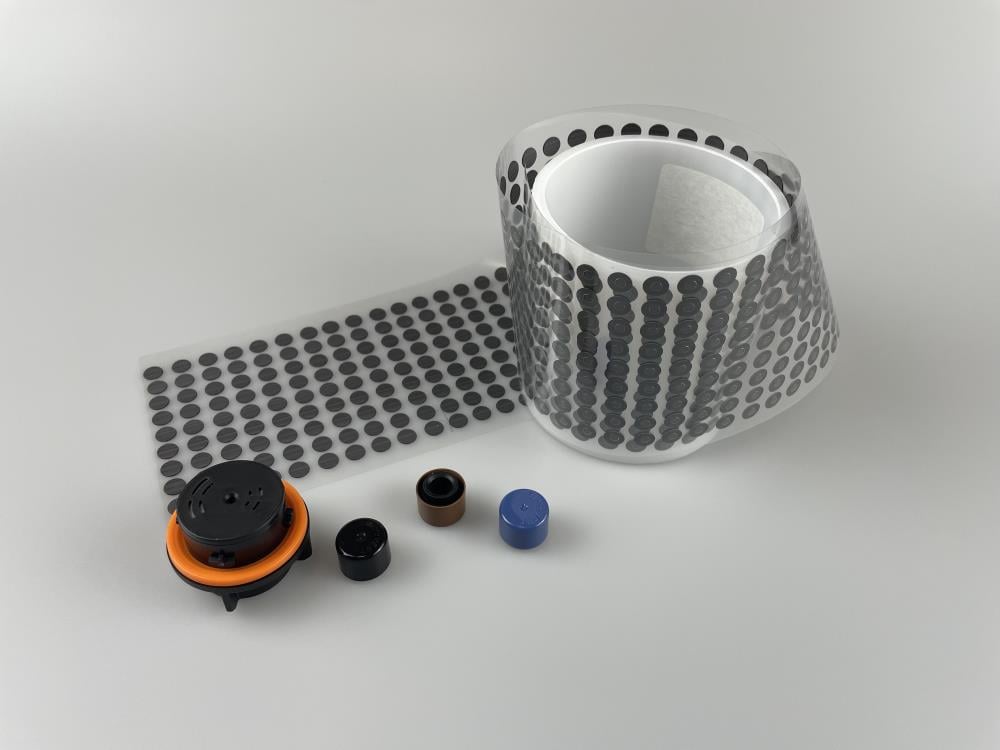
Define the Gore Seal Request
A gore seal search can mean different things to different buyers. One buyer may mean a cap liner. Another may mean a venting part. A third may mean an induction-seal idea. The phrase does not define a part number or a material. It also does not show a link to any brand. Treat gore seal as a search term. Then turn the search into a clear packaging request.
Start with the pack. List the container material, neck size, cap type, fill level, and headspace. State what is inside the pack. Note where the pack will be filled, stored, and moved. These simple facts help a supplier understand a gore seal inquiry. They also help the buyer avoid selecting a part too soon.
Check the Closure and Liner Interface
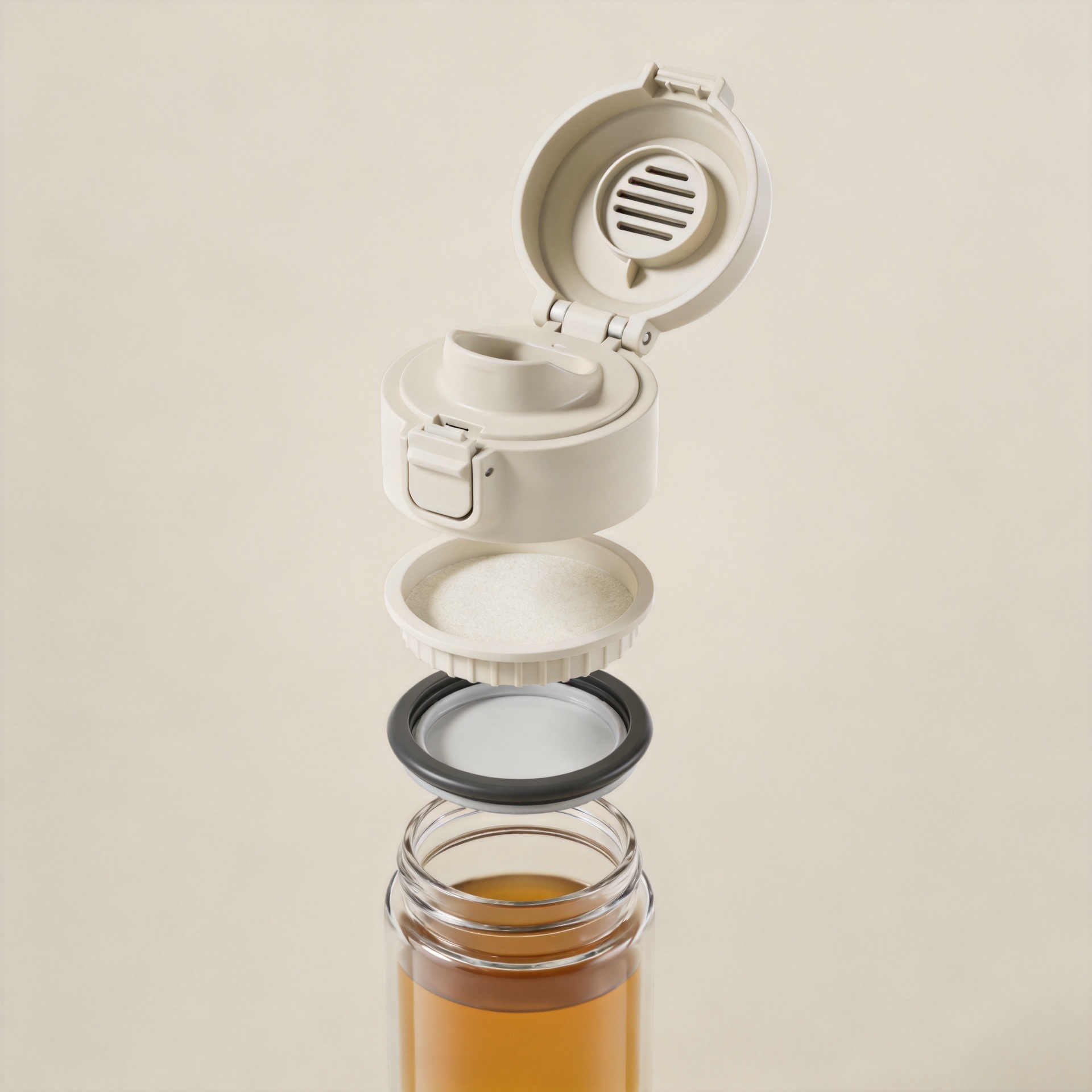
A gore seal concept must work with the closure that holds it. Check where the venting part sits. Check how it is held in place. Check which surfaces meet at the seal. A drawing can show the basic form. The real cap and container still need review. Small changes in shape or assembly can change the questions that need answers.
- State if the gore seal request is for a cap insert, a PE liner, an induction seal, or another closure part.
- Send the cap and neck sizes with the gore seal inquiry.
- Explain when the part is added in the packing process.
- Share drawings, photos, or samples when they are available.
The catalog has a vent membrane and a Vent PE liner. These two records can support a gore seal discussion. They do not show that either product fits all packs. Use the pack details to decide which product direction should be reviewed next.
Describe the Pressure Condition
Pressure change is often a key part of a gore seal review. Do not begin with a broad claim about a material. Explain when the pack may see pressure change. It may happen during filling, storage, or transport. Heat, cold, height changes, and the filled medium can all be part of the review.
For a gore seal request, check the medium and pressure condition first. Do this before using a general barrier statement as the main reason to choose a part. The same rule applies to a vented cap or liner. The pack and its use decide what must be checked. If a sealing process is part of the request, describe that process. Do not assume that one gore seal structure fits every machine or closure type.
Collect Useful Review Documents
A good gore seal inquiry has more than a short product name. Include a container drawing and a cap drawing if you have them. Add the filled-medium description, storage plan, and transport plan. If you use a liner now, describe its build. Photos and samples can also help. This gives the supplier a clear basis for a gore seal review. It also keeps the gore seal discussion tied to the real package.
Keep confirmed facts separate from open questions. The prepared data confirms packaging venting and ePTFE-related product directions. It does not give a test result for each gore seal use. It does not give a universal fit claim. It does not define every package condition. This boundary is useful. It keeps the review based on the real package and the records that are available.
Move to a Clear Next Step
End the gore seal request with a short summary. State the container, closure, medium, and pressure concern. State which documents you can share. Then ask for product information, a sample discussion, or a technical review. This makes a gore seal search easier to act on. It also avoids claims of affiliation, equivalence, or a sure result. The next choice should match the real pack and the evidence for its intended use.
 EN
 AR
 CS
 FR
 DE
 IT
 JA
 KO
 PT
 RU
 ES
 ID
 VI
 TH
 TR
 MS