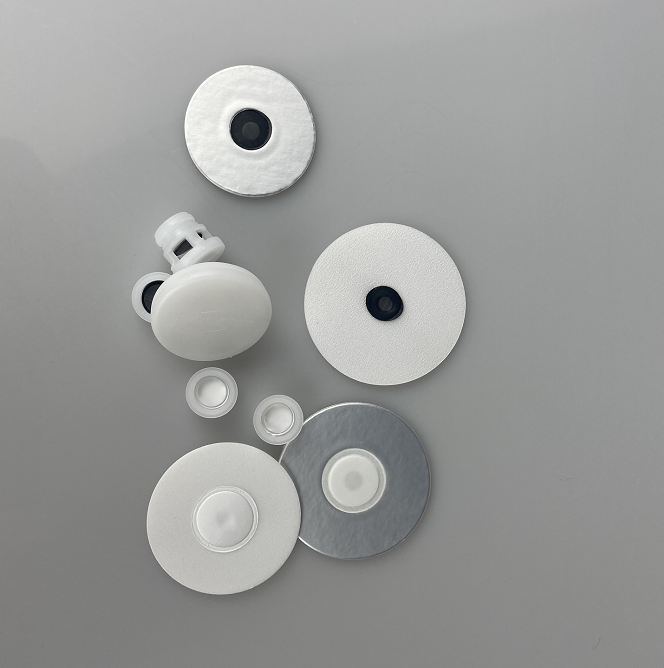
Microvent Induction Seal Technology - Advanced Packaging Solutions with Controlled Gas Permeability

All Categories

Get a Free Quote

Our representative will contact you soon.
Email
Name
Company Name
Message
0/1000

microvent induction seal

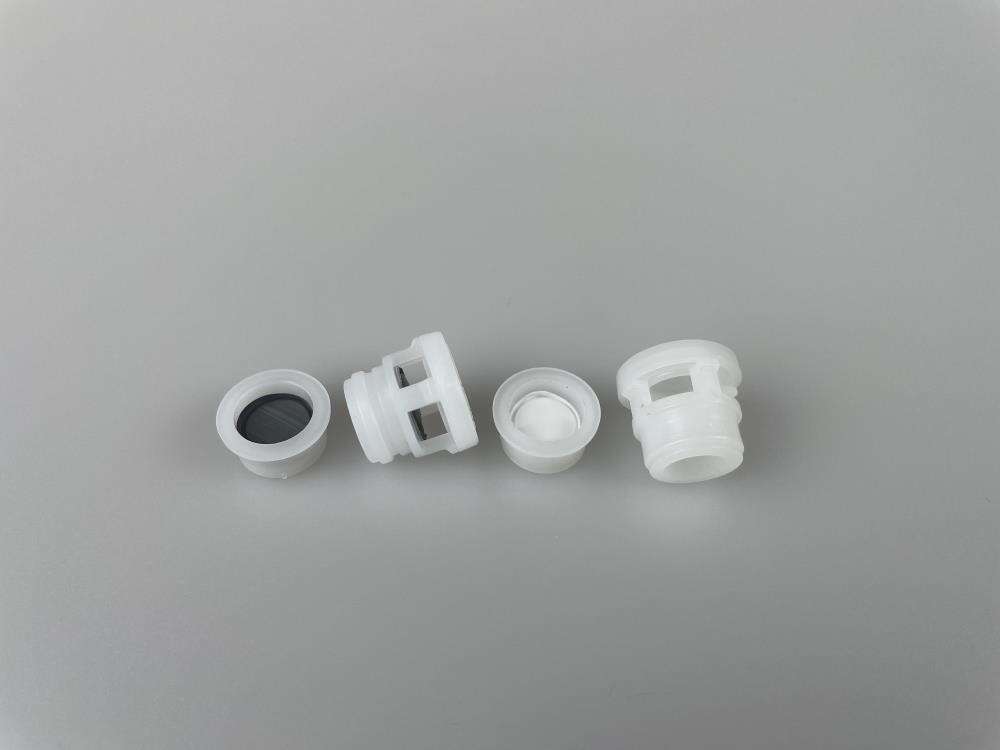
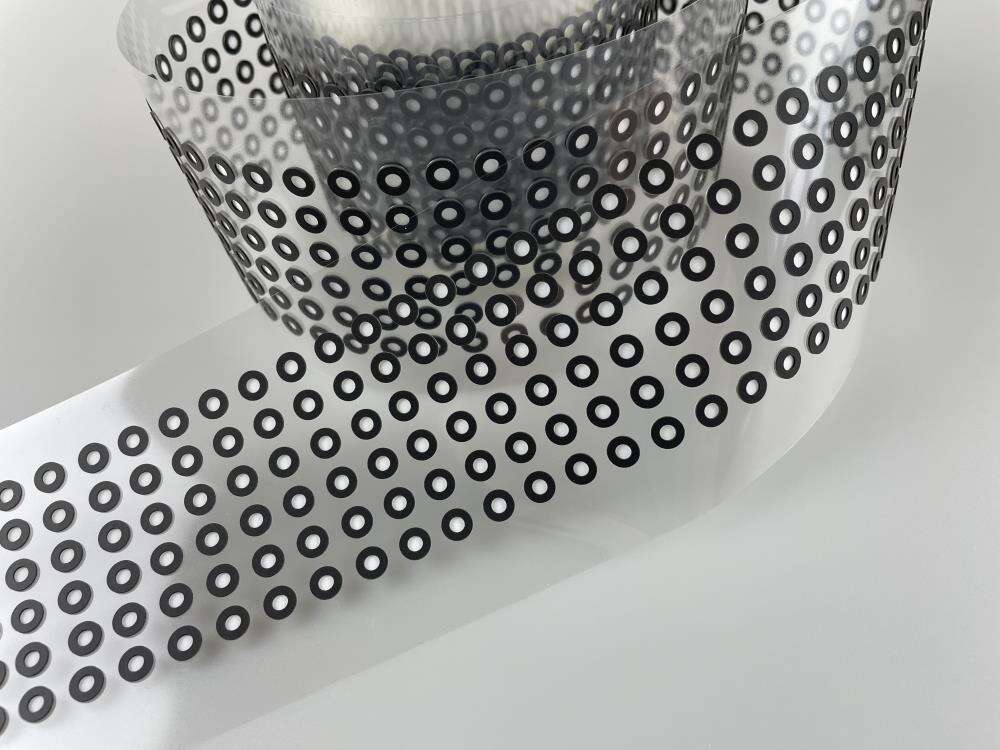
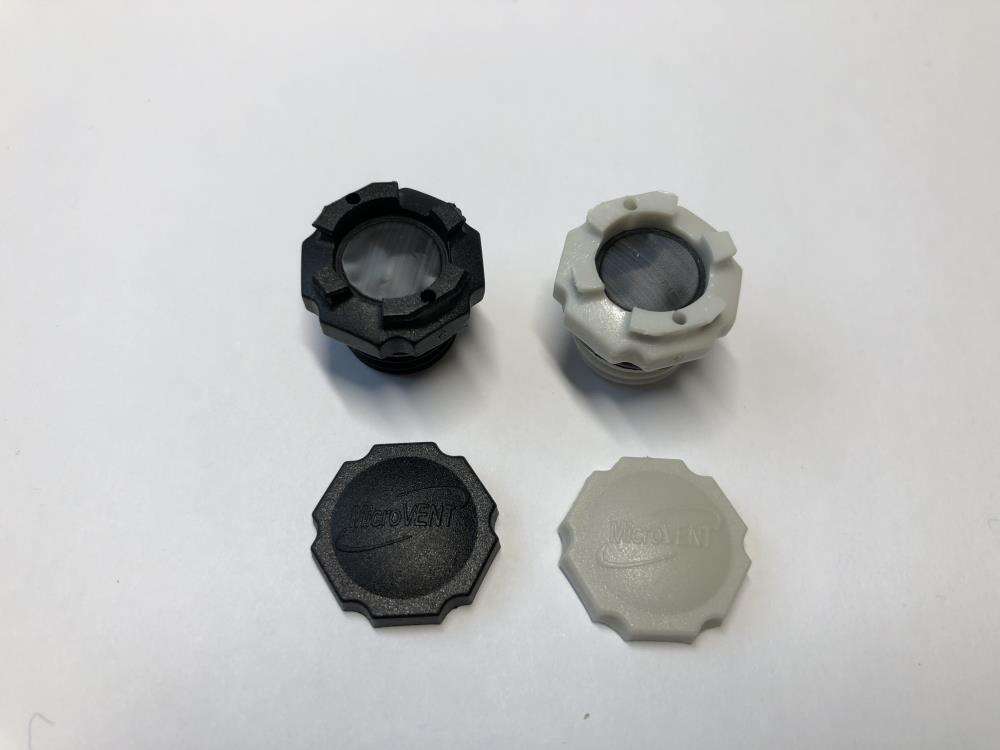
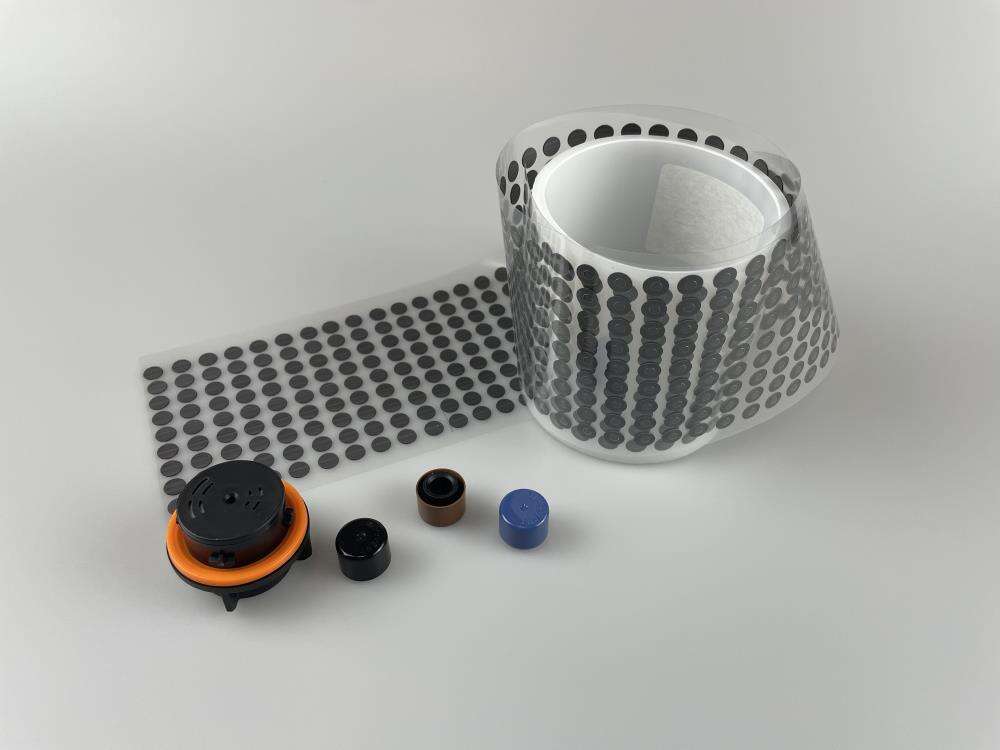
The microvent induction seal represents a revolutionary advancement in packaging technology, combining the reliability of traditional heat induction sealing with innovative microporous venting capabilities. This sophisticated sealing solution addresses the critical challenge of maintaining product freshness while allowing controlled gas exchange in sealed containers. The microvent induction seal operates through electromagnetic induction heating, where an aluminum foil liner is bonded to the container opening using precisely controlled thermal energy. What distinguishes this technology from conventional sealing methods is the integration of microscopic perforations or breathable membrane materials that enable selective permeability. These microperforations are engineered at the molecular level to permit the passage of specific gases while maintaining an effective barrier against contaminants, moisture, and larger particles. The seal creates a tamper-evident closure that provides visual confirmation of package integrity while offering the functional benefits of controlled ventilation. Manufacturing processes for microvent induction seals involve advanced laser perforation techniques or specialized membrane lamination, ensuring consistent pore size distribution and optimal gas transmission rates. The technology incorporates multi-layer construction, typically featuring an aluminum foil base layer for electromagnetic compatibility, adhesive layers for secure bonding, and specialized microporous top layers for venting functionality. Quality control measures include rigorous testing of gas permeability rates, seal strength evaluation, and long-term stability assessments under various environmental conditions. Applications span numerous industries where product preservation and controlled atmosphere packaging are essential requirements. The microvent induction seal technology continues to evolve with innovations in material science, offering enhanced performance characteristics and expanded application possibilities for manufacturers seeking optimal packaging solutions that balance protection with controlled environmental exchange.

New Product Recommendations

The microvent induction seal delivers exceptional benefits that transform packaging performance across multiple industries and applications. First, this innovative sealing technology significantly extends product shelf life by creating an optimal internal atmosphere while preventing external contamination. The controlled gas exchange mechanism allows products to breathe naturally without compromising their protective barrier, resulting in fresher products that maintain quality for extended periods. Manufacturers experience substantial cost savings through reduced product spoilage and returns, as the microvent induction seal prevents common issues like anaerobic degradation and pressure buildup that can damage both products and packaging. The tamper-evident features provide consumers with clear visual indicators of package integrity, building trust and confidence in brand reliability. Installation and application processes are remarkably straightforward, requiring minimal modifications to existing packaging lines and reducing implementation costs. The electromagnetic induction heating ensures consistent, repeatable sealing results that eliminate variations in seal quality often associated with traditional heat sealing methods. Temperature control precision during the sealing process prevents product damage from excessive heat exposure, particularly important for sensitive formulations and delicate materials. The microvent technology addresses regulatory compliance requirements in industries where controlled atmosphere packaging is mandated, helping manufacturers meet strict quality standards without additional processing steps. Environmental benefits include reduced packaging waste through improved product preservation and the elimination of additional preservation methods that might require extra packaging layers. Supply chain efficiency improves dramatically as products sealed with microvent induction seals demonstrate superior performance during transportation and storage, withstanding temperature fluctuations and handling stresses better than conventionally sealed packages. The versatility of microvent induction seal applications allows manufacturers to standardize their sealing processes across different product lines, simplifying inventory management and reducing training requirements. Consumer convenience increases through easy-open features that can be incorporated without compromising seal integrity, enhancing user experience while maintaining product protection throughout the distribution cycle.

Latest News

Why packaging Industries Benefit the Most from Using MicroVent®Packaging Valves?

21

May

Why packaging Industries Benefit the Most from Using MicroVent®Packaging Valves?

The Critical Role of Packaging Valves in Industrial Efficiency How Valve Technology Impacts Product Integrity Valve technology plays an essential role in maintaining product integrity, ensuring safety and quality during storage and transportation. A...
View More
How Do MicroVent Packaging Valves Help in prolonging Packaging lifetime?

21

May

How Do MicroVent Packaging Valves Help in prolonging Packaging lifetime?

Pressure Regulation in Packaging with MicroVent Valves Preventing Container Swelling and Bursting MicroVent valves are ingeniously designed to handle internal pressures within packaging, effectively reducing the risks associated with container defor...
View More
How durable is MicroVent®️ ePTFE membrane in extreme environments?

25

Jun

How durable is MicroVent®️ ePTFE membrane in extreme environments?

Chemical Resistance in Corrosive Environments Resistance to Acids, Bases, and Industrial Solvents The outstanding chemical resistance of ePTFE membranes make them ideal for use in even the most caustic environments. They are stable against&ensp...
View More
What Are the Benefits of Using MicroVENT® screw-in vent bolt for vehicle lamps and LED ?

18

Jul

What Are the Benefits of Using MicroVENT® screw-in vent bolt for vehicle lamps and LED ?

Enhancing Vehicle Lamp Durability with MicroVENT® Screw-in Vent Bolts Vehicle lamps and LED systems are vital components that ensure safety and visibility on the road so it is necessary to use high quality screw-in vent bolt. The longevity and p...
View More

Get a Free Quote

Our representative will contact you soon.
Email
Name
Company Name
Message
0/1000

microvent induction seal

Advanced Gas Permeability Control Technology

Advanced Gas Permeability Control Technology

The microvent induction seal incorporates cutting-edge gas permeability control technology that revolutionizes how products interact with their storage environment. This sophisticated system utilizes precisely engineered microporous structures that allow selective molecular passage while maintaining robust barrier properties against harmful external elements. The technology employs advanced membrane science principles, creating controlled pathways for specific gas molecules based on their size, polarity, and chemical properties. Oxygen transmission rates can be precisely calibrated to match specific product requirements, ensuring optimal preservation conditions for diverse applications ranging from pharmaceuticals to food products. The microperforation patterns are created using laser technology with tolerances measured in micrometers, guaranteeing consistent performance across large production volumes. Each microvent induction seal undergoes rigorous quality testing to verify gas transmission characteristics, ensuring that permeability rates remain within specified parameters throughout the product lifecycle. The membrane materials used in construction resist degradation from environmental factors such as humidity, temperature variations, and UV exposure, maintaining their selective permeability properties over extended storage periods. This advanced control system prevents the accumulation of gases that could cause package deformation, product degradation, or safety concerns while simultaneously blocking the ingress of moisture, contaminants, and microorganisms. The technology accommodates products that generate gases during storage, such as fresh produce that continues respiration processes or chemical formulations that may off-gas during curing. Research and development efforts continue to refine the gas permeability characteristics, with ongoing innovations in polymer science and nanotechnology contributing to even more precise control capabilities. Manufacturing processes incorporate real-time monitoring systems that verify permeability rates during production, ensuring consistent quality and performance standards. The result is a packaging solution that actively manages the internal atmosphere while providing superior protection compared to traditional sealing methods.
Electromagnetic Induction Heating Precision

Electromagnetic Induction Heating Precision

The electromagnetic induction heating system integrated into the microvent induction seal delivers unparalleled precision and consistency in sealing operations. This advanced heating technology utilizes high-frequency electromagnetic fields to generate heat directly within the aluminum foil component, ensuring uniform temperature distribution and optimal bonding strength. The induction heating process operates at frequencies typically ranging from 20 to 40 MHz, creating rapid and controlled heating that minimizes thermal stress on sensitive products while achieving superior seal integrity. Temperature monitoring systems provide real-time feedback during the sealing process, automatically adjusting power levels to maintain optimal heating profiles for different container materials and product types. The electromagnetic field penetration depth is precisely controlled to heat only the sealing interface, preventing excessive temperature exposure to the packaged contents and preserving product quality throughout the sealing operation. Power density distribution across the seal area ensures uniform heating patterns that eliminate weak spots or over-heated zones commonly associated with conventional heat sealing methods. The induction heating system responds instantaneously to control inputs, enabling rapid cycle times and high-throughput production capabilities that enhance manufacturing efficiency. Coil design innovations optimize electromagnetic field patterns, ensuring consistent heating across various container geometries and sizes without requiring extensive equipment modifications. The technology accommodates different aluminum foil thicknesses and compositions, automatically adjusting heating parameters to achieve optimal bonding for each specific material combination. Quality assurance protocols include continuous monitoring of heating cycles, with data logging capabilities that provide traceability and process validation for regulatory compliance requirements. The electromagnetic induction heating system operates with minimal energy consumption compared to traditional heating methods, contributing to reduced operational costs and environmental sustainability. Maintenance requirements are significantly reduced due to the non-contact nature of electromagnetic heating, eliminating wear components associated with mechanical heating elements and reducing downtime for equipment servicing. Safety features include automatic shutdown capabilities and electromagnetic field containment systems that protect operators while ensuring consistent performance.
Multi-Industry Application Versatility

Multi-Industry Application Versatility

The microvent induction seal demonstrates remarkable versatility across diverse industries, providing customized solutions that address specific packaging challenges while maintaining consistent performance standards. In the pharmaceutical industry, these seals ensure medication stability by controlling oxygen exposure while preventing contamination from external sources, crucial for maintaining drug efficacy and patient safety. Food and beverage applications benefit from the controlled atmosphere capabilities that extend shelf life naturally without requiring additional preservatives or modified atmosphere packaging equipment. The technology adapts seamlessly to cosmetic and personal care products, protecting formulations sensitive to oxidation while allowing controlled moisture management that prevents product degradation and maintains optimal texture and appearance. Agricultural and horticultural applications utilize the microvent induction seal to maintain optimal storage conditions for seeds, fertilizers, and plant nutrients, ensuring product viability and preventing decomposition during extended storage periods. Chemical industry applications leverage the selective permeability properties to manage off-gassing from reactive compounds while maintaining containment of hazardous materials in compliance with safety regulations. Electronics packaging benefits from controlled humidity management that prevents moisture-related damage while allowing pressure equalization during transportation and storage temperature changes. Laboratory and research applications utilize the precise gas control capabilities for sample preservation and reagent storage, maintaining analytical accuracy and extending usable life of expensive materials. Pet food and animal nutrition industries employ microvent induction seals to preserve nutritional value while preventing rancidity and maintaining palatability throughout extended distribution cycles. Industrial chemical applications include specialty coatings, adhesives, and sealants that require controlled curing environments while preventing premature polymerization or solvent loss. The automotive industry utilizes these seals for fluid containers and component packaging where controlled ventilation prevents pressure buildup while maintaining contamination barriers. Textile and fabric treatment applications benefit from controlled chemical diffusion rates that ensure uniform treatment while preventing over-concentration or premature activation of treatment compounds. Each industry application can be customized with specific permeability rates, seal strength requirements, and compatibility with existing packaging equipment, demonstrating the adaptability and comprehensive solutions provided by microvent induction seal technology.

Get a Free Quote

Our representative will contact you soon.
Email
Name
Company Name
Message
0/1000