Start With the Filled Package
A fertilizer cap liner should be chosen for the package, not for a broad product claim. First, list the bottle material, bottle shape, neck finish, cap type, and liner seat. Then list the fill level and headspace. These facts set the scope for a fertilizer cap liner review.
Next, describe the fertilizer medium in plain terms. State if it is liquid, water based, oil containing, or mixed with additives. State the fill temperature and expected storage conditions. A fertilizer cap liner may face a different question when the medium, cap, or bottle changes. Do not treat one package result as proof for every package.
Before you compare parts, write a short fertilizer cap liner brief. Add the container size, closure drawing, medium class, and use condition. This fertilizer cap liner brief helps each team review the same facts.
Review the Closure Parts
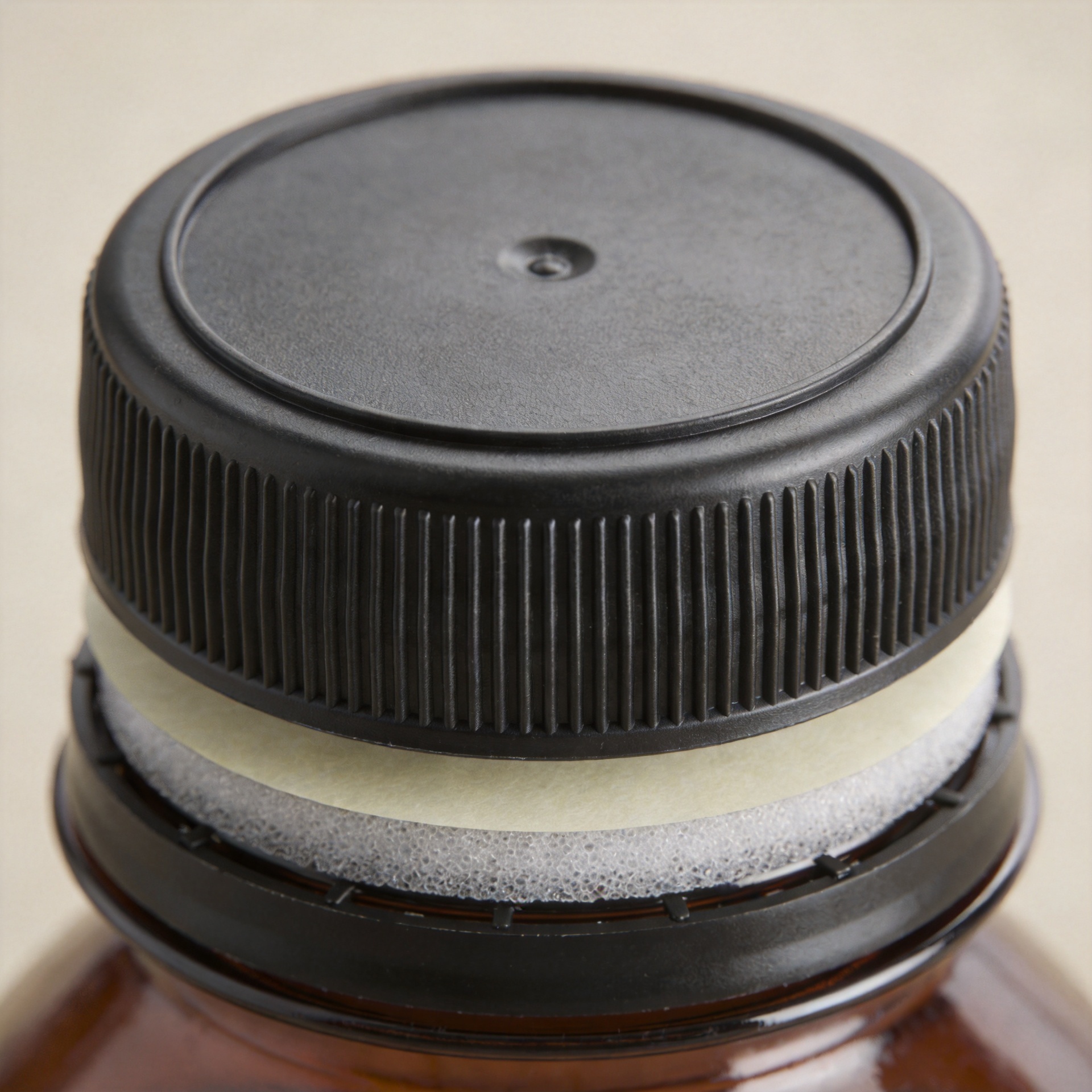
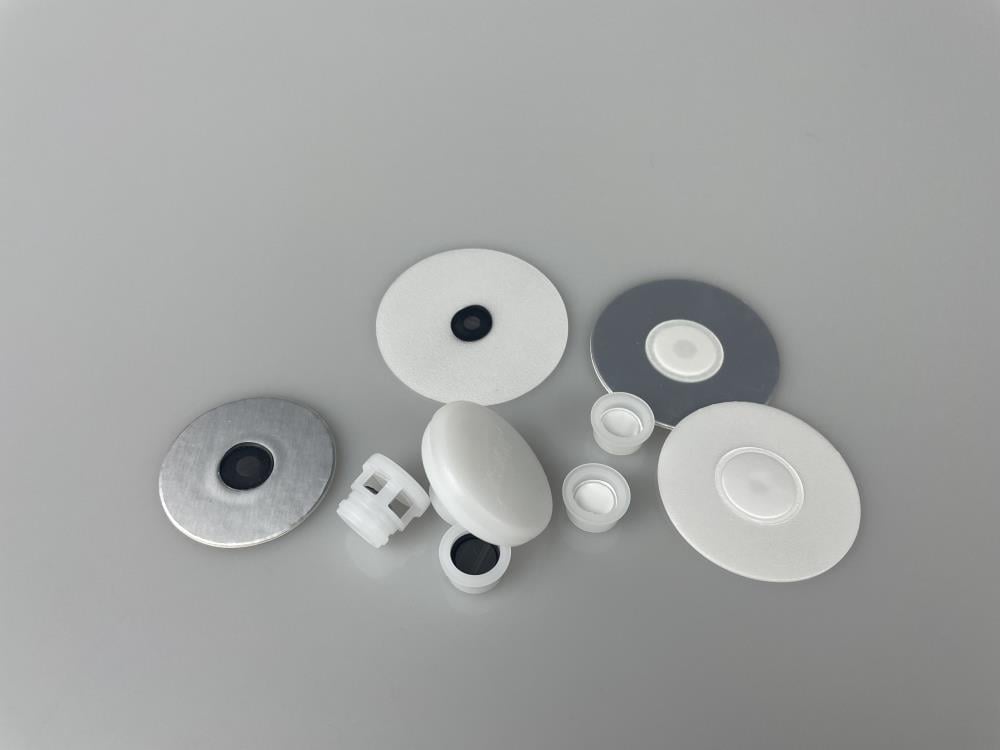
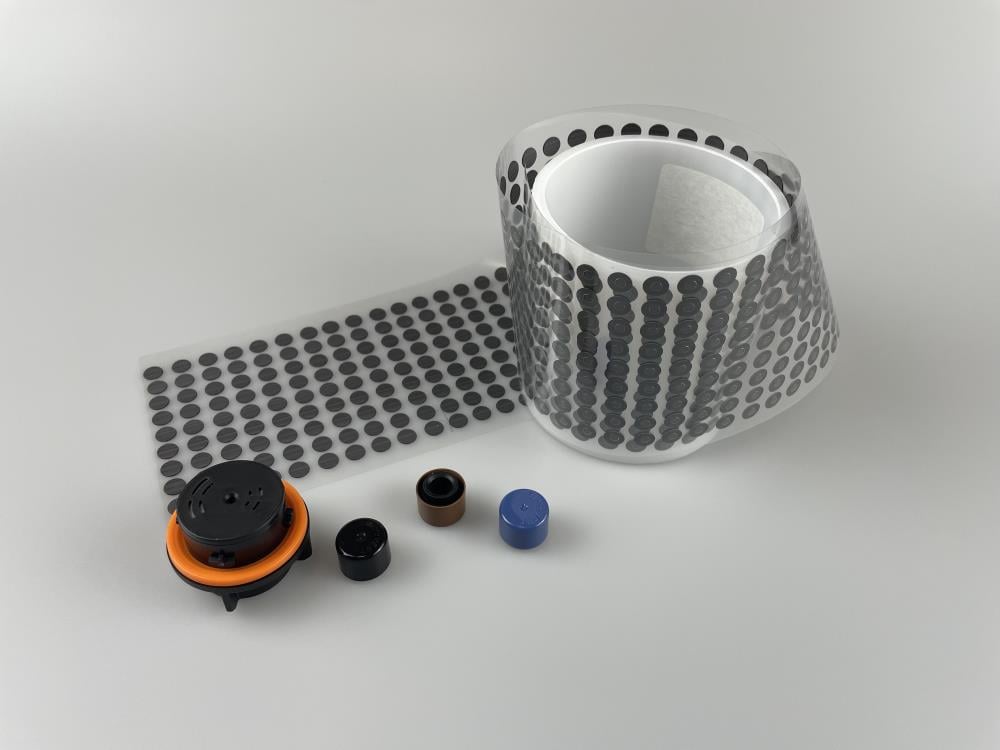
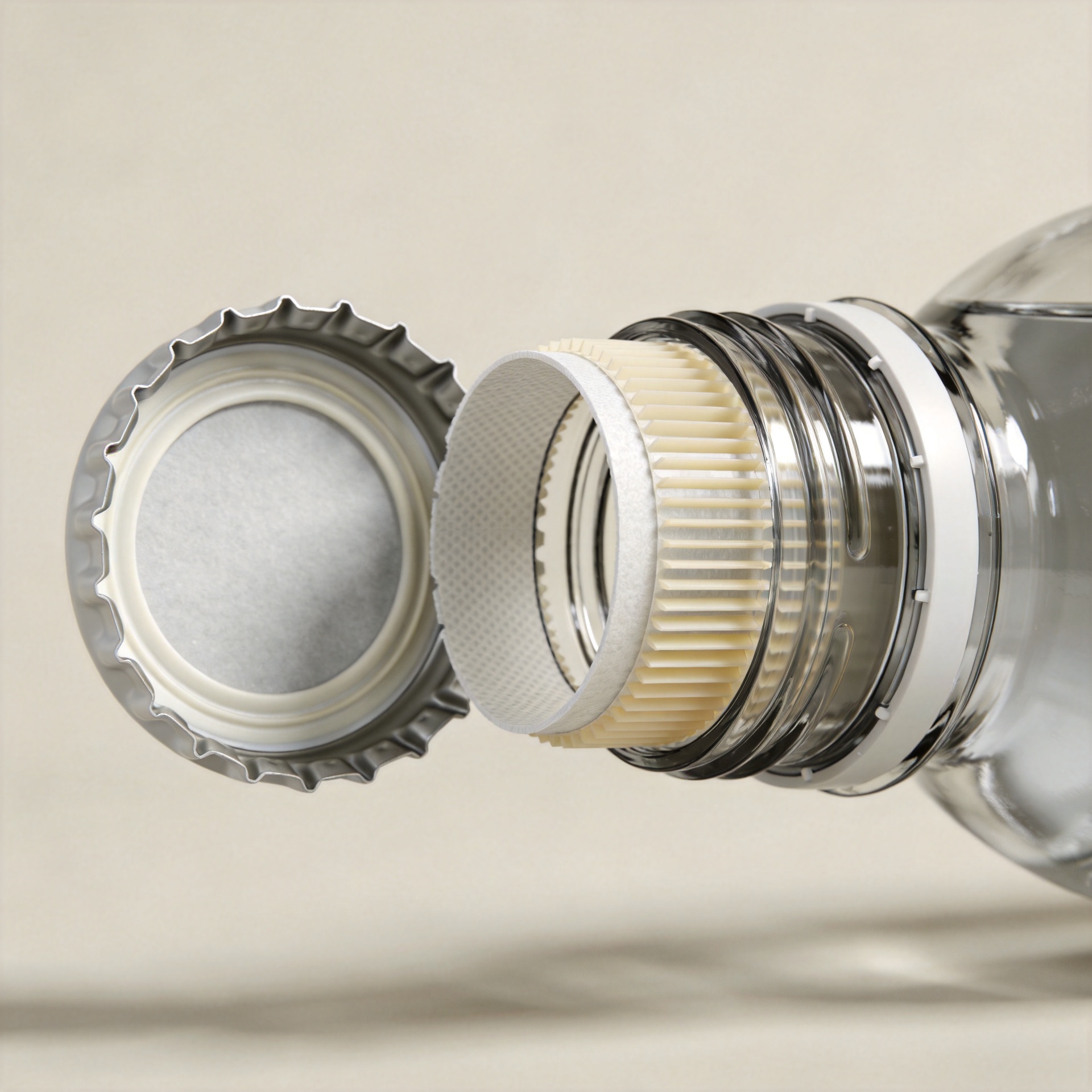
The selected catalog records show a vent membrane and a Vent PE liner. They are two documented directions for packaging venting. They are not the same part. A membrane can be a functional element in a closure. A PE liner is a cap related component direction. The cap design decides how a fertilizer cap liner may be placed and held.
- Confirm the cap size, neck finish, and liner land before you discuss a fertilizer cap liner.
- Check if the current sealing surface can accept a new liner or membrane arrangement.
- Send a cap cross-section or drawing so the contact area can be reviewed.
- Keep the component question separate from the finished package result.
This separation matters. A material attribute is not the same as a package outcome. The key question is simple. Does the proposed fertilizer cap liner fit the defined closure and use condition? Drawings, samples, and a clear review plan help answer that question.
Use one name for the proposed fertilizer cap liner in drawings, notes, and samples. Mark the cap version and bottle version. This simple fertilizer cap liner record reduces confusion during review.
Use Medium Details
For fertilizer packaging, the medium is part of the decision. Share the formulation class, known additives, fill temperature, storage temperature, and shipping profile. These details show which questions a fertilizer cap liner must address. They also stop buyers from moving a solution from one container to another without review.
The company profile documents porous ePTFE material with hydrophobic and oleophobic attributes. It also documents composite, laminated, and surface modification techniques. These facts can support a fertilizer cap liner discussion. They do not prove airflow, resistance, leakage control, or storage behavior for a specific formulation. Ask for relevant product documents and agree on what needs to be checked.
Keep the fertilizer cap liner question narrow. Ask about the stated cap, bottle, and medium. If any one changes, reopen the fertilizer cap liner review.
Make a Simple Review Plan
Use the intended bottle, cap, and fertilizer medium when possible. Record the fill level, closure setting, and conditions for each sample. Decide what you need to learn before the work begins. You may need to review liner seating, cap fit, or a defined pressure change. A fertilizer cap liner evaluation should answer that stated question.
- Use parts that match the intended package where possible.
- Record the medium, fill level, closure setting, and exposure condition.
- Set one clear question for each sample and review it with the drawing.
- Repeat the review if the cap, bottle, medium, or condition changes.
Label every sample with its fertilizer cap liner version. Link the sample to the cap drawing. Keep the test note short. State the condition. State the question. This makes a fertilizer cap liner comparison easier to read.
A standard or test method can help only when its scope fits the package question. Do not name a standard just to make a general claim sound stronger. First match the method to the closure and decision. Then use the result as one input for the fertilizer cap liner choice.
Send a Useful Inquiry
For a focused fertilizer cap liner discussion, send cap and bottle photos, closure dimensions, a neck drawing, the fertilizer type, and the package concern. Say if the package is new or already in use. Also state any cap material, assembly, or space limits. This lets MicroVENT compare the request with its documented vent membrane and Vent PE liner directions. The next step can then stay tied to the actual closure, medium, and condition.
In the inquiry, name the fertilizer cap liner goal in one sentence. Add the known pressure condition. Add the container and cap details. A complete fertilizer cap liner inquiry supports a clear first review.
 EN
 AR
 CS
 FR
 DE
 IT
 JA
 KO
 PT
 RU
 ES
 ID
 VI
 TH
 TR
 MS