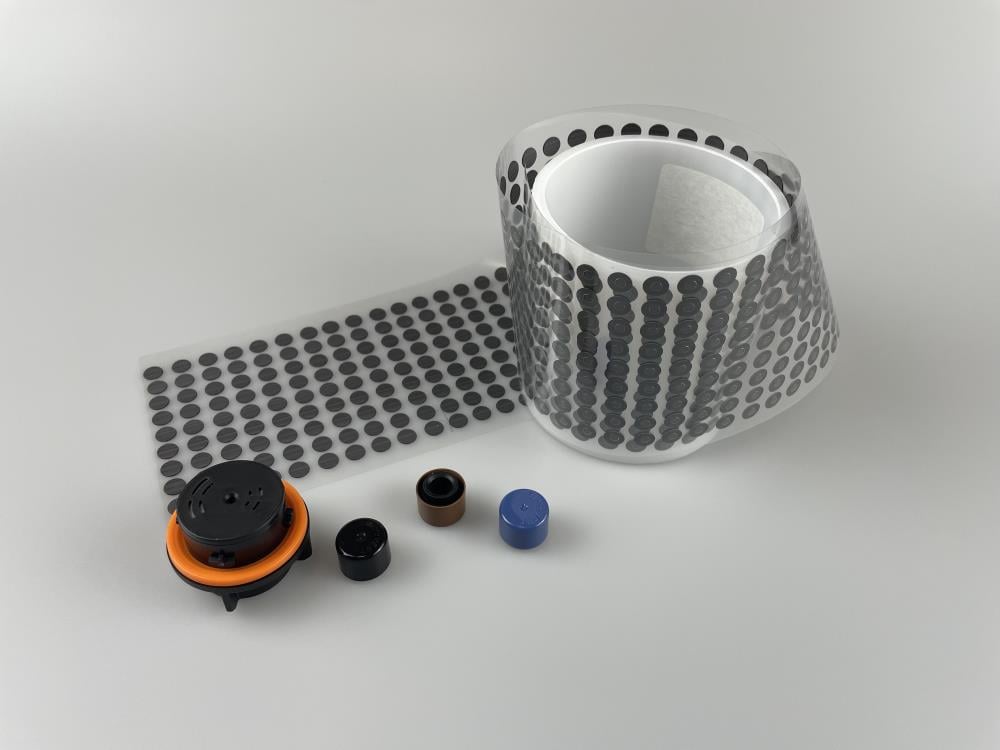
Induction Foil for Packaging Closure Review

All Categories

Get a Free Quote

Our representative will contact you soon.
Email
Name
Company Name
Message
0/1000
Induction Foil for Vented Package Closures

Induction Foil for Vented Package Closures

Induction foil is one part of a package closure. Buyers should review it with the cap, liner, bottle, and packed goods. Induction foil may need a venting review when heat, height, or the packed goods can change pressure in the pack. This page gives a simple way to plan that review. MicroVENT lists ePTFE membrane and Vent PE liner among its product directions for packaging vents. Its merchant profile also lists composite, laminated, and surface-change methods. Those facts are a start, not proof that one part fits each pack. Check the bottle shape, cap form, liner space, packed goods, and use case. Ask for the part drawing and proof that fits the use case. Send those details to start an induction foil discussion or request a quote.
Get A Quote

Known Venting Product Directions

These points state known product directions. They do not promise results for each package.

Packaging Vent Product Scope

The merchant profile lists ePTFE membrane, vent bottle PE liner, and vent acoustic membrane. These product directions give teams a base for an induction foil review. They help frame questions about a cap, liner, and bottle. The final part choice still needs a fit check for the real pack and its use.

Material Facts Need Review

The merchant profile describes porous ePTFE and composite, laminated, and surface-change methods. It also lists general hydrophobic and oleophobic traits. Use those facts to guide an induction foil review. Do not treat them as proof of a final pack result. Check the part drawing, the packed goods, and use-case proof first.

Venting Parts for Review

Two source-backed parts for closure discussions.
Review the Whole Closure Stack

Review the Whole Closure Stack

Induction foil, the liner, cap, bottle, and packed goods work as one closure stack. The Vent PE liner record gives a packaging vent reference. The vent membrane record gives a wider ePTFE vent reference. For induction foil, check how each part fits the host closure. A broad material fact does not prove fit in a real pack.

Define the Pack First

Induction foil is not a full pack plan. It is one part of the closure. Start with the bottle, cap, liner, and packed goods. Note the bottle neck size and cap form. Note where the induction foil will sit. State if the induction foil and liner are two parts or one unit. This makes the first review more clear.

Then list how the pack will be filled and used. Note if the pack may see heat or cold. Note if it may move by air or road. Note if the headspace may change. These facts can help show if an induction foil review needs a venting question too. Do not use a broad part claim as the answer. The real pack sets the need.

Check the Closure Interfaces

Map each surface in the closure stack. Show the bottle opening. Show the cap. Show the liner space. Show the seal land. Add the planned induction foil position. A clear drawing can stop a poor fit before parts are made. It can also show where a vent part could sit.

  • Give the current bottle and cap drawings.
  • State the neck size and the seal area.
  • Show the induction foil and liner position.
  • List each part that touches the closure.
  • State the fill and seal steps.

MicroVENT lists a Vent PE liner and a vent membrane in its product range. These are useful reference points for an induction foil talk. They do not show that every induction foil, cap, or bottle will work with a vent part. Use the part drawings to check size, form, and build. Use the real closure stack for the fit review.

Ask Why Pressure May Change

A venting need starts with a real pack fact. The packed goods may create gas. The pack may face heat or a change in height. The headspace may then change. Yet one pack can act very differently from the next. The medium, bottle, cap, and use plan all matter.

For induction foil, write down the pressure concern in plain terms. Ask what may change. Ask when it may change. Ask what result the team wants to avoid. Then separate seal needs from vent needs. This helps the team avoid a weak claim. It also helps the team ask for the right proof.

Do not assume that a water or oil trait settles the choice. First check the medium and the pressure case. Then check the part record for the exact use. A material note can guide a question. It is not proof of a full package result. Induction foil should be reviewed with the cap and liner, not on its own.

Use Product Facts With Care

The merchant profile describes porous ePTFE. It also lists composite, laminated, and surface-change methods. It names hydrophobic and oleophobic traits at a general material level. These facts may help frame an induction foil project. They do not prove that a given induction foil pack will meet a set need.

Ask for the part drawing and data that fit the use case. Compare the part build with the packed goods. Compare it with the cap and bottle. If the pack is for a chemical, farm good, or bottle-and-cap use, state that use clearly. Do not copy facts from a near use case. The exact case needs its own review.

Send a Useful Inquiry

Send photos or drawings of the bottle and cap. Add neck size, induction foil size, liner space, and packed goods. State the fill steps and the use path. State if heat, cold, or height may matter. Add any known issue with the current closure. Say if the request is for a new pack, a new part, or a part swap.

Also state what must be checked. That may be part fit, the part build, or a test plan. Add a test method or a standard only after its use and scope are clear. This turns an induction foil search into a focused closure review. It gives the team facts they can use for the next step.

Induction Foil Review FAQ

Short questions for a closure review.

What is needed for an induction foil review?

Send the bottle and cap drawing first. Add the neck size, seal area, induction foil size, and liner space. State where the induction foil will sit in the closure. Tell us what the pack holds. Add fill, storage, and ship facts. Note if heat, cold, or height may change the headspace. Say if the need is for a new pack or a part swap. These facts help the team review real interfaces. They are more useful than a broad part name. Final fit still needs the current part records and use-case proof.
No. Induction foil alone does not show if a vent part is needed. The answer depends on the packed goods, bottle, cap, liner, and use path. It also depends on how pressure may change. Some packs need a seal review only. Some may need a venting review too. Define the real concern first. Then ask which fact must be proved. A vent membrane or Vent PE liner can guide that talk. Neither record proves fit for each induction foil build.
Keep general material facts apart from proof for the full pack. The profile names porous ePTFE and some material traits. For an induction foil project, ask for the part drawing and data for the planned use. Check the packed goods, closure, and use facts. If a test or standard is named, first check its scope. Then check if it fits the full closure. This keeps a broad trait from becoming a claim that the pack has not yet proved.
Give bottle and cap photos or drawings. Add the neck finish, induction foil size, liner space, and packed goods. State the fill steps, storage plan, and ship path. Tell us if the pack may see heat, cold, or a height change. State the goal for the induction foil review. It may be fit, part build, or a new pack plan. Add known issues with the old closure if there are any. The final choice still needs use-case checks before release.

Get a Free Quote

Our representative will contact you soon.
Email
Name
Company Name
Message
0/1000

Explore Related Packaging Vents

Get a Free Quote

Our representative will contact you soon.
Email
Name
Company Name
Message
0/1000