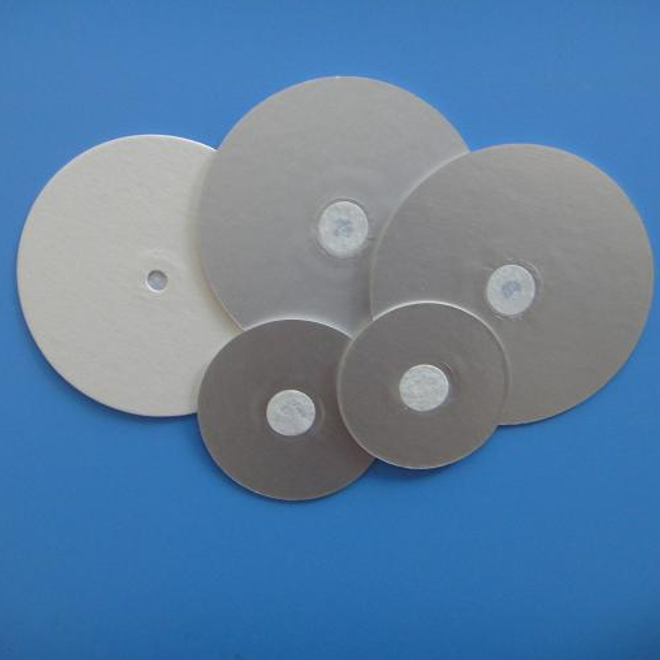
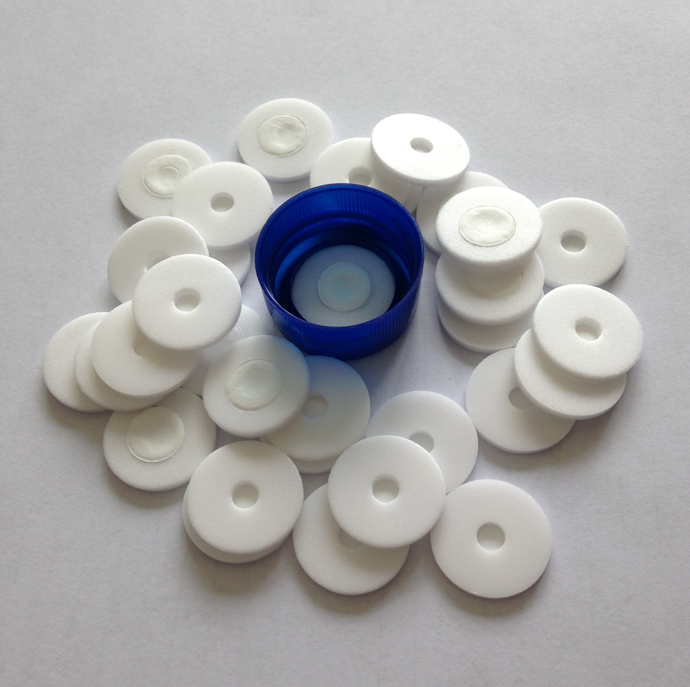
pulp induction seal
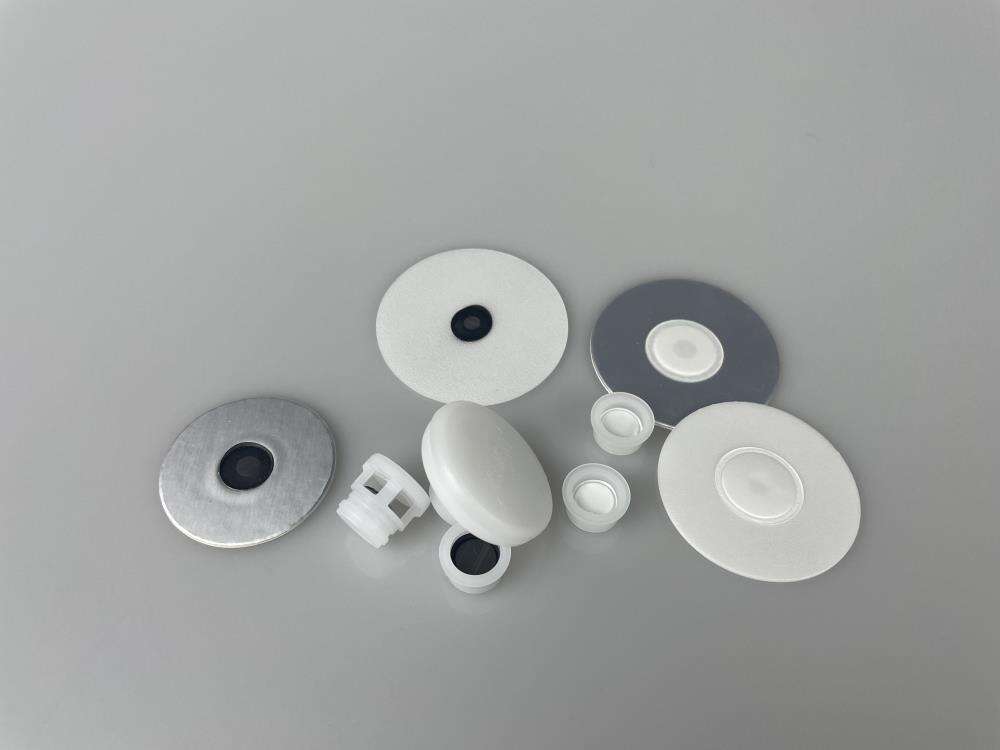
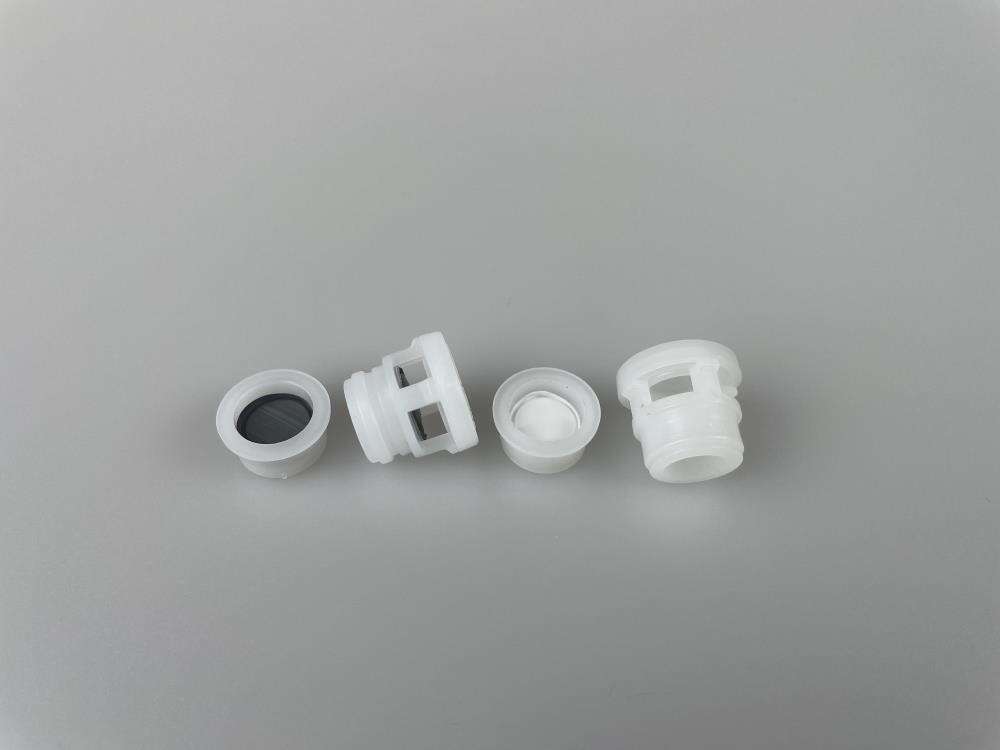
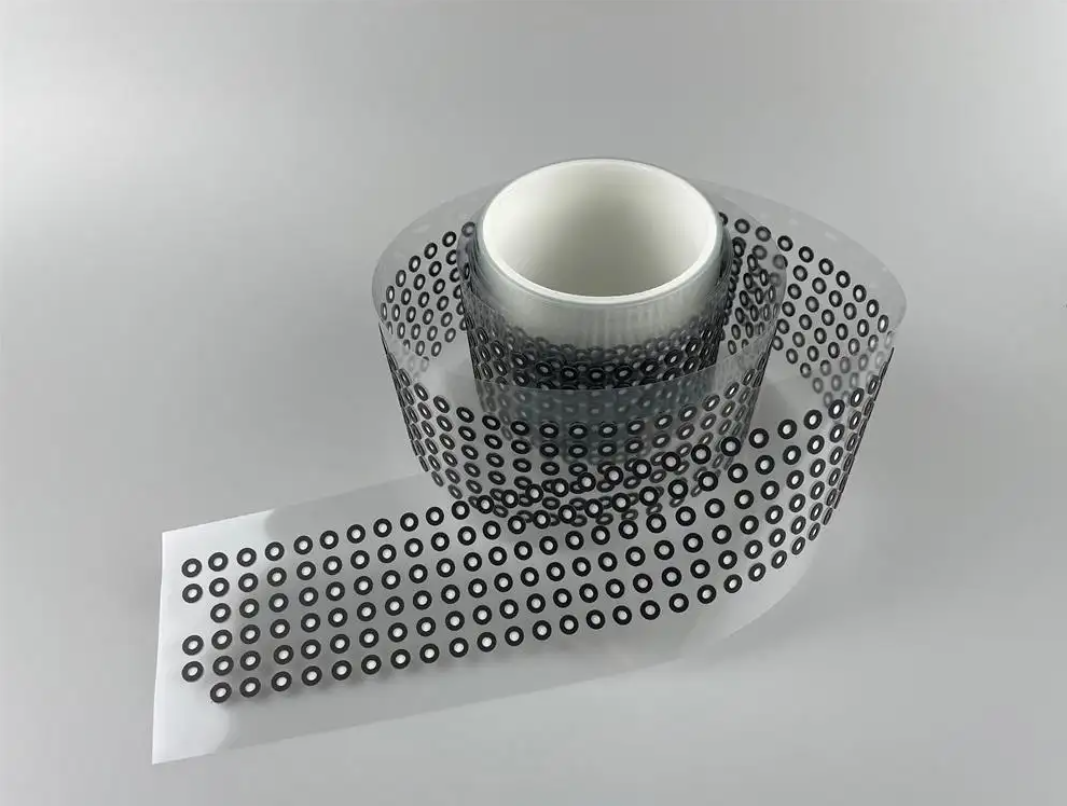
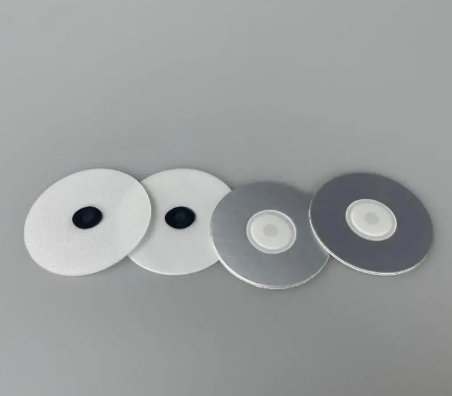
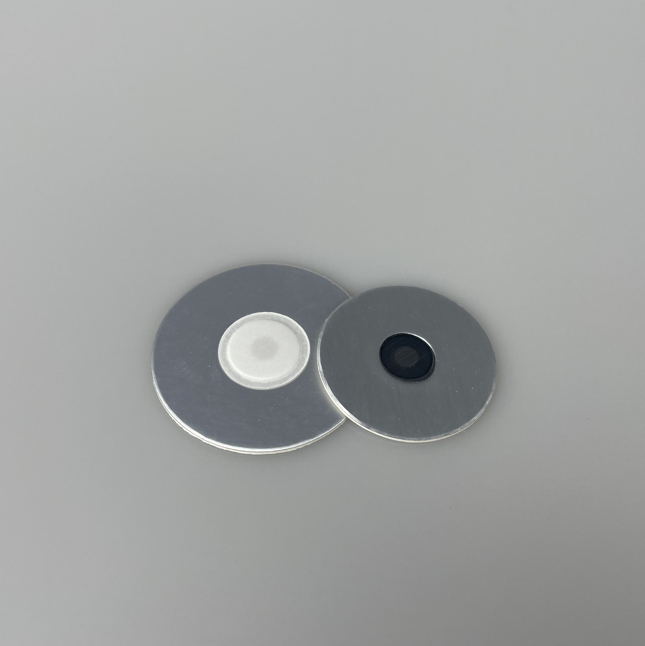
The pulp induction seal represents a revolutionary advancement in packaging technology, specifically designed to provide tamper-evident protection and product integrity for containers across multiple industries. This innovative sealing solution utilizes electromagnetic induction heating to create a hermetic bond between specially formulated pulp-based sealing materials and container openings. The pulp induction seal operates through a sophisticated process where an induction heating machine generates electromagnetic fields that activate metal particles embedded within the pulp material, causing rapid heating and subsequent fusion with the container rim. The main functions of this sealing technology encompass tamper evidence, moisture barrier protection, oxygen exclusion, and contamination prevention. The pulp induction seal system incorporates advanced technological features including precise temperature control mechanisms, automated sealing processes, and compatibility with various container materials such as plastic, glass, and composite materials. The sealing material itself consists of food-grade pulp fibers combined with aluminum particles and specialized adhesive compounds that ensure optimal bonding characteristics. Applications for pulp induction seal technology span numerous sectors including pharmaceutical packaging, food and beverage industries, cosmetic products, and chemical containers. In pharmaceutical applications, the pulp induction seal provides critical protection against moisture ingress and contamination while maintaining product potency throughout shelf life. Food manufacturers utilize this technology to preserve freshness, extend product life, and ensure consumer safety through visible tamper evidence. The versatility of pulp induction seal systems allows for customization based on specific product requirements, container sizes, and environmental conditions. Manufacturing facilities benefit from the automated nature of pulp induction seal application, which reduces labor costs and improves production efficiency while maintaining consistent seal quality across large production runs.
 EN
EN
 AR
AR
 CS
CS
 FR
FR
 DE
DE
 IT
IT
 JA
JA
 KO
KO
 PT
PT
 RU
RU
 ES
ES
 ID
ID
 VI
VI
 TH
TH
 TR
TR
 MS
MS