Set the Pack Facts First
An aliminium induction seal is a pack choice, not a stand-alone answer. Start with the bottle, cap, liner, fill, and use. Write down the bottle neck, cap type, liner size, seal face, and head space. Add the fill type and the way the pack moves or sits. This makes an aliminium induction seal review clear from the start.
Ask if air, gas, heat, or a change in height may matter. The answer may change with the fill and the trip. Do not use a part name as proof of fit. An aliminium induction seal needs a full pack view. A pack that looks like a past pack may still have a new cap, fill, or use.
Review the Two Listed Parts
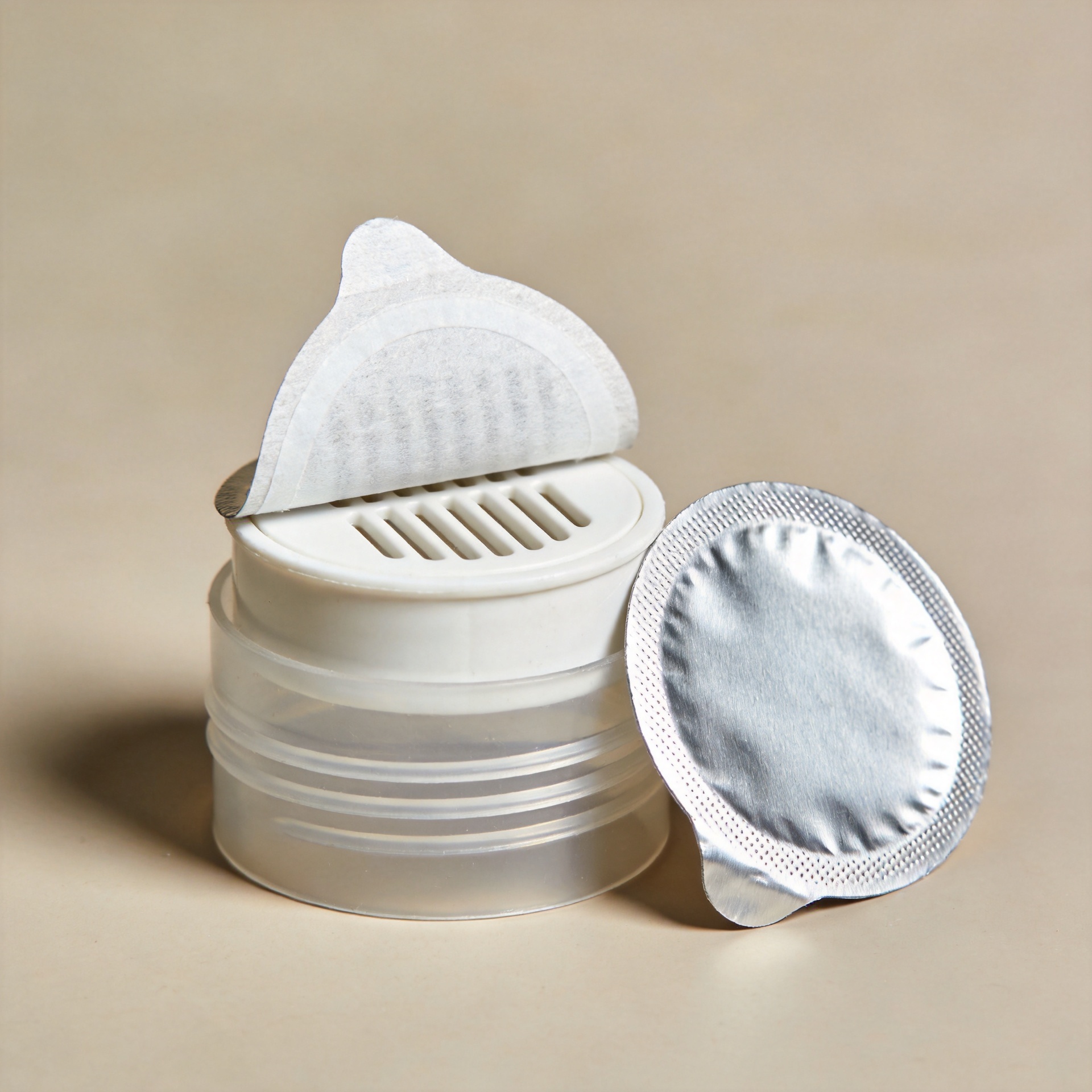
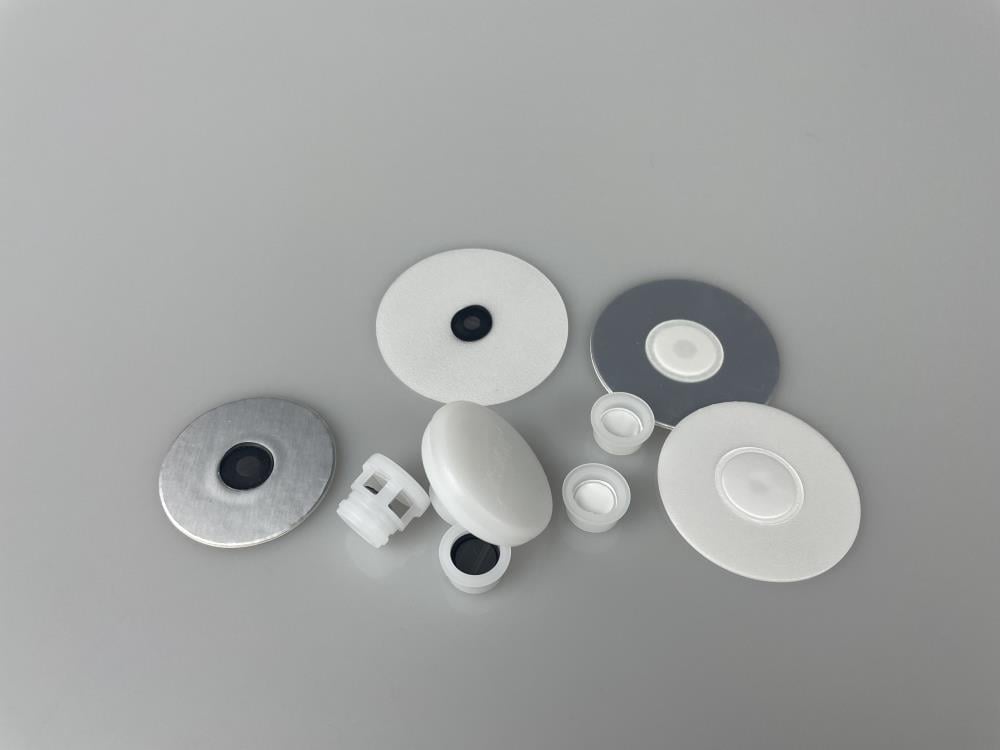
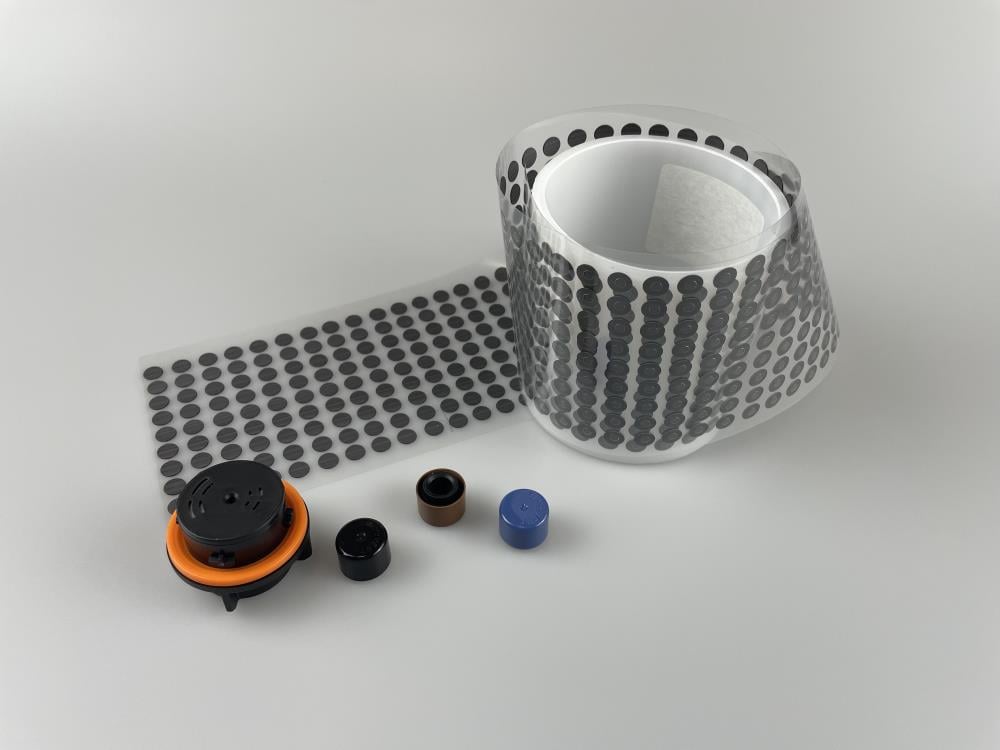
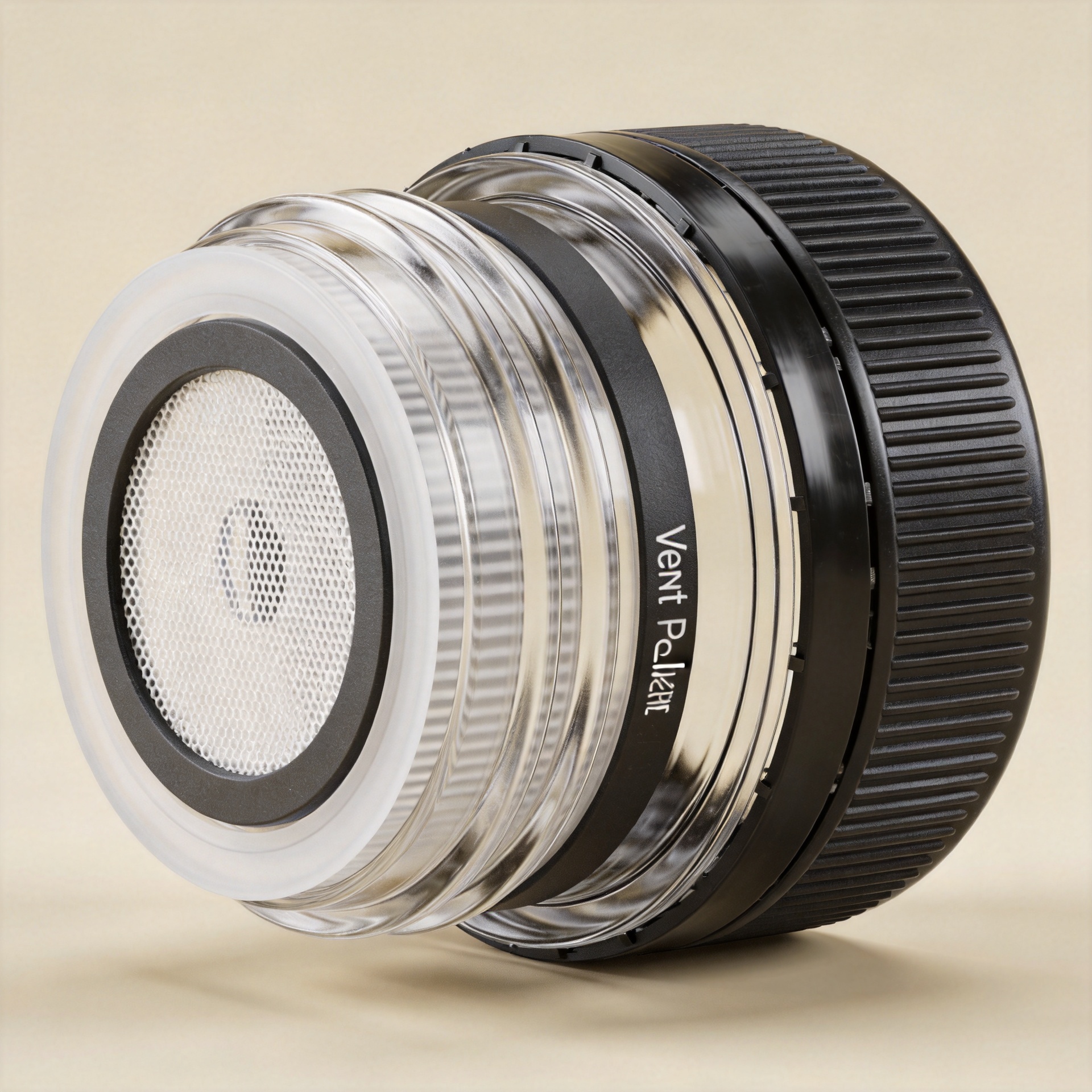
The live catalog has a vent membrane and a Vent PE liner. They are the two parts in this page plan. They are not proof that a full aliminium induction seal build is set for all packs. The vent membrane can be a part of a vent plan. The Vent PE liner can be a part of a cap and liner plan. Each role must be set in the real pack.
- Use the vent membrane as a part to discuss in an aliminium induction seal pack plan.
- Use the Vent PE liner when the cap and liner stack needs review.
- Check how the cap, liner, seal face, and bottle meet in the full pack.
- Ask for the facts and proof needed before a part is put in use.
Match the Fill to the Pack
First, name the fill. It may be a water mix, oil mix, farm mix, home mix, or some other mix. Then state how long it will sit and how it will move. The profile lists ePTFE with water and oil related traits. Those broad facts do not prove that an aliminium induction seal will suit a named fill. The full use case must be checked.
Next, map the part face. Note the cap, liner, bottle neck, and seal zone. If an aliminium induction seal is in the plan, say where it sits in the stack. Share a sketch, part list, or sample when you can. This keeps the talk on the real pack, not on a guess.
State the Air-Change Need
Air change is one input for an aliminium induction seal review. Ask what may cause it. It may come from fill, heat, cold, travel, height, or time in store. Say if the change may go up or down. Say when it may take place. These facts help the team see if a vented pack idea needs more work.
For a filled pack, check the fill and air-change state before a broad barrier note is used as the main reason to pick a part. Two packs can look the same but work in a new way. A new fill, cap force, head space, or trip path can change the review. This is why an aliminium induction seal needs facts from the full pack.
Keep the Review Specific
An aliminium induction seal review needs the actual cap. An aliminium induction seal review needs the actual bottle. An aliminium induction seal review needs the fill facts. An aliminium induction seal review needs the liner stack. An aliminium induction seal review needs the seal face. An aliminium induction seal review needs the use path.
An aliminium induction seal review can include a venting question. An aliminium induction seal review can include a pressure question. An aliminium induction seal review can include a material question. An aliminium induction seal review can include a fit question. An aliminium induction seal review can include a drawing review. An aliminium induction seal review can include a sample review.
An aliminium induction seal review should state what must be checked. An aliminium induction seal review should state what proof is needed. An aliminium induction seal review should state the next pack step. An aliminium induction seal review should stay tied to the real pack. An aliminium induction seal review should not assume a fit from a name.
Plan the Next Check
Use a short path. List the pack needs. List the part and its role. Then ask for drawings, part facts, and fit notes for the chosen idea. If a test is needed, state what the pack team needs to learn. Name a test rule only when it fits the real use.
The facts on this page support a talk about ePTFE membrane, Vent PE liner, and packaging venting. They do not say that one aliminium induction seal is right for all fills or bottles. Send the real bottle, cap, fill, and use facts. That gives the team a sound base for the next aliminium induction seal review.
 EN
 AR
 CS
 FR
 DE
 IT
 JA
 KO
 PT
 RU
 ES
 ID
 VI
 TH
 TR
 MS