Premium Pulp Induction Liner Solutions - Advanced Electromagnetic Sealing Technology

All Categories

Get a Free Quote

Our representative will contact you soon.
Email
Name
Company Name
Message
0/1000

pulp induction liner

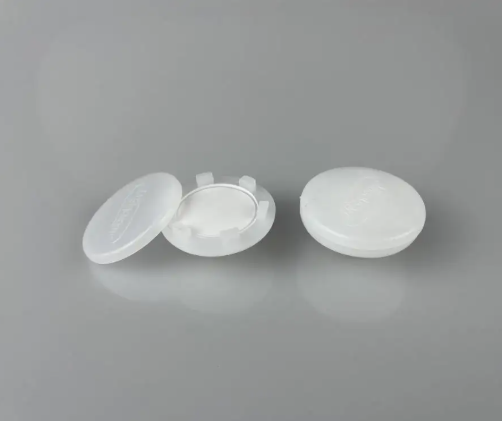
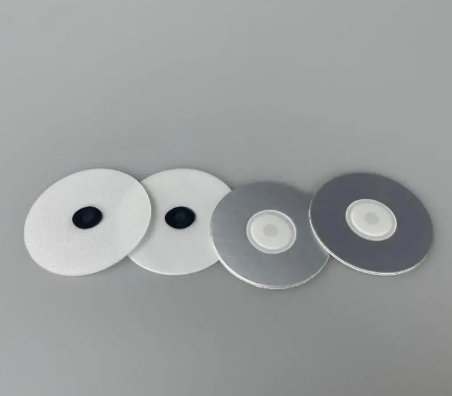
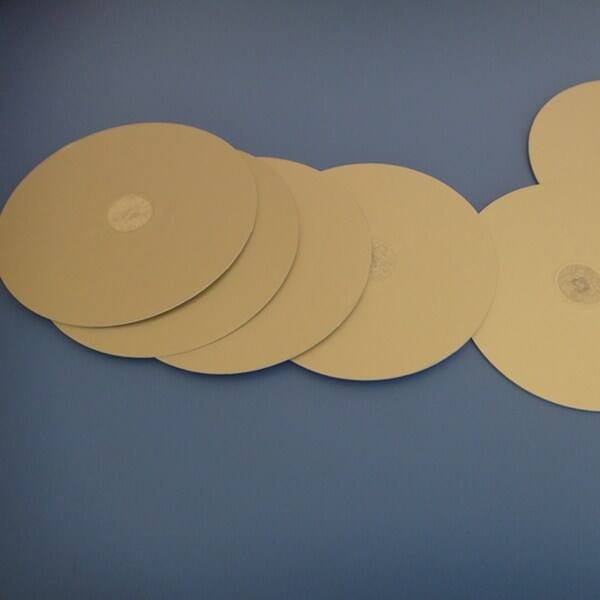
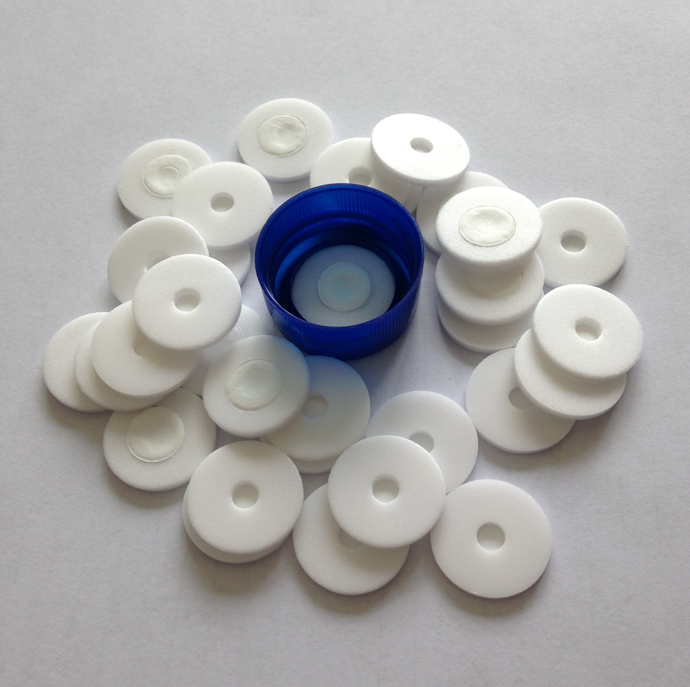
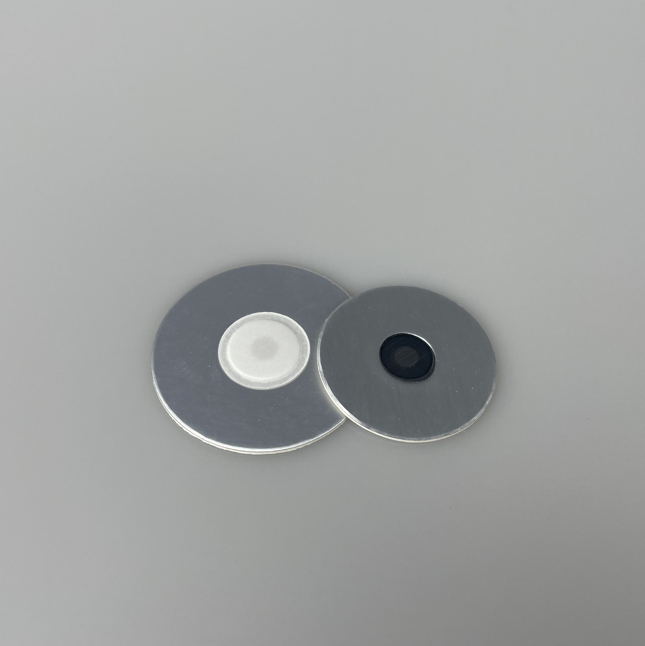
The pulp induction liner represents a critical technological advancement in modern packaging solutions, specifically engineered to enhance product integrity and extend shelf life across various industries. This sophisticated sealing mechanism utilizes electromagnetic induction heating technology to create hermetic seals on containers, particularly those made from plastic, glass, or composite materials. The pulp induction liner operates through a precise electromagnetic field that rapidly heats a metallic foil layer, which subsequently bonds to the container rim, forming an impermeable barrier against external contaminants, moisture, and oxygen infiltration. The fundamental design incorporates multiple layers including a protective outer coating, conductive aluminum foil, polymer adhesive layer, and specialized pulp backing material that provides structural support and cushioning properties. This multi-layered construction ensures optimal sealing performance while maintaining compatibility with automated production lines and high-speed filling operations. The technological features of the pulp induction liner include rapid heating capabilities that achieve sealing temperatures within seconds, consistent seal quality across varying container geometries, and excellent adhesion properties that create tamper-evident closures. The electromagnetic induction process generates heat exclusively within the metallic layer, eliminating the risk of overheating sensitive product contents while ensuring complete seal formation. Applications for pulp induction liners span numerous sectors including pharmaceuticals, nutraceuticals, food and beverage, cosmetics, chemicals, and industrial products. In pharmaceutical applications, these liners provide essential barrier protection for tablets, capsules, and powdered medications, preventing moisture absorption and maintaining potency throughout extended storage periods. Food and beverage manufacturers utilize pulp induction liners to preserve freshness, prevent spoilage, and extend product shelf life by creating oxygen barriers that inhibit oxidation processes. The versatility of pulp induction liner technology accommodates various container sizes and shapes, from small pharmaceutical bottles to large industrial containers, making it an indispensable component in modern packaging operations where product protection and consumer safety remain paramount concerns.

New Products

The pulp induction liner delivers exceptional sealing performance that surpasses traditional closure methods through its advanced electromagnetic heating technology. This innovative approach creates completely hermetic seals that effectively block moisture, oxygen, and other environmental contaminants from reaching packaged products. Unlike conventional sealing methods that rely on mechanical pressure or heat application, the pulp induction liner generates heat exclusively within its metallic layer, ensuring uniform temperature distribution and consistent seal quality across the entire container rim. This precision heating eliminates weak points or incomplete sealing areas that commonly occur with alternative sealing technologies. The rapid sealing process significantly enhances production efficiency by reducing cycle times and enabling higher throughput rates on automated packaging lines. Manufacturers benefit from the liner's compatibility with existing capping equipment, requiring minimal modifications to integrate this advanced sealing technology into current operations. The cost-effectiveness of pulp induction liners becomes evident through reduced product waste, decreased returns due to contamination, and extended shelf life that allows for broader distribution networks and reduced inventory turnover pressures. Quality control advantages include the creation of tamper-evident seals that provide immediate visual indication of package integrity, enhancing consumer confidence and brand protection. The liner's excellent adhesion properties ensure reliable performance across varying storage conditions, including temperature fluctuations and humidity changes that might compromise other sealing methods. Environmental benefits emerge through the reduction of preservatives needed in products due to superior barrier protection, contributing to cleaner label formulations that meet consumer demands for natural products. The pulp induction liner also eliminates the need for additional secondary packaging in many applications, reducing material costs and environmental impact. Manufacturing flexibility increases as these liners accommodate various container materials and sizes without requiring specialized equipment changes. The consistent sealing performance reduces quality control testing requirements and associated labor costs while maintaining high standards for product protection. Energy efficiency improves through the rapid heating process that requires minimal power consumption compared to traditional heat sealing methods. The liner's structural integrity remains stable throughout the sealing process, preventing deformation or damage that could compromise container appearance or functionality. Long-term storage benefits include maintained seal integrity over extended periods, ensuring product quality from manufacturing through end-user consumption. The technology's reliability reduces maintenance requirements and downtime associated with sealing equipment, contributing to overall operational efficiency and cost reduction in manufacturing environments.

Latest News

Are MicroVent®Packaging Valves Suitable for All Types of Packaging Materials?

21

May

Are MicroVent®Packaging Valves Suitable for All Types of Packaging Materials?

Understanding MicroVent® Packaging Valve Material Compatibility Key Properties of ePTFE Membrane Technology MicroVent® Packaging Valves make use of ePTFE membrane technology and are characterized by certain distinctive features that ren...
View More
How Does a Vent PE Liner Improve Packaging Performance?

21

May

How Does a Vent PE Liner Improve Packaging Performance?

Understanding the Role of Vent PE Liners in Packaging What Are Vent PE Liners? Vent PE Liner Incorporates a unique form of packaging to improve performance by allowing reverse gas exchange but keeping out contaminants. They are unlike older lin...
View More
What Are the Benefits of Using MicroVent®️ ePTFE Membranes in Medical Devices?

25

Jun

What Are the Benefits of Using MicroVent®️ ePTFE Membranes in Medical Devices?

Unique Properties of ePTFE Membranes in Medical Technology Microporous Structure for Selective Permeability The distinctive microporous of ePTFE membranes allows for selective permeable , it permeates gases only and is resistant to liquid conta...
View More
How Do MicroVENT®️ Automotive CMD protective lamps Work?

28

Aug

How Do MicroVENT®️ Automotive CMD protective lamps Work?

The Evolution of Advanced Automotive Lighting Protection The automotive industry has witnessed remarkable advancements in lighting technology, with MicroVENT CMD protective lamps emerging as a groundbreaking solution for vehicle safety and longevity....
View More

Get a Free Quote

Our representative will contact you soon.
Email
Name
Company Name
Message
0/1000

pulp induction liner

Advanced Electromagnetic Induction Technology

Advanced Electromagnetic Induction Technology

The pulp induction liner incorporates cutting-edge electromagnetic induction technology that revolutionizes the sealing process through precise, controlled heating mechanisms. This sophisticated system utilizes electromagnetic waves to generate heat exclusively within the metallic foil layer, creating rapid temperature increases that activate thermoplastic adhesives without affecting the surrounding packaging materials or product contents. The electromagnetic field penetrates through the container cap and directly targets the conductive aluminum layer embedded within the pulp induction liner structure. This selective heating approach ensures that only the sealing components reach the necessary activation temperature, typically between 140-180 degrees Celsius, while maintaining ambient temperatures in adjacent areas. The technology's precision eliminates common sealing problems such as overheating, uneven temperature distribution, or thermal damage to heat-sensitive products. The induction process completes within 2-4 seconds, significantly faster than conventional heat sealing methods that may require 10-15 seconds or longer. This rapid heating capability translates directly into increased production speeds and enhanced manufacturing efficiency. The electromagnetic field strength can be precisely calibrated to accommodate different container sizes, liner thicknesses, and product requirements, providing manufacturers with exceptional flexibility in their packaging operations. The technology's consistency ensures uniform seal quality across millions of units, reducing quality control concerns and eliminating batch-to-batch variations that plague other sealing methods. Advanced control systems monitor the electromagnetic field strength, heating duration, and temperature profiles in real-time, automatically adjusting parameters to maintain optimal sealing conditions. This intelligent monitoring prevents seal failures and ensures consistent performance regardless of environmental conditions or operator variations. The electromagnetic induction process creates molecular bonding between the liner's adhesive layer and the container rim, forming bonds that exceed the strength of mechanical closures. This superior bonding strength provides enhanced tamper evidence and security features that protect both products and consumers. The technology's non-contact heating method eliminates wear on sealing equipment, reducing maintenance requirements and extending machinery lifespan compared to traditional heat sealing systems that rely on heated platens or dies.
Superior Barrier Protection and Product Preservation

Superior Barrier Protection and Product Preservation

The pulp induction liner delivers unmatched barrier protection through its sophisticated multi-layer construction that creates impermeable seals against moisture, oxygen, light, and other environmental factors that can degrade product quality. The aluminum foil layer serves as the primary barrier component, providing excellent protection against gas transmission and moisture vapor transfer rates that far exceed those achieved by plastic films or other sealing materials. This metallic barrier effectively blocks oxygen penetration, preventing oxidation reactions that cause rancidity in oils, color changes in foods, and potency loss in pharmaceuticals. The liner's moisture barrier properties maintain optimal humidity levels within sealed containers, preventing hygroscopic products from absorbing atmospheric moisture that could lead to caking, clumping, or chemical degradation. The light barrier function protects photosensitive compounds from ultraviolet and visible light exposure that can trigger photochemical reactions and reduce product efficacy. The hermetic seal created by the pulp induction liner maintains internal atmospheric conditions, preserving product freshness and extending shelf life significantly beyond what is possible with conventional closures. In pharmaceutical applications, this superior barrier protection maintains active ingredient potency throughout extended storage periods, ensuring therapeutic effectiveness from manufacturing to patient consumption. Food products benefit from enhanced flavor retention, color stability, and nutritional value preservation through the elimination of oxidative deterioration processes. The liner's structural integrity remains intact under varying storage conditions, including temperature cycling, mechanical stress, and atmospheric pressure changes that might compromise other sealing systems. The barrier properties resist chemical permeation from external sources, preventing contamination that could affect product safety or regulatory compliance. This comprehensive protection reduces the need for expensive preservatives or stabilizers in many formulations, supporting clean label initiatives and natural product development. The liner's performance consistency ensures reliable protection across varying batch sizes and production runs, eliminating concerns about seal variability that could compromise product quality. The barrier effectiveness extends throughout the entire product lifecycle, maintaining protection during shipping, warehousing, retail display, and consumer storage periods.
Versatile Applications and Manufacturing Efficiency

Versatile Applications and Manufacturing Efficiency

The pulp induction liner demonstrates remarkable versatility across diverse industries and packaging applications, accommodating everything from small pharmaceutical vials to large industrial containers with equal effectiveness. This adaptability stems from the liner's scalable design that can be manufactured in various diameters, thicknesses, and configurations to match specific container requirements and sealing needs. In pharmaceutical manufacturing, pulp induction liners secure medications ranging from over-the-counter supplements to prescription drugs, providing the critical barrier protection required for regulatory compliance and patient safety. The food and beverage industry relies on these liners for products including protein powders, infant formulas, coffee, spices, and numerous other products requiring extended shelf life and contamination protection. Cosmetic and personal care manufacturers utilize pulp induction liners to maintain product integrity in creams, powders, and other formulations sensitive to air exposure or moisture contamination. Chemical and industrial applications benefit from the liner's resistance to aggressive compounds and ability to maintain seal integrity under harsh storage conditions. The manufacturing efficiency advantages of pulp induction liners extend beyond simple sealing speed to encompass overall production optimization. Integration with existing capping equipment requires minimal modifications, allowing manufacturers to upgrade their sealing capabilities without substantial capital investments in new machinery. The liner's consistent performance reduces quality control testing requirements, as the electromagnetic sealing process eliminates many variables that affect seal quality in other methods. Automated inspection systems can easily verify seal completion through visual or electronic detection methods, enabling real-time quality monitoring without slowing production speeds. The reduced setup time between different container sizes or product changeovers enhances manufacturing flexibility and reduces downtime costs. Energy efficiency improvements result from the rapid heating cycle and precise energy application, reducing overall power consumption compared to traditional sealing methods. The elimination of consumable heating elements or replacement parts associated with contact sealing systems reduces ongoing operational costs and maintenance scheduling. Waste reduction occurs through improved first-pass seal success rates and reduced product contamination, contributing to lean manufacturing objectives and environmental sustainability goals. The liner's compatibility with various capping torques and speeds accommodates different production line configurations and throughput requirements without compromising seal quality or reliability.

Get a Free Quote

Our representative will contact you soon.
Email
Name
Company Name
Message
0/1000