Vent PE Seal for Packaging Closure Review

All Categories

Get a Free Quote

Our representative will contact you soon.
Email
Name
Company Name
Message
0/1000
Vent PE Seal Choices for Packaging Closures

Vent PE Seal Choices for Packaging Closures

A vent PE seal is a part of a package closure. It may be reviewed when a filled pack can see pressure changes in storage, transport, or use. This page covers the listed Vent PE liner and vent membrane product directions for buyers who work with bottles, caps, and liners. A vent PE seal review should start with the real pack. Check the container, cap, product medium, fill state, and likely heat or altitude changes. Do not rely on one broad material claim. MicroVENT lists ePTFE membrane and vent bottle PE liner as product directions. It also lists composite, laminated, and surface treatment work. Use this guide to set up a clear vent PE seal discussion. Send the pack details to request product and document review for your use case.
Get A Quote

Listed Vented Material Directions

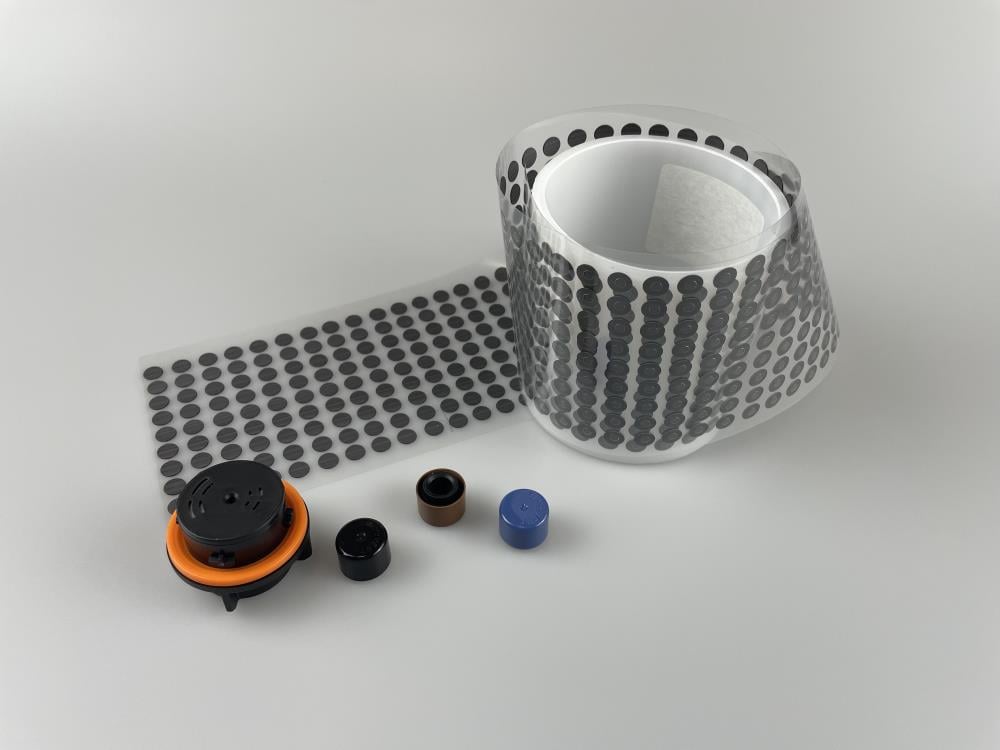
The merchant profile lists ePTFE membrane, vent bottle PE liner, and vent acoustic membrane as product directions. A vent PE seal project can use that scope to start a packaging discussion, while final fit still depends on the real application.

ePTFE Technology Direction

The merchant profile says MicroVENT has worked on ePTFE technology since 1995. It lists porous structure, chemical stability, heat resistance, hydrophobic, and oleophobic attributes. Those facts guide questions, not a claim for every vent PE seal use.

Component Build Discussion

The profile lists composite, laminated, and surface treatment methods. For a vent PE seal, these listed methods help buyers ask about the cap, liner, medium, and pressure conditions before they choose a component.

Listed Venting Components

Two records for a vent PE seal discussion.
Check the Whole Closure Assembly

Check the Whole Closure Assembly

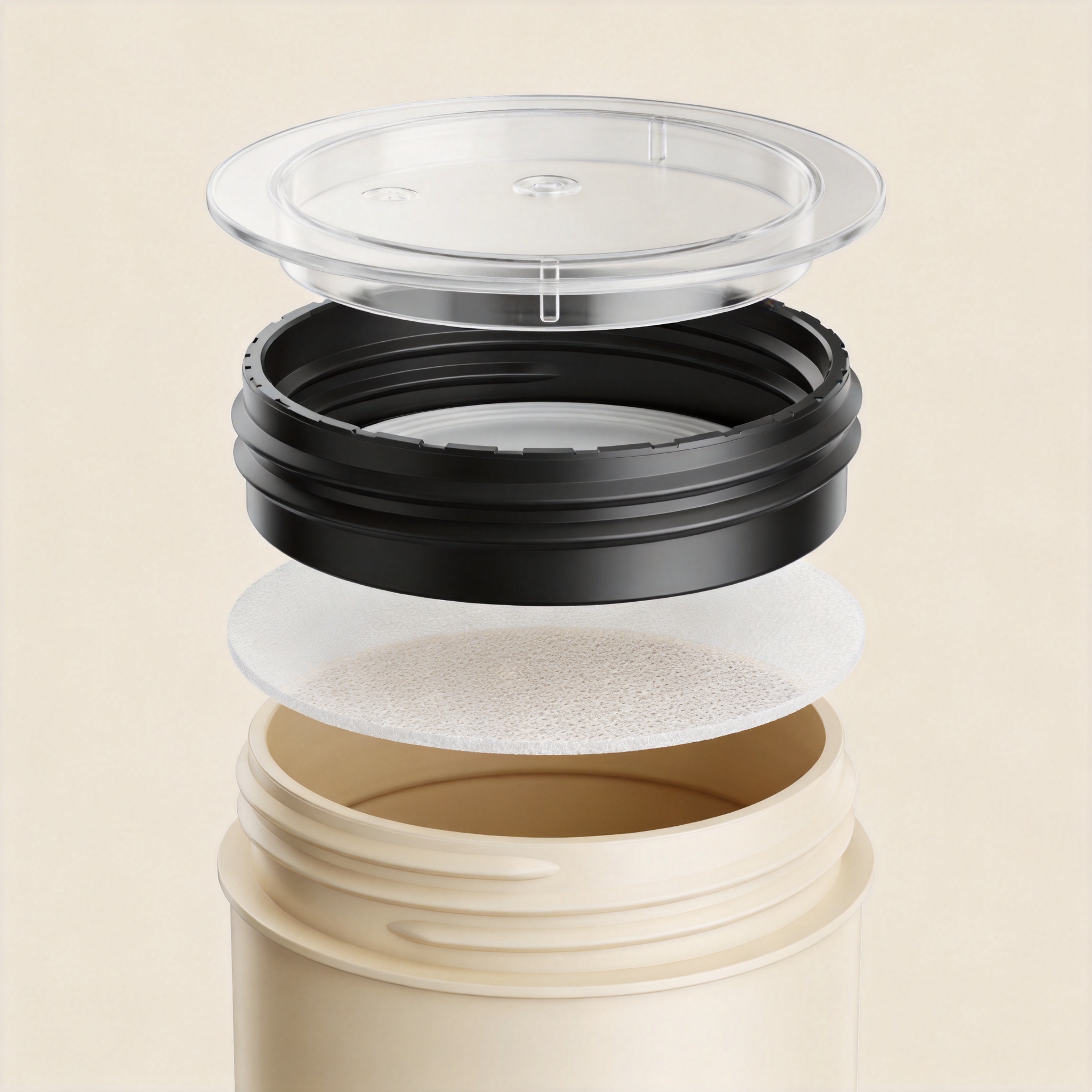
A vent PE seal works within a full closure assembly. Review it with the container, cap, liner build, medium, and pressure profile. The Vent PE liner record is the direct packaging record. The vent membrane record gives added context for an ePTFE venting discussion. Each vent PE seal use still needs its own fit review.

Start With the Real Package

A vent PE seal is often reviewed when a closed pack may face a change in pressure. The cause matters. It may be heat, altitude, the filled medium, headspace, or more than one of these. Start the vent PE seal review with the pack as it is used. Note the container material and shape. Note the cap type, neck finish, liner site, fill volume, storage range, and travel route. State if the pack stays closed during use.

Do not let a broad vent PE seal claim make the choice for you. Two packs may use the same kind of cap but need a different review. A buyer can share a drawing, photos, a cap sample, and a short note on the medium. These items do not prove a result. They help set the right path for a vent PE seal discussion.

Match the Part to the Closure

The listed records include Vent PE liner and vent membrane. For a vent PE seal request, first say what part is wanted. Is it a liner inside a cap? Is it a membrane in another part? Or is it a new closure build? Teams may use different names for the same type of part. A clear cross-section drawing can prevent a poor match.

  • Show the cap and bottle join before a vent PE seal is chosen.
  • State where the part sits in the cap or liner stack.
  • Describe the medium and known contact concerns in plain terms.
  • Confirm the space in the closure and the planned assembly step.

These facts help separate a first vent PE seal talk from a final pack decision. They also stop a material feature from being treated as proof for the full closure. Record them in each vent PE seal request.

State the Job of the Vent

Packaging vents are often linked to pressure control. The Vent PE liner record says that poor venting can be a concern for some active fills and for changes in heat or altitude. This is useful context for a vent PE seal. It is not proof for a given bottle, cap, or medium. Ask what issue the part should address, when it may happen, and how the pack will be checked after the event.

For a vent PE seal, look at the pressure case before you focus on one material term. A pack may face a change in storage or travel. The medium, cap, and fill state can change the questions. Write a short need statement. Keep the wanted vent PE seal function apart from the test method, pass rule, and proof that still must be agreed.

Ask About the Build and Evidence

The merchant profile describes ePTFE work with composite, laminated, and surface treatment methods. It also lists porous, hydrophobic, and oleophobic material traits. These are facts about material direction. They do not mean that each vent PE seal meets every package need. Use them to ask how a proposed part is built and what documents exist for that setup.

  • Ask for a drawing or data sheet for the proposed vent PE seal.
  • Check the liner or membrane shape against the cap size and build order.
  • Give the medium, fill state, and likely heat or altitude change for review.
  • Agree on the checks for the full pack before buying a vent PE seal.

If a test method or standard may apply, check its scope first. Do not call it a rule or a certificate until its use is clear. This keeps the vent PE seal request tied to the real pack and its stated need. Use the same record when the vent PE seal is revised.

Send a Useful Inquiry

A good vent PE seal inquiry gives the container type, cap drawing or sample, liner size, medium, fill heat, storage plan, and known pressure case. Say if the project is a new pack, an old closure, or a replacement part. If there is past test data, share the method and its context. Do not send only a pass or fail label.

The two listed products offer a starting point. Vent PE liner is the direct closure record. Vent membrane is a related ePTFE venting record. The next step is to compare the requested vent PE seal function with the product facts and the full pack build. This gives the buyer and supplier a sound basis for deciding what more review is needed. It also keeps each vent PE seal discussion tied to its own package.

Vent PE Seal Questions

Key questions for a vent PE seal closure review.

What details are needed for a vent PE seal review?

Share the bottle and cap type, a drawing or sample, liner size, medium, fill state, and the storage or travel case that raises the question. Say if heat, altitude, or the medium may cause a pressure change. This gives a vent PE seal review a clear start. It does not prove a result. The team should also agree on the check method and the pass rule for the finished pack before a purchase choice is made.
Teams may use the terms in different ways. Vent PE liner can point to a liner part in a closure. Vent PE seal can be a wider term for a vented sealing need. Confirm the requested build with a drawing, sample, or cap note. The listed Vent PE liner is a good start for a vent PE seal talk. The final name and build must match the real pack. That is true for each vent PE seal request.
Start with the use case, not a broad material claim. List the medium, bottle, cap, fill volume, heat range, altitude case, and storage or travel path. Then state what the vent PE seal should help address and how the full pack will be checked. A material note can support early questions. It is not a proven result for a specific fill or bottle until the right evidence has been reviewed.
The vent membrane is a related ePTFE venting record. Vent PE liner is the direct packaging closure record. Both can help start a vent PE seal discussion, but they are not the same part. Compare the install site, cap build, medium, and pressure case with the product details. For a specific vent PE seal build, request review of the full assembly and the evidence needed for that stated use. Keep that vent PE seal record with the pack details.

Get a Free Quote

Our representative will contact you soon.
Email
Name
Company Name
Message
0/1000

Related Packaging Venting Topic

Get a Free Quote

Our representative will contact you soon.
Email
Name
Company Name
Message
0/1000