Advanced Hydrophobic Membrane Technology - Superior Water Repellency & Chemical Resistance Solutions

All Categories

Get a Free Quote

Our representative will contact you soon.
Email
Name
Company Name
Message
0/1000

hydrophobic membrane

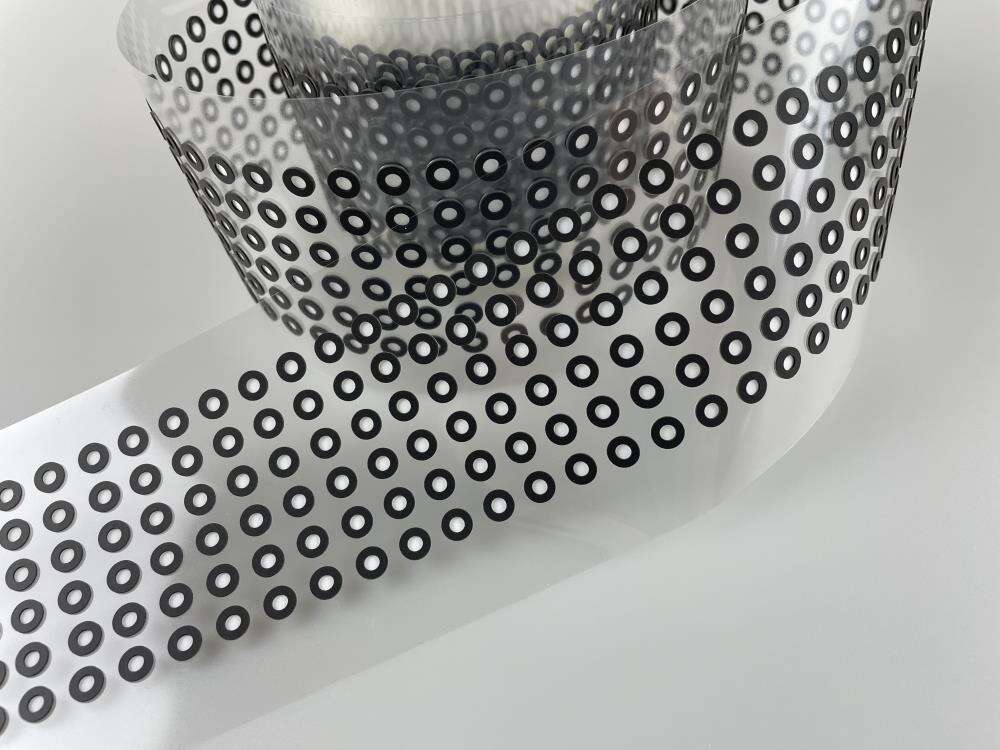
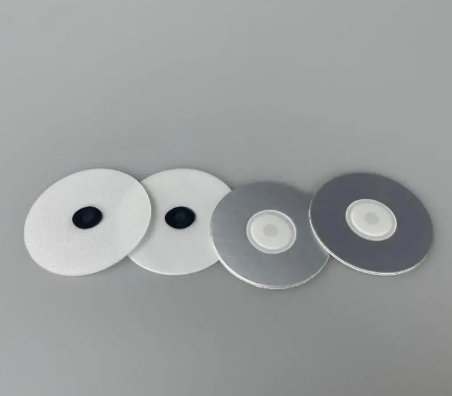
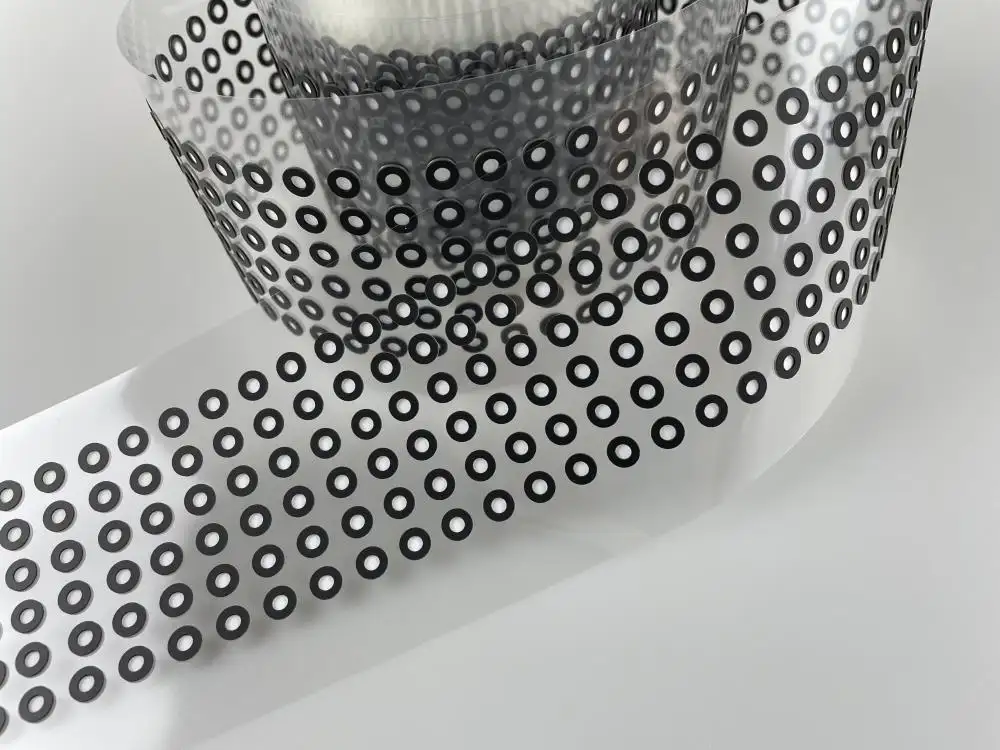
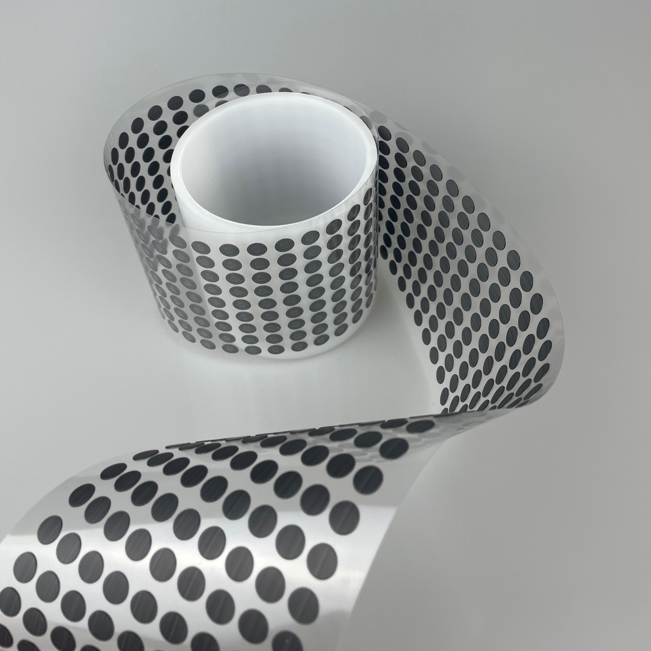
A hydrophobic membrane represents an advanced filtration technology engineered to repel water while maintaining selective permeability for specific applications. These specialized membranes utilize surface modification techniques and material engineering to create surfaces that naturally resist water interaction, making them invaluable in numerous industrial and commercial processes. The hydrophobic membrane operates on the principle of molecular-level water repulsion, achieved through careful manipulation of surface chemistry and pore structure design. The main functions of a hydrophobic membrane include gas separation, vapor recovery, and selective filtration processes where water exclusion is critical. These membranes excel in applications requiring the separation of organic compounds from aqueous solutions, making them essential in pharmaceutical manufacturing, chemical processing, and environmental remediation projects. The technological features of hydrophobic membrane systems include precisely controlled pore sizes, typically ranging from nanometer to micrometer scales, ensuring optimal selectivity for target molecules. Advanced polymer chemistry creates durable surface coatings that maintain water repellency over extended operational periods. The membrane structure incorporates multi-layered designs that enhance mechanical strength while preserving filtration efficiency. Modern hydrophobic membrane technology employs various materials including fluoropolymers, silicones, and specialized ceramic composites, each offering unique performance characteristics. Applications span across diverse industries, from biotechnology laboratories requiring sterile filtration to large-scale industrial facilities processing organic solvents. Water treatment facilities utilize hydrophobic membrane technology for removing volatile organic compounds and recovering valuable chemicals. The semiconductor industry relies on these membranes for ultra-pure processing environments. Food and beverage manufacturers employ hydrophobic membrane systems for aroma recovery and concentration processes. Marine applications include desalination pre-treatment and ballast water management. The versatility of hydrophobic membrane technology continues expanding as new materials and manufacturing techniques emerge, offering improved performance and cost-effectiveness across multiple sectors.

New Products

The hydrophobic membrane offers substantial advantages that directly translate into operational efficiency and cost savings for businesses across multiple industries. First, these membranes provide exceptional selectivity, allowing companies to precisely control which substances pass through while blocking unwanted water contamination. This selectivity reduces downstream processing requirements and minimizes waste generation, leading to significant cost reductions in chemical processing operations. The membrane technology eliminates the need for multiple filtration steps, streamlining production workflows and reducing equipment footprint requirements. Energy consumption decreases substantially compared to traditional separation methods, as hydrophobic membrane systems operate at lower pressures and temperatures. This energy efficiency translates directly into reduced utility costs and smaller carbon footprints for environmentally conscious organizations. Maintenance requirements remain minimal due to the self-cleaning properties inherent in hydrophobic membrane design. The water-repelling surface prevents fouling and scaling that typically plague conventional filtration systems, extending operational periods between cleaning cycles. This reduction in maintenance downtime increases overall system availability and productivity. The hydrophobic membrane demonstrates remarkable durability under harsh chemical conditions, resisting degradation from aggressive solvents and extreme pH environments. This chemical resistance extends membrane lifespan significantly, reducing replacement costs and minimizing production interruptions. Installation flexibility allows integration into existing systems without extensive modifications, reducing capital expenditure for facility upgrades. The compact design of hydrophobic membrane modules saves valuable floor space while delivering superior performance compared to larger traditional separation equipment. Quality control benefits include consistent product purity and reduced batch-to-batch variation, crucial factors for pharmaceutical and specialty chemical manufacturers. The membrane technology enables recovery of valuable compounds that would otherwise be lost, creating additional revenue streams while reducing raw material consumption. Regulatory compliance becomes easier as hydrophobic membrane systems produce cleaner waste streams and reduce environmental impact. The technology supports sustainable manufacturing practices by enabling water recycling and reducing chemical waste generation. Operational safety improves through reduced handling of hazardous chemicals and elimination of high-temperature processes. These combined advantages position hydrophobic membrane technology as a strategic investment for companies seeking to optimize their operations while maintaining competitive advantages in their respective markets.

Tips And Tricks

How Does a Vent PE Liner Improve Packaging Performance?

21

May

How Does a Vent PE Liner Improve Packaging Performance?

Understanding the Role of Vent PE Liners in Packaging What Are Vent PE Liners? Vent PE Liner Incorporates a unique form of packaging to improve performance by allowing reverse gas exchange but keeping out contaminants. They are unlike older lin...
View More
How durable is MicroVent®️ ePTFE membrane in extreme environments?

25

Jun

How durable is MicroVent®️ ePTFE membrane in extreme environments?

Chemical Resistance in Corrosive Environments Resistance to Acids, Bases, and Industrial Solvents The outstanding chemical resistance of ePTFE membranes make them ideal for use in even the most caustic environments. They are stable against&ensp...
View More
What Are the Benefits of Using MicroVENT® screw-in vent bolt for vehicle lamps and LED ?

18

Jul

What Are the Benefits of Using MicroVENT® screw-in vent bolt for vehicle lamps and LED ?

Enhancing Vehicle Lamp Durability with MicroVENT® Screw-in Vent Bolts Vehicle lamps and LED systems are vital components that ensure safety and visibility on the road so it is necessary to use high quality screw-in vent bolt. The longevity and p...
View More
Are MicroVENT®️ Vent Screw Bolts Suitable for Outdoor and Harsh Environments?

28

Aug

Are MicroVENT®️ Vent Screw Bolts Suitable for Outdoor and Harsh Environments?

Understanding the Durability of Advanced Venting Solutions in Challenging Conditions Industrial equipment and enclosures face constant challenges from environmental factors, making proper venting solutions crucial for maintaining operational integrit...
View More

Get a Free Quote

Our representative will contact you soon.
Email
Name
Company Name
Message
0/1000

hydrophobic membrane

Superior Water Repellency for Enhanced Process Control

Superior Water Repellency for Enhanced Process Control

The hydrophobic membrane delivers unparalleled water repellency through advanced surface engineering that creates a molecular barrier against water infiltration. This exceptional characteristic stems from carefully designed surface textures and chemical compositions that naturally repel water molecules while allowing selective passage of other substances. The technology employs specialized fluoropolymer coatings and micro-structured surfaces that achieve contact angles exceeding 120 degrees, ensuring maximum water repulsion efficiency. This superior water repellency translates into precise process control for manufacturing operations where water contamination can compromise product quality or safety. Pharmaceutical companies benefit significantly from this feature, as even trace amounts of water can trigger unwanted chemical reactions or degrade sensitive compounds. The hydrophobic membrane maintains consistent water exclusion across varying pressure and temperature conditions, providing reliable performance throughout diverse operational parameters. Chemical processing facilities utilize this water repellency to maintain product purity while recovering valuable solvents that would otherwise be lost in traditional separation processes. The membrane technology prevents water carryover in organic solvent recovery systems, ensuring recovered materials meet strict quality specifications. Food and beverage manufacturers leverage this capability for aroma compound recovery, where water exclusion preserves delicate flavor profiles that define product characteristics. The consistent water repellency reduces the need for additional drying steps, streamlining production processes and reducing energy consumption. Environmental applications benefit from this feature in groundwater remediation projects, where hydrophobic membrane systems selectively remove organic contaminants while leaving beneficial minerals intact. The technology maintains its water-repelling properties over extended operational periods, resisting degradation from chemical exposure or mechanical stress. Regular cleaning protocols restore original performance levels, ensuring long-term operational reliability. Quality control testing validates consistent water repellency performance, providing manufacturers with confidence in their process outcomes. This superior water repellency represents a fundamental advantage that enables new possibilities in separation technology, allowing companies to achieve previously impossible purification levels while maintaining operational efficiency and cost-effectiveness.
Advanced Selective Permeability for Targeted Separation

Advanced Selective Permeability for Targeted Separation

The hydrophobic membrane incorporates sophisticated selective permeability mechanisms that enable precise molecular separation based on size, polarity, and chemical affinity. This advanced characteristic allows the membrane to discriminate between molecules with remarkable accuracy, facilitating highly efficient separation processes that surpass conventional filtration methods. The selective permeability results from carefully engineered pore structures and surface chemistry modifications that create preferential pathways for target molecules while blocking unwanted substances. Biotechnology applications particularly benefit from this selective permeability, enabling the purification of proteins, enzymes, and other biological compounds without compromising their activity or structure. The hydrophobic membrane design incorporates multiple selection mechanisms working synergistically to achieve separation efficiencies exceeding 99 percent for specific applications. Size exclusion operates at the molecular level, preventing oversized contaminants from passing through while allowing smaller target molecules to permeate freely. Chemical affinity selection enhances separation based on molecular interactions with the membrane surface, creating additional selectivity beyond simple size-based filtering. Pharmaceutical manufacturing processes utilize this selective permeability for active ingredient purification, ensuring final products meet stringent purity requirements while minimizing processing steps. The membrane technology enables separation of structurally similar compounds that prove challenging for traditional methods, opening new possibilities for chemical synthesis and purification. Environmental remediation projects leverage selective permeability to remove specific contaminants while preserving beneficial substances in treated water or soil. The hydrophobic membrane maintains consistent selectivity across varying feed compositions, providing reliable separation performance even when input conditions fluctuate. Research laboratories employ this technology for analytical separations, enabling accurate measurement and characterization of complex mixtures. The selective permeability can be customized through surface modifications and pore size optimization, allowing manufacturers to tailor membrane performance for specific applications. Quality assurance protocols verify separation efficiency and selectivity, ensuring consistent performance across production batches. This advanced selective permeability represents a cornerstone technology that enables industries to achieve separation goals previously considered technically or economically unfeasible, driving innovation and improving product quality across multiple sectors.
Exceptional Chemical Resistance for Long-Term Durability

Exceptional Chemical Resistance for Long-Term Durability

The hydrophobic membrane exhibits outstanding chemical resistance that ensures reliable performance in aggressive chemical environments where conventional materials fail. This exceptional durability stems from advanced polymer chemistry and specialized surface treatments that withstand exposure to acids, bases, organic solvents, and oxidizing agents. The membrane construction utilizes chemically inert materials that resist degradation, swelling, and dissolution under harsh operating conditions. Chemical processing industries particularly value this resistance, as it enables continuous operation in environments containing aggressive chemicals that would quickly destroy standard filtration materials. The hydrophobic membrane maintains structural integrity and performance characteristics even after prolonged exposure to concentrated acids with pH levels below 1 or caustic solutions exceeding pH 13. Organic solvent resistance allows the membrane to function effectively in pure solvent environments, including aromatic hydrocarbons, chlorinated compounds, and polar aprotic solvents. This chemical resistance translates into significantly extended operational lifespans, reducing replacement costs and minimizing production downtime. Pharmaceutical manufacturers benefit from this durability when processing compounds that require harsh cleaning protocols or operate in chemically aggressive synthesis environments. The membrane technology resists oxidative degradation that typically limits the lifespan of conventional materials, maintaining consistent performance in oxidizing atmospheres. Temperature stability complements chemical resistance, allowing operation at elevated temperatures while maintaining chemical immunity. Waste treatment applications leverage this chemical resistance for processing industrial effluents containing multiple contaminants and aggressive chemicals. The hydrophobic membrane withstands cleaning protocols using strong acids, bases, and oxidizing agents, enabling thorough sanitization without membrane damage. Long-term studies demonstrate consistent performance over thousands of operating hours in chemically challenging environments. Material compatibility extends to specialized applications in semiconductor manufacturing, where ultra-pure chemicals and aggressive cleaning agents are routine. The chemical resistance enables membrane reuse after contamination events, providing economic advantages over disposable alternatives. Quality testing protocols verify chemical resistance under accelerated aging conditions, ensuring reliable performance predictions for industrial applications. This exceptional chemical resistance positions the hydrophobic membrane as a superior choice for demanding applications where durability and reliability are paramount, offering customers confidence in their investment while reducing total cost of ownership through extended operational life and reduced maintenance requirements.

Get a Free Quote

Our representative will contact you soon.
Email
Name
Company Name
Message
0/1000