Superior Chemical Resistance and Durability
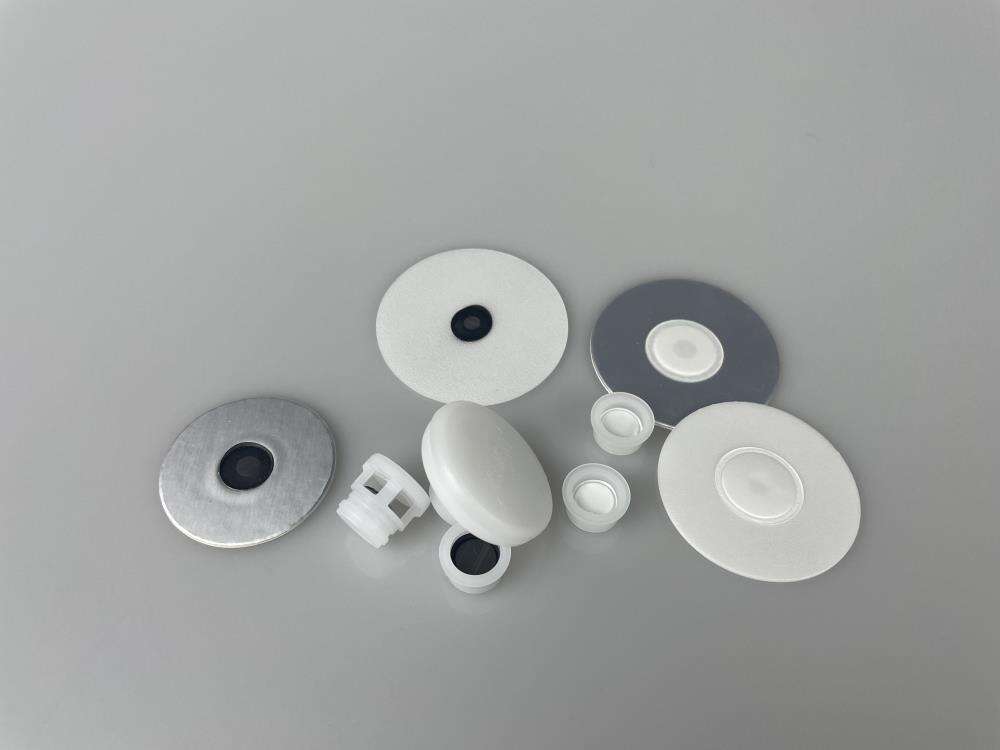
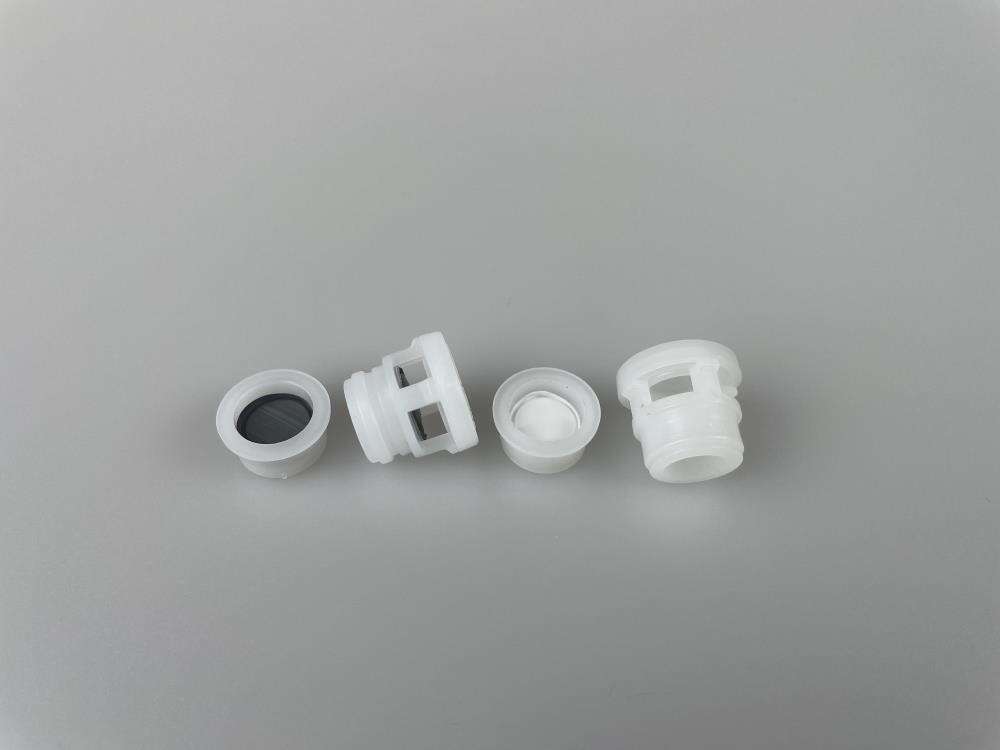
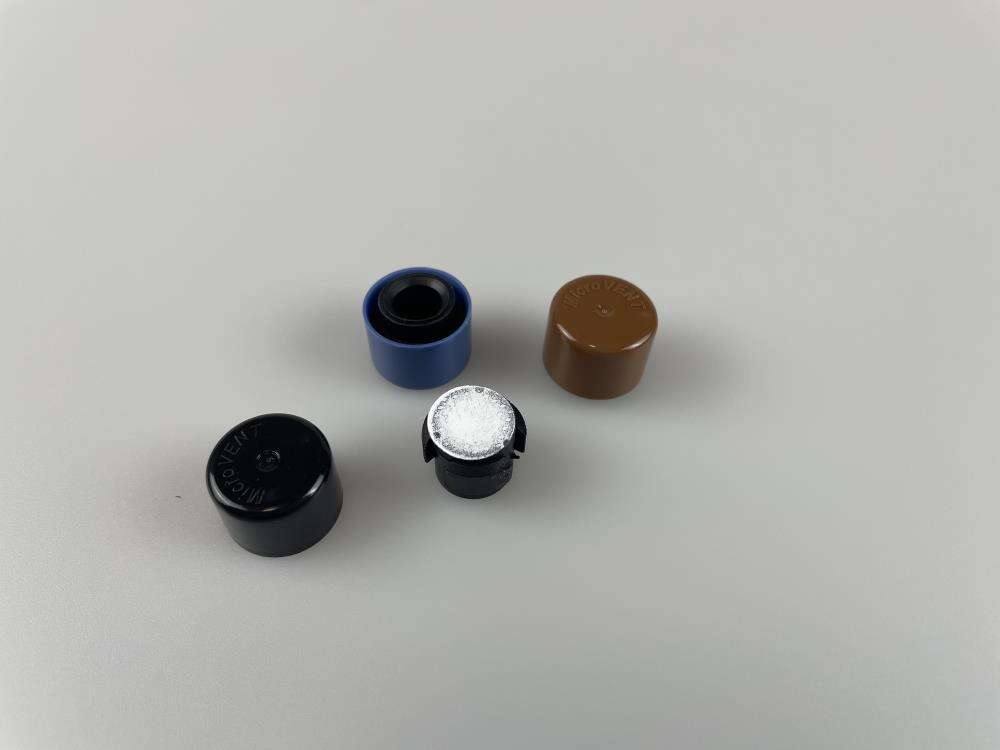
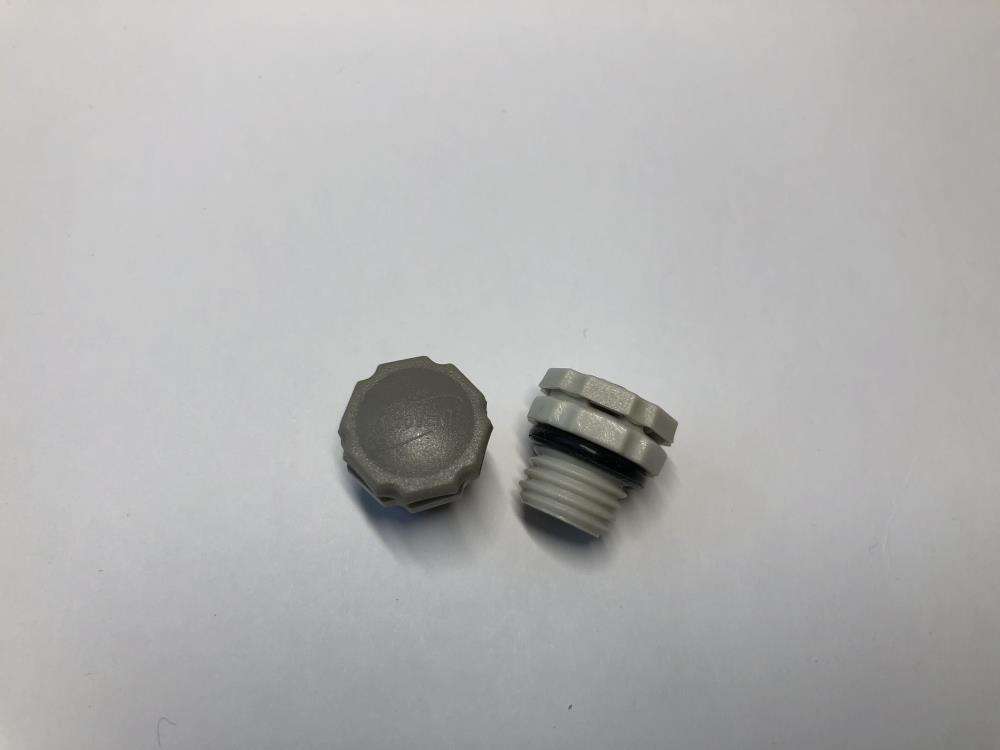
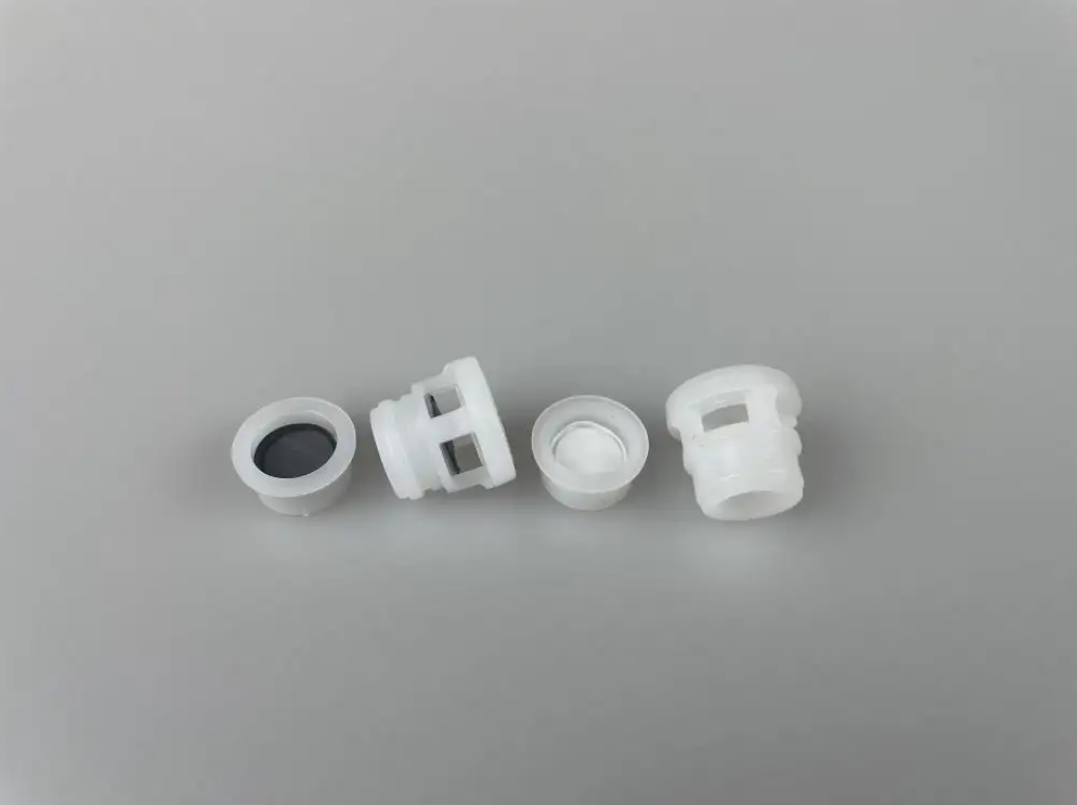
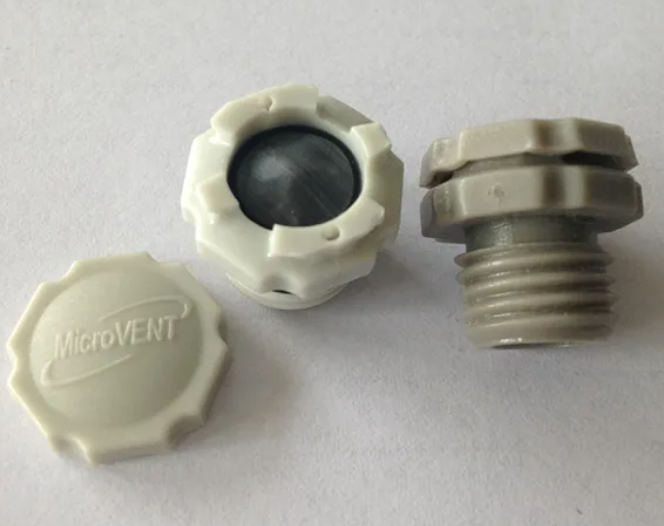
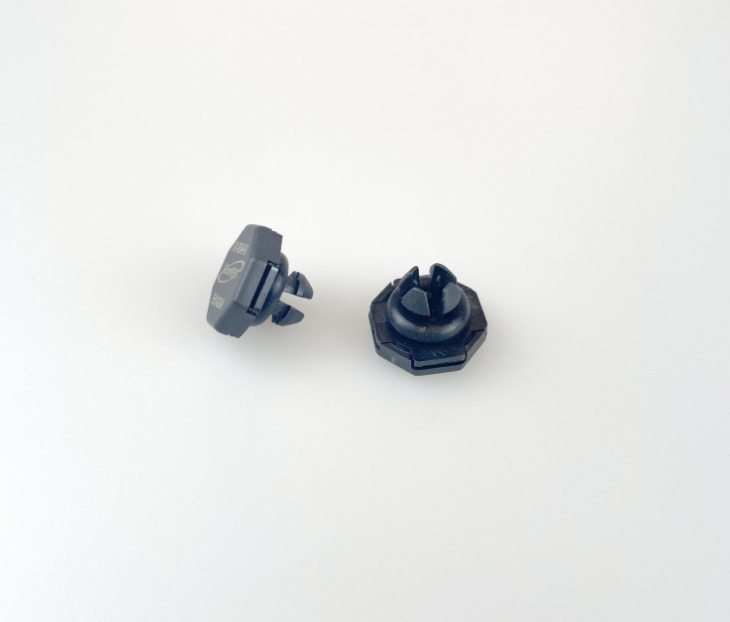
The eptfe snap bolt demonstrates unmatched chemical resistance that sets it apart from conventional fastening solutions in aggressive industrial environments. The expanded polytetrafluoroethylene material exhibits virtually universal chemical compatibility, remaining stable when exposed to concentrated acids, strong bases, organic solvents, and reactive chemicals that would rapidly degrade metal or plastic alternatives. This exceptional resistance stems from the unique molecular structure of ePTFE, which creates an inert barrier that prevents chemical attack at the molecular level. In pharmaceutical manufacturing facilities, where cleaning agents and process chemicals create challenging conditions, the eptfe snap bolt maintains its structural integrity and sealing properties throughout countless exposure cycles. Chemical processing plants benefit from this durability as the fasteners continue performing reliably in environments containing chlorine compounds, sulfuric acid, hydrofluoric acid, and other aggressive substances. The material's resistance extends to oxidizing and reducing environments, making it suitable for applications involving hydrogen peroxide, ozone, and other reactive species. Temperature cycling combined with chemical exposure presents no degradation concerns, as the eptfe snap bolt maintains its properties across the entire operating temperature range while exposed to harsh chemicals. This durability translates to predictable service life and eliminates the costly surprises associated with premature fastener failure. Laboratory environments particularly benefit from this chemical inertness, as the eptfe snap bolt will not contaminate samples or react with test substances, ensuring accurate analytical results. The long-term cost benefits become apparent through reduced maintenance schedules, fewer emergency repairs, and consistent system performance over extended periods. Quality control becomes simplified as operators can rely on consistent fastener performance without worrying about degradation-related variations.
 EN
EN
 AR
AR
 CS
CS
 FR
FR
 DE
DE
 IT
IT
 JA
JA
 KO
KO
 PT
PT
 RU
RU
 ES
ES
 ID
ID
 VI
VI
 TH
TH
 TR
TR
 MS
MS