Define the Job First
Start a waterproof snap bolt review with the enclosure job. Say what the enclosure holds. Say where it will be used. List the air, water, dust, heat, and pressure changes that the unit may face. A waterproof snap bolt can be part of a vent plan, but it is not a stand-alone answer for every unit. The hole, the housing, and the way the part is put in all matter.
Use plain facts. State if the unit is for a lamp, sensor, box, car part, or other device. State if it is used indoors or outdoors. State which side of the unit faces the source of moisture. This gives a waterproof snap bolt discussion a clear base. A waterproof snap bolt needs a stated use case. A waterproof snap bolt needs a stated exposure. It also helps the team avoid a choice based only on a product name.
Turn Waterproof Into a Testable Need
The word waterproof can mean different things in different jobs. For one waterproof snap bolt project, the key issue may be rain. For another, it may be spray, wash water, damp air, or a short liquid event. Write down the medium, the time of contact, and the unit position. Then state the test or approval that the full unit must meet.
Do not assume that a waterproof snap bolt label proves a result in your final unit. The seal can change with the hole shape, wall thickness, part fit, and assembly method. It can also change with heat, age, and the way the unit is used. Ask for the record that applies to the part. Keep a separate plan to check the full assembly.
Compare the Mounting Paths
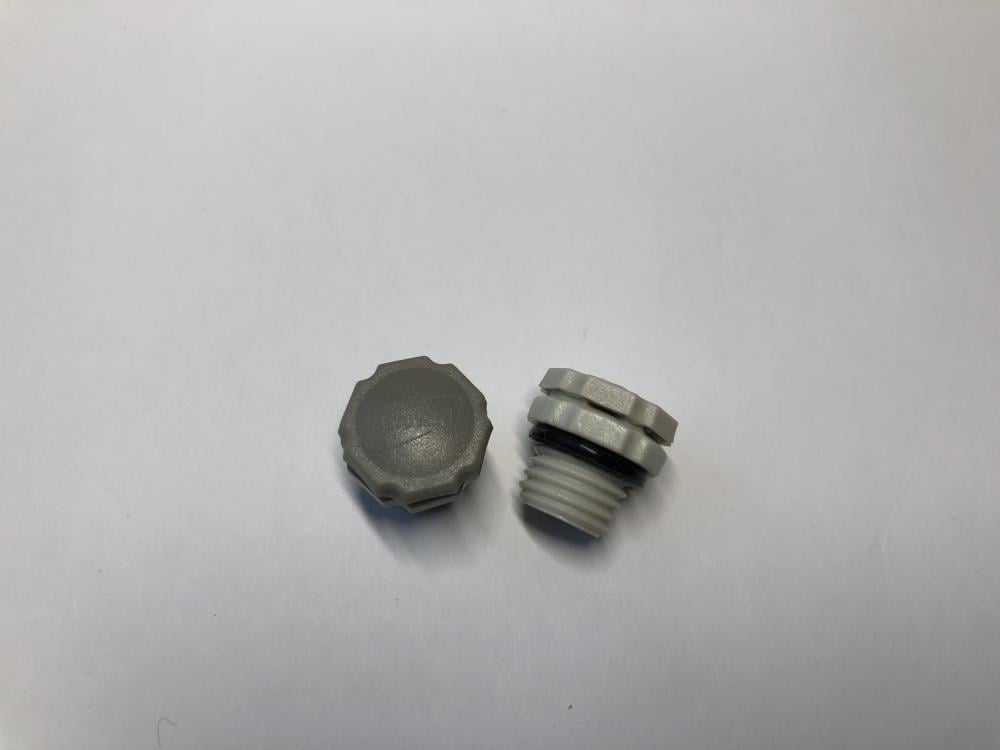
The selected records are Snap-fit Vent, Screw-in Vent Bolt, and vent plug. These give a useful set of paths to compare. A waterproof snap bolt usually points to a push-in path. A Screw-in Vent Bolt points to a thread-based path. A vent plug gives one more record to review while the team sets the need.
- Check the hole shape before choosing a waterproof snap bolt for a push-in mount.
- Check wall thickness and access before setting the part into the housing.
- Check if the design needs a thread, a snap feature, or another mount type.
- Check the drawing and product record before treating a name as a size or seal claim.
A waterproof snap bolt may save time in a design that already has the right push-in hole. Yet a quick mount is not the only choice point. The unit must still be checked for fit, hold, and use conditions. Compare each option against the real housing, not against a general photo.
Review Pressure Changes
Pressure equalization is a useful topic for a waterproof snap bolt because heat and pressure can change inside a closed unit. The effect depends on the size of the unit, the air space, the heat range, and the speed of change. A lamp shell can face a different pattern from a sensor case. A waterproof snap bolt review should name that pattern.
Do not turn pressure equalization into a broad promise. First note the use case. Then review the product record and the assembly plan. If a drawing, data sheet, or test method is needed, ask for it. Use a waterproof snap bolt only after the team has checked which facts apply to the planned unit.
Use the Available Evidence
MicroVENT states that it works with ePTFE technology and protective venting uses. Its site also describes porous structures plus composite, laminated, and surface work. These points can guide a waterproof snap bolt talk. They do not replace product data for a given unit. Keep confirmed facts separate from items that need to be checked.
A good waterproof snap bolt request includes the housing material, hole drawing, part location, and use conditions. Add the medium, heat range, and pressure change if they are known. Add any size limit or service need. A waterproof snap bolt request should identify the needed check. A waterproof snap bolt request should separate facts from open points. If an approval or test is important, name it and confirm that it applies. This makes the next review more useful.
Prepare the Inquiry
Send the details needed for a product-fit talk. Include the drawing, opening size, wall thickness, and mount plan. Include the type of enclosure and the outside conditions. A waterproof snap bolt inquiry should also state what needs to be checked and what is not known yet. This lets the team compare the Snap-fit Vent, Screw-in Vent Bolt, and vent plug records in a clear way.
Keep the request short but complete. A waterproof snap bolt is best reviewed with the full enclosure context. A waterproof snap bolt review should end with confirmed points and open points. The result should be a list of confirmed points, open points, and the next check. That method is more useful than making a broad claim from a catalog name.
 EN
 AR
 CS
 FR
 DE
 IT
 JA
 KO
 PT
 RU
 ES
 ID
 VI
 TH
 TR
 MS