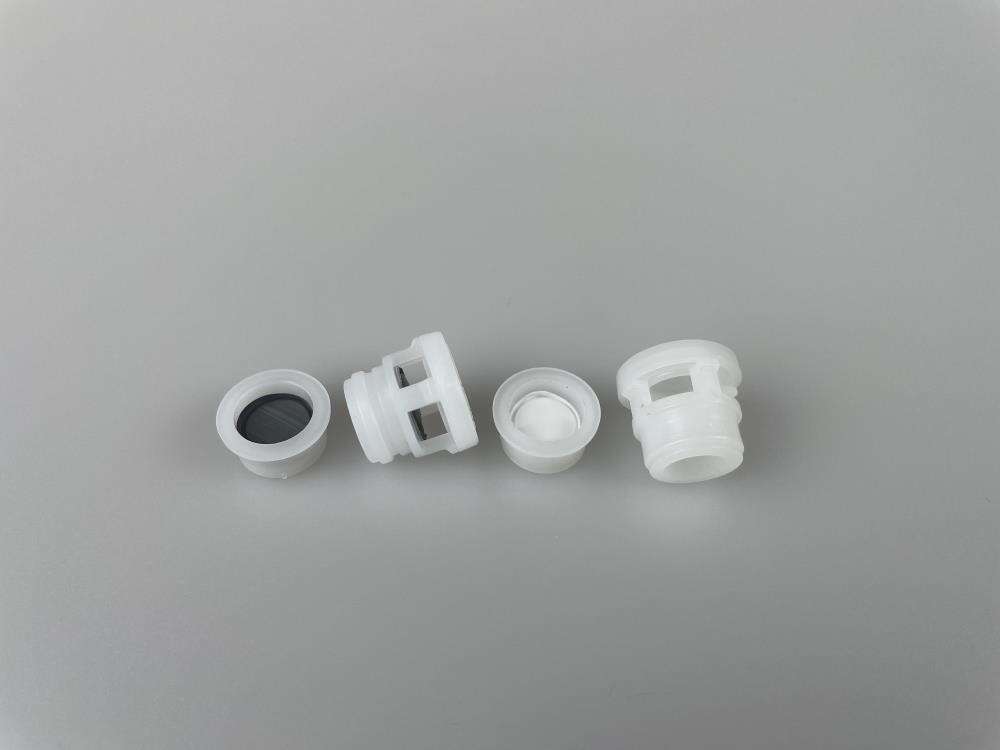
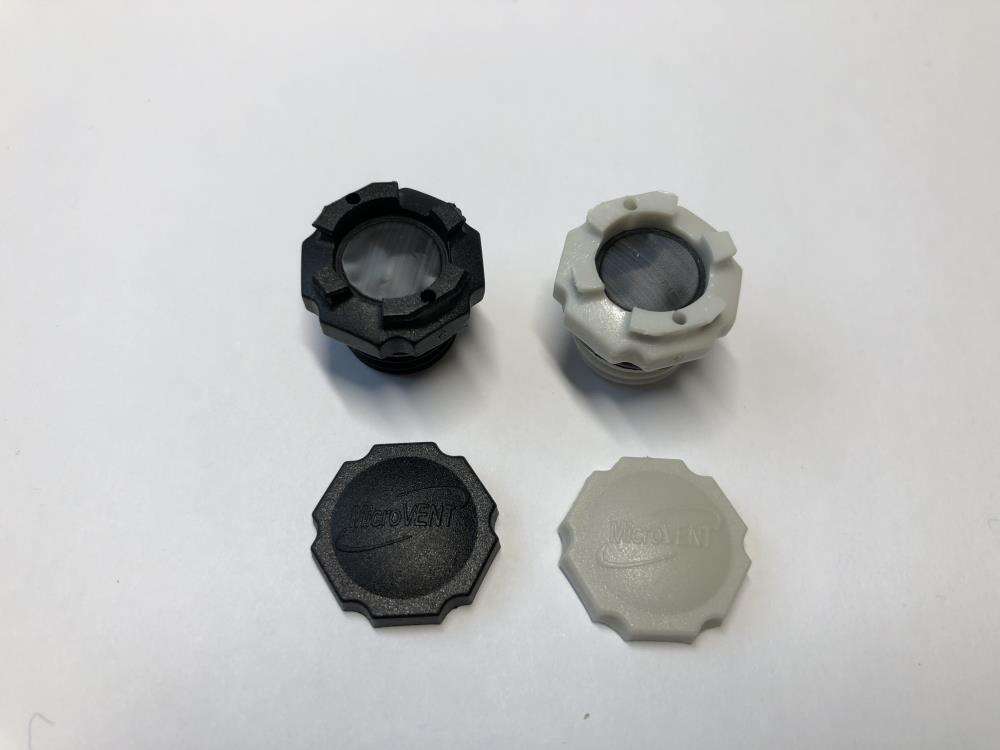
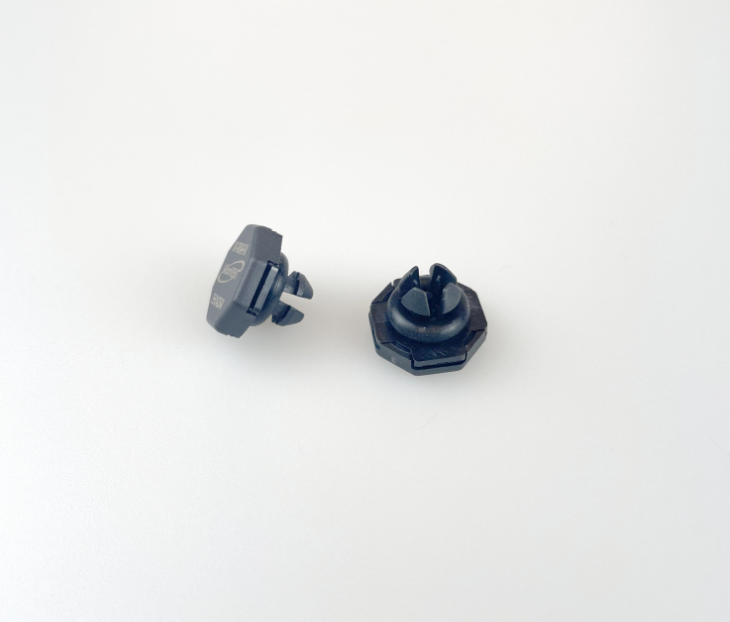
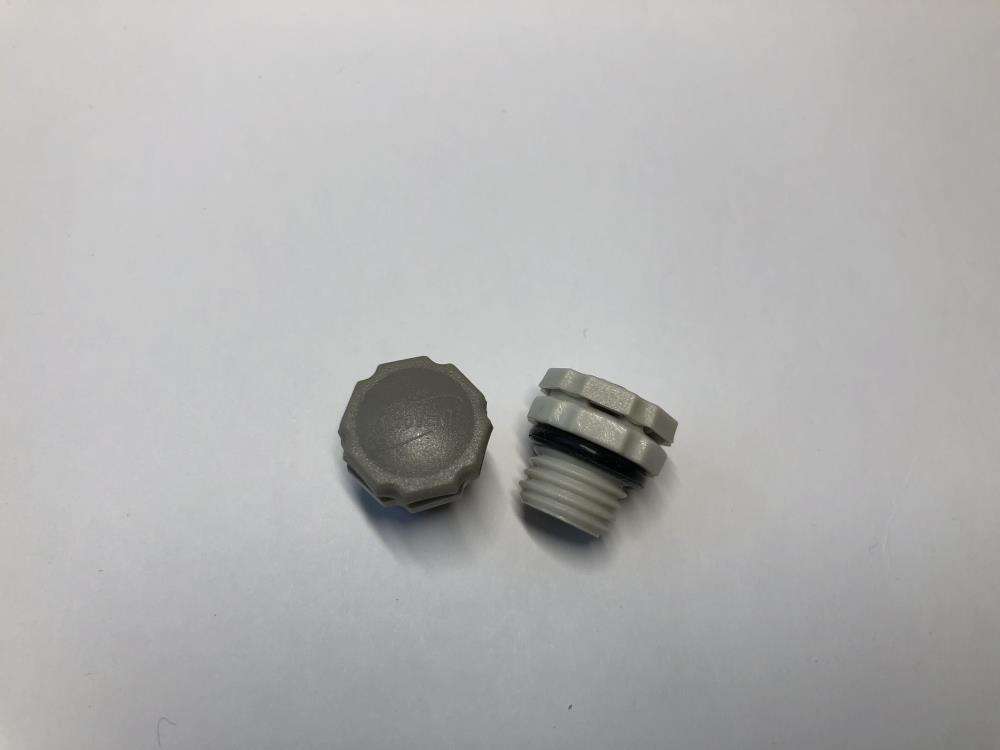
Gas Release Bolt: Advanced Pressure Control Solutions for Industrial Applications

All Categories

Get a Free Quote

Our representative will contact you soon.
Email
Name
Company Name
Message
0/1000

gas release bolt

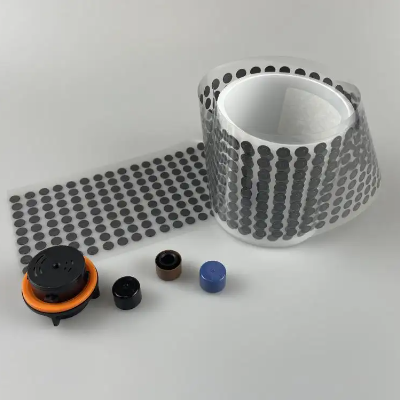
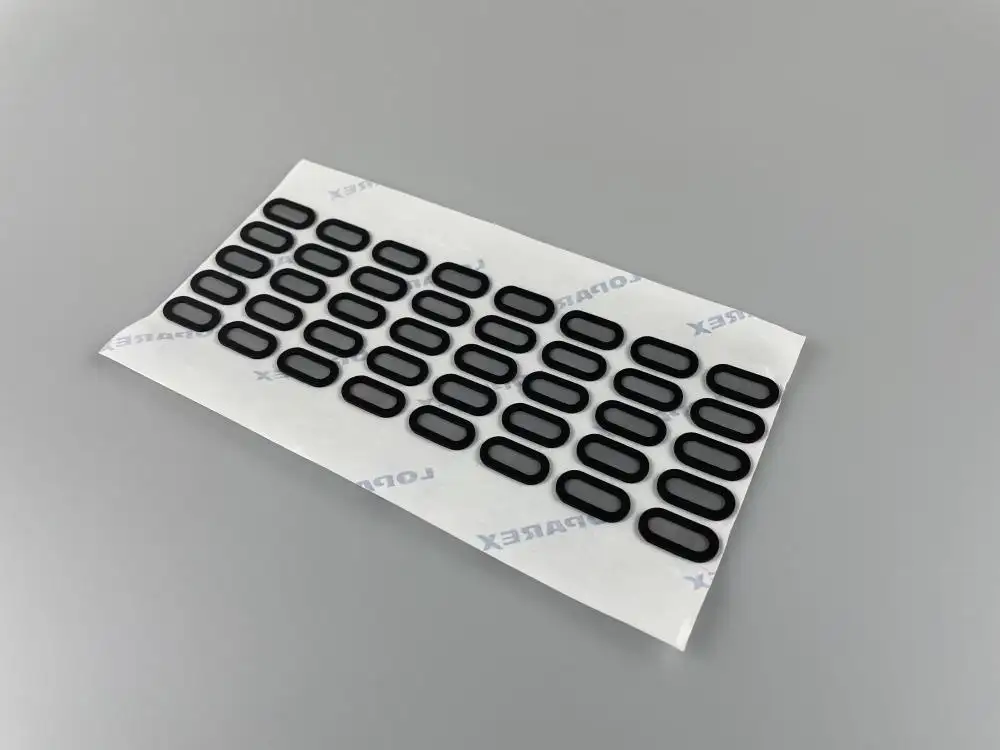
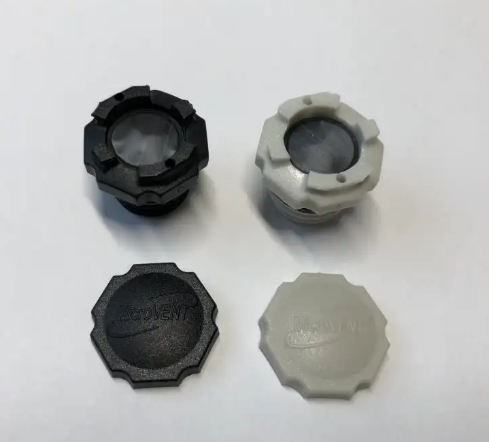
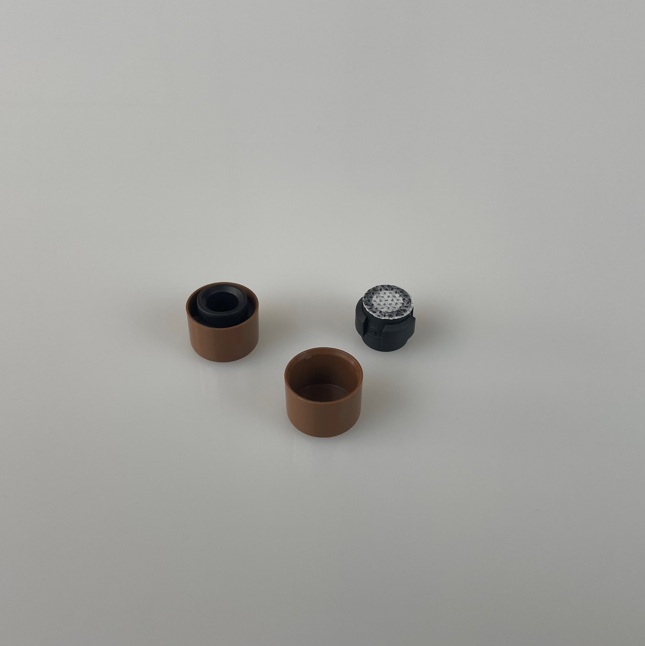
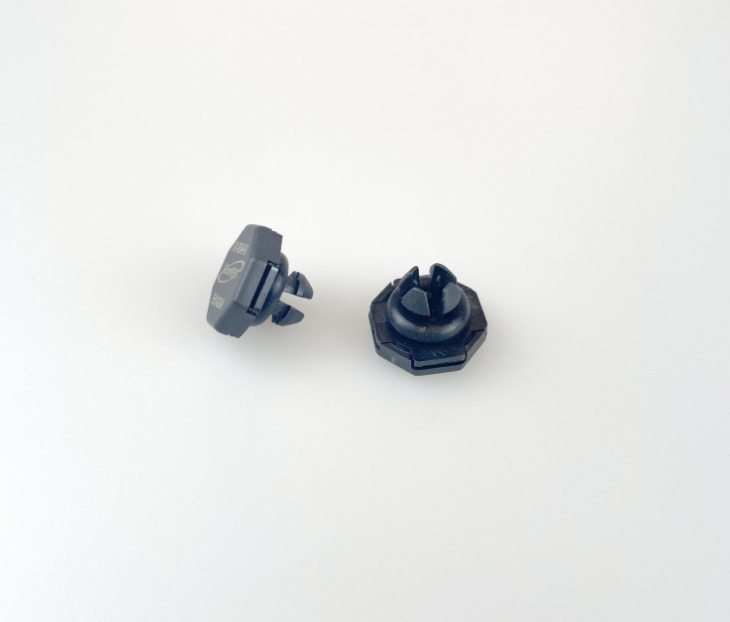
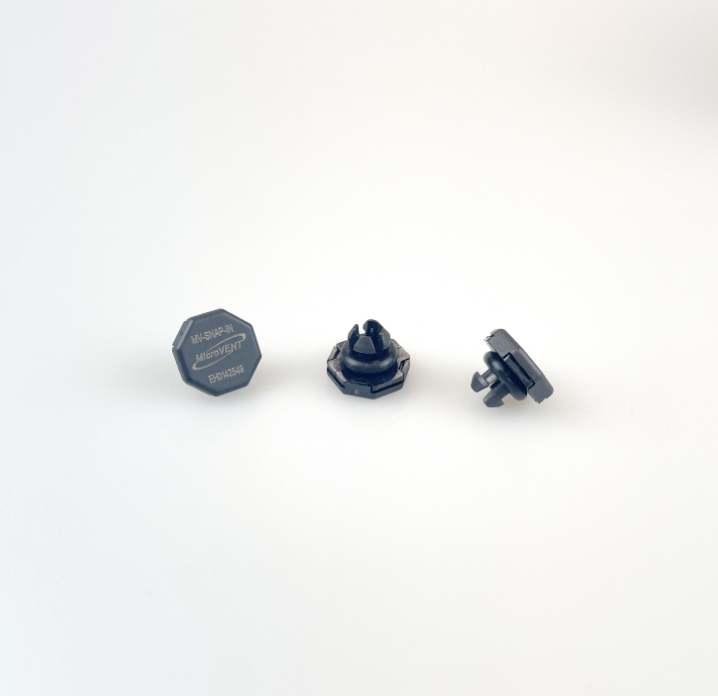
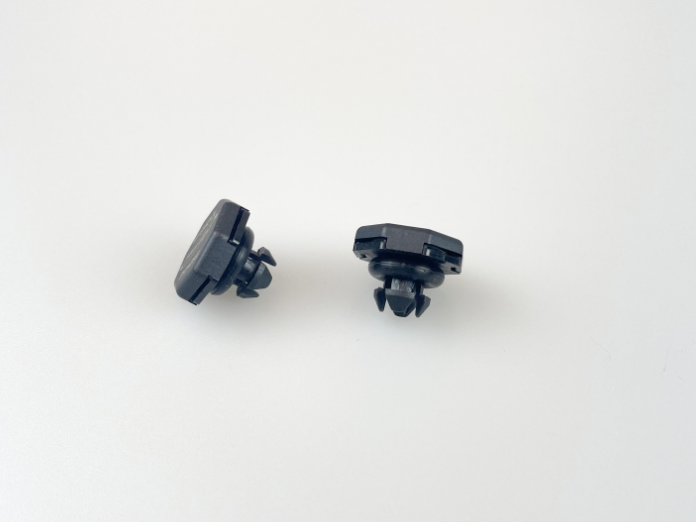
The gas release bolt represents a sophisticated engineering solution designed to provide controlled pressure relief in critical industrial applications. This specialized fastener combines the structural integrity of conventional bolting systems with advanced pressure management capabilities, making it an essential component in high-pressure environments. The gas release bolt functions as both a mechanical fastener and a safety device, incorporating precision-engineered channels or valves that allow for the controlled discharge of pressurized gases when predetermined thresholds are reached. The primary function of a gas release bolt centers on maintaining system safety while preserving operational efficiency. These bolts are manufactured using high-grade materials such as stainless steel, carbon steel, or specialized alloys that can withstand extreme temperatures and corrosive environments. The technological features include precision-machined threads, integrated sealing mechanisms, and calibrated release ports that ensure consistent performance under varying operational conditions. The gas release bolt design incorporates multiple safety features, including pressure-sensitive components that activate automatically when system pressures exceed safe operating limits. This automated response capability eliminates the need for manual intervention during emergency situations, significantly reducing response time and potential safety risks. Applications for gas release bolts span numerous industries, including oil and gas processing, chemical manufacturing, power generation, and aerospace systems. In petrochemical facilities, these bolts serve critical roles in pipeline connections, pressure vessel assemblies, and processing equipment where sudden pressure variations could pose significant safety hazards. The gas release bolt also finds extensive use in steam generation systems, where thermal expansion and pressure fluctuations require precise control mechanisms. Manufacturing facilities utilize these specialized bolts in reactor vessels, distillation columns, and storage tanks where volatile substances are processed or stored. The aerospace industry employs gas release bolts in fuel systems, hydraulic assemblies, and pressurized cabin components where reliability and precision are paramount to operational safety and performance standards.

New Product Recommendations

The gas release bolt offers numerous practical benefits that directly impact operational efficiency and safety protocols in industrial environments. These specialized fasteners provide automatic pressure regulation, eliminating the need for constant monitoring and manual intervention during normal operations. This automation reduces labor costs and minimizes human error risks associated with manual pressure management systems. The gas release bolt design ensures consistent performance across varying temperature ranges and environmental conditions, providing reliable operation whether installed in arctic conditions or high-temperature industrial processes. The integrated safety features of the gas release bolt prevent catastrophic system failures by providing controlled pressure relief before dangerous levels are reached. This proactive approach to pressure management protects expensive equipment, reduces maintenance costs, and prevents costly production downtime. The precise engineering of these bolts ensures that pressure release occurs at predetermined levels, maintaining system integrity while preventing over-pressurization that could damage connected components or compromise structural integrity. Installation versatility represents another significant advantage of the gas release bolt system. These bolts can be retrofitted into existing systems without requiring extensive modifications to current infrastructure. The standardized threading and connection specifications allow for seamless integration with conventional bolting systems, reducing installation time and associated costs. The gas release bolt requires minimal maintenance compared to complex pressure relief valve systems, resulting in lower long-term operational expenses and reduced maintenance scheduling requirements. The durability of gas release bolt construction ensures extended service life even in harsh operating environments. The corrosion-resistant materials and protective coatings maintain functionality and appearance over extended periods, reducing replacement frequency and associated costs. These bolts maintain their calibrated pressure settings throughout their operational life, ensuring consistent performance without requiring frequent recalibration or adjustment procedures. The gas release bolt system provides enhanced safety margins compared to traditional pressure management methods. The fail-safe design ensures that even if primary pressure control systems malfunction, the gas release bolt will activate to prevent dangerous pressure accumulation. This redundancy improves overall system reliability and provides additional protection for personnel and equipment. The compact design of the gas release bolt allows installation in space-constrained environments where larger pressure relief systems would be impractical or impossible to implement effectively.

Tips And Tricks

Why industries use MicroVent®️ ePTFE membranes for auto-lamps?

25

Jun

Why industries use MicroVent®️ ePTFE membranes for auto-lamps?

Preventing Condensation in Auto Lamps with ePTFE Membranes Material Science Behind Pressure Equalization ePTFE membranes are renowned for their exceptional ability to allow gases to pass while effectively blocking liquids at a molecular level. This ...
View More
How does MicroVent®️ ePTFE membrane compare to other filtration materials?

25

Jun

How does MicroVent®️ ePTFE membrane compare to other filtration materials?

ePTFE Membrane Manufacturing Process vs. Conventional Materials Proprietary Stretching vs. Basic PTFE Production The manufacturing of ePTFE membranes uses a proprietary stretching technique that significantly enhances the material's flexibility and ...
View More
How does a MicroVENT® screw-in vent bolt compare to a traditional bolt?

18

Jul

How does a MicroVENT® screw-in vent bolt compare to a traditional bolt?

Comparing Smart Venting and Standard Fastening Solutions The Limitations of Traditional Bolts Traditional bolts have long served as essential mechanical fasteners in industrial applications. Designed primarily for structural stability, these bolts p...
View More
How to Install a MicroVENT®️ Vent ePTFE Membrane for Acoustic Applications

28

Aug

How to Install a MicroVENT®️ Vent ePTFE Membrane for Acoustic Applications

Essential Guide to Acoustic Membrane Installation The installation of a MicroVENT vent ePTFE membrane represents a crucial step in optimizing acoustic performance while maintaining proper pressure equalization in electronic devices. This comprehensiv...
View More

Get a Free Quote

Our representative will contact you soon.
Email
Name
Company Name
Message
0/1000

gas release bolt

Advanced Pressure Control Technology

Advanced Pressure Control Technology

The gas release bolt incorporates cutting-edge pressure control technology that sets it apart from conventional fastening solutions in industrial applications. This sophisticated system utilizes precision-engineered internal mechanisms that respond automatically to pressure variations, providing real-time protection against dangerous over-pressurization events. The technology behind the gas release bolt involves carefully calibrated spring-loaded components, precision-machined orifices, and specialized sealing elements that work together to create a reliable and repeatable pressure relief system. The internal pressure sensing mechanism of the gas release bolt operates without external power sources or electronic controls, relying instead on mechanical principles that ensure consistent operation even in environments where electrical systems might fail or be unavailable. This mechanical reliability makes the gas release bolt particularly valuable in remote installations or hazardous environments where electronic systems might be compromised by extreme temperatures, electromagnetic interference, or explosive atmospheres. The pressure control technology integrated into each gas release bolt undergoes rigorous testing and calibration during manufacturing to ensure precise activation pressures and consistent performance characteristics. The manufacturing process involves specialized machinery that creates the internal components to exact specifications, ensuring that each gas release bolt meets strict quality standards and performance requirements. The advanced materials used in the gas release bolt construction include specialized alloys and surface treatments that maintain their mechanical properties even after repeated activation cycles, ensuring long-term reliability and consistent performance throughout the operational life of the component. The pressure control system within the gas release bolt can be customized to meet specific application requirements, with activation pressures ranging from low-pressure applications to high-pressure industrial systems, making it suitable for diverse industrial environments and operational requirements.
Superior Material Engineering and Durability

Superior Material Engineering and Durability

The gas release bolt showcases exceptional material engineering that delivers unmatched durability and performance in demanding industrial environments. The construction utilizes premium-grade materials selected specifically for their ability to withstand extreme operating conditions while maintaining structural integrity and functional reliability over extended service periods. The material composition of the gas release bolt typically includes high-strength stainless steel alloys, specialized carbon steels, and advanced composite materials that provide superior resistance to corrosion, thermal cycling, and mechanical stress. The surface treatments applied to gas release bolt components include specialized coatings that enhance corrosion resistance, reduce friction, and improve overall longevity in harsh operating environments. These protective treatments undergo extensive testing to ensure compatibility with various chemical environments and operating temperatures commonly encountered in industrial applications. The metallurgical properties of the gas release bolt materials are carefully controlled during manufacturing to ensure consistent mechanical properties, including tensile strength, yield strength, and fatigue resistance that exceed industry standards for critical fastening applications. The heat treatment processes used in gas release bolt manufacturing optimize the material properties to provide maximum durability while maintaining the precise dimensional tolerances required for proper pressure control function. Quality control procedures during gas release bolt production include comprehensive material testing, dimensional verification, and performance validation to ensure that each component meets stringent specifications for industrial use. The material engineering of the gas release bolt extends to the internal components, where specialized alloys and precision manufacturing techniques create durable sealing surfaces and pressure-sensitive elements that maintain their calibrated settings throughout multiple activation cycles. The superior material engineering of the gas release bolt translates directly into extended service life, reduced maintenance requirements, and improved operational reliability compared to conventional pressure relief systems that may require frequent replacement or recalibration.
Versatile Installation and Integration Capabilities

Versatile Installation and Integration Capabilities

The gas release bolt demonstrates exceptional versatility in installation and integration applications, making it an ideal solution for diverse industrial environments and system configurations. This adaptability stems from the standardized design approach that ensures compatibility with existing infrastructure while providing the flexibility needed for custom applications and specialized requirements. The gas release bolt features standard threading specifications that align with conventional fastening systems, allowing for direct replacement of existing bolts without requiring modifications to flanges, mounting surfaces, or connection hardware. This compatibility significantly reduces installation time and costs associated with system upgrades or pressure relief system installations. The modular design of the gas release bolt system allows for easy integration into both new construction projects and retrofit applications, providing engineers with flexible solutions for pressure management challenges across various industries and applications. The installation process for gas release bolt systems requires minimal specialized tools or training, as the components utilize familiar fastening techniques while incorporating the advanced pressure relief functionality. This simplicity reduces installation errors and ensures proper system performance while minimizing the learning curve for maintenance personnel and installation technicians. The gas release bolt can be configured for various mounting orientations and positions, providing design flexibility for space-constrained installations or applications where specific positioning requirements must be met for optimal performance. The standardized connection interfaces of the gas release bolt system facilitate integration with existing monitoring and control systems, allowing for remote monitoring of pressure conditions and system status when required by operational protocols. The versatile design accommodates various pressure media types, including gases, steam, and compatible liquids, making the gas release bolt suitable for diverse process applications across multiple industries. The integration capabilities extend to compatibility with various pipe sizes, flange types, and connection standards commonly used in industrial applications, ensuring that the gas release bolt can be incorporated into existing systems without requiring extensive modifications or custom adapters that might complicate installation or maintenance procedures.

Get a Free Quote

Our representative will contact you soon.
Email
Name
Company Name
Message
0/1000