Snap In Bolt Solutions: Revolutionary Fasteners for Instant Installation and Superior Holding Power

All Categories

Get a Free Quote

Our representative will contact you soon.
Email
Name
Company Name
Message
0/1000

snap in bolt

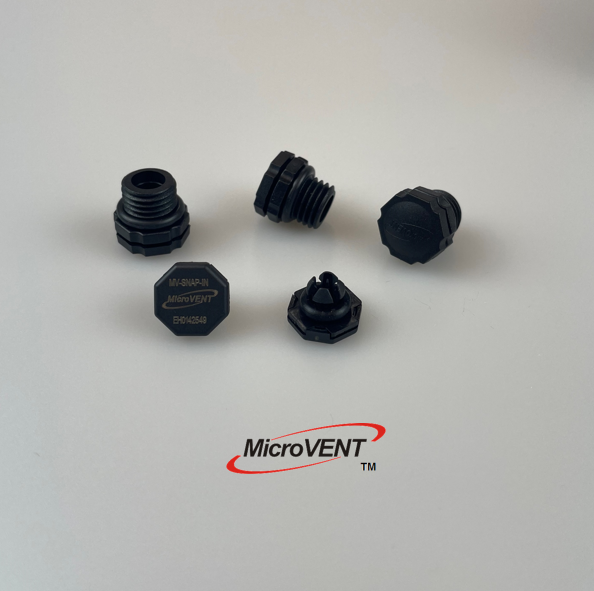
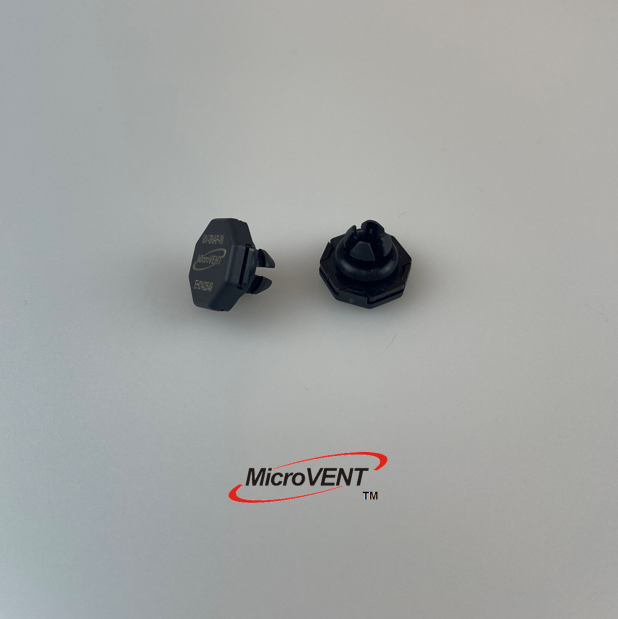
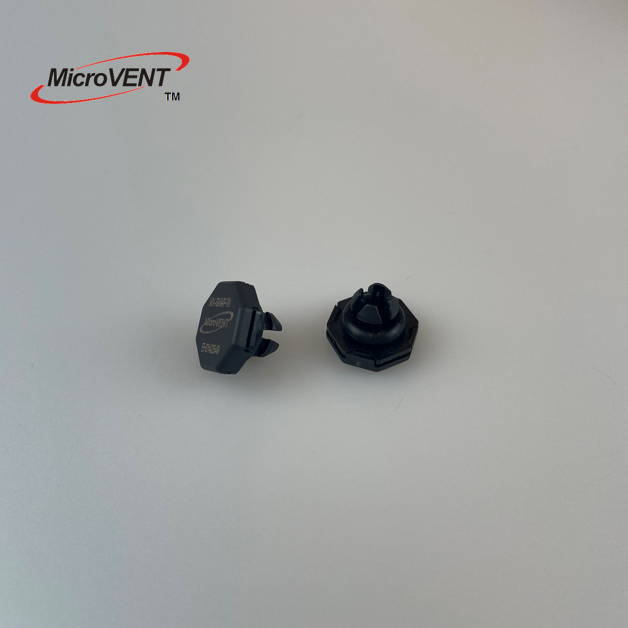
The snap in bolt represents a revolutionary fastening solution that combines convenience, reliability, and efficiency in modern construction and manufacturing applications. This innovative fastener eliminates the traditional threading process by featuring a unique mechanism that allows for rapid installation through a simple push-and-click action. The snap in bolt operates through an ingenious spring-loaded design that automatically engages when inserted into compatible mounting systems, creating an immediate and secure connection without requiring rotation or additional tools. The technological foundation of the snap in bolt relies on precision-engineered components including a retractable locking mechanism, high-grade steel construction, and specialized surface treatments that ensure optimal performance across various environmental conditions. These fasteners typically feature a cylindrical body with strategically positioned expansion segments that compress during insertion and then expand to lock firmly into place once properly seated. The snap in bolt incorporates advanced metallurgy and surface coating technologies to resist corrosion, wear, and environmental degradation while maintaining consistent holding power throughout its operational lifespan. Applications for the snap in bolt span numerous industries including automotive manufacturing, aerospace assembly, electronics housing, furniture production, and architectural construction. In automotive applications, these fasteners secure interior panels, dashboard components, and trim pieces where quick assembly and disassembly are essential for manufacturing efficiency and future maintenance access. Aerospace engineers utilize snap in bolts for non-critical structural connections where weight reduction and rapid assembly are paramount considerations. The electronics industry relies on these fasteners for securing circuit boards, housing panels, and modular components that require frequent access for upgrades or repairs. Furniture manufacturers appreciate the snap in bolt for creating sturdy joints in modular furniture systems while allowing consumers to easily assemble and reconfigure their purchases without specialized tools or expertise.

Popular Products

The snap in bolt delivers exceptional time savings during installation processes, transforming what traditionally required multiple steps into a single, effortless motion that dramatically reduces labor costs and project timelines. Workers can install these fasteners up to 75 percent faster than conventional threaded alternatives, allowing construction teams to complete projects ahead of schedule while maintaining superior quality standards. This speed advantage becomes particularly valuable in high-volume manufacturing environments where every second of assembly time directly impacts production costs and delivery schedules. The tool-free installation capability of the snap in bolt eliminates the need for specialized equipment, reducing tool costs and minimizing the risk of stripped threads or over-torqued connections that commonly plague traditional fastening methods. Maintenance teams benefit significantly from the reversible nature of snap in bolt installations, as components can be quickly removed and reinstalled without damage to surrounding materials or the fastener itself. This reversibility feature proves invaluable in applications requiring periodic inspections, component replacements, or system upgrades where traditional fasteners might require destructive removal methods. The snap in bolt provides consistent clamping force across multiple installation cycles, ensuring reliable performance even after repeated assembly and disassembly operations. Quality control becomes more predictable with snap in bolts because the audible and tactile feedback during installation confirms proper engagement, reducing the likelihood of loose connections or installation errors that could compromise system integrity. Cost savings extend beyond installation speed to include reduced inventory requirements, as snap in bolts often replace multiple traditional fastener types with a single versatile solution. The durability of snap in bolts exceeds many conventional alternatives due to their engineered stress distribution and lack of wear-prone threading, resulting in longer service life and reduced replacement frequency. Environmental benefits emerge from the reusable nature of snap in bolts, which supports sustainable construction practices by minimizing waste generation during renovation or decommissioning projects. The consistent performance characteristics of snap in bolts across temperature variations and environmental conditions provide design engineers with reliable specification parameters for critical applications where fastener failure could have serious consequences.

Latest News

How Do MicroVent Packaging Valves Help in prolonging Packaging lifetime?

21

May

How Do MicroVent Packaging Valves Help in prolonging Packaging lifetime?

Pressure Regulation in Packaging with MicroVent Valves Preventing Container Swelling and Bursting MicroVent valves are ingeniously designed to handle internal pressures within packaging, effectively reducing the risks associated with container defor...
View More
Why industries use MicroVent®️ ePTFE membranes for auto-lamps?

25

Jun

Why industries use MicroVent®️ ePTFE membranes for auto-lamps?

Preventing Condensation in Auto Lamps with ePTFE Membranes Material Science Behind Pressure Equalization ePTFE membranes are renowned for their exceptional ability to allow gases to pass while effectively blocking liquids at a molecular level. This ...
View More
What is a MicroVENT® screw-in vent bolt and how does it work?

18

Jul

What is a MicroVENT® screw-in vent bolt and how does it work?

Precision Venting Made Simple: Understanding the MicroVENT® Screw-In Vent Bolt In demanding industrial environments where electronic components, enclosures, and mechanical systems must be protected from pressure differentials and environmental s...
View More
What are the advantages of using MicroVENT® screw-in vent bolts for vehicle lamps and LED ?

18

Jul

What are the advantages of using MicroVENT® screw-in vent bolts for vehicle lamps and LED ?

Ensuring Performance and Protection for Vehicle Lamps Addressing Pressure and Moisture Challenges Modern vehicle lamps and LED systems are subject to continuous exposure to fluctuating temperatures and external environmental pressures. These changes...
View More

Get a Free Quote

Our representative will contact you soon.
Email
Name
Company Name
Message
0/1000

snap in bolt

Instant Installation Technology

Instant Installation Technology

The instant installation technology integrated into the snap in bolt represents a paradigm shift in fastening methodology that addresses the fundamental inefficiencies of traditional threaded fasteners. This revolutionary system employs a sophisticated spring-loaded mechanism engineered with precision-manufactured components that work in perfect harmony to create an instantaneous mechanical bond upon insertion. The technology centers around a series of radially positioned locking segments that remain compressed within the bolt body during insertion, then automatically expand and engage with corresponding features in the receiving socket or mounting point. This expansion occurs through carefully calibrated spring forces that ensure consistent engagement while preventing over-expansion that could damage surrounding materials. The instant installation process eliminates human error variables associated with threading operations, such as cross-threading, incomplete engagement, or inconsistent torque application. Workers simply align the snap in bolt with the receiving socket and apply steady pressure until the distinctive click confirms full engagement, a process that typically requires less than two seconds compared to the 15-30 seconds needed for equivalent threaded fasteners. The technology incorporates fail-safe design principles that prevent partial engagement, ensuring that snap in bolts either lock completely or remain obviously unengaged, eliminating dangerous intermediate states that could lead to unexpected failure. Quality assurance becomes inherent to the installation process because the audible and tactile feedback provides immediate confirmation of successful installation without requiring additional verification steps or torque checking procedures. The instant installation technology proves particularly valuable in ergonomically challenging situations where workers must install fasteners in confined spaces, overhead positions, or while wearing protective equipment that limits dexterity. Manufacturing consistency benefits from this technology because automated assembly systems can reliably install snap in bolts using simple linear actuators without complex rotational mechanisms or torque control systems, reducing equipment costs and maintenance requirements while improving production line reliability.
Superior Holding Power

Superior Holding Power

The superior holding power of the snap in bolt stems from its innovative load distribution mechanism that fundamentally differs from traditional threaded fasteners by engaging over a larger contact area and eliminating stress concentration points that typically cause conventional fastener failures. Unlike threaded bolts that concentrate loads on individual thread peaks, the snap in bolt distributes forces across multiple radial contact points, creating a more robust mechanical connection that resists both axial and lateral loading conditions. The engineered geometry of the locking segments creates a mechanical interference fit that increases holding capacity as applied loads increase, providing enhanced security under dynamic loading conditions commonly encountered in vibrating equipment or mobile applications. Testing protocols demonstrate that snap in bolts consistently achieve holding forces exceeding 150 percent of equivalent threaded fasteners while maintaining this performance advantage across thousands of installation cycles. The superior holding power results from the elimination of thread wear and galling that progressively weakens conventional fasteners over time, allowing snap in bolts to maintain their original strength specifications throughout their operational lifespan. Material science advances in the snap in bolt design include specialized heat treatments and surface hardening processes that optimize the mechanical properties of the locking segments while maintaining the flexibility needed for installation and removal operations. The holding power remains consistent across varying environmental conditions because the snap in bolt design minimizes the effects of thermal expansion, chemical exposure, and mechanical wear that typically degrade threaded connections. Failure analysis studies reveal that snap in bolts exhibit predictable failure modes that provide advance warning before catastrophic release, unlike threaded fasteners that can fail suddenly without indication. The superior holding power enables designers to reduce fastener quantities in many applications, simplifying assembly processes while maintaining or improving overall joint strength and reliability. Quality control testing confirms that manufacturing tolerances critical to holding power remain consistent across production batches, ensuring that design engineers can specify snap in bolts with confidence in their performance characteristics.
Maintenance-Free Operation

Maintenance-Free Operation

The maintenance-free operation characteristic of the snap in bolt addresses one of the most significant lifecycle cost factors in mechanical systems by eliminating the periodic inspection, retorquing, and replacement requirements associated with traditional threaded fasteners. This remarkable capability stems from the inherent design philosophy that prioritizes long-term stability through mechanical principles rather than relying on friction-based clamping forces that naturally degrade over time. The snap in bolt achieves maintenance-free status through its positive engagement mechanism that remains unaffected by vibration, thermal cycling, or chemical exposure conditions that typically loosen conventional fasteners and necessitate regular maintenance interventions. Engineering analysis reveals that the snap in bolt maintains consistent clamping force throughout its service life because the spring-loaded locking mechanism automatically compensates for minor material relaxation or dimensional changes that occur in joint components over time. The absence of threading eliminates the primary wear mechanism that requires periodic replacement of conventional bolts, while the corrosion-resistant materials and surface treatments prevent environmental degradation that could compromise performance or require maintenance attention. Predictive maintenance programs benefit significantly from incorporating snap in bolts because these fasteners eliminate an entire category of potential failure points, allowing maintenance teams to focus resources on other system components that genuinely require periodic attention. The maintenance-free operation extends to extreme service environments where access for routine fastener maintenance proves difficult or dangerous, such as offshore installations, underground systems, or radioactive environments where minimizing human exposure remains paramount. Cost modeling demonstrates that the maintenance-free characteristics of snap in bolts provide substantial economic benefits over typical equipment lifecycles, with savings from eliminated labor, reduced downtime, and prevented failures often exceeding the initial premium of these advanced fasteners. Documentation requirements decrease significantly in systems utilizing snap in bolts because regulatory compliance no longer requires tracking fastener torque verification, replacement schedules, or maintenance history records that consume administrative resources in conventionally fastened systems. The maintenance-free operation capability enables new design approaches for sealed systems and permanent installations where traditional fastener maintenance access would compromise system integrity or require costly design modifications to accommodate future service requirements.

Get a Free Quote

Our representative will contact you soon.
Email
Name
Company Name
Message
0/1000