Gas Release Membrane Technology: Advanced Pressure Management Solutions for Industrial Applications

All Categories

Get a Free Quote

Our representative will contact you soon.
Email
Name
Company Name
Message
0/1000

gas release membrane

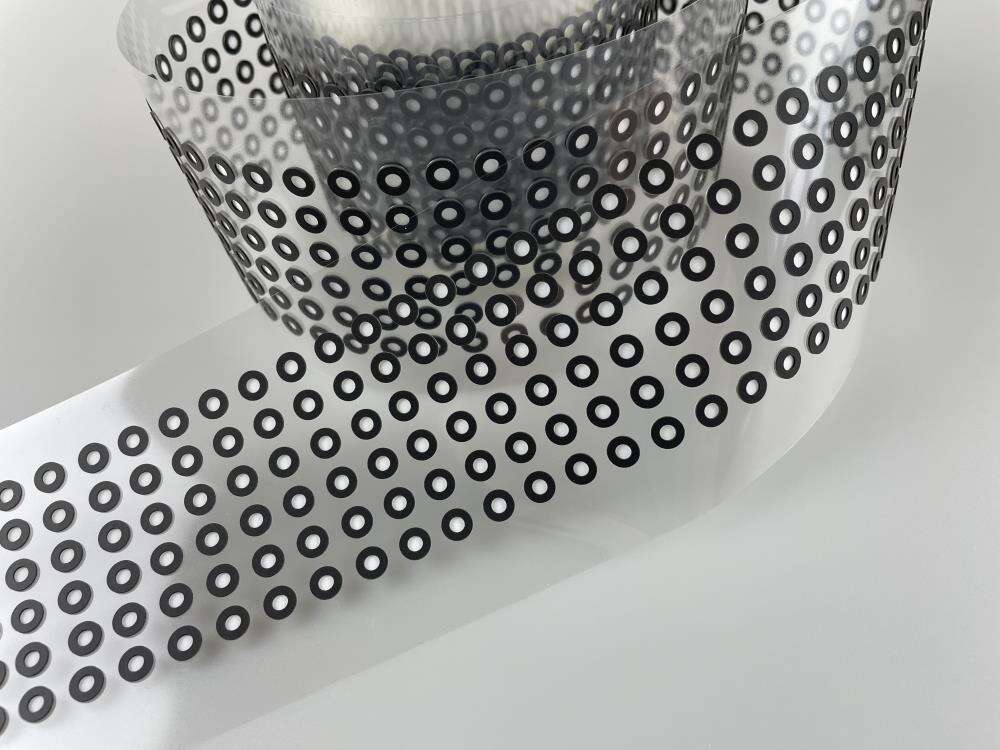
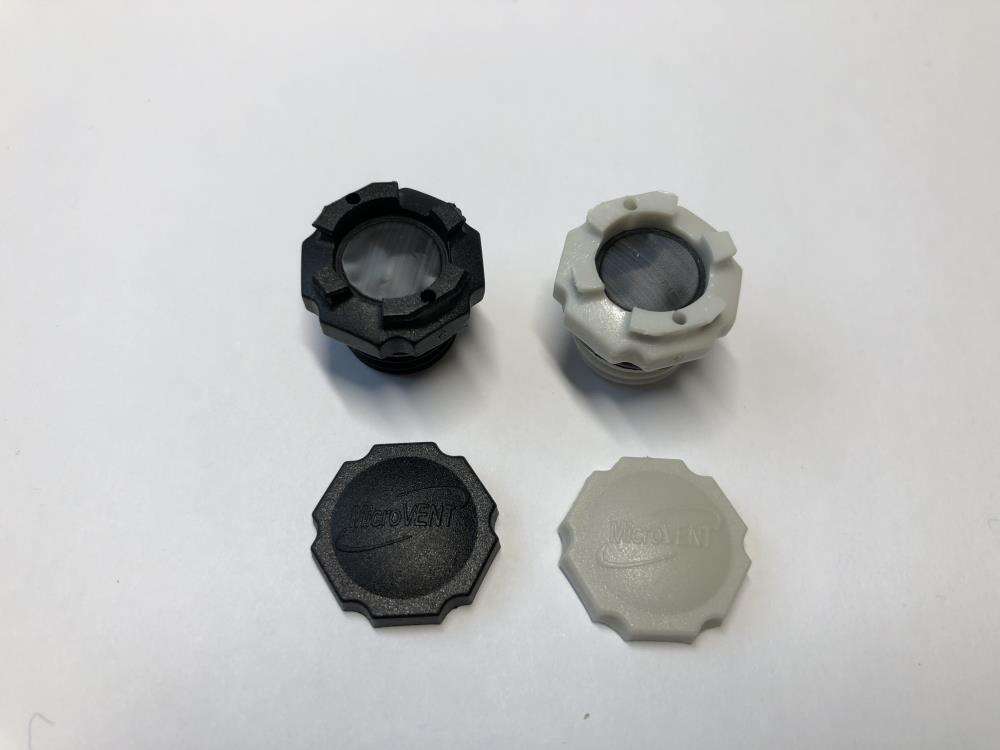
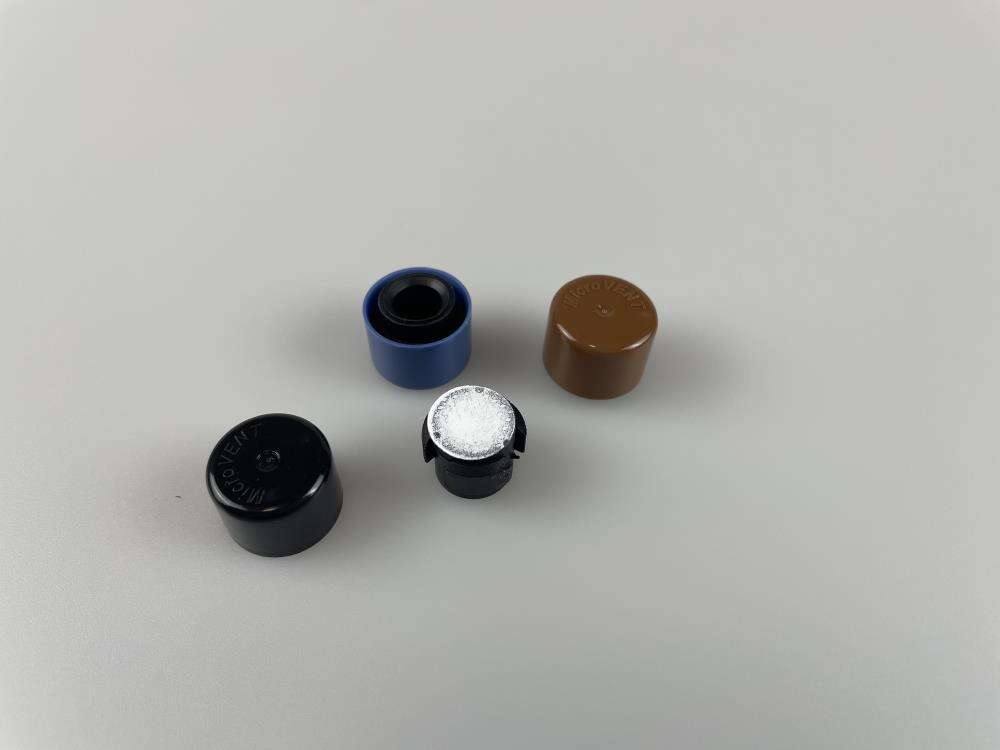
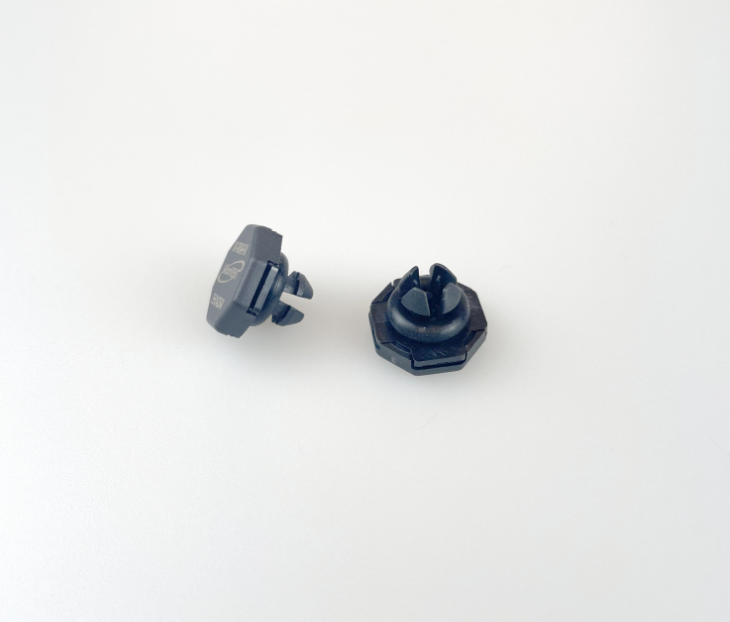
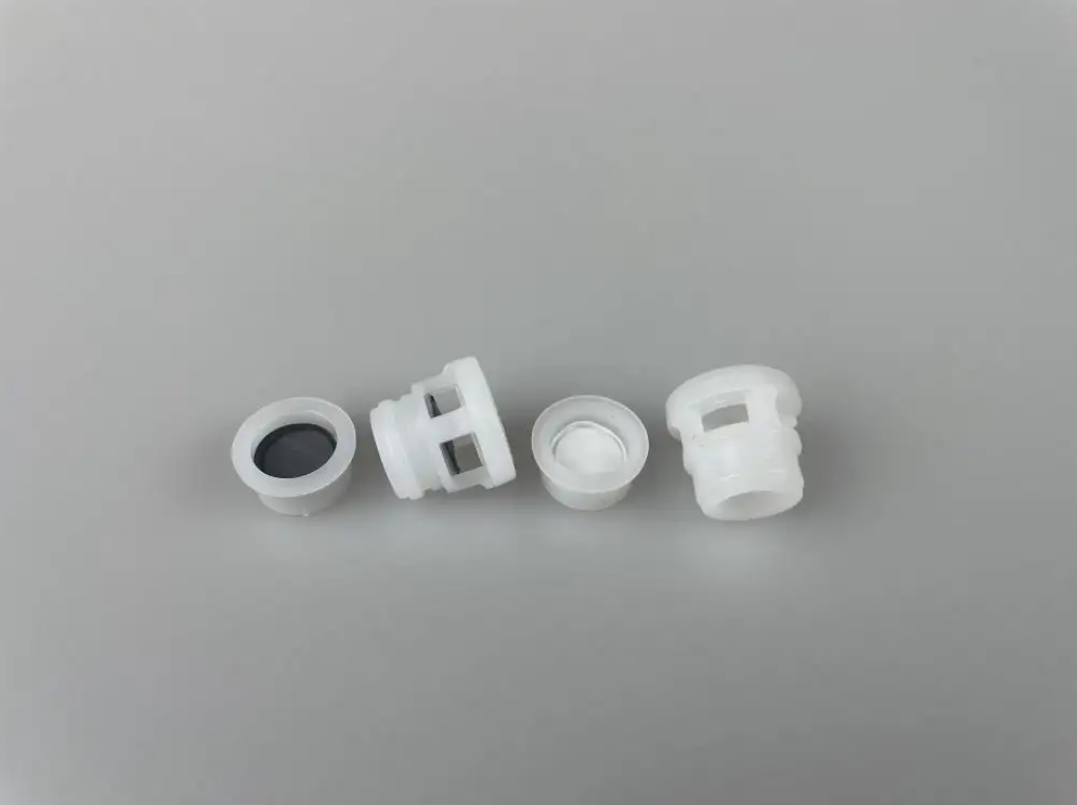
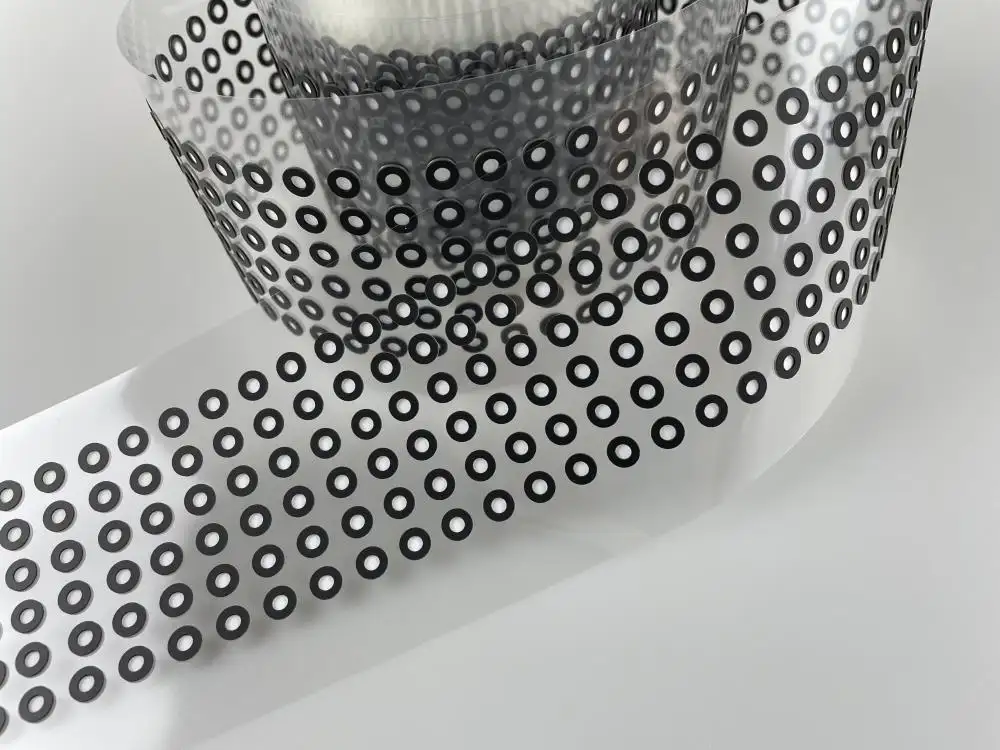
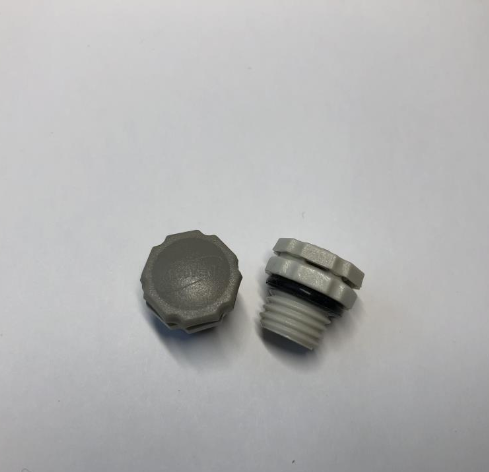
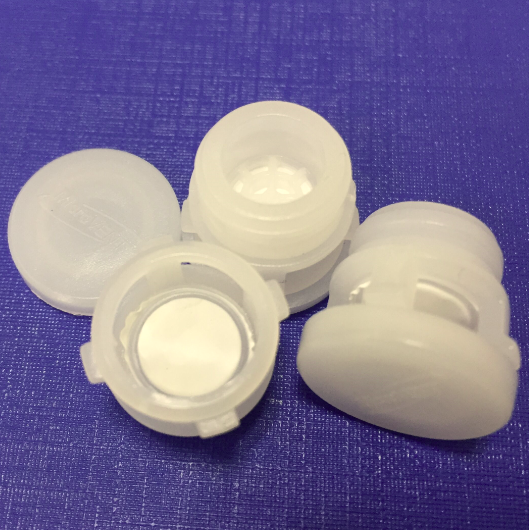
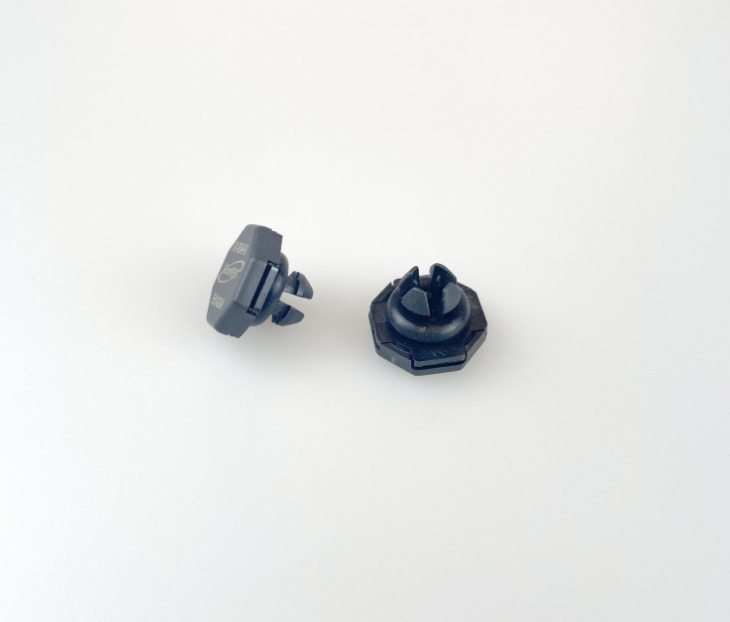
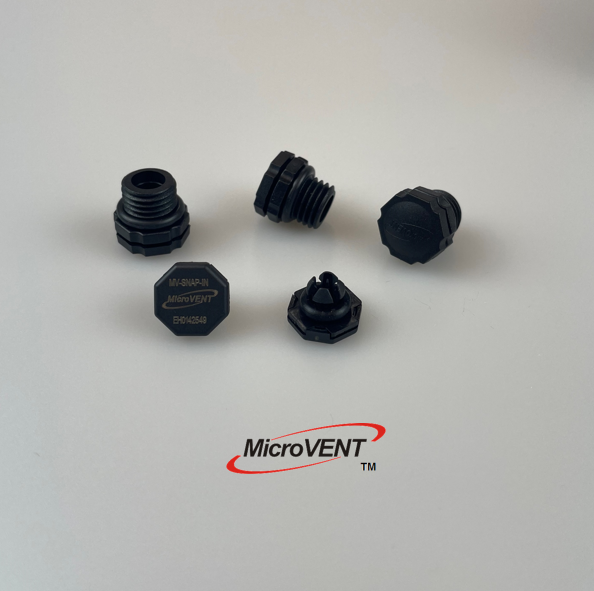
The gas release membrane represents a revolutionary advancement in pressure management technology, designed to provide controlled gas evacuation while maintaining optimal system performance across various industrial applications. This sophisticated membrane technology operates on selective permeability principles, allowing specific gases to pass through while blocking unwanted substances. The gas release membrane functions as a critical safety component in numerous systems where pressure buildup could compromise operational integrity or pose safety risks. Its primary function involves creating a controlled pathway for gas molecules to escape from enclosed systems, preventing dangerous pressure accumulation that could lead to system failure or catastrophic events. The technological foundation of the gas release membrane relies on advanced polymer science and molecular engineering, creating microscopic pores that facilitate selective gas passage. These membranes are engineered with precise pore sizes that allow target gases to permeate while restricting larger molecules or contaminants. The material composition typically involves specialized polymers or composite materials that exhibit excellent chemical resistance and durability under extreme conditions. Temperature stability remains a crucial characteristic, enabling the gas release membrane to function effectively across wide temperature ranges without compromising performance. The manufacturing process incorporates quality control measures ensuring consistent pore structure and membrane integrity. Applications for gas release membrane technology span multiple industries, including automotive, aerospace, electronics, packaging, and medical devices. In automotive applications, these membranes prevent pressure buildup in sealed components while protecting against moisture infiltration. The aerospace industry utilizes gas release membranes in fuel systems and cabin pressure management applications. Electronics manufacturers incorporate these membranes into device housings to prevent pressure-related damage during altitude changes or temperature fluctuations. The packaging industry benefits from gas release membrane integration for products requiring controlled atmospheric conditions during storage and transportation.

New Products

The gas release membrane delivers exceptional performance benefits that directly translate into cost savings and operational efficiency for businesses across diverse sectors. Organizations implementing this technology experience immediate improvements in system reliability, reducing costly downtime associated with pressure-related failures. The membrane's selective permeability ensures optimal gas evacuation while maintaining protective barriers against environmental contaminants, eliminating the need for complex valve systems or manual pressure release mechanisms. This automated functionality reduces labor costs and human error risks, creating more predictable operational outcomes. Manufacturers benefit from the gas release membrane's ability to extend product lifespan by preventing pressure-induced stress on components and assemblies. The technology eliminates warranty claims related to pressure damage, reducing customer service burdens and replacement costs. Installation simplicity represents another significant advantage, as the gas release membrane integrates seamlessly into existing designs without requiring extensive modifications or specialized tools. This compatibility reduces implementation costs and minimizes production line disruptions during adoption. The membrane's maintenance-free operation eliminates ongoing service requirements, reducing total ownership costs compared to mechanical alternatives. Energy efficiency improvements result from optimized pressure management, reducing the workload on pumps, compressors, and other pressure-sensitive equipment. Companies report measurable reductions in energy consumption after implementing gas release membrane solutions. The technology's environmental benefits include reduced emissions and improved sustainability metrics, supporting corporate environmental goals and regulatory compliance requirements. Quality improvements emerge from consistent pressure management, leading to more uniform product characteristics and reduced manufacturing variability. The gas release membrane's chemical resistance properties ensure long-term performance in harsh environments, reducing replacement frequency and associated costs. Temperature stability maintains consistent performance across seasonal variations and extreme operating conditions, eliminating weather-related performance degradation. Regulatory compliance becomes easier with gas release membrane integration, as the technology meets stringent safety standards and environmental regulations. The membrane's proven track record across multiple industries provides confidence in performance outcomes and return on investment calculations.

Practical Tips

How Do MicroVent Packaging Valves Help in prolonging Packaging lifetime?

21

May

How Do MicroVent Packaging Valves Help in prolonging Packaging lifetime?

Pressure Regulation in Packaging with MicroVent Valves Preventing Container Swelling and Bursting MicroVent valves are ingeniously designed to handle internal pressures within packaging, effectively reducing the risks associated with container defor...
View More
How durable is MicroVent®️ ePTFE membrane in extreme environments?

25

Jun

How durable is MicroVent®️ ePTFE membrane in extreme environments?

Chemical Resistance in Corrosive Environments Resistance to Acids, Bases, and Industrial Solvents The outstanding chemical resistance of ePTFE membranes make them ideal for use in even the most caustic environments. They are stable against&ensp...
View More
What is a MicroVENT® screw-in vent bolt and how does it work?

18

Jul

What is a MicroVENT® screw-in vent bolt and how does it work?

Precision Venting Made Simple: Understanding the MicroVENT® Screw-In Vent Bolt In demanding industrial environments where electronic components, enclosures, and mechanical systems must be protected from pressure differentials and environmental s...
View More
What industries benefit most from MicroVENT®️ bolts and valves ?

28

Aug

What industries benefit most from MicroVENT®️ bolts and valves ?

Understanding the Revolutionary Impact of Advanced Pressure Relief Solutions In today's demanding industrial landscape, pressure management and safety control have become paramount concerns across multiple sectors. MicroVENT bolts and valves represen...
View More

Get a Free Quote

Our representative will contact you soon.
Email
Name
Company Name
Message
0/1000

gas release membrane

Advanced Selective Permeability Technology

Advanced Selective Permeability Technology

The gas release membrane incorporates cutting-edge selective permeability technology that revolutionizes how industries manage gas exchange while maintaining environmental protection. This sophisticated engineering achievement utilizes precisely controlled molecular-level pore structures that discriminate between different gas molecules based on size, chemical properties, and molecular behavior. The selective permeability mechanism allows specific target gases to pass through the membrane barrier while effectively blocking moisture, contaminants, and unwanted atmospheric components. This selectivity eliminates common problems associated with traditional venting systems that often allow bidirectional flow, potentially introducing harmful substances into protected environments. The technology operates on fundamental principles of molecular diffusion and membrane science, creating pathways that accommodate desired gas molecules while presenting insurmountable barriers to larger or chemically incompatible substances. Engineers have optimized pore diameter and distribution to achieve maximum efficiency for specific applications, ensuring consistent performance across varying environmental conditions. The gas release membrane's selective permeability extends operational lifespans for sensitive equipment by preventing contamination while maintaining optimal internal pressure conditions. Quality control processes during manufacturing guarantee uniform pore structure throughout the membrane surface, eliminating weak points that could compromise selectivity or allow uncontrolled permeation. Advanced testing protocols verify selective permeability performance under extreme conditions, including temperature fluctuations, chemical exposure, and mechanical stress. This rigorous validation ensures reliable performance in demanding industrial environments where failure could result in significant economic losses or safety hazards. The selective nature of the gas release membrane reduces maintenance requirements by preventing contamination buildup that typically necessitates frequent cleaning or component replacement in conventional systems. Industries benefit from predictable performance characteristics that enable accurate system design and reliable operational planning, reducing uncertainty and improving project outcomes.
Superior Chemical and Environmental Resistance

Superior Chemical and Environmental Resistance

The gas release membrane demonstrates exceptional chemical and environmental resistance capabilities that ensure consistent performance across the most challenging industrial conditions and harsh operating environments. This remarkable durability stems from advanced material science innovations that incorporate chemical-resistant polymers and specialized composite formulations designed to withstand aggressive chemicals, extreme temperatures, and corrosive atmospheres. The membrane maintains structural integrity and functional performance when exposed to acids, bases, solvents, oils, and various industrial chemicals that would quickly degrade conventional materials. Environmental resistance extends to ultraviolet radiation, ozone exposure, and oxidative conditions that typically cause material degradation over time. The gas release membrane's resistance properties eliminate costly replacement cycles and reduce system downtime associated with component failure in harsh environments. Temperature stability ranges from extreme cold to high-heat conditions, maintaining consistent permeability characteristics and mechanical properties across operational temperature spectrums. This thermal stability prevents brittleness in cold conditions and softening or deformation at elevated temperatures, ensuring reliable sealing and gas release functionality regardless of seasonal variations or process-induced temperature changes. Humidity resistance prevents swelling, dimensional changes, or performance degradation in high-moisture environments, maintaining precise pore structure and permeability rates. The membrane's resistance to mechanical stress includes puncture resistance, tear strength, and flexural endurance that withstand installation stresses and operational vibrations. Chemical compatibility testing validates performance with specific substances relevant to target applications, providing confidence in long-term material compatibility and performance stability. The gas release membrane's environmental resistance reduces total cost of ownership by extending service life and minimizing replacement frequency, delivering superior value compared to less durable alternatives. Regulatory compliance benefits emerge from the membrane's ability to maintain performance characteristics required for safety and environmental certifications throughout extended service periods.
Maintenance-Free Operation and Cost Efficiency

Maintenance-Free Operation and Cost Efficiency

The gas release membrane delivers unparalleled maintenance-free operation that transforms operational economics by eliminating routine service requirements and reducing total ownership costs across diverse industrial applications. This revolutionary approach to pressure management removes the burden of scheduled maintenance, cleaning procedures, and replacement cycles typically associated with mechanical pressure relief systems and conventional venting solutions. The membrane's passive operation requires no external power sources, control systems, or monitoring equipment, creating truly autonomous pressure management that functions continuously without human intervention or system supervision. This independence from active maintenance protocols reduces labor costs, eliminates maintenance scheduling complexities, and removes the risk of system failures due to deferred or inadequate service procedures. The gas release membrane's self-regulating properties automatically adjust gas permeation rates based on pressure differentials, providing optimal performance without calibration or adjustment requirements. Cost efficiency improvements compound over time as organizations realize savings from eliminated maintenance labor, reduced spare parts inventory, and decreased system downtime. The membrane's longevity exceeds traditional mechanical components, reducing replacement frequency and associated installation costs while maintaining consistent performance throughout extended service periods. Energy efficiency benefits result from the membrane's passive operation that requires no electrical power or compressed air systems, reducing operational energy consumption and utility costs. Installation simplicity minimizes implementation costs by eliminating complex mounting hardware, electrical connections, or pneumatic supply lines required by active pressure management systems. The gas release membrane integrates directly into existing designs using standard sealing techniques and common fastening methods, reducing engineering time and tooling requirements. Quality improvements emerge from consistent pressure management that eliminates performance variations associated with mechanical system wear or calibration drift. Predictable operational costs result from the membrane's stable performance characteristics that eliminate unexpected repair expenses and emergency service calls. Return on investment calculations demonstrate compelling financial benefits within typical payback periods, making the gas release membrane an economically attractive solution for cost-conscious organizations seeking reliable pressure management technology.

Get a Free Quote

Our representative will contact you soon.
Email
Name
Company Name
Message
0/1000