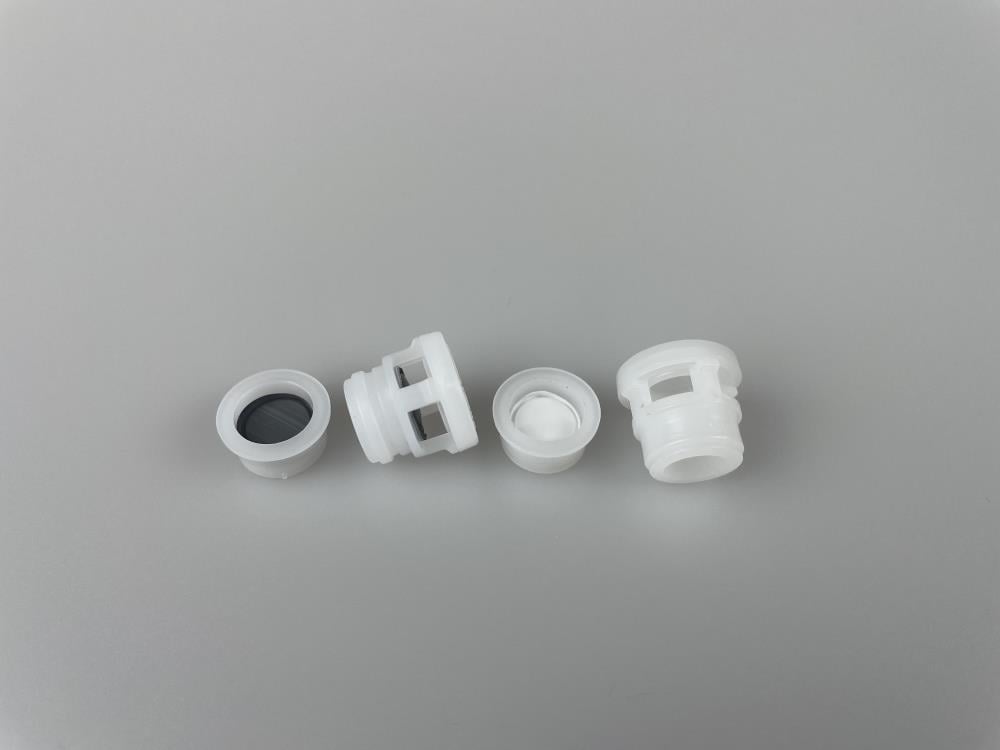

Begin a vent container cap valve review with the package. Name the container type. Name the cap type. State where the vent container cap valve may sit. Add the fill amount and headspace. These simple facts help the team see the full closure. They also stop a broad vent claim from driving the choice.
Next, describe the use path. A pack may be filled, moved, stored, and opened. Heat and change in height can matter. Write down when those changes may occur. A vent container cap valve discussion is more useful when it starts with this use path. It is less useful when it starts with a vague request for a breathable part.
Cap shape guides the vent container cap valve choice. Review the opening, wall, liner seat, and other parts near the closure. Check how the part would be held in place. A small change in cap shape can change the review. Use a drawing or sample part when it is available.
Do not assume one form fits all caps. The site lists vent valves as one form. It lists a Vent PE liner as another form. It also lists a vent plug and a Snap-fit Vent. Each can raise a different fit question. The vent container cap valve must be reviewed with its own cap design.
The filled medium is part of every vent container cap valve review. Give a plain description of the liquid or other fill. Say if the medium may touch the cap area. State any known use limits. The product pages mention packaging uses such as farm and home chemical packs. That is useful context, not a promise for a new formula.
MicroVENT states that it works with ePTFE and with composite, lamination, and surface methods. This can guide a technical talk about a vent container cap valve. It does not replace a drawing review or a fit check. The medium, cap, and container still need to be seen as one system.
A vent valve may suit a review of a molded vent part. A Vent PE liner may be relevant when the liner is a key part of the cap. A vent plug gives another format to compare. A Snap-fit Vent gives a form that may raise snap-in and retention questions. The vent container cap valve is the topic that links these choices, but the formats are not the same product.
Ask what must be true for each format. Does the cap have the needed space? Does the assembly method match the design? What part of the closure touches the filled medium? What pressure change is expected? A vent container cap valve can move to a short list after these questions have clear answers.
A good vent container cap valve brief is short and direct. Include the cap drawing, container drawing, and material names. Include the medium description. Include the planned use and any heat or height change. Mark facts that are known. Mark facts that still need to be checked. This gives the supplier a useful base for a fit and use talk.
Use plain goals. For example, the team may need to review the cap shape, the build step, or the pressure path. Keep each goal separate. Do not turn an open question into a performance claim. The vent container cap valve review can then focus on the right issue.
A vent container cap valve review starts with the cap drawing. A vent container cap valve review also names the container material. A vent container cap valve review describes the filled medium. A vent container cap valve review notes the headspace. A vent container cap valve review records heat changes. A vent container cap valve review records changes in height. A vent container cap valve review shows the vent location. A vent container cap valve review states the assembly step. A vent container cap valve review compares the closure formats. A vent container cap valve review asks how the part is retained. A vent container cap valve review identifies open questions. A vent container cap valve review keeps confirmed facts separate. A vent container cap valve review supports a focused fit discussion. A vent container cap valve review does not promise universal use. A vent container cap valve review can guide the next technical check. A vent container cap valve review helps the team choose what to evaluate next. A vent container cap valve review stays tied to the real package. A vent container cap valve review gives the supplier a clear starting point.
First define the pack. Next compare the vent valve, Vent PE liner, vent plug, and Snap-fit Vent formats. Then choose a format for further review. This requirement-to-selection path keeps a vent container cap valve decision tied to the real pack. It also helps teams see what data is missing.
Share the keyword topic with the actual package facts when you ask for help. A vent container cap valve request should include the cap, container, medium, and use path. The next step can then be a focused discussion of format, fit, and the checks still needed. This is a sound way to discuss a vent container cap valve without making a broad claim about every container.

As one of the leading enterprises in industry of ePTFE membranes, MicroVENT® has been engaged in design, production as well as research and development of ePTFE technology since 1995. ePTFE membrane has excellent chemical stability, heat resistance and other properties. MicroVENT® uses composite, laminated, surface modification techniques and confers the ePTFE membrane which has a porous structure for improved strength, heat sealing resistance, Hydrophobic and Oleophobic.
NO.8 QIANCAO ROAD,LIJIA,CHANGZHOU.JIANGSU.CHINA
Copyright © © 2026Pan Asian Microvent Tech (Jiangsu) Corporation.All rights reserved. | Privacy policy
 EN
 AR
 CS
 FR
 DE
 IT
 JA
 KO
 PT
 RU
 ES
 ID
 VI
 TH
 TR
 MS