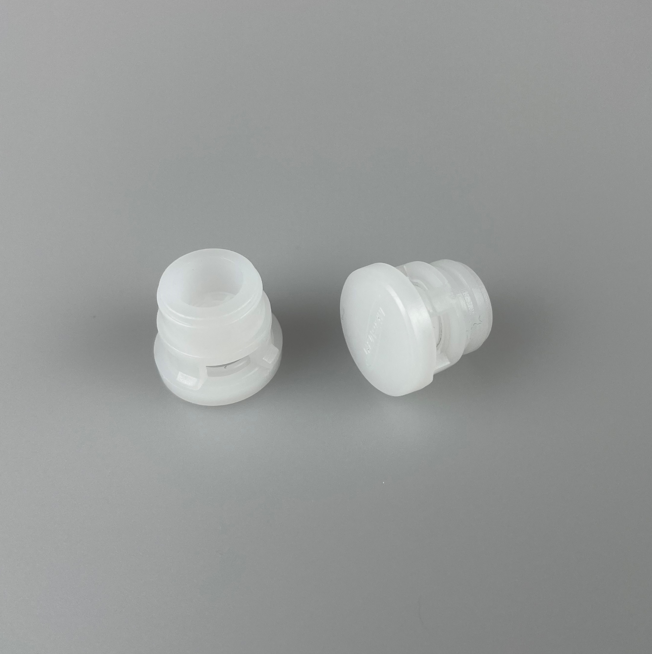
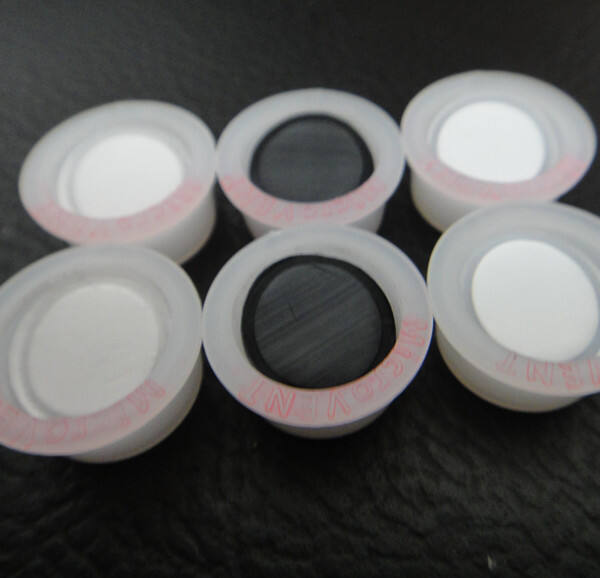
vent press fit valve
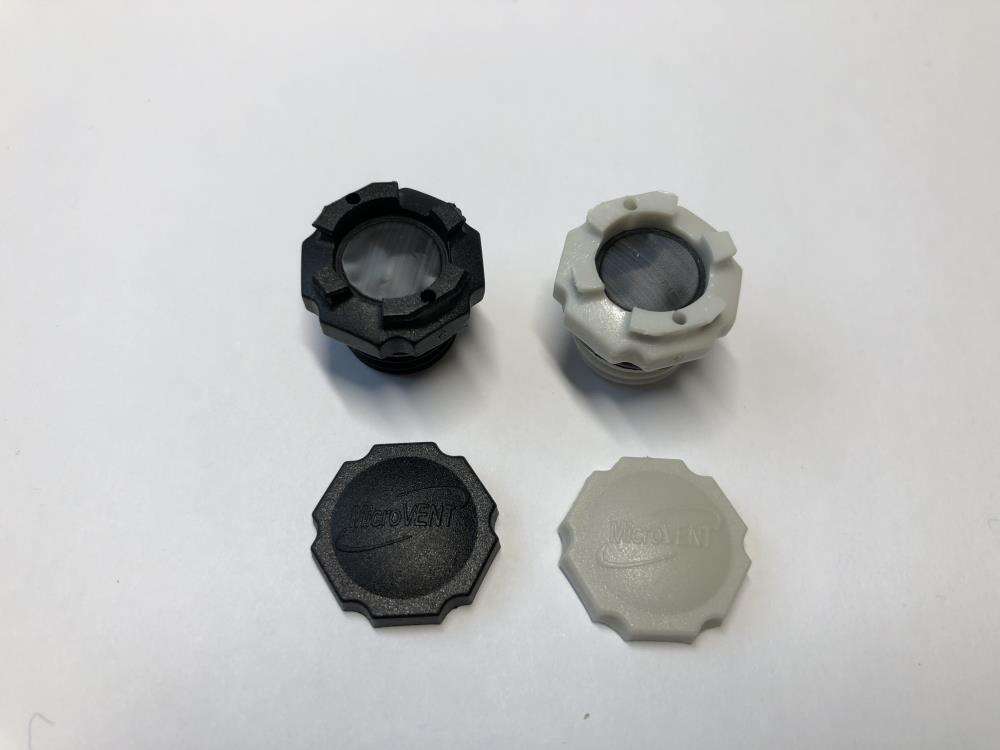
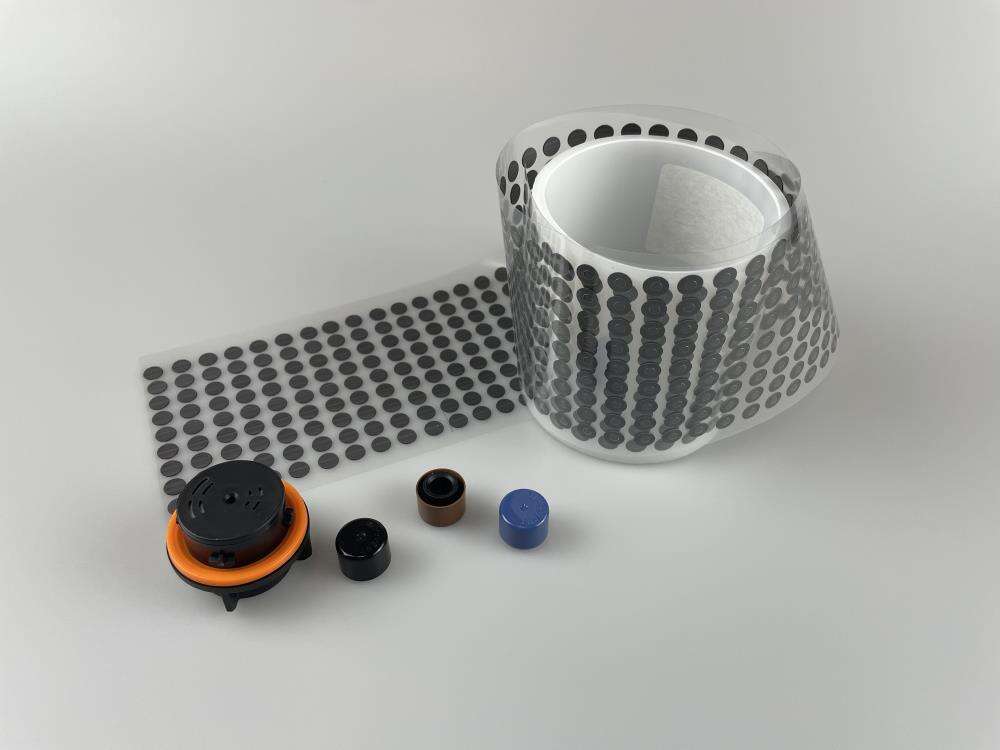
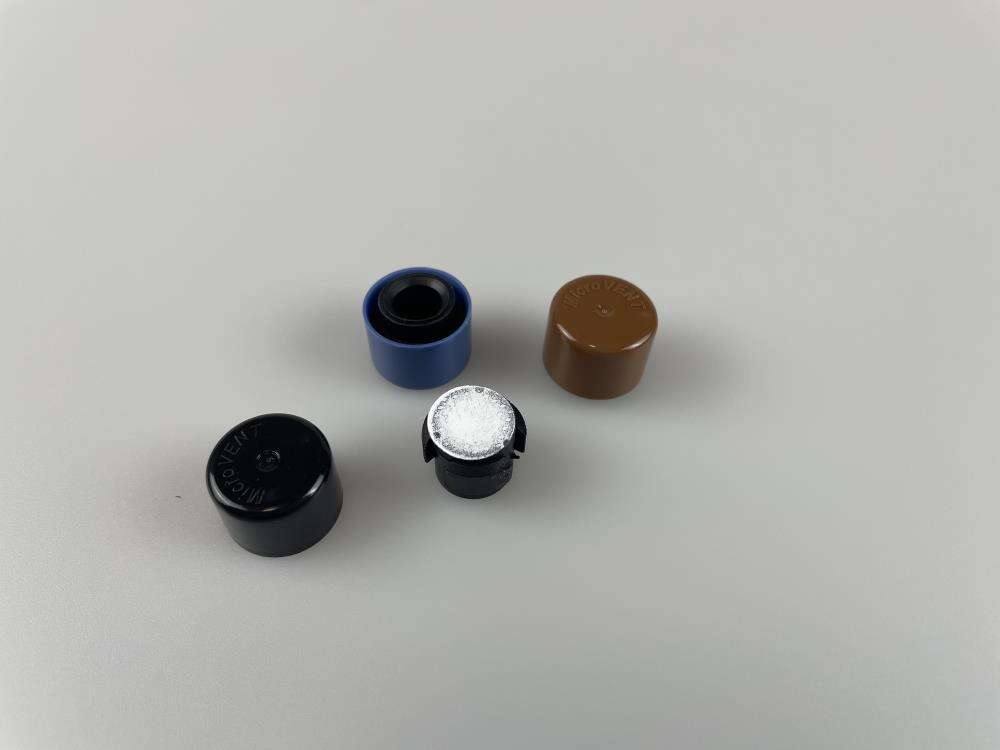
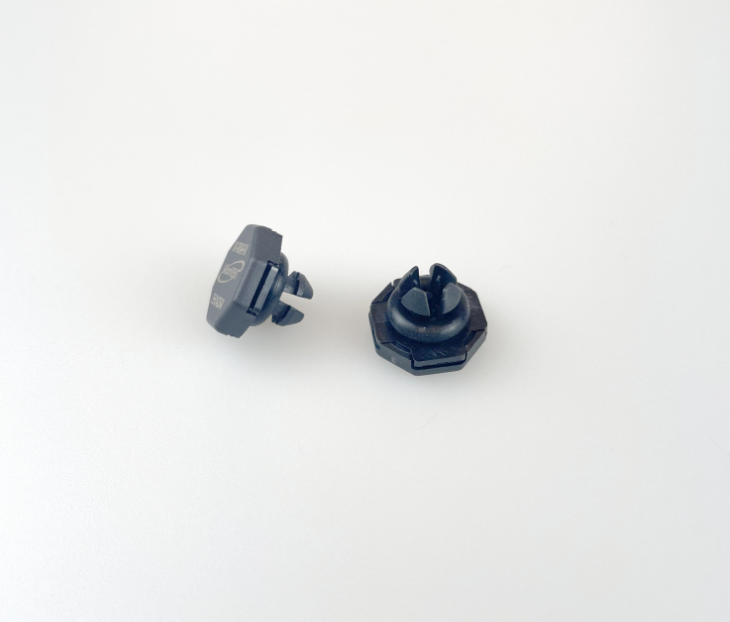
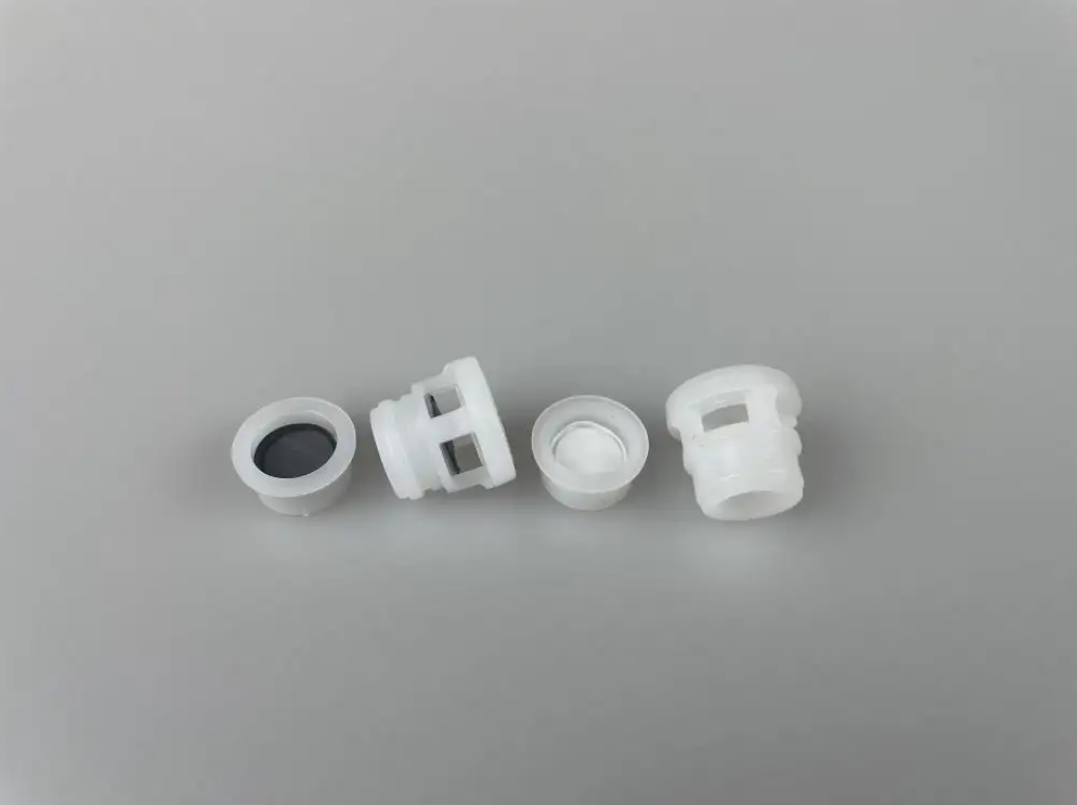
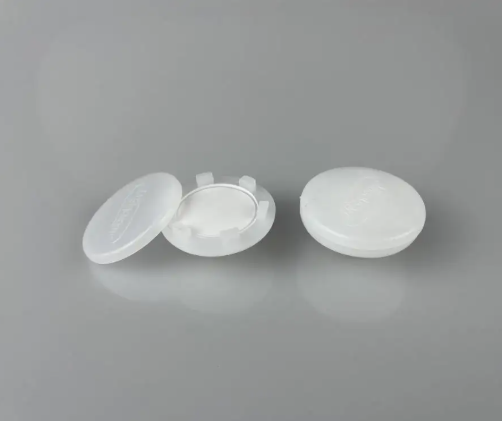
The vent press fit valve represents a cutting-edge solution in fluid control systems, designed to provide reliable venting capabilities while maintaining secure connection integrity through advanced press fit technology. This innovative valve combines the functionality of traditional venting mechanisms with modern installation methods that eliminate the need for threaded connections or welding procedures. The vent press fit valve operates by allowing controlled release of gases, vapors, or excess pressure from sealed systems while preventing contamination from external sources. Its primary function centers on maintaining optimal pressure levels within various applications, ensuring system safety and operational efficiency. The technological foundation of the vent press fit valve relies on precision-engineered components that create hermetic seals through mechanical compression rather than chemical bonding or threading mechanisms. This design approach offers superior durability and resistance to vibration, thermal cycling, and environmental stresses commonly encountered in industrial settings. The valve construction typically features corrosion-resistant materials such as stainless steel, brass, or specialized polymers that withstand exposure to diverse chemical environments and temperature variations. Applications for the vent press fit valve span numerous industries including automotive, aerospace, medical devices, electronics manufacturing, and industrial processing equipment. In automotive systems, these valves manage pressure differentials in fuel tanks, hydraulic systems, and air conditioning units. Aerospace applications utilize vent press fit valves for cabin pressurization controls and fuel system management. Medical device manufacturers integrate these valves into surgical instruments, diagnostic equipment, and patient monitoring systems where sterility and reliability are paramount. The electronics industry employs vent press fit valves in sealed enclosures for sensitive components, preventing moisture ingress while allowing pressure equalization during temperature changes.
 EN
EN
 AR
AR
 CS
CS
 FR
FR
 DE
DE
 IT
IT
 JA
JA
 KO
KO
 PT
PT
 RU
RU
 ES
ES
 ID
ID
 VI
VI
 TH
TH
 TR
TR
 MS
MS