
A vent container cap is one part of a full pack. Start with the bottle or can, cap, fill, and use case. A vent container cap may be reviewed when the pack can face a shift in pressure. Heat, cold, height, filling, and storage can all be part of that shift. Do not judge a vent container cap by a short claim alone. Ask what the pack must do in its own use case.
Write down the fill type, fill level, head space, pack size, and cap shape. Note when the pack may be moved or stored. State if the fill can change over time. These facts give a vent container cap review a clear base. They also help the team set the next steps. A good vent container cap brief is short, but it has the key facts. The brief should name the pack and the cap. It should also name the main concern.
For a vent container cap, the cap and opening shape matter. Check the space in the cap. Check the wall shape and the way the part may go in. Check how the cap is made and how it is put on the pack. A vent container cap may need a fit review before a format is picked. A part name does not show that it will fit a new cap.
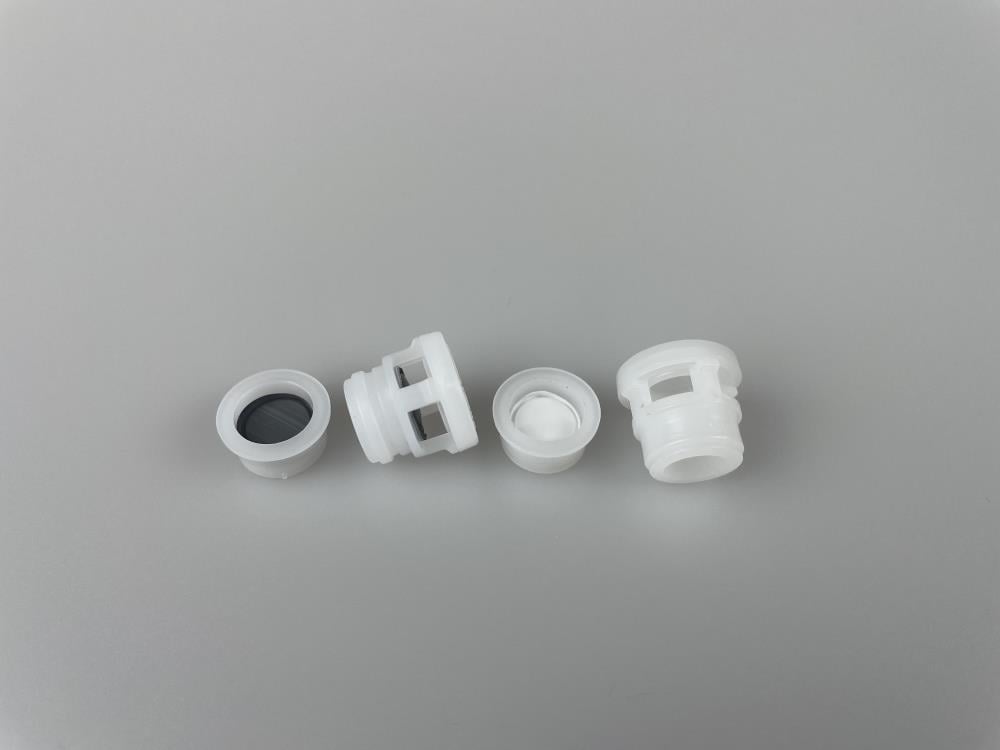
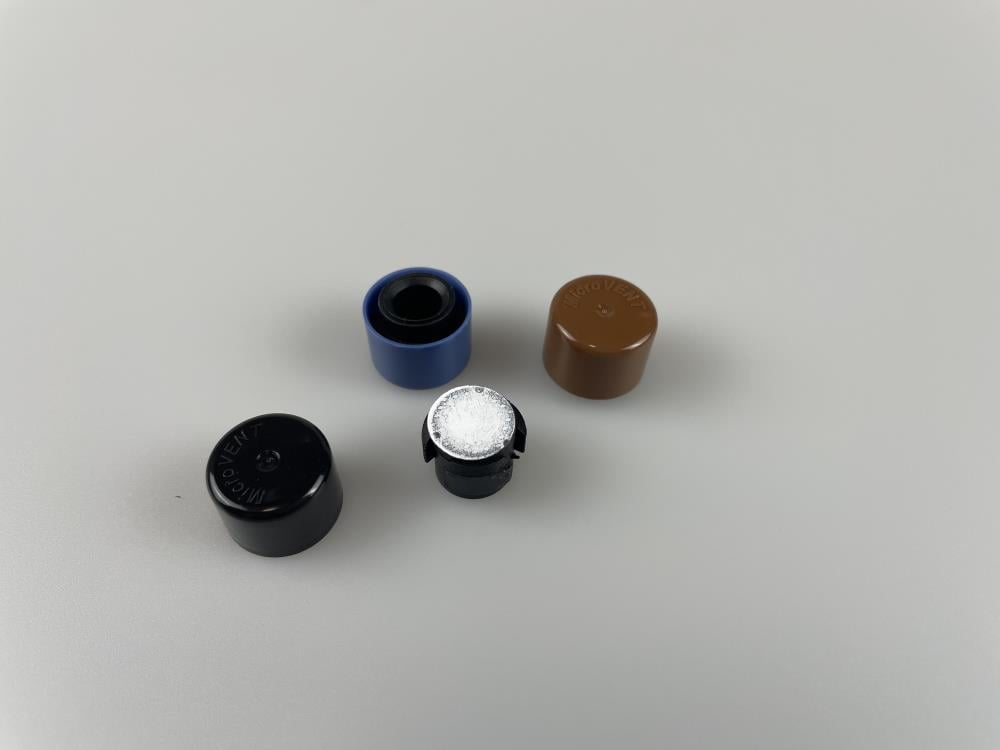
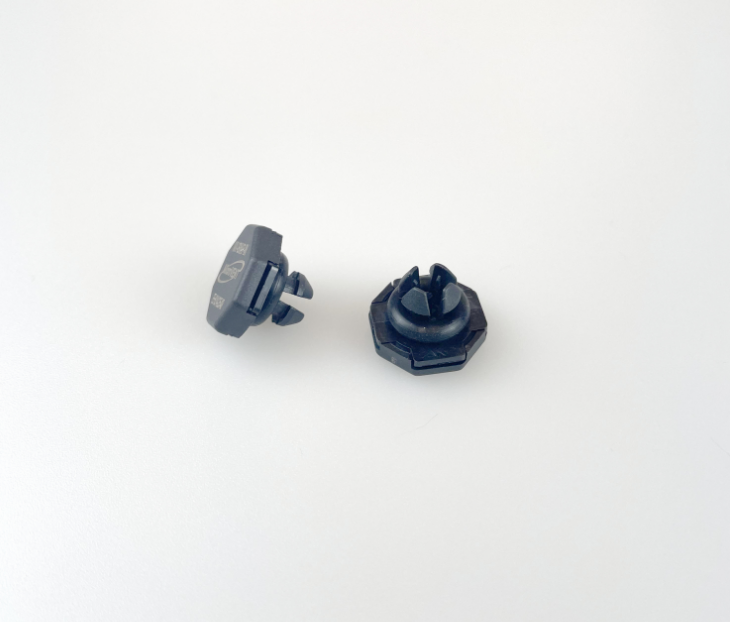
The catalog has four paths. They are vent valves, Vent PE liner, vent plug, and Snap-fit Vent. They are close in use, but they are not the same part. Each vent container cap path can lead to a new fit and build talk. Use the pack drawing to guide that talk. Mark the fit area on the drawing. Mark any part of the cap that cannot change.
For each vent container cap path, ask how the part meets the cap. Ask what holds it in place. Ask what space is free near the fit point. These are basic fit facts. They should be known before a team treats one catalog format as the right choice. A vent container cap drawing can make these points easy to share.
A vent container cap should be matched to the fill and the use case. The fill may be a liquid or a mix with its own traits. The pack may sit still, move by truck, or face a new heat range. The vent container cap review should name these facts. This helps avoid a broad choice based on a term such as breathable or safe.
MicroVENT lists ePTFE membrane technology and packaging vent product paths. The site also states use of composite, laminated, and surface-change methods. These facts can guide a vent container cap talk. They do not prove fit for a new pack. The real fit still rests on the fill, cap, pack, and use case. Where the fill may touch the closure area, say so in the brief. Where air or gas flow is the point, say when and why that flow is needed. Add that point to the vent container cap review sheet.
A vent container cap choice should end with a test plan. First, check the part size and cap build. Next, state the use case that the pack must face. Then agree on the checks that match that use case. A vent container cap may need pack-level checks that suit its fill, cap, and route. The exact checks are set by the project facts. They should not be copied from a pack with a different fill or shape.
Use a short list to plan the work. Give the team a cap or bottle drawing. Give the fill data that can be shared. State the heat range, move path, and store time under review. Give samples when they are at hand. This makes a vent container cap review more direct. It also helps the team see if a valve, liner, plug, or snap-fit path needs more work. Keep notes with the vent container cap sample so the facts stay with the pack.
When you ask about a vent container cap, share the cap type, pack type, and main size data. Add the fill type and the use case. Tell the team if heat, height, filling, or long store time is part of the concern. A drawing, photo, or cap sample can help show the fit point. This turns a vent container cap request into a fact-led talk. It also helps the team ask the right follow-up questions.
Do not ask a new vent container cap to stand on a claim from a past pack. Ask for a review of the new pack. The goal is to move from need, to format, to fit, to the next check. That is a clear way to compare vent valves, Vent PE liner, vent plug, and Snap-fit Vent. It keeps the vent container cap decision tied to the pack that will be made and used. Use the same facts when you compare each format.

As one of the leading enterprises in industry of ePTFE membranes, MicroVENT® has been engaged in design, production as well as research and development of ePTFE technology since 1995. ePTFE membrane has excellent chemical stability, heat resistance and other properties. MicroVENT® uses composite, laminated, surface modification techniques and confers the ePTFE membrane which has a porous structure for improved strength, heat sealing resistance, Hydrophobic and Oleophobic.
NO.8 QIANCAO ROAD,LIJIA,CHANGZHOU.JIANGSU.CHINA
Copyright © © 2026Pan Asian Microvent Tech (Jiangsu) Corporation.All rights reserved. | Privacy policy
 EN
 AR
 CS
 FR
 DE
 IT
 JA
 KO
 PT
 RU
 ES
 ID
 VI
 TH
 TR
 MS