Oleophobic Valve Technology: Advanced Oil-Repelling Solutions for Industrial Applications

All Categories

Get a Free Quote

Our representative will contact you soon.
Email
Name
Company Name
Message
0/1000

oleophobic valve

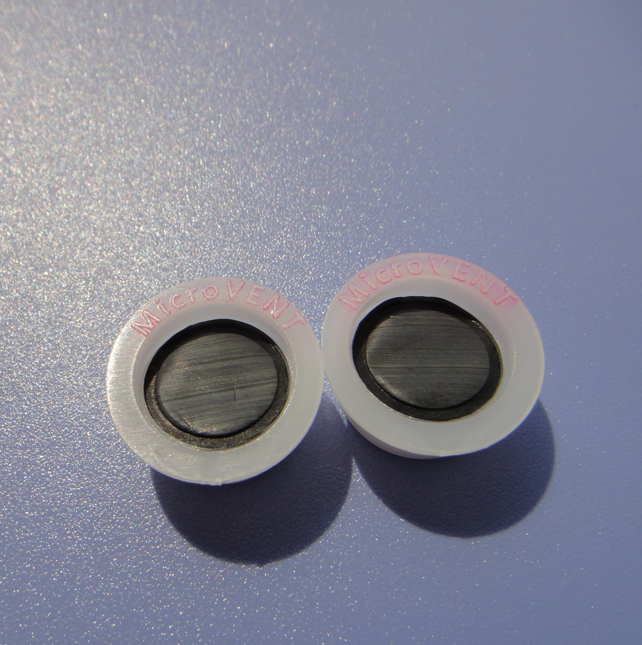
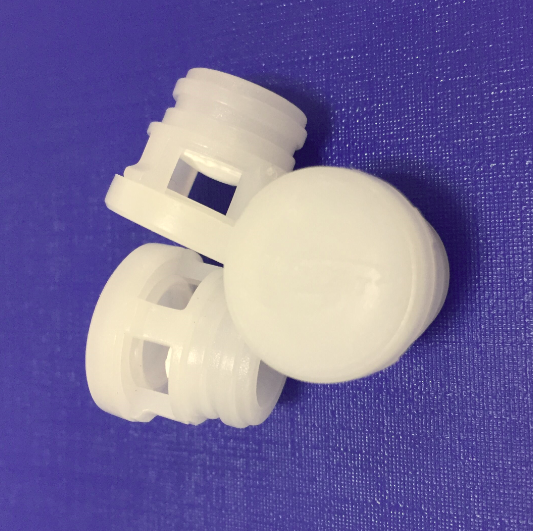
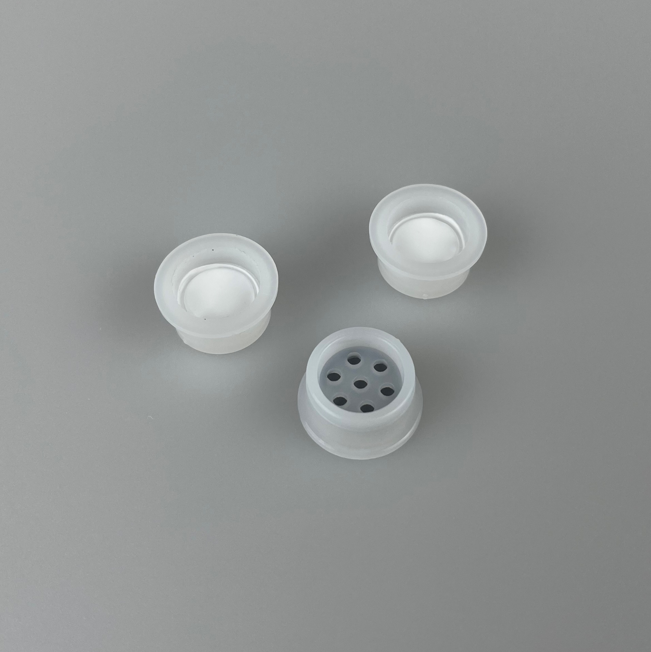
The oleophobic valve represents a revolutionary advancement in fluid control technology, specifically engineered to repel oil-based substances while maintaining optimal operational performance across diverse industrial applications. This innovative valve system incorporates specialized surface treatments and advanced materials that create a molecular barrier against hydrocarbon penetration, ensuring consistent functionality even in challenging environments. The oleophobic valve design integrates cutting-edge nanotechnology with traditional valve mechanics, resulting in superior resistance to oil contamination and extended service life. The primary functions of the oleophobic valve include precise flow control, contamination prevention, and maintaining system integrity in oil-rich environments. Its technological features encompass specialized coatings that modify surface energy properties, creating hydrophobic and lipophobic characteristics that actively repel both water and oil-based fluids. The valve construction utilizes premium-grade materials such as fluoropolymer coatings, ceramic components, and specially treated metal alloys that enhance durability and performance. Applications for the oleophobic valve span multiple industries including petrochemical processing, automotive manufacturing, food production, pharmaceutical operations, and marine systems. In petrochemical facilities, these valves prevent crude oil buildup and maintain optimal flow rates during refining processes. Automotive applications benefit from reduced maintenance requirements and improved fuel system performance. The food industry utilizes oleophobic valves to prevent cross-contamination between different oil-based ingredients while maintaining hygiene standards. Pharmaceutical manufacturers rely on these valves for precise control of oil-based compounds during drug production. Marine applications include ballast systems and fuel management where saltwater and petroleum products create challenging operating conditions. The oleophobic valve technology addresses common industry challenges such as valve sticking, reduced flow capacity, and frequent maintenance cycles caused by oil accumulation and contamination.

Popular Products

The oleophobic valve delivers substantial operational benefits that directly impact your bottom line and system reliability. Companies experience significant cost savings through reduced maintenance schedules, as the oil-repelling properties prevent accumulation that typically requires frequent cleaning and component replacement. Your maintenance teams spend less time on valve servicing, allowing them to focus on other critical tasks while reducing labor costs and system downtime. The self-cleaning characteristics of the oleophobic valve eliminate the need for harsh chemical solvents and specialized cleaning procedures, reducing both chemical costs and environmental compliance concerns. Enhanced system performance becomes immediately apparent through improved flow rates and pressure consistency. Traditional valves often experience reduced capacity as oil residues build up on internal surfaces, but the oleophobic valve maintains optimal performance throughout extended operating periods. This consistent performance translates to more predictable production schedules and reduced process variations that can affect product quality. Your operations benefit from increased reliability as the oleophobic valve resists corrosion and degradation typically caused by prolonged oil exposure. The specialized coatings protect internal components from chemical reactions that lead to premature failure in conventional valves. Extended service life means fewer emergency replacements and reduced inventory requirements for spare parts. Energy efficiency improvements result from reduced friction and smoother operation, as oil films cannot adhere to treated surfaces. This leads to lower actuator power requirements and reduced energy consumption across your entire system. Installation flexibility allows the oleophobic valve to retrofit existing systems without major modifications, minimizing capital expenditure while upgrading performance. Quality control benefits include more accurate flow measurements and reduced contamination risks between different fluid streams. Regulatory compliance becomes easier to maintain as the oleophobic valve helps prevent cross-contamination and maintains cleaner operating conditions. Safety improvements result from reduced slip hazards around valve locations due to oil leakage prevention. Environmental benefits include reduced waste generation from cleaning operations and lower risk of oil spills or contamination incidents. Return on investment typically occurs within the first year through combined savings in maintenance, energy, and replacement costs.

Latest News

Why packaging Industries Benefit the Most from Using MicroVent®Packaging Valves?

21

May

Why packaging Industries Benefit the Most from Using MicroVent®Packaging Valves?

The Critical Role of Packaging Valves in Industrial Efficiency How Valve Technology Impacts Product Integrity Valve technology plays an essential role in maintaining product integrity, ensuring safety and quality during storage and transportation. A...
View More
How to choose the right MicroVENT® screw-in vent bolt for your vehicle lamps project?

18

Jul

How to choose the right MicroVENT® screw-in vent bolt for your vehicle lamps project?

Selecting the Ideal Venting Solution for Automotive Lighting Understanding the Role of Vent Bolts in Vehicle Lamps Modern vehicle lamps have evolved beyond simple illumination tools. They now feature intricate LED modules, sensors, and thermal manag...
View More
What industries benefit most from MicroVENT®️ bolts and valves ?

28

Aug

What industries benefit most from MicroVENT®️ bolts and valves ?

Understanding the Revolutionary Impact of Advanced Pressure Relief Solutions In today's demanding industrial landscape, pressure management and safety control have become paramount concerns across multiple sectors. MicroVENT bolts and valves represen...
View More
How to Install a MicroVENT®️ Vent ePTFE Membrane for Acoustic Applications

28

Aug

How to Install a MicroVENT®️ Vent ePTFE Membrane for Acoustic Applications

Essential Guide to Acoustic Membrane Installation The installation of a MicroVENT vent ePTFE membrane represents a crucial step in optimizing acoustic performance while maintaining proper pressure equalization in electronic devices. This comprehensiv...
View More

Get a Free Quote

Our representative will contact you soon.
Email
Name
Company Name
Message
0/1000

oleophobic valve

Advanced Nano-Coating Technology Ensures Superior Oil Repulsion

Advanced Nano-Coating Technology Ensures Superior Oil Repulsion

The oleophobic valve incorporates revolutionary nano-coating technology that fundamentally transforms how valves interact with oil-based substances, providing unprecedented protection against contamination and performance degradation. This advanced coating system utilizes fluorinated compounds arranged at the molecular level to create an ultra-thin barrier that actively repels hydrocarbon molecules while maintaining exceptional durability under extreme operating conditions. The nano-structure creates microscopic peaks and valleys that minimize contact area between oil droplets and the valve surface, causing liquids to bead and roll off rather than adhering to internal components. This technology represents a significant breakthrough in surface engineering, combining principles of chemistry and physics to achieve oil-repelling properties that remain effective throughout the valve's operational lifetime. The coating process involves multiple precision application stages that ensure uniform coverage across all internal surfaces, including complex geometries and tight tolerances typical in valve construction. Unlike traditional protective coatings that may chip or wear away over time, the nano-coating bonds chemically with the base material, creating a permanent modification that cannot be easily damaged by mechanical wear or chemical exposure. Temperature resistance extends from cryogenic conditions to high-heat applications, making the oleophobic valve suitable for diverse industrial environments. The coating maintains its oil-repelling properties across pH ranges from highly acidic to strongly alkaline conditions, ensuring consistent performance regardless of process fluid chemistry. Durability testing demonstrates coating integrity after millions of operational cycles, confirming long-term reliability for critical applications. The nano-coating technology also provides secondary benefits including reduced surface roughness, which minimizes pressure drop and improves flow characteristics. Cleaning validation becomes simplified as residual detection is nearly impossible due to the non-adherent surface properties. This technology eliminates the gradual performance degradation common in conventional valves, where oil accumulation progressively reduces flow capacity and increases pressure requirements. Maintenance personnel report dramatically reduced cleaning time and effort when servicing oleophobic valves compared to standard equipment, resulting in lower operational costs and improved system availability.
Self-Cleaning Properties Eliminate Maintenance-Related Downtime

Self-Cleaning Properties Eliminate Maintenance-Related Downtime

The oleophobic valve features remarkable self-cleaning capabilities that revolutionize maintenance strategies and eliminate costly downtime associated with routine valve servicing and cleaning operations. These properties emerge from the unique surface characteristics that prevent oil adhesion, allowing contaminants to be naturally flushed away during normal operation without requiring external cleaning interventions. The self-cleaning mechanism operates continuously as process fluids flow through the valve, creating a washing effect that removes any particles or residues that might temporarily contact the treated surfaces. This automatic cleaning action maintains optimal valve performance without operator intervention, reducing the need for scheduled maintenance shutdowns and allowing continuous production operations. Traditional valves accumulate oil films and particulate matter that gradually restrict flow and affect control precision, requiring regular disassembly and cleaning to restore performance. The oleophobic valve eliminates this maintenance burden by preventing initial contamination buildup, resulting in consistent performance characteristics throughout extended operating periods. Plant operators report maintenance interval extensions from monthly to annual schedules, representing substantial cost savings in labor, replacement parts, and production losses. The self-cleaning properties prove particularly valuable in applications involving heavy crude oils, bitumen, or other viscous hydrocarbons that typically cause severe fouling in conventional equipment. Emergency maintenance calls decrease significantly as valve sticking and performance degradation become rare occurrences. Quality control benefits include more consistent product specifications as valve performance remains stable over time, reducing process variations that can affect final product characteristics. The self-cleaning action extends beyond oil removal to include other contaminants such as scale deposits, biological growth, and chemical precipitates that may form during operation. Documentation requirements for regulatory compliance are simplified as cleaning verification becomes unnecessary due to the inherent non-fouling properties. Environmental benefits include elimination of chemical cleaning agents and associated waste disposal requirements, supporting sustainability initiatives while reducing operating costs. Risk assessment improvements result from predictable valve performance and reduced likelihood of unexpected failures that could compromise safety systems or environmental protection measures.
Enhanced Durability Reduces Total Cost of Ownership

Enhanced Durability Reduces Total Cost of Ownership

The oleophobic valve demonstrates exceptional durability characteristics that significantly reduce total cost of ownership through extended service life, reduced replacement frequency, and lower maintenance requirements compared to conventional valve technologies. This enhanced durability stems from the protective properties of the oleophobic coating system, which shields internal components from corrosive effects and mechanical wear typically associated with oil exposure and contamination. The specialized materials resist chemical attack from aggressive hydrocarbons, acids, and solvents commonly encountered in industrial processes, preventing degradation that leads to premature failure in standard valves. Mechanical wear resistance improves dramatically as the smooth, non-adherent surface reduces friction between moving parts and prevents abrasive particle embedding that accelerates component wear. Corrosion protection extends valve life in challenging environments where traditional materials suffer from pitting, crevice corrosion, and stress cracking caused by prolonged chemical exposure. Field data demonstrates service life extensions of 300-500% compared to conventional valves in similar applications, representing substantial capital cost savings through reduced replacement frequency. The robust construction withstands thermal cycling, pressure fluctuations, and mechanical stress without compromising sealing integrity or operational performance. Fatigue resistance improves due to reduced stress concentrations at surface defects, which are minimized by the smooth coating characteristics. Chemical compatibility testing confirms stability across wide ranges of process chemicals, temperatures, and pressures typical in industrial applications. Predictive maintenance programs benefit from consistent performance degradation patterns, allowing maintenance scheduling based on actual condition rather than conservative time-based intervals. Warranty periods extend beyond industry standards due to manufacturer confidence in the technology's reliability and performance characteristics. Life cycle cost analysis shows dramatic improvements in total ownership costs when factoring maintenance, replacement, energy, and production loss expenses over typical plant operating periods. Asset management systems report higher equipment reliability scores and reduced unplanned maintenance events for oleophobic valve installations. Insurance considerations may favor facilities using oleophobic valves due to reduced risk of environmental incidents and process upsets caused by valve failures. Strategic inventory management becomes more efficient as replacement part requirements decrease and spare valve quantities can be reduced without compromising operational security. Investment recovery typically occurs within 12-18 months through combined savings in maintenance labor, replacement costs, and improved operational efficiency.

Get a Free Quote

Our representative will contact you soon.
Email
Name
Company Name
Message
0/1000