 EN
EN
 AR
AR
 CS
CS
 FR
FR
 DE
DE
 IT
IT
 JA
JA
 KO
KO
 PT
PT
 RU
RU
 ES
ES
 ID
ID
 VI
VI
 TH
TH
 TR
TR
 MS
MS

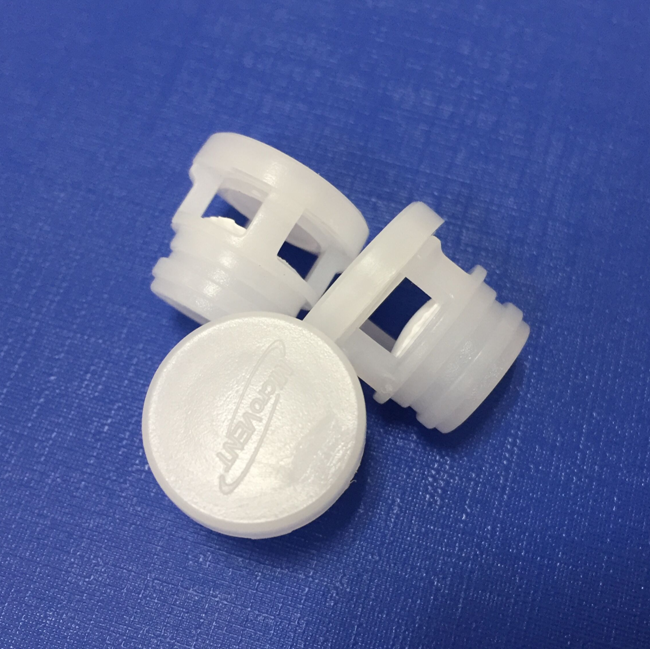
Automotive electronic control units (ECUs) operate in some of the harshest environments imaginable, facing extreme temperature swings, moisture ingress, chemical exposure, and relentless pressure fluctuations. These miniaturized yet mission-critical systems manage everything from engine performance and safety features to advanced driver assistance systems, making their reliability non-negotiable. Without proper protection, sealed ECU housings trap condensation, create internal pressure differentials during thermal cycling, and accumulate contaminants that degrade sensitive circuitry. The MicroVent® protective ePTFE membrane addresses these fundamental vulnerabilities by enabling controlled pressure equalization and moisture vapor transmission while maintaining a robust barrier against liquid water, dust, and automotive fluids.
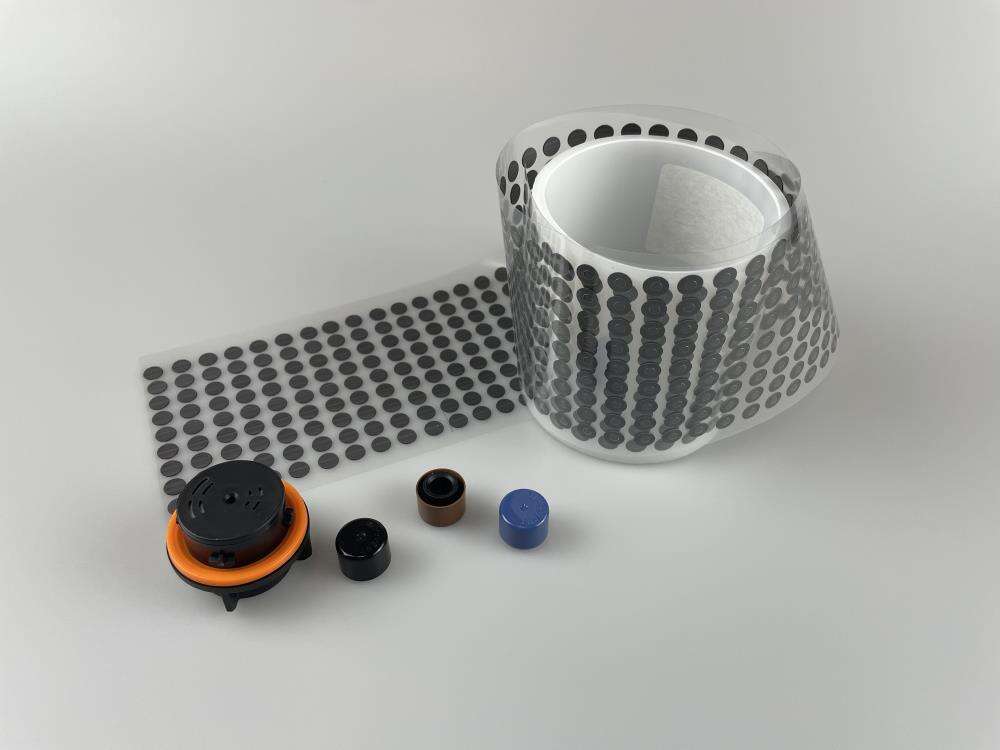
The necessity of integrating an ePTFE membrane into automotive ECU design stems from the fundamental physics of sealed electronic enclosures and the operational realities of vehicle environments. As ambient conditions shift during daily operation—from cold overnight parking to high-temperature engine compartments—air trapped inside sealed housings expands and contracts dramatically. Without venting, this creates positive and negative pressure that stresses housing seals, forces moisture-laden air inward during cooling cycles, and accelerates seal degradation. The MicroVent® protective ePTFE membrane eliminates these risks by providing a hydrophobic, breathable barrier that continuously balances internal and external pressure while blocking contaminant ingress, directly addressing the root causes of ECU failure in automotive applications.
The Critical Threat of Pressure Differential in Sealed ECU Housings
Understanding Thermal Expansion and Pressure Buildup
Automotive ECUs experience dramatic temperature excursions during normal operation, with underhood temperatures ranging from subzero conditions during winter starts to well over 125°C during sustained high-load driving. This thermal cycling causes the air volume inside sealed ECU housings to expand and contract according to the ideal gas law, creating significant pressure differentials between the internal cavity and ambient atmosphere. When internal pressure exceeds external pressure during heating, outward force stresses housing seals and gaskets. More critically, when the ECU cools and internal pressure drops below ambient, negative pressure develops that can literally pull moisture-laden air past sealing interfaces or draw condensation directly onto circuit boards.
Without an ePTFE membrane to equalize these pressure differentials, ECU manufacturers must rely solely on mechanical seals to maintain enclosure integrity under constant pressure cycling. Even premium seals gradually degrade under this stress, developing microscopic pathways that allow moisture intrusion over the vehicle's operational lifespan. The MicroVent® protective ePTFE membrane eliminates this failure mode by continuously venting pressure changes through a controlled membrane interface rather than forcing all pressure management through stressed mechanical seals. This fundamental shift in design philosophy transforms the ECU housing from a pressure vessel under constant stress to a breathable enclosure maintained at near-ambient pressure.
Condensation Formation and Internal Moisture Accumulation
The interaction between pressure differentials and moisture becomes particularly destructive when sealed ECU housings experience rapid temperature drops. Air entering a hot ECU housing during operation carries moisture vapor that remains gaseous at elevated temperatures. As the ECU cools after vehicle shutdown, this trapped moisture-laden air cools below its dew point, causing water vapor to condense directly onto circuit boards, connector pins, and component surfaces. This condensation cycle repeats with every drive cycle, progressively accumulating moisture inside the sealed housing despite external seals remaining nominally intact.
The ePTFE membrane architecture provides a solution by allowing water vapor to continuously migrate out of the ECU housing through molecular diffusion while blocking liquid water ingress. This vapor permeability is critical because it enables moisture that does enter the housing—whether through initial assembly humidity, seal microporosity, or connector interfaces—to escape rather than accumulate. Over extended operational periods, ECUs protected by MicroVent® ePTFE membrane maintain significantly lower internal humidity levels compared to sealed-only designs, directly preventing the corrosion, electrical leakage, and component degradation that moisture accumulation causes.
How ePTFE Membrane Structure Enables Selective Permeability
The Microporous Architecture of Expanded Polytetrafluoroethylene
The protective capability of ePTFE membrane technology derives from its unique microporous structure created through a mechanical expansion process applied to polytetrafluoroethylene polymer. This expansion creates a matrix of interconnected nodes and fibrils forming microscopic pores typically measuring 0.2 to 2 micrometers in diameter. These pore dimensions are carefully controlled to remain orders of magnitude smaller than liquid water droplets (typically 100+ micrometers) while being substantially larger than individual water vapor molecules (approximately 0.0003 micrometers). This size differential creates the fundamental selective permeability that makes the ePTFE membrane effective for ECU protection.
The three-dimensional structure of the ePTFE membrane also provides extremely high porosity—often exceeding 70% void volume—which enables rapid air and vapor transmission despite the small individual pore size. This combination of microscale pore dimensions with high overall porosity creates a material that breathes freely for pressure equalization purposes while maintaining an effective barrier against particulate contamination, liquid ingress, and chemical penetration. For automotive ECU applications, this means the MicroVent® protective ePTFE membrane can continuously vent pressure changes in real-time without creating pathways for the dust, dirt, oil mist, and moisture that pervade automotive environments.
Hydrophobic Surface Properties and Liquid Water Resistance
Beyond its microporous architecture, the ePTFE membrane benefits from the inherent hydrophobic properties of polytetrafluoroethylene, one of the most water-repellent materials known. This molecular-level water repellency creates extremely high contact angles with liquid water, causing droplets to bead on the membrane surface rather than wetting the pore structure. When combined with the microporous architecture, this hydrophobicity creates a powerful defense against liquid water penetration even under pressure. Water droplets cannot enter the membrane pores because surface tension forces prevent the liquid from bridging the hydrophobic pore walls, effectively creating a liquid-tight barrier.
This selective barrier function is essential for automotive ECU protection because it allows the ePTFE membrane to vent pressure and moisture vapor continuously while withstanding direct exposure to rain, spray wash events, coolant mist, and condensation on the exterior housing surface. The MicroVent® protective ePTFE membrane maintains this liquid barrier even when subjected to the hydraulic pressures encountered during vehicle washing or the sustained moisture exposure of high-humidity climates. Unlike mechanical seals that must compress elastomers to block water pathways, the hydrophobic microporous structure of the ePTFE membrane provides liquid resistance as an inherent material property rather than through applied compression force, eliminating seal relaxation and compression set as failure modes.
Protection Against Automotive Environmental Contaminants
Particulate Filtration and Dust Exclusion
Automotive environments generate substantial particulate contamination from road dust, brake wear particles, tire debris, and environmental pollutants that can severely degrade ECU performance if allowed to enter housing interiors. These particles range from coarse dust exceeding 10 micrometers to fine combustion particulates below 1 micrometer, all capable of causing electrical shorts, abrasive wear on connector contacts, and thermal management problems by coating heat transfer surfaces. The microporous structure of the ePTFE membrane provides effective filtration across this particulate size range, with pore dimensions substantially smaller than even fine dust particles.
This filtration capability transforms the ECU housing from a sealed container requiring perfect gasket integrity to prevent contamination into a breathable enclosure with built-in particulate filtration. Even if housing seals develop minor imperfections or connector seals allow minimal air movement, the ePTFE membrane acts as a final barrier preventing particulate ingress. For ECUs mounted in particularly harsh locations—such as near wheels, in engine compartments, or in undercarriage positions—this additional contamination barrier significantly extends operational life. The MicroVent® protective ePTFE membrane maintains filtration efficiency throughout its service life because the microporous structure does not degrade under normal operating conditions, unlike mechanical filters that can become clogged or compressed.
Chemical Resistance Against Automotive Fluids
Modern vehicles expose ECU housings to a complex mixture of automotive fluids including engine oils, transmission fluids, coolants, brake fluids, fuel vapors, and cleaning chemicals, any of which can degrade housing seals or contaminate internal electronics if allowed to penetrate. The polytetrafluoroethylene base material of the ePTFE membrane exhibits exceptional chemical inertness, resisting degradation from essentially all automotive fluids and maintaining its protective properties even after prolonged exposure. This chemical resistance ensures that the membrane continues functioning as a pressure equalization and moisture management device even when ECU housings experience fluid contamination externally.
The chemical stability of the ePTFE membrane becomes particularly important for ECUs in powertrain applications where oil mist, fuel vapors, and coolant exposure are inevitable over the vehicle lifespan. Unlike elastomeric materials that can swell, harden, or dissolve when exposed to these fluids, the ePTFE membrane maintains dimensional stability and pore structure integrity. This ensures that the breathing and pressure equalization functions continue operating reliably throughout the warranty period and beyond, even as other housing components may experience gradual degradation. The MicroVent® protective ePTFE membrane essentially provides a chemical-resistant breathing interface that outlasts the sealing materials it protects, fundamentally improving overall housing reliability.
Enhancing ECU Reliability and Extending Service Life
Preventing Seal Failure Through Pressure Management
The most direct reliability benefit of incorporating an ePTFE membrane into ECU housing design is the dramatic reduction in mechanical seal stress and the corresponding extension of seal service life. Traditional sealed ECU designs force all pressure differentials to be absorbed by gaskets and sealing interfaces, creating constant compressive and tensile stress cycles that gradually degrade even premium sealing materials through fatigue, compression set, and stress relaxation. By continuously venting these pressure differentials through the membrane, the MicroVent® protective ePTFE membrane eliminates the primary stress mechanism causing seal degradation, fundamentally extending seal operational life.
This pressure management function is particularly valuable for ECUs with complex housing geometries, multiple connector penetrations, or large internal volumes where pressure differentials become more pronounced. Each connector seal, wire penetration, and housing interface represents a potential failure point under pressure cycling, and the cumulative failure probability increases with housing complexity. The ePTFE membrane addresses this scaling challenge by eliminating pressure as a failure driver across all sealing interfaces simultaneously, reducing warranty costs and field failures even as ECU complexity continues increasing in modern vehicles. Field data from automotive applications consistently demonstrates that ECUs protected by ePTFE membrane technology exhibit significantly lower moisture intrusion failure rates compared to sealed-only designs.
Reducing Condensation-Related Component Degradation
Beyond preventing catastrophic seal failure, the ePTFE membrane extends ECU service life by continuously managing internal humidity levels and preventing the gradual component degradation caused by moisture exposure. Even trace moisture inside ECU housings accelerates corrosion of connector pins, causes electrochemical migration on circuit board surfaces, degrades solder joint integrity, and increases electrical leakage paths between conductors. These degradation mechanisms develop slowly over thousands of thermal cycles, progressively reducing noise margins, increasing power consumption, and eventually causing intermittent failures that are notoriously difficult to diagnose in warranty return analysis.
The vapor permeability of the ePTFE membrane prevents these slow degradation mechanisms by maintaining internal humidity near equilibrium with external conditions rather than allowing moisture accumulation during thermal cycling. This continuous moisture management is particularly important for ECUs that experience infrequent operation—such as those in vehicles used for short trips or stored for extended periods—where traditional desiccant approaches become saturated and lose effectiveness. The MicroVent® protective ePTFE membrane provides passive, continuous moisture management without requiring replacement or regeneration, ensuring consistent protection throughout the vehicle operational lifespan regardless of usage patterns.
Implementation Considerations for Automotive ECU Design
Membrane Sizing and Airflow Requirements
Proper implementation of ePTFE membrane technology in automotive ECU design requires careful consideration of membrane effective area relative to housing internal volume and expected thermal cycling rates. Undersized membranes cannot vent pressure changes rapidly enough during severe thermal transients, resulting in residual pressure differentials that partially defeat the protective intent. Conversely, oversized membranes unnecessarily increase housing cost and may create packaging challenges. Engineering best practice involves calculating the required membrane effective area based on internal housing volume, expected temperature change rates, and acceptable residual pressure differential during worst-case thermal cycling.
The MicroVent® protective ePTFE membrane is available in various effective area configurations to accommodate different ECU sizes and venting requirements, from compact sensor housings requiring only a few square millimeters of effective area to large powertrain control modules needing substantially larger venting capacity. Membrane selection should also consider the mounting location, with ECUs in high-temperature underhood locations requiring more aggressive venting capacity compared to those in climate-controlled interior positions. Proper membrane sizing ensures that pressure equalization occurs faster than thermal cycling can generate significant differentials, maintaining near-ambient internal pressure throughout all operating conditions.
Integration with Housing Design and Assembly Processes
Successful ePTFE membrane integration requires thoughtful housing design that protects the membrane from direct mechanical impact while ensuring unobstructed airflow paths between the membrane and housing interior. Common implementation approaches include recessed membrane mounting with protective grilles, incorporation into connector assemblies, or integration into dedicated vent boss features on housing surfaces. The membrane must be positioned to avoid direct spray impact during vehicle washing while remaining accessible to ambient air for effective pressure equalization. Housing design should also consider serviceability, though the chemical and physical durability of the ePTFE membrane typically ensures that membrane replacement is unnecessary during normal vehicle service life.
Manufacturing and assembly processes must preserve membrane integrity and ensure proper sealing between the membrane perimeter and housing interface. The MicroVent® protective ePTFE membrane is typically supplied with integrated mounting hardware or adhesive sealing systems designed for automated assembly processes, enabling cost-effective high-volume production integration. Assembly procedures should include validation testing to confirm that membrane installation maintains both the breathing function and the contamination barrier, typically through pressure decay testing or helium leak testing protocols. Quality control processes ensure that each ECU achieves the protective benefits of ePTFE membrane technology without introducing assembly-related failure modes.
FAQ
What happens if an automotive ECU is sealed without an ePTFE membrane?
ECUs sealed without an ePTFE membrane experience continuous pressure cycling stress on housing seals during thermal expansion and contraction, which gradually degrades seal integrity and allows moisture intrusion. Additionally, any moisture that enters during assembly or through microscopic seal imperfections becomes trapped inside, leading to condensation accumulation, corrosion, and progressive component degradation. Over the vehicle operational lifespan, these mechanisms significantly increase failure probability and reduce electronic reliability compared to ePTFE membrane-protected designs.
How does the ePTFE membrane maintain its protective properties in high-temperature automotive environments?
Polytetrafluoroethylene exhibits exceptional thermal stability with continuous operating capability exceeding 260°C, far above the maximum temperatures encountered in automotive ECU applications. The microporous structure of the ePTFE membrane remains dimensionally stable across this temperature range, maintaining consistent pore size, hydrophobic properties, and vapor permeability throughout thermal cycling. This thermal stability ensures that the MicroVent® protective ePTFE membrane continues providing pressure equalization and contamination protection reliably even in the most demanding underhood environments where ECU housing surfaces regularly exceed 125°C.
Can the ePTFE membrane become clogged with contaminants and lose effectiveness over time?
The microporous structure and hydrophobic surface properties of the ePTFE membrane provide inherent resistance to contamination accumulation that would block airflow. Liquid contaminants cannot penetrate the hydrophobic pore structure, while the small pore size prevents most particulate matter from entering the membrane matrix. Field experience in automotive applications demonstrates that ePTFE membrane venting performance remains stable over typical vehicle lifespans even in harsh environments. The MicroVent® protective ePTFE membrane is engineered with sufficient effective area and pore volume that minor surface contamination does not significantly impact pressure equalization capability.
Is ePTFE membrane protection necessary for all automotive ECU applications or only specific high-risk installations?
While the severity of environmental exposure varies by mounting location, all automotive ECUs experience thermal cycling and the associated pressure differential challenges that ePTFE membrane technology addresses. Even ECUs in relatively protected interior locations undergo temperature swings during daily operation and seasonal changes that create condensation risk in sealed housings. The cost and complexity of incorporating ePTFE membrane protection are minimal compared to the warranty costs and reliability risks of moisture-related failures, making membrane integration a best practice across automotive electronic control applications regardless of specific mounting location. The MicroVent® protective ePTFE membrane provides reliability insurance that benefits all ECU installations.
Table of Contents
- The Critical Threat of Pressure Differential in Sealed ECU Housings
- How ePTFE Membrane Structure Enables Selective Permeability
- Protection Against Automotive Environmental Contaminants
- Enhancing ECU Reliability and Extending Service Life
- Implementation Considerations for Automotive ECU Design
-
FAQ
- What happens if an automotive ECU is sealed without an ePTFE membrane?
- How does the ePTFE membrane maintain its protective properties in high-temperature automotive environments?
- Can the ePTFE membrane become clogged with contaminants and lose effectiveness over time?
- Is ePTFE membrane protection necessary for all automotive ECU applications or only specific high-risk installations?
