 EN
EN
 AR
AR
 CS
CS
 FR
FR
 DE
DE
 IT
IT
 JA
JA
 KO
KO
 PT
PT
 RU
RU
 ES
ES
 ID
ID
 VI
VI
 TH
TH
 TR
TR
 MS
MS

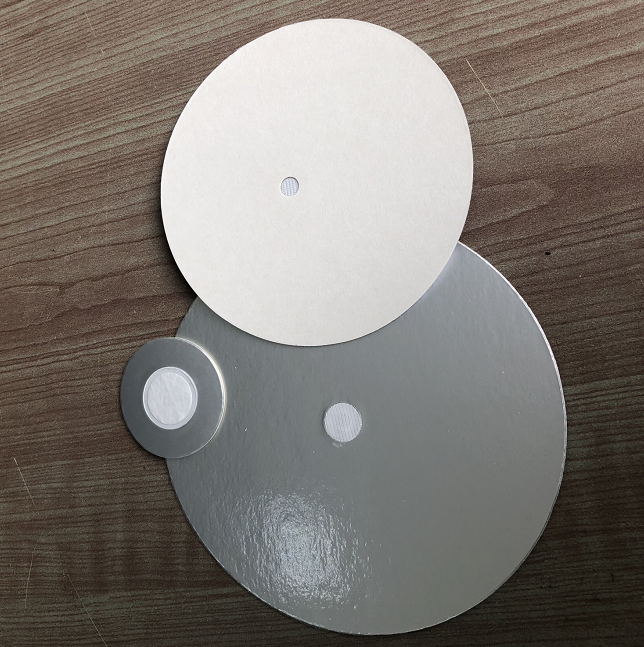
Laboratory environments demand materials that withstand aggressive chemicals, extreme pH levels, and continuous exposure to corrosive substances without degrading or contaminating sensitive processes. The MicroVent® porous ePTFE membrane delivers exactly this capability, providing exceptional chemical resistance that makes it an ideal solution for laboratory applications ranging from filtration systems to protective venting in analytical equipment. This advanced membrane technology combines the inherent stability of expanded polytetrafluoroethylene with a carefully engineered porous structure that maintains its integrity across virtually the entire spectrum of laboratory chemicals.
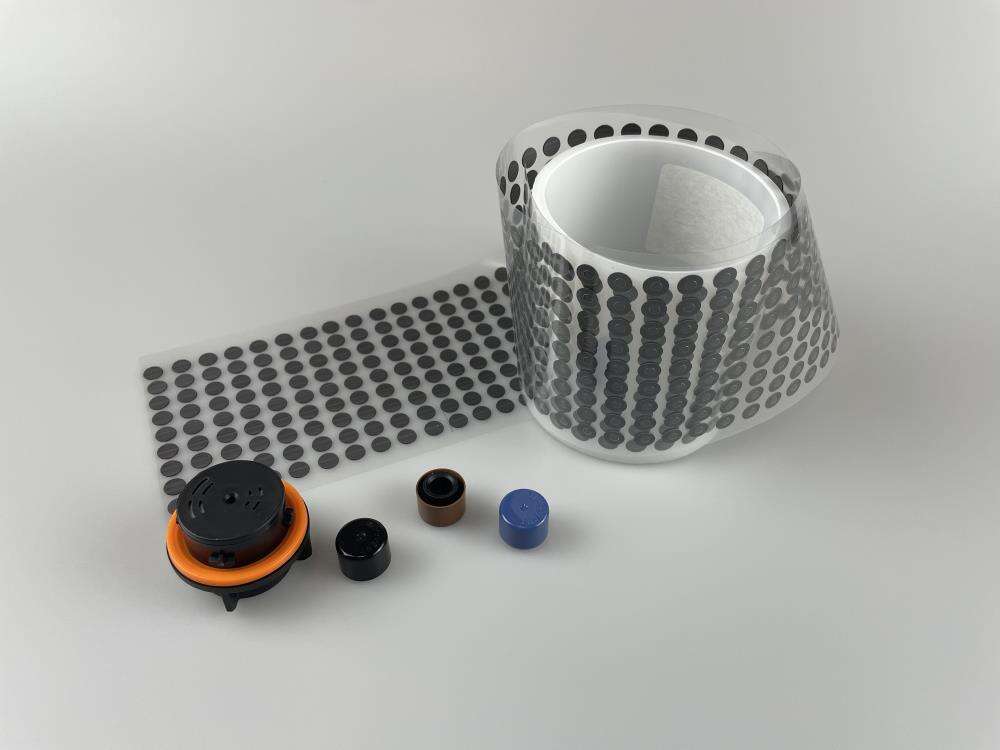
Understanding why the MicroVent® porous ePTFE membrane excels in laboratory settings requires examining both the fundamental chemistry of expanded PTFE and the specific structural characteristics that enable it to resist chemical attack while maintaining essential functional properties. Laboratories routinely handle concentrated acids, organic solvents, bases, oxidizing agents, and complex mixtures that would quickly degrade conventional polymeric materials. The porous ePTFE membrane maintains dimensional stability, structural integrity, and consistent performance even after prolonged exposure to these harsh chemical environments, making it a reliable choice for critical laboratory infrastructure.
Chemical Resistance Foundations of Porous ePTFE Membrane Technology
Molecular Structure and Inertness Characteristics
The exceptional chemical resistance of the porous ePTFE membrane originates from the carbon-fluorine bonds in its molecular structure, which represent some of the strongest bonds in organic chemistry. These bonds create a highly stable polymer backbone that resists attack from acids, bases, oxidizers, and reducing agents across a temperature range suitable for most laboratory applications. Unlike many polymeric materials that contain reactive functional groups or weak points in their molecular architecture, the porous ePTFE membrane consists of long chains of fully fluorinated carbon atoms that present virtually no sites for chemical attack or degradation.
The expanded structure of this membrane material enhances its utility in laboratory settings by creating a network of interconnected nodes and fibrils that maintain porosity while preserving the chemical inertness of solid PTFE. This microstructure allows the porous ePTFE membrane to perform filtration, venting, and separation functions without absorbing or reacting with the chemicals it contacts. The membrane surface exhibits extremely low surface energy, which prevents most liquids from wetting or penetrating the material spontaneously, providing an additional layer of protection in laboratory applications where chemical splash or aerosol exposure occurs regularly.
Comparative Performance Against Laboratory Chemical Classes
When exposed to mineral acids including sulfuric acid, hydrochloric acid, nitric acid, and phosphoric acid at concentrations routinely used in laboratory operations, the porous ePTFE membrane demonstrates no measurable degradation in mechanical properties, pore structure, or dimensional characteristics. This resistance extends across a wide pH range, from highly acidic solutions below pH 1 to concentrated alkaline solutions above pH 14, conditions that would quickly compromise membranes fabricated from polyamide, cellulose acetate, polysulfone, or other common filtration materials. Laboratory managers who specify porous ePTFE membrane technology for their critical applications benefit from extended service life and reduced maintenance requirements compared to alternative membrane materials.
Organic solvents present particular challenges in laboratory environments, as many analytical procedures, extraction processes, and cleaning protocols utilize compounds such as acetone, methanol, dichloromethane, hexane, toluene, and tetrahydrofuran. The porous ePTFE membrane maintains its structural integrity and functional characteristics when exposed to these solvents, whereas many competitive membrane materials swell, dissolve, or lose their pore structure when contacted by aggressive organic compounds. This solvent resistance makes the porous ePTFE membrane particularly valuable in chromatography systems, solvent filtration applications, and protective venting for chemical storage containers used in analytical laboratories.
Oxidative Stability and Reactive Chemical Exposure
Laboratory work frequently involves oxidizing agents such as hydrogen peroxide, peracetic acid, permanganate solutions, and chlorine-based compounds that rapidly attack most organic materials. The porous ePTFE membrane resists oxidative degradation even when exposed to concentrated oxidizers at elevated temperatures, maintaining its pore structure and mechanical properties under conditions that would cause chain scission, crosslinking, or complete failure in other polymeric membranes. This oxidative stability extends the useful life of laboratory equipment incorporating the membrane and ensures consistent performance in applications where sterilization or disinfection with oxidizing agents occurs regularly.
Strong reducing agents and reactive organometallic compounds also pose minimal threat to the porous ePTFE membrane, which shows no tendency to react with lithium aluminum hydride, sodium borohydride, Grignard reagents, or other highly reactive species commonly encountered in synthetic chemistry laboratories. This comprehensive chemical resistance allows laboratory designers to specify a single membrane material across multiple applications rather than maintaining inventories of specialized membranes for different chemical environments. The resulting simplification in procurement, inventory management, and maintenance procedures represents significant operational advantages for laboratory facilities.
Laboratory Applications Leveraging Chemical Resistance Properties
Filtration Systems in Analytical and Preparative Workflows
High-performance liquid chromatography systems, gas chromatography sample preparation, and other analytical workflows require filtration of mobile phases, samples, and standards using materials that introduce no chemical interference or contamination. The porous ePTFE membrane serves as an ideal filtration medium in these applications because it resists dissolution or swelling in aggressive solvents while providing efficient particulate removal. Laboratory technicians can confidently filter concentrated acids, strong bases, or complex solvent mixtures through porous ePTFE membrane filters knowing that the membrane will not leach extractables, alter solution chemistry, or introduce artifacts into analytical results.
Preparative chemistry operations involving corrosive reagents, air-sensitive materials, or toxic compounds benefit from the chemical resistance and reliability of the porous ePTFE membrane in various filtration configurations. Vacuum filtration assemblies, pressure-driven filtration systems, and syringe filters incorporating this membrane technology provide chemists with tools that maintain performance across extended use periods without the membrane degradation or failure that would interrupt laboratory operations. The mechanical strength of the porous ePTFE membrane supports differential pressures commonly encountered in laboratory filtration while its chemical inertness ensures that the membrane itself never becomes a limiting factor in the filtration process.
Protective Venting for Laboratory Equipment and Containers
Chemical storage containers, solvent waste collection systems, and reaction vessels in laboratory settings require venting solutions that equalize pressure while preventing liquid ingress and providing barrier protection against environmental contaminants. The porous ePTFE membrane addresses these requirements through its hydrophobic characteristics, which allow air and vapor transmission while blocking liquid water and aqueous solutions. Laboratory equipment incorporating MicroVent® porous ePTFE membrane venting maintains proper pressure equilibration during filling, emptying, and temperature cycling operations while the membrane's chemical resistance ensures long-term functionality even when exposed to solvent vapors, acid fumes, or other aggressive chemical atmospheres.
Analytical instruments including pH meters, ion-selective electrodes, and reference electrodes incorporate the porous ePTFE membrane in specialized venting configurations that allow ionic conductivity while preventing bulk liquid mixing and contamination. The membrane's chemical resistance enables these electrochemical systems to function reliably in measurements involving extreme pH values, high ionic strength solutions, or organic solvent systems where conventional venting materials would quickly fail. Laboratory researchers depend on the consistent performance provided by porous ePTFE membrane technology in these critical measurement applications where electrode stability directly affects data quality and experimental reproducibility.
Sample Preparation and Separation Processes
Solid phase extraction procedures used to concentrate analytes from complex matrices or remove interfering compounds rely on membrane materials that resist the various solvents and chemical conditions encountered during the extraction sequence. The porous ePTFE membrane functions effectively as a retaining membrane in SPE cartridges, allowing elution solvents to pass while retaining the solid phase sorbent material. Its chemical resistance ensures that the membrane maintains its integrity throughout the conditioning, loading, washing, and elution steps that may involve incompatible solvents or pH extremes in sequence during a single sample preparation protocol.
Membrane-based separation techniques including dialysis, ultrafiltration, and membrane extraction for environmental analysis or pharmaceutical development benefit from the broad chemical compatibility of the porous ePTFE membrane. Researchers can design separation protocols without concerning themselves with membrane degradation or chemical interactions that would compromise separation efficiency or introduce contamination into purified fractions. The stable pore structure of the porous ePTFE membrane provides consistent selectivity and throughput characteristics across repeated use cycles, even when processing chemically aggressive samples or using harsh cleaning protocols to restore membrane performance between runs.
Performance Characteristics Supporting Laboratory Applications
Thermal Stability Complementing Chemical Resistance
Laboratory operations frequently involve temperature variations from cryogenic conditions during sample storage to elevated temperatures during reactions, sterilization, or analytical instrument operation. The porous ePTFE membrane maintains its chemical resistance across a temperature range from cryogenic conditions approaching absolute zero to continuous operating temperatures exceeding one hundred fifty degrees Celsius. This thermal stability complements the membrane's chemical resistance by ensuring that laboratory equipment incorporating the membrane functions reliably across the full temperature range encountered in normal operations, including autoclaving, thermal cycling, and exposure to hot corrosive vapors.
The combination of chemical and thermal resistance makes the porous ePTFE membrane particularly suitable for laboratory applications requiring repeated sterilization cycles. Research laboratories working with biological materials, pharmaceutical development facilities maintaining sterile conditions, and quality control laboratories following validated procedures can sterilize equipment containing this membrane using steam autoclaving, dry heat, ethylene oxide, or chemical sterilants without degrading membrane performance or altering its filtration characteristics. This sterilization capability extends equipment service life and maintains consistent performance in applications where sterility assurance is essential.
Mechanical Integrity Under Laboratory Conditions
Despite its porous structure, the porous ePTFE membrane exhibits robust mechanical properties that withstand the physical stresses encountered in laboratory applications. The membrane resists tearing during installation, maintains its integrity under differential pressure, and shows excellent flex-fatigue resistance in applications involving vibration or repeated pressure cycling. Laboratory equipment designers can specify thinner porous ePTFE membrane configurations for applications requiring high air flow or rapid vapor transmission while thicker membrane structures provide enhanced mechanical strength for high-pressure filtration or extended service life in demanding applications.
The mechanical properties of the porous ePTFE membrane remain stable even after prolonged exposure to aggressive chemicals, whereas many alternative membrane materials experience embrittlement, plasticization, or weakening when contacted by solvents or extreme pH solutions. This retention of mechanical integrity ensures that laboratory equipment continues to operate safely and reliably throughout its intended service life without unexpected membrane failure that could lead to chemical spills, contamination events, or equipment damage. Facility managers appreciate this reliability factor when specifying critical laboratory infrastructure components.
Dimensional Stability and Consistent Performance
Many polymeric membrane materials swell when exposed to organic solvents or shrink when contacted by certain chemical solutions, leading to changes in pore size distribution, flow characteristics, or filtration efficiency. The porous ePTFE membrane maintains dimensional stability across exposure to the full range of laboratory chemicals, ensuring consistent performance characteristics regardless of the specific chemical environment. This dimensional stability simplifies laboratory procedure development because researchers can rely on constant membrane properties rather than compensating for variations in membrane behavior across different chemical conditions.
Batch-to-batch consistency in pore structure, thickness, and performance characteristics represents another advantage of the porous ePTFE membrane in laboratory applications where reproducible results are essential. The manufacturing processes used to produce this membrane material create highly uniform products with tightly controlled specifications, allowing laboratory personnel to develop validated procedures with confidence that membrane performance will remain consistent across multiple lots of material over extended time periods. This consistency reduces variability in analytical results, improves process reproducibility, and simplifies method validation efforts in regulated laboratory environments.
Selection Considerations for Laboratory Applications
Matching Membrane Properties to Application Requirements
Selecting the appropriate porous ePTFE membrane configuration for a specific laboratory application requires consideration of factors including required flow rate, particle retention characteristics, membrane area, and housing compatibility. The membrane is available in various pore size grades ranging from fine filtration suitable for removing bacteria and particles down to sub-micrometer dimensions to more open structures providing minimal flow restriction for venting and gas exchange applications. Laboratory equipment designers work with membrane suppliers to identify the optimal pore size specification that balances filtration efficiency, flow capacity, and service life for each specific application.
Membrane thickness represents another selection parameter affecting both mechanical properties and flow characteristics of the porous ePTFE membrane. Thinner membranes provide higher flow rates and faster vapor transmission but may require additional mechanical support in some applications, while thicker membranes offer enhanced mechanical strength and extended service life at the cost of somewhat reduced flow capacity. Understanding these trade-offs allows laboratory managers to specify membrane configurations that optimize performance for their particular application requirements while leveraging the fundamental chemical resistance that makes the porous ePTFE membrane suitable for laboratory use.
Integration into Laboratory Equipment and Systems
The porous ePTFE membrane integrates into laboratory equipment through various mounting methods including adhesive bonding, thermal welding, mechanical clamping, and insertion into standard filter housings. Equipment manufacturers select integration methods based on the specific application requirements, chemical exposure conditions, and desired service life. Adhesive bonding using chemically resistant adhesives provides permanent attachment suitable for disposable devices, while mechanical clamping facilitates membrane replacement in reusable laboratory equipment. The flexibility in integration methods allows designers to incorporate the membrane into both new equipment designs and retrofit applications for existing laboratory systems.
Compatibility with standard laboratory equipment formats simplifies adoption of porous ePTFE membrane technology in existing laboratory workflows. The membrane is available in disc formats for standard filter holders, as roll goods for custom fabrication, and pre-assembled into various cartridge and capsule configurations compatible with industry-standard laboratory equipment. This broad format availability allows laboratory personnel to implement the chemical resistance advantages of the porous ePTFE membrane without requiring wholesale replacement of existing equipment or extensive modifications to established procedures.
Life Cycle Cost Analysis for Laboratory Applications
While the porous ePTFE membrane may command a higher initial cost compared to some alternative membrane materials, its extended service life in chemically aggressive laboratory environments typically results in lower total cost of ownership. Laboratories that previously experienced frequent membrane failures or degradation when using conventional materials find that the porous ePTFE membrane operates reliably for much longer periods, reducing replacement frequency, minimizing unplanned maintenance, and eliminating productivity losses associated with equipment downtime. The reduced failure rate also enhances laboratory safety by eliminating unexpected releases of hazardous chemicals due to membrane failure.
The broad chemical compatibility of the porous ePTFE membrane allows laboratories to standardize on a single membrane material across multiple applications rather than maintaining inventories of specialized membranes for different chemical environments. This standardization simplifies procurement, reduces inventory carrying costs, and streamlines maintenance procedures by eliminating the need for technicians to select application-specific membrane materials. The operational efficiencies gained through standardization often exceed the direct cost savings from extended membrane service life, making the porous ePTFE membrane an economically attractive choice for laboratory facilities handling diverse chemical inventories.
FAQ
What specific chemicals or chemical classes might still affect porous ePTFE membrane performance in laboratory use?
While the porous ePTFE membrane demonstrates exceptional resistance to virtually all laboratory chemicals, a small number of extremely aggressive substances can affect the material under specific conditions. Elemental alkali metals in molten form, certain fluorinating agents at elevated temperatures, and some complex organometallic compounds under specialized conditions represent the narrow range of chemicals that may interact with ePTFE. For typical laboratory applications involving standard acids, bases, solvents, and reagents at conventional use temperatures and concentrations, the membrane maintains complete chemical resistance with no degradation or performance changes over extended service periods.
How does the chemical resistance of porous ePTFE membrane compare to other common laboratory membrane materials like PVDF or nylon?
The porous ePTFE membrane offers significantly broader chemical resistance compared to polyvinylidene fluoride, nylon, cellulose acetate, polysulfone, or polyethersulfone membranes commonly used in laboratory applications. While PVDF provides good resistance to many chemicals, it shows limited compatibility with strong bases, certain ketones, and some polar aprotic solvents where ePTFE remains completely stable. Nylon membranes offer excellent performance in aqueous systems but dissolve or degrade in strong acids and many organic solvents. The porous ePTFE membrane functions reliably across this full chemical spectrum, making it the most universally compatible membrane material for diverse laboratory applications where chemical exposure conditions may vary or where a single membrane type must serve multiple purposes.
Can porous ePTFE membrane be cleaned and reused in laboratory applications, or is it intended for single-use disposable service?
The chemical resistance and mechanical durability of the porous ePTFE membrane support both single-use disposable applications and cleanable reusable configurations depending on specific application requirements and contamination control considerations. For laboratory equipment such as protective vents on chemical storage containers or reusable filtration assemblies, the membrane can be cleaned using appropriate solvents, detergents, or oxidizing agents without degradation, then returned to service multiple times. Analytical applications requiring elimination of cross-contamination or laboratories following validated procedures may specify single-use membrane configurations to ensure consistent performance and eliminate carryover concerns. The membrane's chemical resistance ensures that aggressive cleaning protocols effectively remove contaminants without damaging the membrane structure when reuse is appropriate.
What factors determine the service life of porous ePTFE membrane in laboratory equipment exposed to aggressive chemicals?
Service life of the porous ePTFE membrane in laboratory applications typically depends on mechanical wear, particulate loading, or application-specific factors rather than chemical degradation since the membrane resists attack from essentially all common laboratory chemicals. In filtration applications, membrane service life ends when particulate accumulation increases flow resistance beyond acceptable levels or when breakthrough of particles occurs, not because of chemical breakdown. For protective venting applications, service life may extend for years of continuous chemical vapor exposure without measurable change in membrane properties. Mechanical stress from repeated pressure cycling, abrasion from moving parts, or physical damage during handling and maintenance represent the primary life-limiting factors rather than chemical effects. Proper system design that minimizes mechanical stress and incorporates appropriate prefiltration where needed maximizes the extended service life enabled by the membrane's exceptional chemical resistance.
Table of Contents
- Chemical Resistance Foundations of Porous ePTFE Membrane Technology
- Laboratory Applications Leveraging Chemical Resistance Properties
- Performance Characteristics Supporting Laboratory Applications
- Selection Considerations for Laboratory Applications
-
FAQ
- What specific chemicals or chemical classes might still affect porous ePTFE membrane performance in laboratory use?
- How does the chemical resistance of porous ePTFE membrane compare to other common laboratory membrane materials like PVDF or nylon?
- Can porous ePTFE membrane be cleaned and reused in laboratory applications, or is it intended for single-use disposable service?
- What factors determine the service life of porous ePTFE membrane in laboratory equipment exposed to aggressive chemicals?
