 EN
EN
 AR
AR
 CS
CS
 FR
FR
 DE
DE
 IT
IT
 JA
JA
 KO
KO
 PT
PT
 RU
RU
 ES
ES
 ID
ID
 VI
VI
 TH
TH
 TR
TR
 MS
MS

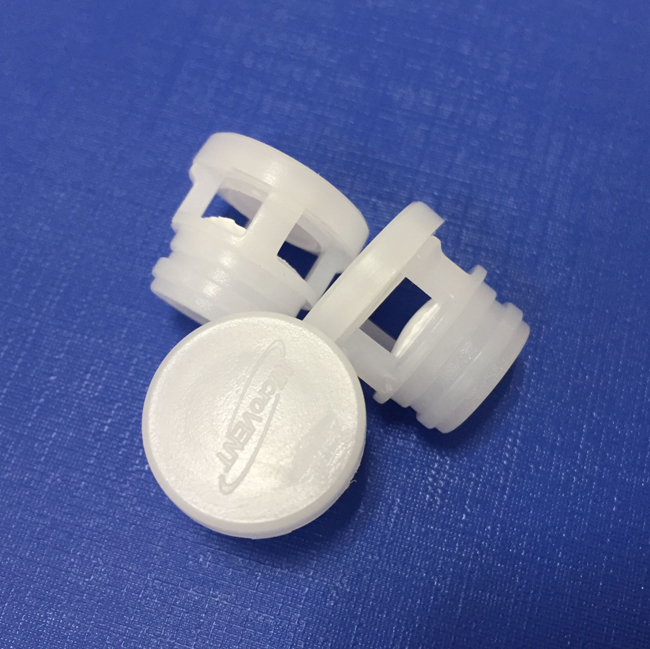
The agrochemical industry faces unique packaging challenges that demand solutions capable of protecting volatile and sensitive formulations while maintaining product integrity throughout storage and transportation. Traditional packaging methods often fall short in addressing pressure buildup, contamination risks, and cost efficiency simultaneously. Among the various protective packaging technologies available today, the MicroVent® bottle liner has emerged as a breakthrough innovation that delivers exceptional value by combining advanced pressure equalization technology with practical economic benefits specifically tailored for agrochemical manufacturers and distributors.
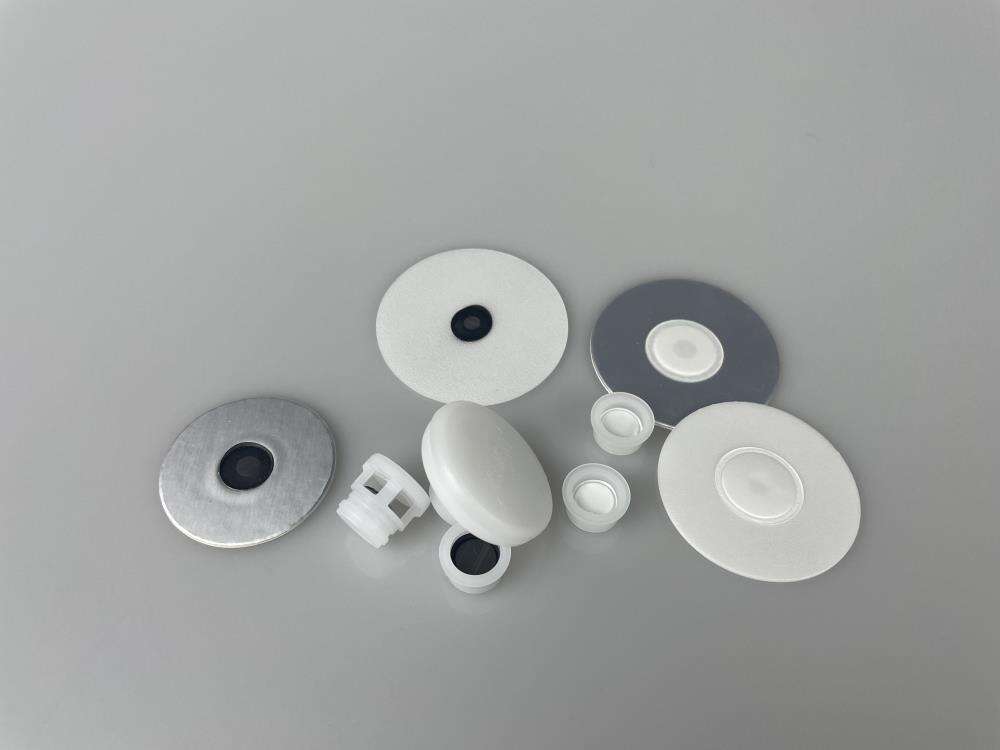
Cost-effectiveness in agrochemical packaging extends beyond simple unit pricing to encompass total ownership value including product protection, regulatory compliance, operational efficiency, and long-term brand reputation preservation. The MicroVent® bottle liner addresses each of these dimensions through its innovative microporous venting membrane design that allows controlled gas exchange while preventing liquid penetration and contamination. This technical sophistication translates directly into measurable financial advantages that impact every stage of the agrochemical supply chain from manufacturing through end-user application.
Understanding the Economic Impact of Packaging Failures in Agrochemical Distribution
Direct Financial Losses from Container Deformation and Product Rejection
Agrochemical formulations containing volatile organic compounds frequently generate internal pressure as temperatures fluctuate during shipping and storage. Without proper pressure equalization mechanisms, this pressure buildup causes container deformation, cap loosening, and occasional rupture that leads to immediate product loss and disposal costs. Industry data indicates that pressure-related packaging failures can account for up to 3-7% of total product inventory in conventional packaging systems, representing substantial direct financial losses for manufacturers and distributors operating on tight profit margins.
The MicroVent® bottle liner eliminates these pressure-related failures by incorporating a precision-engineered membrane that allows internal gases to escape while maintaining an effective barrier against external contamination and moisture ingress. This pressure equalization function prevents container distortion even under extreme temperature variations commonly encountered during international shipping and outdoor storage conditions. By eliminating deformation-related rejections, the MicroVent® bottle liner delivers immediate cost savings that typically exceed the incremental investment in this advanced liner technology.
Hidden Costs of Contamination and Quality Compromises
Traditional bottle liners without venting capability create a sealed environment that traps volatile components and reaction byproducts, potentially leading to pressure-induced seal failures that compromise product purity. When agricultural chemicals become contaminated or degraded due to inadequate packaging protection, the resulting quality issues extend far beyond immediate product replacement costs to include customer complaints, regulatory investigations, brand damage, and potential liability exposure.
The microporous membrane technology integrated into the MicroVent® bottle liner provides selective permeability that releases pressure-generating gases while blocking liquid agrochemical formulations and external contaminants. This controlled gas exchange mechanism maintains optimal internal conditions that preserve product stability and chemical integrity throughout extended storage periods. The contamination prevention capability of the MicroVent® bottle liner translates into quantifiable savings by reducing quality-related returns, minimizing batch rejections, and protecting brand reputation in competitive agrochemical markets.
Operational Inefficiencies and Labor Cost Implications
Packaging systems that require special handling procedures, frequent inspection protocols, or additional protective measures impose hidden labor costs that accumulate throughout distribution operations. Conventional bottle closures lacking pressure management features often necessitate periodic venting procedures, special storage orientation requirements, or temperature-controlled environments that increase operational complexity and associated labor expenses.
Implementation of the MicroVent® bottle liner simplifies operational procedures by providing automatic pressure equalization that eliminates manual venting requirements and reduces inspection frequency. Distribution personnel can handle packaged agrochemicals using standard protocols without special precautions for pressure-sensitive containers. This operational simplification reduces training requirements, minimizes handling time, and decreases the likelihood of procedural errors that could compromise product integrity or worker safety.
Technical Design Features that Drive Cost-Effectiveness
Microporous Membrane Engineering and Material Efficiency
The cost-effectiveness of the MicroVent® bottle liner stems fundamentally from its sophisticated yet manufacturable membrane design that achieves selective permeability through precise pore size control. The microporous structure allows gas molecules to pass freely while creating an effective barrier against liquid agrochemical formulations regardless of viscosity or surface tension characteristics. This technical capability is achieved using advanced polymer processing techniques that optimize material utilization while maintaining consistent performance specifications.
Manufacturing efficiency represents a critical component of the MicroVent® bottle liner value proposition, as the production process integrates membrane fabrication with liner forming operations to minimize material waste and reduce unit costs. The liner design utilizes commodity polyethylene resins combined with specialized membrane materials in a configuration that balances performance requirements with economic constraints. This materials engineering approach enables competitive pricing relative to conventional liners while delivering substantially enhanced functional performance.
Universal Compatibility and Installation Simplicity
The MicroVent® bottle liner incorporates dimensional specifications and physical properties that ensure compatibility with standard agrochemical bottle formats and closure systems without requiring specialized equipment modifications or complex installation procedures. This universal fit characteristic eliminates the capital investment and operational disruption often associated with adopting new packaging technologies, allowing agrochemical manufacturers to implement the MicroVent® bottle liner using existing filling lines and quality control protocols.
Installation simplicity directly impacts labor productivity during packaging operations, as the MicroVent® bottle liner can be inserted using manual or automated placement methods without specialized training or precision adjustment requirements. The liner design includes features that facilitate proper positioning and sealing against the bottle neck while maintaining the venting membrane in optimal functional orientation. This ease of implementation reduces adoption barriers and accelerates return on investment for organizations transitioning from conventional closure systems.
Durability and Long-Term Performance Stability
Economic value in packaging solutions depends critically on maintaining consistent performance throughout the product lifecycle from initial filling through end-user consumption. The MicroVent® bottle liner utilizes chemically resistant materials and robust construction methods that ensure dimensional stability and functional integrity even when exposed to aggressive agrochemical formulations, temperature extremes, and mechanical stresses encountered during distribution and storage.
Long-term performance stability of the MicroVent® bottle liner eliminates costs associated with premature liner failure, seal degradation, or membrane clogging that could compromise pressure equalization functionality. Accelerated aging studies demonstrate that the liner maintains effective venting performance and barrier properties throughout typical shelf life periods for agrochemical products, providing reliable protection that justifies the initial investment through consistent value delivery over extended service intervals.
Comparative Economic Analysis Against Alternative Packaging Solutions
Total Cost of Ownership Versus Conventional Non-Venting Liners
Direct price comparison between the MicroVent® bottle liner and basic non-venting closure systems reveals a modest unit cost differential that must be evaluated within the context of total ownership economics. While conventional liners may offer lower initial purchase prices, they fail to address pressure-related risks that generate substantial downstream costs including product losses, quality issues, and operational inefficiencies that collectively exceed any upfront savings.
Comprehensive financial modeling that incorporates direct product loss prevention, contamination risk reduction, and operational efficiency improvements consistently demonstrates favorable payback periods for MicroVent® bottle liner adoption. For agrochemical manufacturers processing volatile formulations or operating in challenging distribution environments, the total cost advantage typically becomes apparent within the first production quarter as pressure-related failures are eliminated and quality consistency improves across distribution channels.
Performance and Cost Comparison with Complex Venting Cap Systems
Alternative approaches to pressure management in agrochemical packaging include sophisticated venting cap assemblies that incorporate mechanical valves or spring-loaded mechanisms to release internal pressure. While these complex closure systems can provide effective pressure control, they introduce significantly higher component costs, potential mechanical failure modes, and increased manufacturing complexity that impacts both unit economics and operational reliability.
The MicroVent® bottle liner achieves comparable or superior pressure equalization performance using a passive membrane technology that contains no moving parts, requires no maintenance, and functions reliably without adjustment or monitoring. This simplicity advantage translates directly into lower unit costs, reduced failure rates, and simplified quality assurance protocols compared to mechanical venting systems. For applications requiring consistent pressure management without mechanical complexity, the MicroVent® bottle liner represents the optimal balance between performance capability and economic efficiency.
Risk-Adjusted Value in Regulatory Compliance Environments
Agrochemical packaging must satisfy stringent regulatory requirements governing product containment, transportation safety, and environmental protection across multiple jurisdictions. Non-compliant packaging systems expose manufacturers to enforcement actions, product recalls, and market access restrictions that carry enormous financial consequences far exceeding any packaging cost considerations.
The MicroVent® bottle liner supports regulatory compliance by providing documented pressure equalization performance that prevents container overpressurization while maintaining effective containment of liquid formulations. This dual functionality addresses key regulatory concerns regarding transportation safety and environmental protection, reducing compliance risk and supporting market access in jurisdictions with demanding packaging standards. The risk mitigation value of compliant packaging represents a substantial but often overlooked component of the MicroVent® bottle liner economic proposition.
Implementation Strategies that Maximize Cost-Effectiveness
Targeted Application Selection and Deployment Priorities
Organizations seeking to maximize the economic benefits of the MicroVent® bottle liner should prioritize implementation in applications where pressure-related risks are highest and potential cost savings are most significant. Volatile organic formulations, high-temperature distribution environments, and long-duration storage scenarios represent ideal initial deployment opportunities where the value proposition becomes most compelling and payback periods are shortest.
Strategic implementation planning identifies specific product lines, geographic markets, or distribution channels where the MicroVent® bottle liner addresses documented quality issues or operational challenges. This targeted approach enables organizations to validate performance benefits and quantify economic returns before expanding adoption across broader product portfolios. Early success in high-priority applications builds organizational confidence and generates data supporting wider implementation decisions.
Supply Chain Integration and Inventory Optimization
The reliable containment and pressure management characteristics of the MicroVent® bottle liner enable supply chain optimization strategies that reduce inventory carrying costs and improve distribution flexibility. Enhanced package integrity allows longer transportation routes, consolidated shipping schedules, and extended storage intervals without quality degradation or container failure risks that constrain conventional packaging systems.
Organizations implementing the MicroVent® bottle liner can reevaluate distribution network designs, warehouse locations, and inventory positioning strategies based on improved packaging performance. The ability to safely store and transport agrochemical products under variable environmental conditions without special precautions or handling restrictions creates opportunities for logistics cost reduction and supply chain simplification that contribute significantly to overall economic value beyond direct packaging cost considerations.
Quality System Enhancement and Brand Value Protection
Adoption of the MicroVent® bottle liner supports quality management objectives by eliminating a significant source of product variability and customer complaints related to package integrity and product condition. Consistent package performance reduces quality investigation requirements, minimizes corrective action costs, and enhances customer satisfaction scores that drive repeat business and market share growth.
The brand protection value of superior packaging extends beyond immediate cost savings to encompass long-term competitive advantages in markets where product quality and reliability differentiate premium suppliers from commodity competitors. Organizations that consistently deliver agrochemical products in optimal condition build reputations for quality and reliability that support premium pricing strategies and customer loyalty that generates sustained economic returns exceeding any packaging investment considerations.
Measuring and Documenting Economic Performance
Key Performance Indicators for Cost-Effectiveness Assessment
Rigorous evaluation of MicroVent® bottle liner cost-effectiveness requires establishing clear measurement frameworks that capture both direct cost impacts and broader business value contributions. Essential performance metrics include container failure rates, product loss percentages, quality complaint frequency, return goods volumes, and operational efficiency indicators that collectively quantify economic benefits across multiple value dimensions.
Organizations should establish baseline measurements before MicroVent® bottle liner implementation and track performance changes systematically throughout deployment and operational phases. Comparative analysis between products packaged with conventional liners versus those utilizing the MicroVent® bottle liner provides compelling evidence of economic value that supports investment justification and guides expansion decisions. Documentation of quantified benefits builds organizational knowledge and informs continuous improvement initiatives.
Return on Investment Calculation Methodologies
Comprehensive ROI analysis for MicroVent® bottle liner adoption should incorporate incremental packaging costs, avoided product losses, reduced quality management expenses, operational efficiency gains, and risk mitigation value across relevant planning horizons. Sensitivity analysis exploring different operational scenarios, product characteristics, and market conditions provides robust financial projections that support decision-making under uncertainty.
Financial modeling approaches should account for both immediate cost impacts and longer-term strategic benefits including brand value protection, regulatory compliance assurance, and competitive positioning advantages. While direct cost savings often justify MicroVent® bottle liner investment independently, the comprehensive value proposition becomes even more compelling when broader business impacts are incorporated into economic assessments.
Continuous Improvement and Value Optimization
Organizations achieving initial success with the MicroVent® bottle liner should establish processes for ongoing performance monitoring and optimization that maximize economic returns throughout the technology lifecycle. Regular review of performance data, customer feedback, and operational experiences identifies opportunities for application expansion, process refinement, and complementary initiatives that enhance overall value delivery.
Collaboration with packaging suppliers and technical support resources enables organizations to leverage evolving best practices, emerging application insights, and product improvements that further enhance cost-effectiveness over time. This continuous improvement orientation transforms packaging from a static cost center into a dynamic capability that contributes actively to operational excellence and competitive advantage in demanding agrochemical markets.
FAQ
What makes the MicroVent® bottle liner more cost-effective than standard liners for agrochemical packaging?
The MicroVent® bottle liner delivers superior cost-effectiveness through its integrated pressure equalization membrane that prevents container deformation and product losses caused by volatile compound outgassing. While the unit cost may be slightly higher than basic non-venting liners, the elimination of pressure-related packaging failures, reduction in quality complaints, and improved operational efficiency generate total cost savings that typically exceed 15-25% when all factors are considered. The liner prevents direct product losses averaging 3-7% in conventional systems, eliminates special handling requirements, and reduces quality management costs associated with pressure-related container failures.
Can the MicroVent® bottle liner work with existing bottle filling equipment without modifications?
Yes, the MicroVent® bottle liner is specifically designed for compatibility with standard agrochemical bottle formats and conventional filling line equipment without requiring capital investment in specialized machinery or extensive process modifications. The liner dimensions and physical properties match industry-standard specifications, allowing implementation using existing manual or automated placement methods. This universal compatibility eliminates adoption barriers and enables organizations to realize economic benefits immediately without the operational disruption and capital costs often associated with packaging technology changes.
How does the MicroVent® bottle liner maintain its venting function throughout the product shelf life?
The microporous membrane technology in the MicroVent® bottle liner utilizes chemically resistant materials and robust construction methods engineered specifically for long-term stability in contact with aggressive agrochemical formulations. The membrane pore structure remains functional throughout typical shelf life periods because it operates through passive physical mechanisms rather than mechanical components that could degrade or fail. Extensive testing demonstrates consistent pressure equalization performance and barrier integrity even after extended exposure to temperature extremes, mechanical stresses, and chemical interactions encountered during normal distribution and storage conditions.
What documentation supports the economic claims regarding MicroVent® bottle liner cost-effectiveness?
Organizations evaluating the MicroVent® bottle liner can access comprehensive technical documentation including comparative performance data, case study results from operational implementations, and economic modeling frameworks that quantify cost impacts across multiple value dimensions. Field performance data from agrochemical manufacturers using the technology demonstrates measurable reductions in container failure rates, product loss percentages, and quality-related complaints. These documented results, combined with straightforward total cost of ownership calculations that incorporate direct and indirect cost factors, provide robust evidence supporting the cost-effectiveness proposition for organizations considering adoption of this advanced liner technology.
Table of Contents
- Understanding the Economic Impact of Packaging Failures in Agrochemical Distribution
- Technical Design Features that Drive Cost-Effectiveness
- Comparative Economic Analysis Against Alternative Packaging Solutions
- Implementation Strategies that Maximize Cost-Effectiveness
- Measuring and Documenting Economic Performance
-
FAQ
- What makes the MicroVent® bottle liner more cost-effective than standard liners for agrochemical packaging?
- Can the MicroVent® bottle liner work with existing bottle filling equipment without modifications?
- How does the MicroVent® bottle liner maintain its venting function throughout the product shelf life?
- What documentation supports the economic claims regarding MicroVent® bottle liner cost-effectiveness?
