 EN
EN
 AR
AR
 CS
CS
 FR
FR
 DE
DE
 IT
IT
 JA
JA
 KO
KO
 PT
PT
 RU
RU
 ES
ES
 ID
ID
 VI
VI
 TH
TH
 TR
TR
 MS
MS

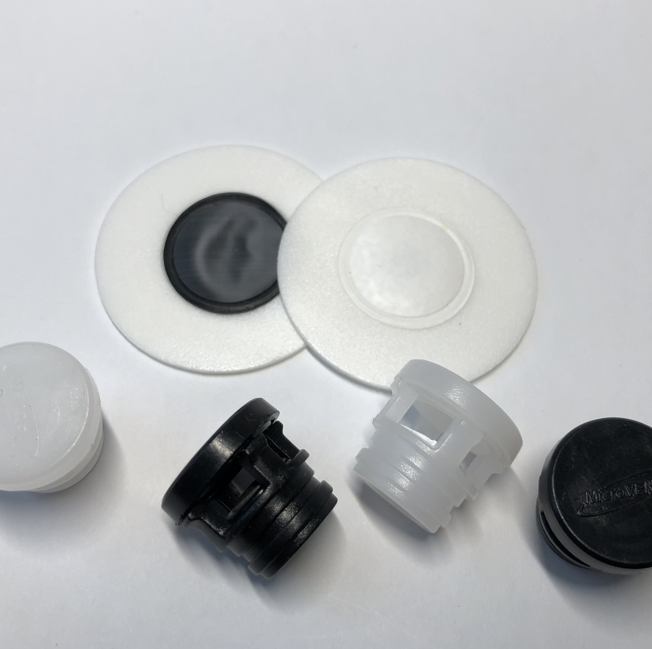
In industrial packaging and laboratory environments, managing internal gas pressure while maintaining liquid containment presents a persistent challenge. The MicroVent bottle cap addresses this critical balance through precision-engineered venting technology that allows controlled gas exchange without compromising liquid integrity. This innovative approach to container closure design has transformed how manufacturers, laboratories, and process industries handle volatile liquids, chemical reactions, and pressure-sensitive applications.
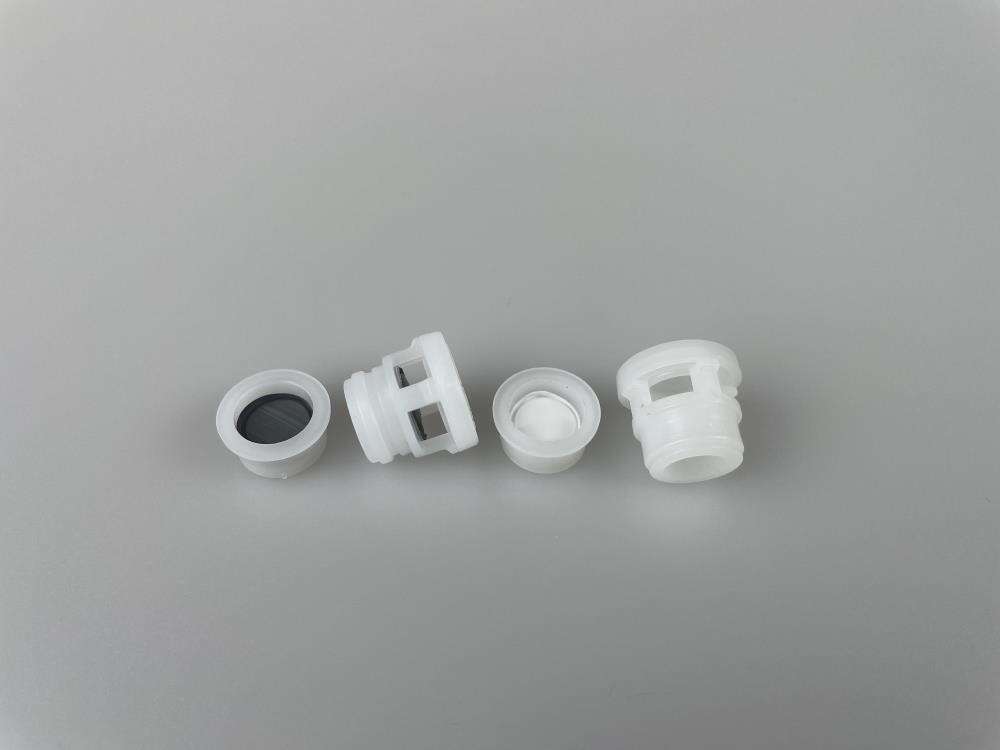
The fundamental value proposition of MicroVent bottle cap technology lies in its ability to solve problems that conventional closure systems cannot adequately address. Traditional sealed caps trap gases generated by chemical reactions, temperature fluctuations, or volatile compound evaporation, leading to dangerous pressure buildup. Conversely, simple vented caps risk liquid spillage during handling or transportation. The MicroVent bottle cap design eliminates this trade-off through membrane-based selective permeability that distinguishes between gas molecules and liquid phases.
Engineering Principles Behind Selective Venting Technology
Membrane Architecture and Porosity Control
The core functionality of the MicroVent bottle cap depends on a microporous membrane constructed from hydrophobic materials with precisely controlled pore geometries. These membranes typically feature pore diameters measured in micrometers, sized specifically to permit gas molecule passage while creating surface tension barriers that prevent liquid penetration. The hydrophobic nature of the membrane material ensures that aqueous and most organic liquids cannot wet the pore surfaces, maintaining an effective liquid seal even under moderate pressure differentials.
Manufacturing precision determines the performance reliability of each MicroVent bottle cap unit. Advanced extrusion and sintering processes create consistent pore structures throughout the membrane thickness, eliminating weak points that could allow liquid breakthrough. Quality control protocols verify that every production batch meets specifications for gas flow rates, liquid breakthrough pressures, and chemical compatibility. This manufacturing rigor ensures that laboratory technicians and industrial operators can depend on consistent venting performance across thousands of containers.
Pressure Differential Management
The MicroVent bottle cap maintains equilibrium between internal container pressure and external atmospheric conditions through passive gas exchange. When reactions generate gases or temperature increases cause vapor expansion, internal pressure rises above ambient levels. This pressure gradient drives gas molecules through the membrane pores at rates proportional to the pressure difference. The membrane's flow characteristics are engineered to prevent excessive pressure buildup while limiting the rate of gas exchange to minimize contamination risks from external air.
Critical to the MicroVent bottle cap design is the liquid breakthrough pressure threshold, which represents the minimum internal pressure required to force liquid through the membrane. Typical specifications maintain breakthrough pressures well above normal operating conditions, creating safety margins that account for handling disturbances, temperature variations, and process upsets. This engineering margin ensures that the cap performs its dual function reliably across diverse application scenarios, from gentle laboratory storage to industrial transportation environments.
Material Selection for Chemical Compatibility
The effectiveness of any MicroVent bottle cap depends fundamentally on chemical resistance properties that match the intended application. Polytetrafluoroethylene membranes offer exceptional resistance to aggressive solvents, acids, and bases, making them suitable for demanding chemical handling applications. Alternative materials including polypropylene and polyethylene variants provide cost-effective solutions for less aggressive fluids while maintaining the essential venting functionality. Material selection guides help users match specific MicroVent bottle cap variants to their chemical inventories, ensuring long-term performance without degradation.
Beyond the membrane itself, the cap body construction influences overall system compatibility. Polypropylene caps resist a broad spectrum of chemicals while providing mechanical durability for repeated handling. Thread designs accommodate standard laboratory bottle neck finishes, allowing the MicroVent bottle cap to retrofit existing container inventories without requiring specialized vessels. This compatibility dimension extends the practical utility of venting technology across established laboratory and industrial infrastructure.
Application Scenarios Requiring Controlled Gas Release
Chemical Storage and Reagent Management
Laboratories handling volatile organic compounds face persistent challenges with vapor pressure management during storage. Solvents such as acetone, methanol, and diethyl ether generate significant vapor pressures at room temperature, creating risks of container rupture when sealed with conventional caps. The MicroVent bottle cap enables safe storage by continuously venting vapors while preventing liquid evaporation rates that would significantly deplete container contents. This balance protects both personnel safety and inventory integrity.
Reagent bottles containing moisture-sensitive or oxygen-sensitive materials benefit from the pressure relief capabilities of MicroVent bottle cap technology while maintaining protective atmospheres through proper handling protocols. When combined with inert gas blanketing procedures, the venting mechanism allows excess pressure release without compromising the protective atmosphere. This application demonstrates how the MicroVent bottle cap integrates into comprehensive chemical management systems rather than functioning as an isolated component.
Biological Culture and Fermentation Processes
Cell culture applications generate carbon dioxide and other metabolic gases that must escape culture vessels to prevent pH shifts and pressure accumulation. Traditional vented caps for tissue culture flasks incorporate coarse filters that allow gas exchange but require careful handling to prevent contamination. The MicroVent bottle cap provides similar gas exchange capabilities with enhanced liquid containment, reducing spillage risks during incubator placement and removal. Microbiology laboratories appreciate this functionality when working with liquid culture media prone to foaming or when transporting inoculated containers between workstations.
Small-scale fermentation and bioprocess development utilize the MicroVent bottle cap to manage gas production from microbial metabolism without requiring complex pressure control systems. Shake flask cultures benefit particularly from this technology, as the venting mechanism prevents pressure buildup during vigorous agitation while the liquid barrier prevents media loss through the cap. This simple solution enables reliable bioprocess development work without the capital investment required for instrumented bioreactor systems.
Analytical Sample Preparation and Processing
Sample digestion procedures for elemental analysis often involve heating acidic mixtures that generate nitrogen oxides, carbon dioxide, and water vapor. Sealed vessels risk dangerous pressure accumulation, while open vessels allow analyte loss through volatilization. The MicroVent bottle cap provides a middle path, releasing combustion gases while retaining the liquid sample matrix. This capability improves both safety and analytical accuracy in environmental testing, food analysis, and materials characterization laboratories.
Extraction procedures using heated solvents similarly benefit from controlled venting that maintains reflux conditions while preventing pressure hazards. The MicroVent bottle cap allows solvent vapors to escape as gases while the hydrophobic membrane prevents liquid solvent from leaking during the heating cycle. Analytical chemists conducting method development work value this functionality for its ability to simplify equipment requirements while maintaining procedural control.
Performance Advantages Over Alternative Closure Systems
Comparison with Solid Cap Designs
Conventional solid screw caps create completely sealed environments that trap all gases generated within the container. While appropriate for stable, non-reactive contents, solid caps become liability sources when applied to gas-generating systems. Internal pressure rises until either the cap threads fail, the container ruptures, or dangerous projectile ejection occurs upon opening. The MicroVent bottle cap eliminates these failure modes through continuous pressure relief, fundamentally improving workplace safety without requiring operator intervention or monitoring.
The operational simplicity of the MicroVent bottle cap represents another advantage over sealed systems. Users require no special training to benefit from the venting functionality; the cap performs its protective function automatically and continuously. This passive operation contrasts with active pressure relief systems that require periodic manual venting, creating opportunities for operator error or neglect. Laboratories and industrial facilities reduce procedural complexity and training requirements by standardizing on MicroVent bottle cap technology for appropriate applications.
Advantages Over Simple Loosened Cap Approaches
Some laboratory protocols attempt pressure management by deliberately loosening screw caps to create venting gaps. This improvised approach introduces multiple problems that the MicroVent bottle cap design systematically addresses. Loosened caps allow liquid leakage during handling, permit contamination ingress from airborne particles and microorganisms, and provide inconsistent venting performance that varies with thread engagement. The engineered membrane system in the MicroVent bottle cap delivers predictable performance that doesn't depend on operator technique or cap positioning.
Spillage prevention alone justifies the adoption of MicroVent bottle cap technology in many settings. Chemical spills create safety hazards, environmental compliance issues, and material waste that far exceed the cost differential between vented and conventional caps. The reliable liquid containment provided by the hydrophobic membrane reduces incident frequencies, supporting both operational efficiency and regulatory compliance objectives. Facilities transitioning from loosened-cap practices to MicroVent bottle cap systems typically document rapid returns on investment through reduced cleanup costs and improved material accountability.
Distinction from Filter Cap Technologies
Filter-based vented caps employ porous plugs or filter discs that allow bidirectional air exchange for aerobic biological cultures. While superficially similar to the MicroVent bottle cap concept, filter caps optimize for gas permeability rather than liquid containment. Filter materials typically exhibit hydrophilic or neutral wetting properties that allow liquid penetration under modest pressure or when wetted by condensation. The MicroVent bottle cap uses specifically hydrophobic membranes with liquid breakthrough pressures orders of magnitude higher than filter cap materials, making it suitable for liquid-handling applications where filter caps would fail.
Application selection between filter caps and MicroVent bottle cap technology depends on whether liquid containment or gas exchange takes priority. Stationary cell culture vessels benefit from filter cap designs that maximize oxygen transfer, while any application involving container movement, inversion, or pressurization requires the superior liquid barrier of the MicroVent bottle cap. Understanding this functional distinction helps procurement specialists and laboratory managers select appropriate closure technologies for their specific operational requirements.
Implementation Considerations for Industrial and Laboratory Settings
Container Compatibility and Retrofitting
The MicroVent bottle cap is manufactured with standard thread profiles that match common laboratory bottle neck finishes, including GL45, GL38, and various national standard dimensions. This standardization allows facilities to retrofit existing bottle inventories without purchasing specialized compatible containers. Procurement departments appreciate this compatibility dimension, as it enables phased adoption of venting technology without requiring simultaneous replacement of entire container stocks. Compatibility charts provided by manufacturers help users identify appropriate cap sizes for their existing bottle types.
Thread engagement specifications require attention during implementation to ensure proper sealing and venting function. Bottles with damaged threads or non-standard neck finishes may not achieve reliable seals with the MicroVent bottle cap, potentially compromising both venting and liquid containment functions. Quality assurance protocols should include visual thread inspection before applying vented caps to critical applications. Facilities maintaining mixed bottle inventories benefit from implementing container identification systems that match verified compatible bottles with appropriate MicroVent bottle cap variants.
Temperature and Environmental Operating Ranges
The MicroVent bottle cap maintains functionality across temperature ranges typical of laboratory and light industrial environments, generally spanning from refrigeration temperatures to moderate heating conditions. Membrane materials retain their hydrophobic properties and structural integrity within these ranges, ensuring consistent liquid barrier performance. However, extreme temperature applications require specification verification to confirm that selected membrane materials and cap body plastics maintain appropriate properties under actual use conditions.
Thermal cycling presents particular considerations for MicroVent bottle cap applications. Repeated heating and cooling cycles cause internal pressure fluctuations as gases expand and contract. The venting membrane accommodates these pressure variations, but thermal stress on the cap body and membrane seal interfaces requires material selection appropriate for the cycling frequency and temperature range. Applications involving autoclaving or repeated high-temperature exposure may require specialized MicroVent bottle cap variants engineered specifically for thermal durability.
Maintenance, Inspection, and Replacement Protocols
The MicroVent bottle cap generally functions as a consumable item with finite service life determined by chemical exposure, mechanical wear, and potential membrane contamination. Facilities should establish inspection protocols that identify caps requiring replacement based on visible membrane discoloration, cap body cracking, or thread wear. Unlike reusable laboratory glassware, the MicroVent bottle cap typically cannot be effectively cleaned and restored once contaminated or degraded, making timely replacement essential for maintaining reliable performance.
Documentation systems tracking cap service history improve reliability in critical applications. Recording installation dates, chemical exposures, and observed performance issues enables data-driven replacement scheduling rather than reactive responses to failures. Laboratories managing hundreds of vented containers benefit from systematic tracking approaches that prevent overlooking aging caps while avoiding premature replacement of serviceable units. These documentation practices integrate the MicroVent bottle cap into comprehensive laboratory asset management systems.
Safety, Regulatory, and Quality Assurance Dimensions
Workplace Safety Improvements
The primary safety benefit of MicroVent bottle cap technology lies in eliminating pressure-related incidents from sealed containers holding gas-generating contents. Documented laboratory accidents involving exploding bottles, acid sprays from suddenly released pressure, and projectile cap ejections demonstrate the real hazards that venting technology prevents. Safety professionals recognize the MicroVent bottle cap as an engineering control that reduces risks at the source rather than relying on personal protective equipment or procedural controls that depend on consistent human behavior.
Secondary safety benefits include reduced chemical exposure during routine operations. Containers equipped with MicroVent bottle cap technology require less frequent opening for pressure relief, limiting opportunities for vapor exposure and spillage. This exposure reduction compounds over time across multiple daily operations, significantly decreasing cumulative risk for laboratory personnel handling volatile or hazardous materials. Occupational health assessments should account for these exposure reductions when evaluating the comprehensive safety value of implementing venting technology.
Regulatory Compliance Support
Chemical storage regulations and laboratory safety standards increasingly recognize the importance of proper pressure management in container storage. While specific requirements vary by jurisdiction and industry sector, the general regulatory trend emphasizes engineered controls over administrative procedures. The MicroVent bottle cap provides documented engineering controls that support compliance demonstrations during safety audits and regulatory inspections. Facilities can reference manufacturer specifications and performance certifications as objective evidence of implementing appropriate pressure management technology.
Transportation regulations for hazardous materials include specific requirements for container venting in certain circumstances. The MicroVent bottle cap may satisfy these requirements when properly specified and documented, though users must verify compliance with applicable regulations such as Department of Transportation hazardous materials regulations or International Air Transport Association dangerous goods provisions. Regulatory compliance specialists should review specific MicroVent bottle cap performance specifications against regulatory requirements before implementing venting technology in transportation applications.
Quality Control and Performance Verification
Manufacturers of the MicroVent bottle cap implement quality control protocols that verify each production batch meets specifications for gas flow rates, liquid breakthrough pressure, and dimensional tolerances. Certificates of conformance document these quality verifications, providing users with objective evidence of product quality. Laboratories operating under quality management systems such as ISO/IEC 17025 can incorporate these certificates into their supplier qualification and incoming inspection procedures, ensuring that purchased caps meet application requirements.
End-user performance verification procedures may include simple tests such as visual membrane inspection, cap fit evaluation, and functional testing with representative contents. While laboratory facilities typically lack equipment for quantitative membrane performance testing, qualitative assessments provide valuable quality assurance. Establishing acceptance criteria for visual inspection and implementing statistically based sampling plans enables practical quality verification without requiring specialized testing capabilities. These user-level quality practices complement manufacturer quality controls to ensure reliable MicroVent bottle cap performance in actual applications.
FAQ
How does the MicroVent bottle cap prevent liquid leakage while allowing gas release?
The MicroVent bottle cap incorporates a hydrophobic microporous membrane with precisely controlled pore sizes that create different resistance to gases versus liquids. Gas molecules pass freely through the membrane pores due to their small size and low surface tension interactions. Liquids cannot penetrate the hydrophobic pore surfaces due to surface tension effects, creating an effective liquid barrier until pressure exceeds the breakthrough threshold, which is engineered well above normal operating conditions. This selective permeability principle enables simultaneous gas venting and liquid containment.
Can the MicroVent bottle cap be reused after the initial application?
The MicroVent bottle cap functions as a consumable item with limited reuse potential depending on the application. Chemical exposure, particulate contamination, and mechanical wear during removal and reinstallation can compromise membrane performance and sealing integrity. For non-critical applications with compatible, clean contents, limited reuse may be acceptable with proper inspection. However, critical applications requiring reliable performance should treat caps as single-use items or establish conservative reuse limits based on actual service conditions. Membrane contamination is often not visible, making performance degradation difficult to detect without specialized testing.
What types of chemicals or solvents are incompatible with the MicroVent bottle cap?
Chemical compatibility depends on the specific membrane material and cap body polymer used in the MicroVent bottle cap variant. Polytetrafluoroethylene membranes resist virtually all common laboratory chemicals, while polypropylene and polyethylene membranes may be attacked by strong oxidizers, certain chlorinated solvents, and aromatic hydrocarbons. Cap body materials typically have broader compatibility limitations than membrane materials. Manufacturers provide chemical resistance charts that list compatible and incompatible substances. Users should consult these resources and consider conducting compatibility testing when working with chemical mixtures or unusual compounds not listed in standard compatibility tables.
How do I know when a MicroVent bottle cap needs replacement?
Several indicators suggest that a MicroVent bottle cap has reached end of service life and requires replacement. Visible membrane discoloration or contamination indicates chemical attack or particulate accumulation that may compromise venting function. Cap body cracks, thread damage, or dimensional distortion prevent proper sealing. Observed liquid leakage during normal handling clearly indicates membrane failure or seal compromise. Additionally, time-based replacement schedules based on typical service life for specific applications provide proactive maintenance. Facilities should establish inspection protocols appropriate for their risk tolerance and application criticality, replacing caps when any degradation indicator appears or when predetermined service intervals expire.
